Key Takeaways Guinea pigs live on average around five to seven years and require a long-term commitment.They are social creatures and should ideally be kept with other guinea pigs.Guinea pigs require a spacious cage, need regular grooming, and are prone to certain health issues.
Key Takeaways
Guinea pigs live on average around five to seven years and require a long-term commitment.They are social creatures and should ideally be kept with other guinea pigs.Guinea pigs require a spacious cage, need regular grooming, and are prone to certain health issues.
Guinea pigs are charming pets, but there are important factors to consider before committing. From their lifespan to their social nature, here's what you should know before bringing a guinea pig home.
All You Need to Know About Guinea Pigs
Guinea Pigs Are a Long-Term Commitment
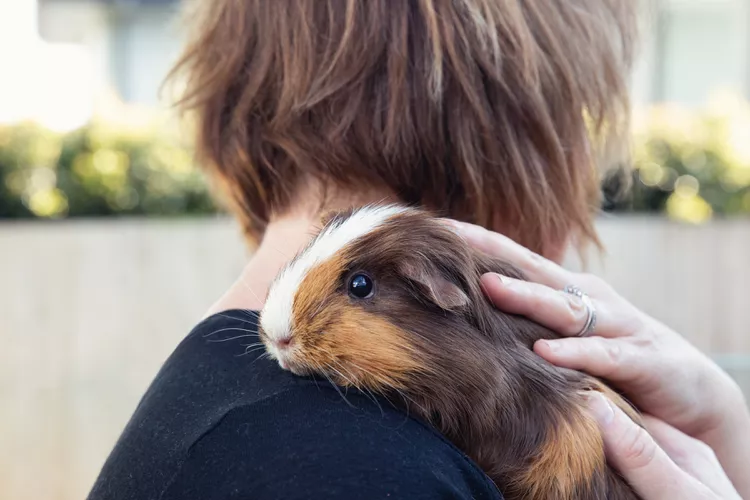
While a guinea pig doesn't live nearly as long as a cat or dog, they're still a large time commitment. Guinea pigs live on average around five to seven years, sometimes longer, so be prepared to provide care over the long term.
Guinea Pigs Are Social
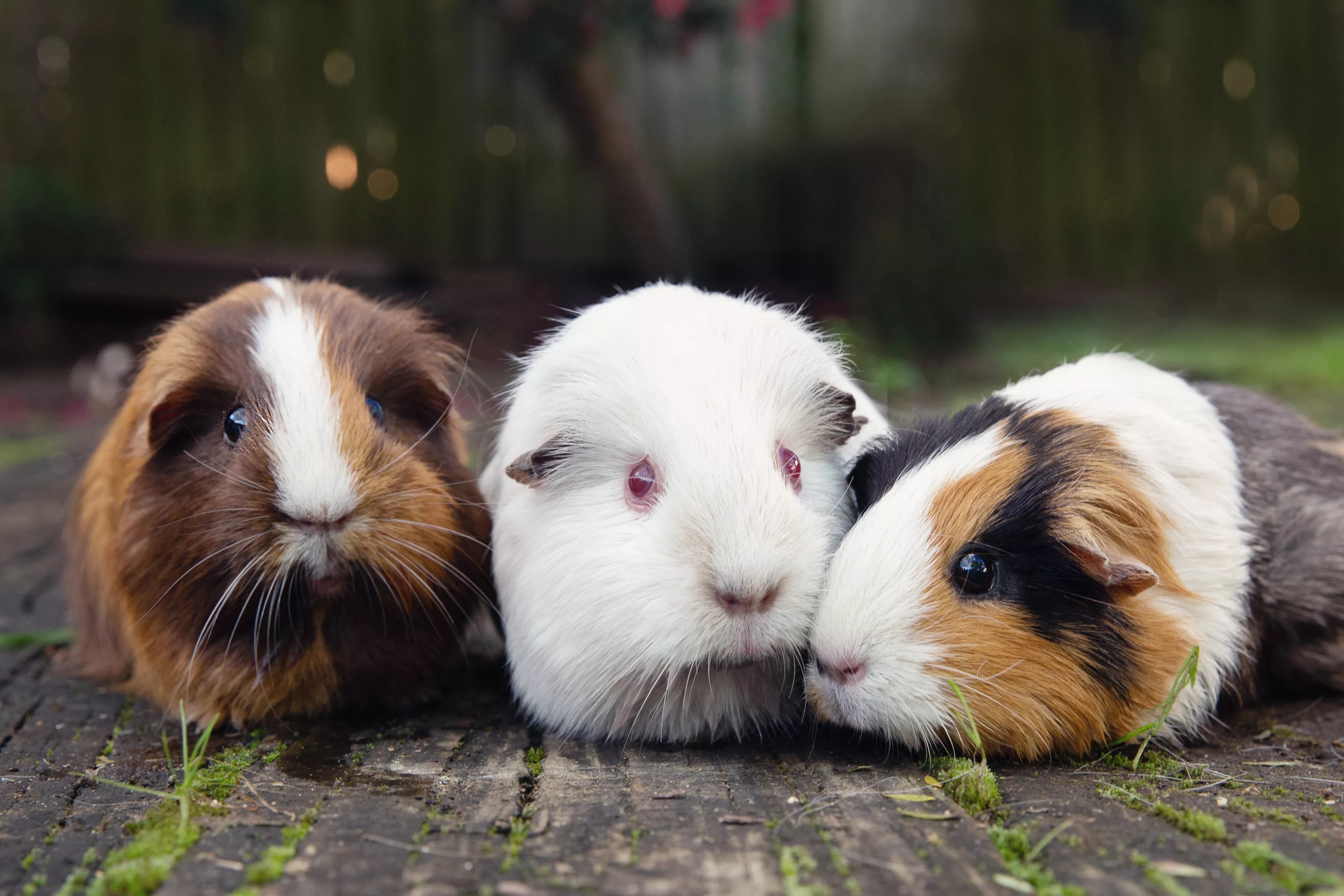
Guinea pigs are very social animals and are at their happiest living with other guinea pigs. Keep a same-sex pair to ensure you don't have any unwanted litters. Females can be kept together, as can males without any issues.
You can also choose from many guinea pig breeds, such as the Texel guinea pig, teddy guinea pig, Peruvian guinea pig, Abyssinian guinea pig, Himalayan guinea pig, American guinea pig, and skinny pig.
Be aware that sometimes personality differences in the animals will mean certain guinea pigs won't get along. Introducing them as babies is the best way to get a pair to bond, though even adults can usually be introduced with care.
Guinea Pigs Need a Large Cage
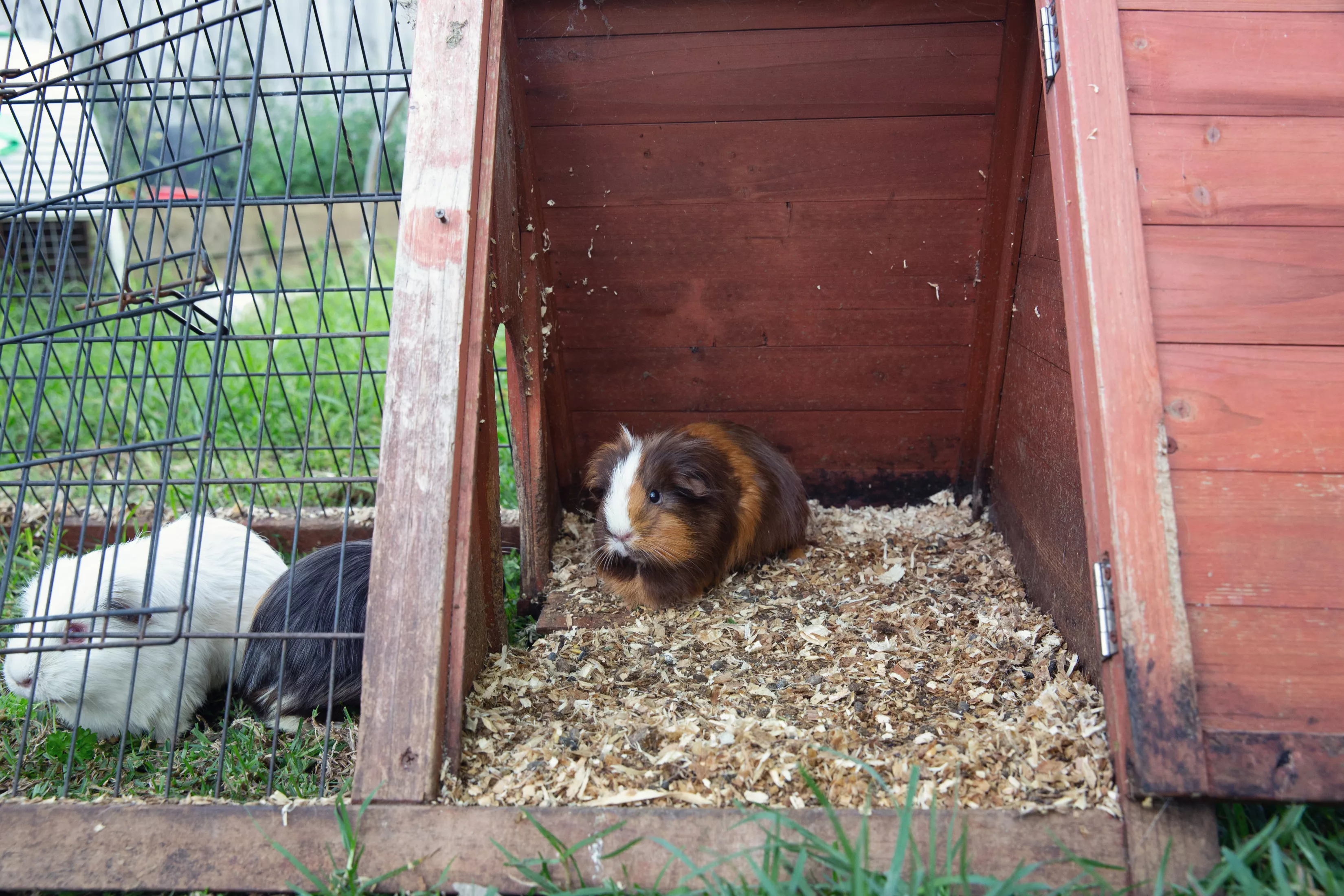
Guinea pigs need a lot of floor space, and most cages marketed as guinea pig cages are much too small, especially for a pair. Making a homemade cage is very easy, though, and since guinea pigs are a good size and not escape artists, a homemade cage is a great option.
To keep your guinea pig healthy, you’ll need to clean their cage at least weekly. Make sure they have clean food and water bowls, remove waste daily, and ensure their bedding is always clean.
Guinea Pigs Are Quiet, Sometimes
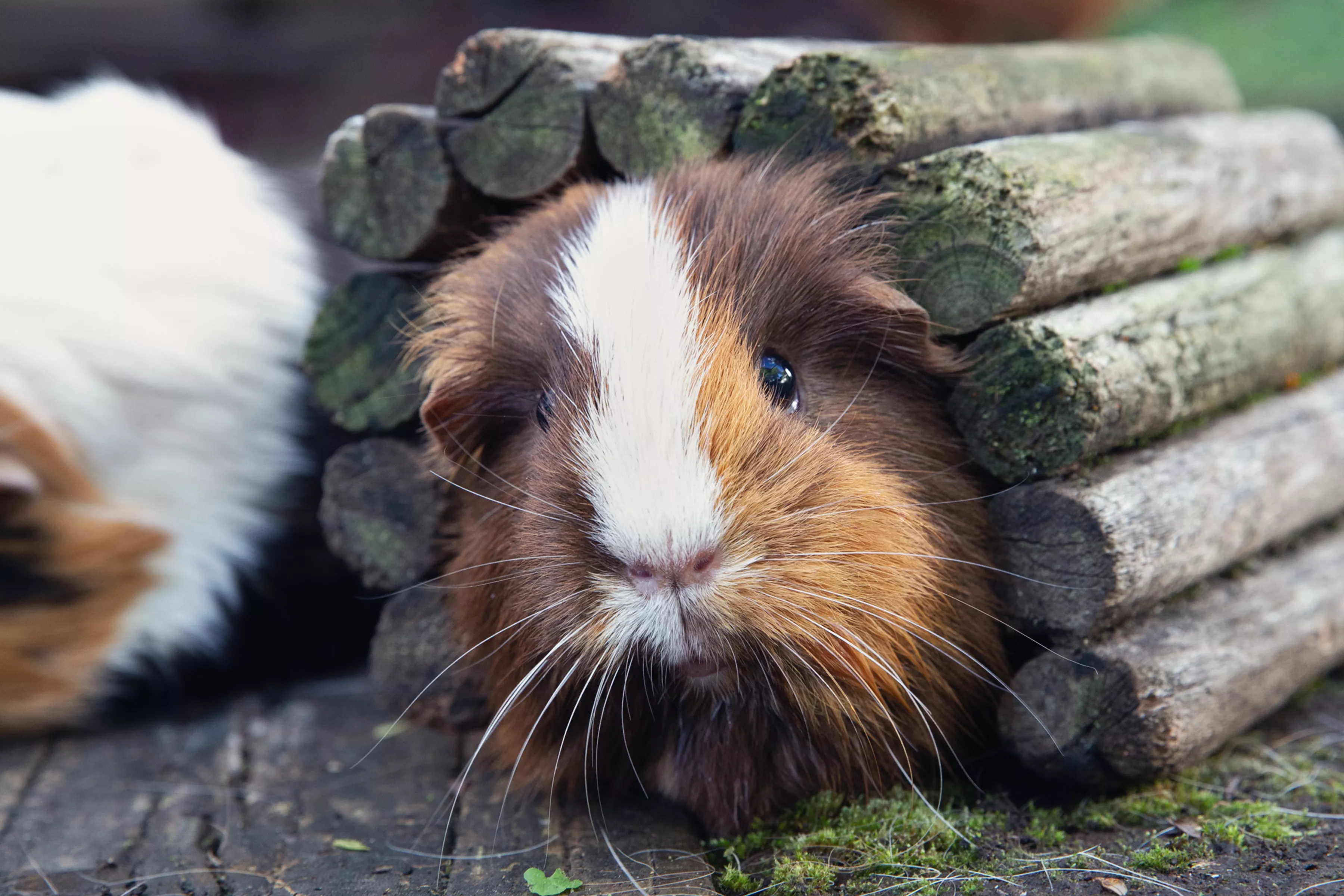
Guinea pigs have 11 individual sounds. For example, they make a distinctive wheeking or whistling type sound, often in anticipation of getting a favorite treat or when in need of some attention. If your guinea pig is purring, it means they are happy! Good job, pet parent! On the other hand, if they’re feeling aggressive, annoyed, or upset, guinea pigs will hiss, whine, or exhibit teeth chattering. And if they’re scared, they’ll shriek.
Though generally not loud enough to annoy the neighbors, a wheeking guinea pig can be surprisingly loud. If you're looking for an animal whose vocals will never interrupt a dinner party or afternoon nap, a guinea pig might not be for you.
Guinea Pigs Are Generally Easy to Tame
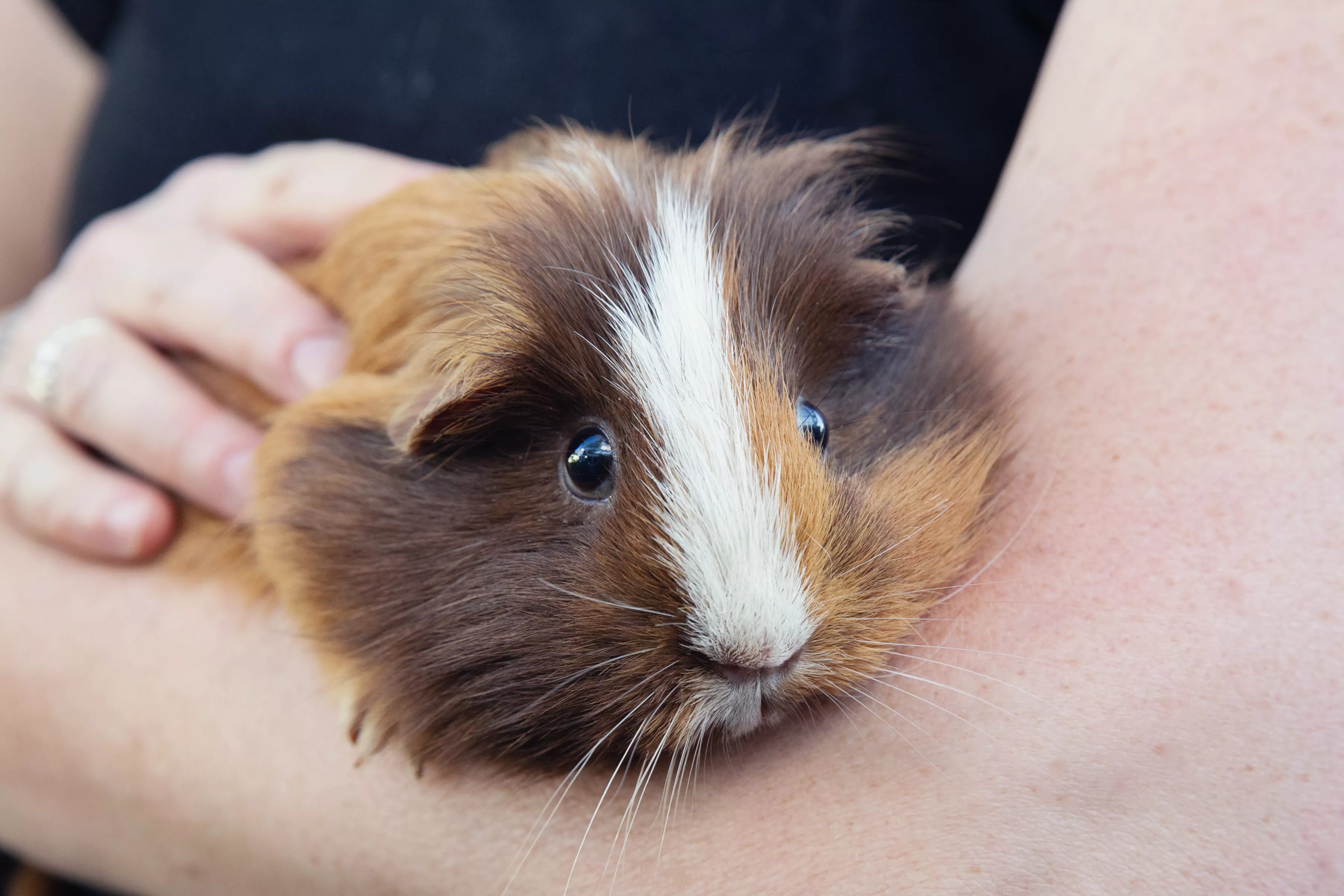
While guinea pigs may be nervous or skittish at first, with consistent gentle handling, they usually become tame very easily. Careful handling is a must, and children should be supervised with them, but they are unlikely to bite even when stressed.
Guinea Pigs Require Vitamin C
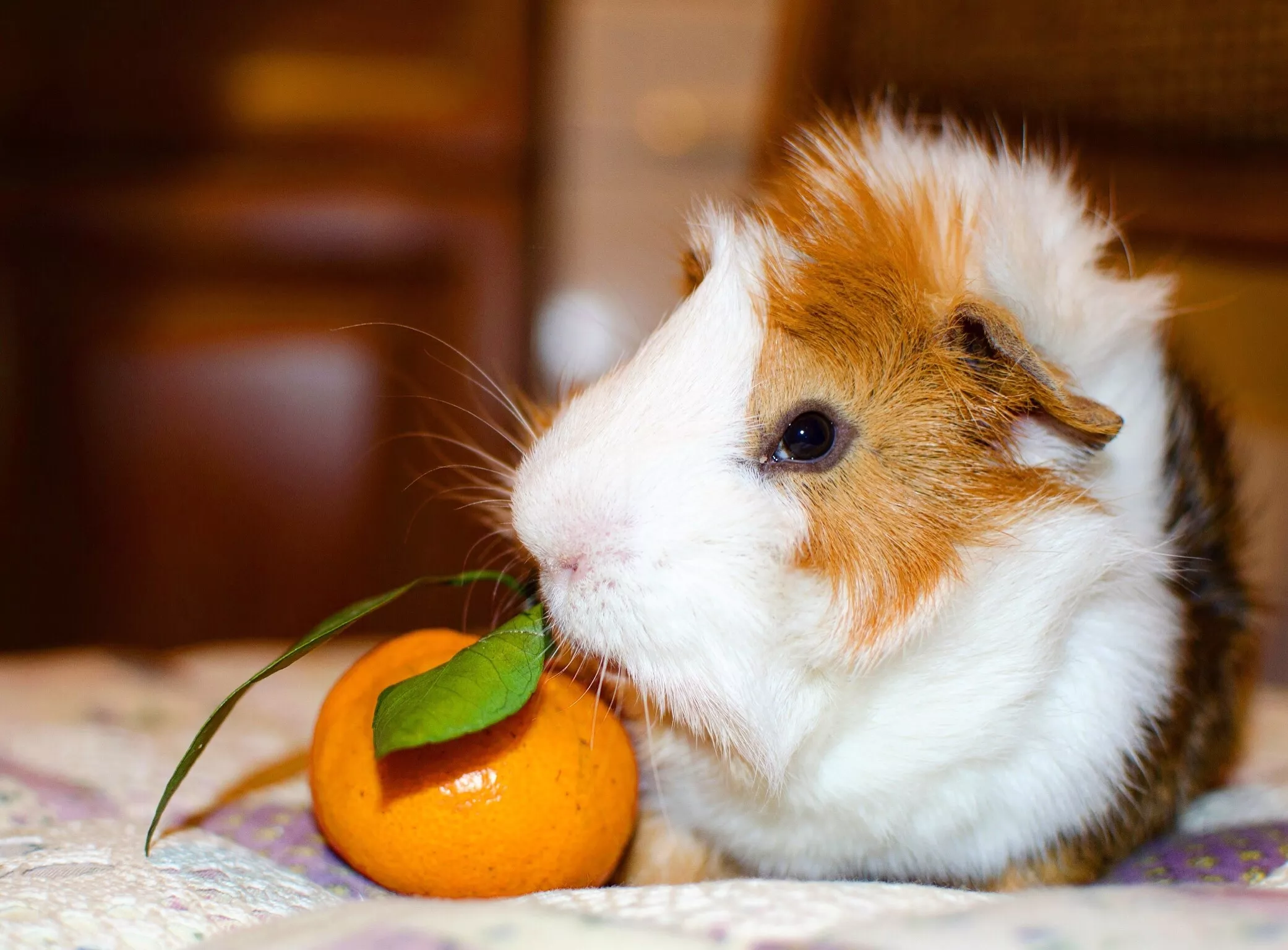
Guinea pigs are one of the few animals (humans are another) that cannot manufacture their own vitamin C, so they need to get it from their diet. Choosing a good quality diet and providing a variety of fresh foods and roughage is important, but most owners choose to also give their animals a vitamin C supplement. Vitamin C tablets are considered a better way to supplement than adding vitamin C to your pet's water.
Guinea Pigs are Often Available at Shelters
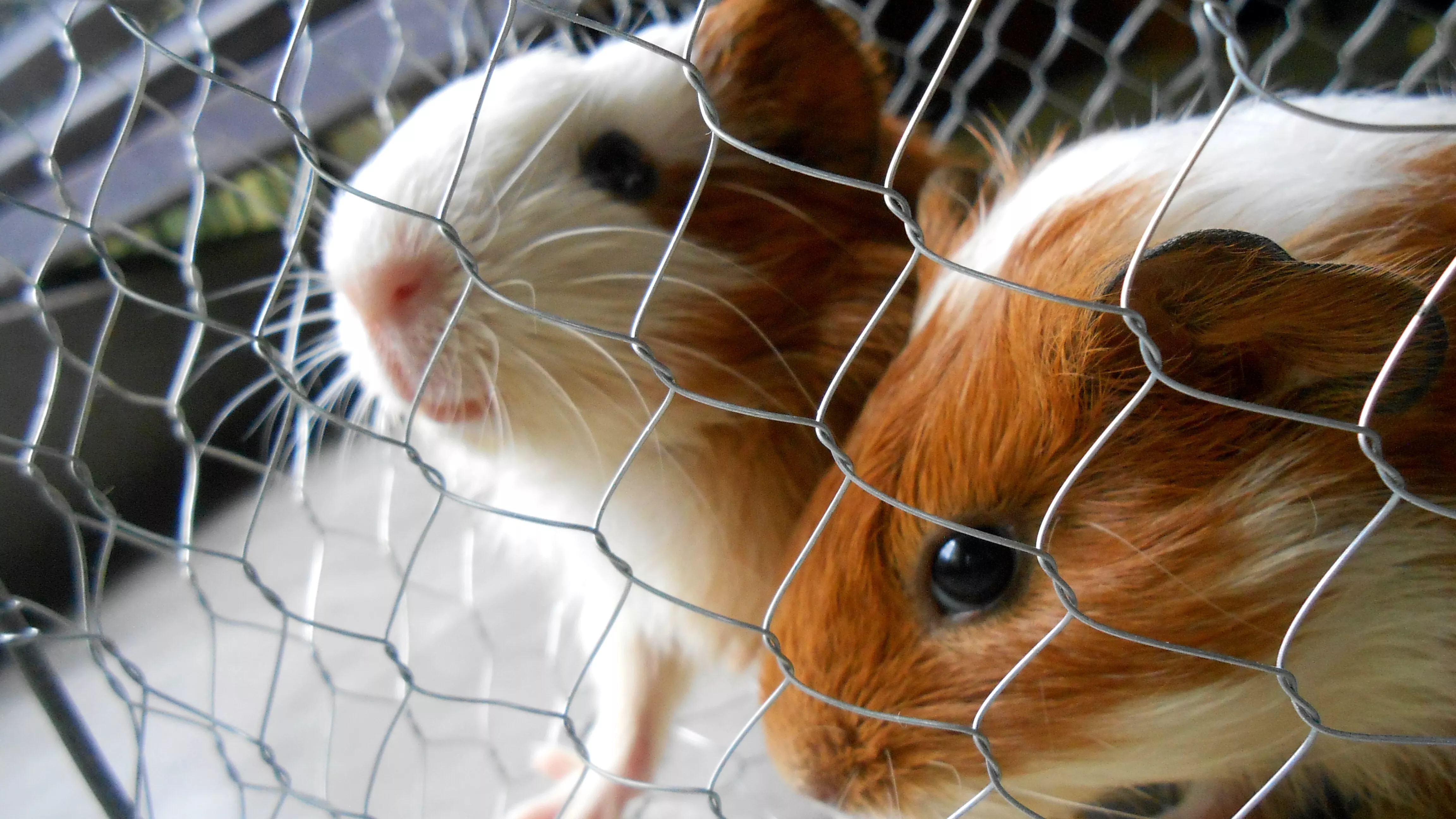
Before heading out to buy a guinea pig, check with your local shelters or rescues for guinea pigs in need of a new home. Many guinea pigs end up at shelters and are in need of a second chance at a forever home. Shelter guinea pigs are generally social and easy-going. It should be easy to bond with an older guinea pig.
Guinea Pigs Are Very Active
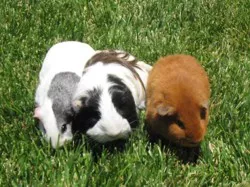
Guinea pigs are active for most of the day—about 20 hours. So, it’s important to give them plenty of space to play, run around, and socialize with each other. They don’t run on wheels like hamsters, and they like to be outside to stretch their legs and explore, so supervised time outside of their cage is also necessary.
Guinea Pigs Are Hiders
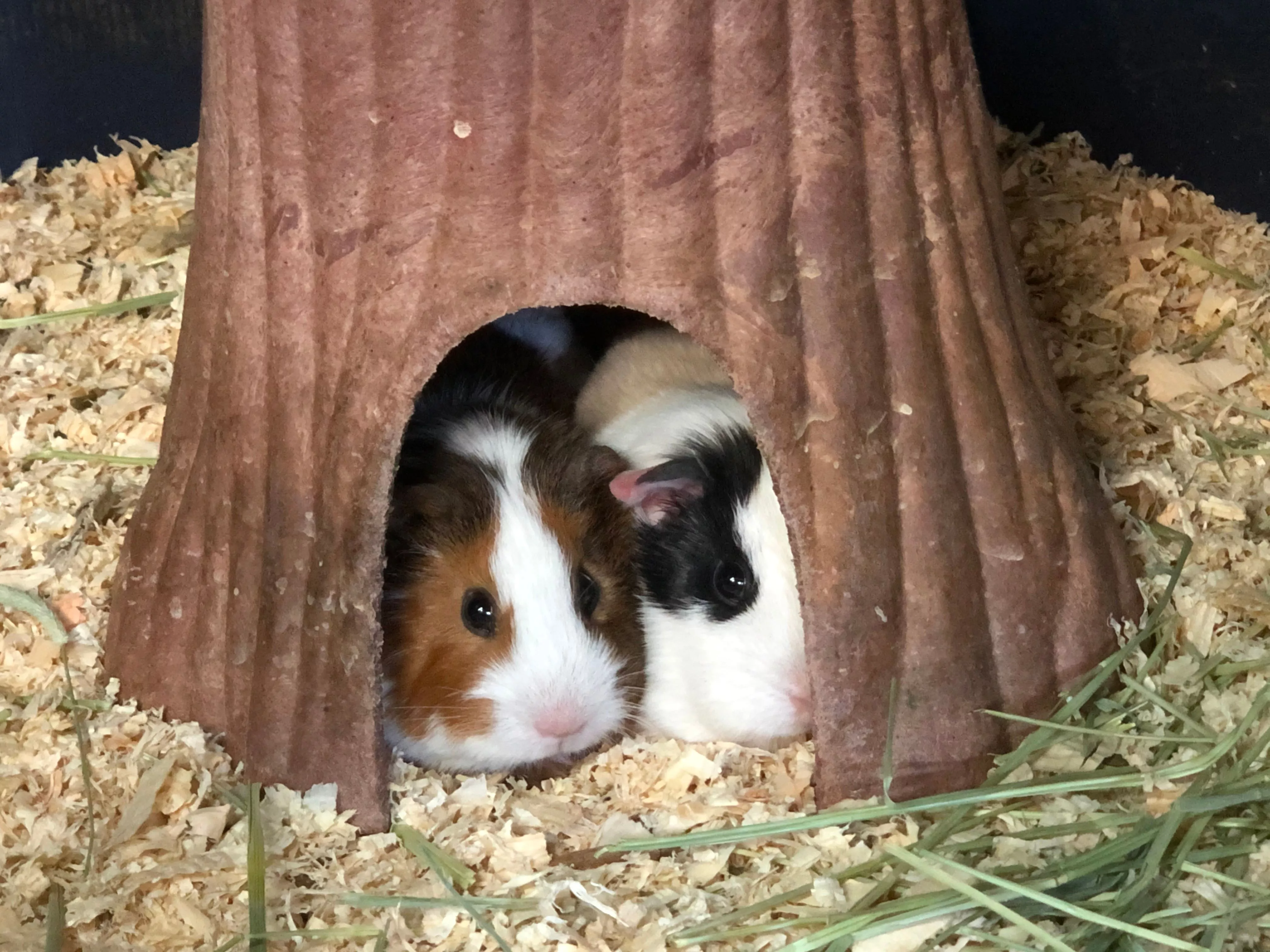
Guinea pigs like to hide a lot, and they don’t climb. Therefore, it’s important to give them a lot of safe and secure places where they can hide whenever they want. Hideouts and tunnels can be purchased at pet supply stores and placed throughout your guinea pig’s cage.
Guinea Pigs Are Explorers
These little animals have great hearing and smelling capabilities. They can also see above and behind their body due to the shape of their head. Provide them with time outside of their cage, as well as products for enrichment inside their cage, so they can explore their surroundings and take in all of the sights, sounds, and smells.
Guinea Pigs Are Very Intelligent
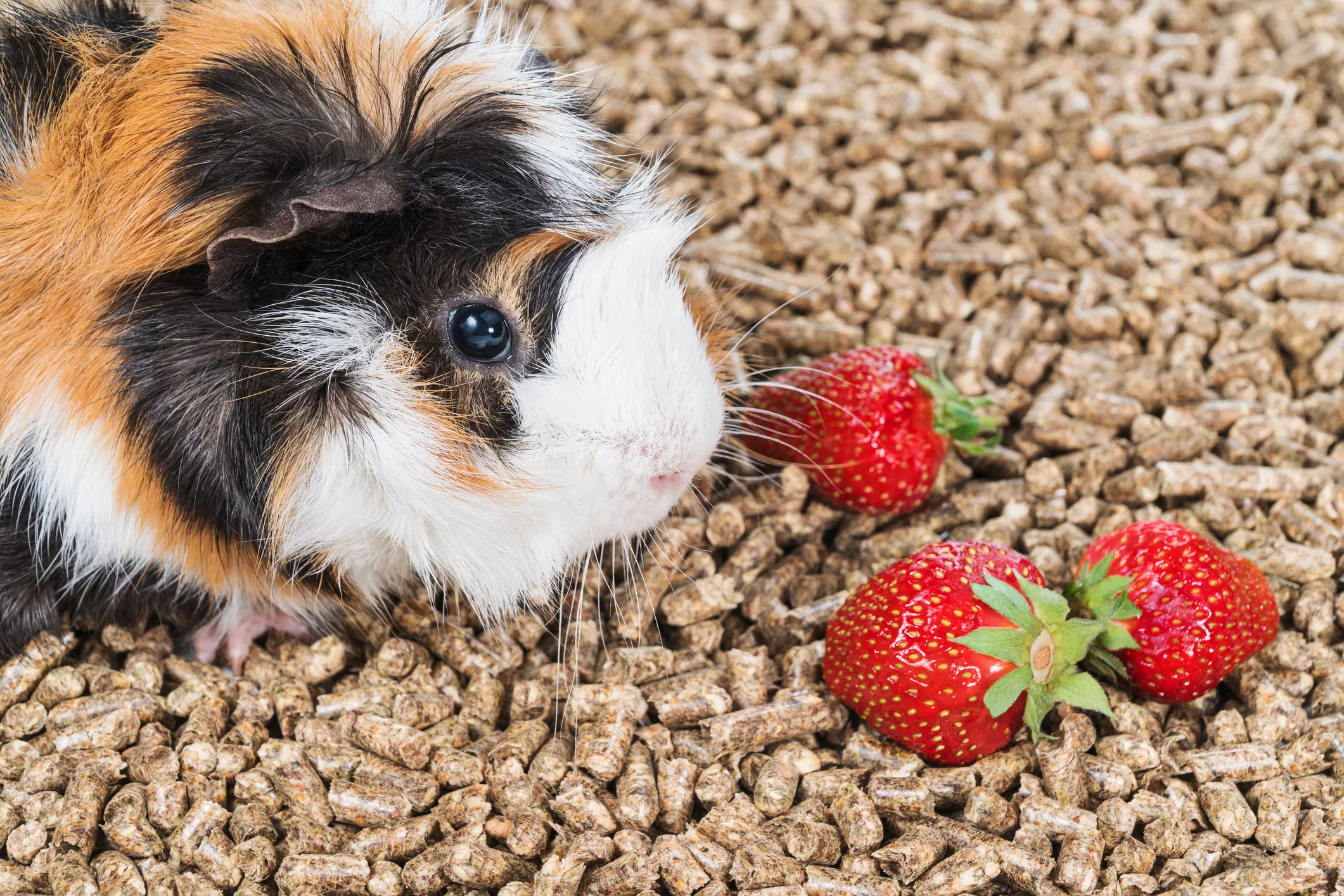
Because they’re so intelligent, guinea pigs need mental stimulation. Otherwise, they will get bored. Giving your pet a variety of toys will keep things interesting for them. In addition to tunnels and ramps, you can provide foraging toys that hide treats for extra fun.
Guinea Pigs Require Grooming
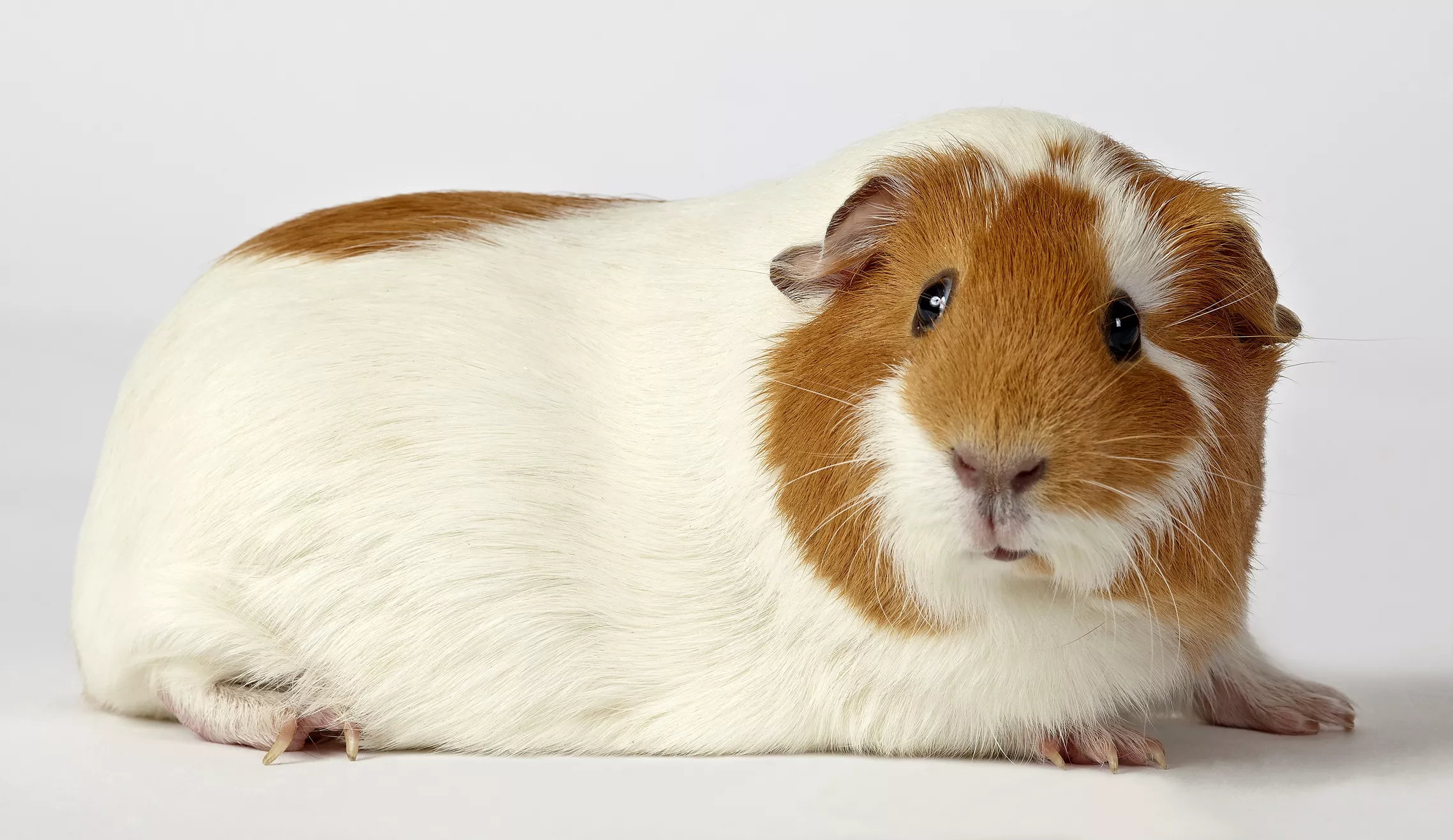
These little guys don't need to be bathed too often because they generally groom themselves. If there's a need to bathe yours, do it in a warm room, with guinea pig shampoo, in a basin in your kitchen sink or bathtub. Wet your guinea pig, gently shampoo, and rinse in warm water. Towel dry and keep your pet away from drafts until they’re fully dry. Also, brush your guinea pig’s fur weekly to prevent mats. By taking good care of your pet’s grooming and hygiene, you can help prevent health issues.
Guinea Pigs Are Prone to Health Issues
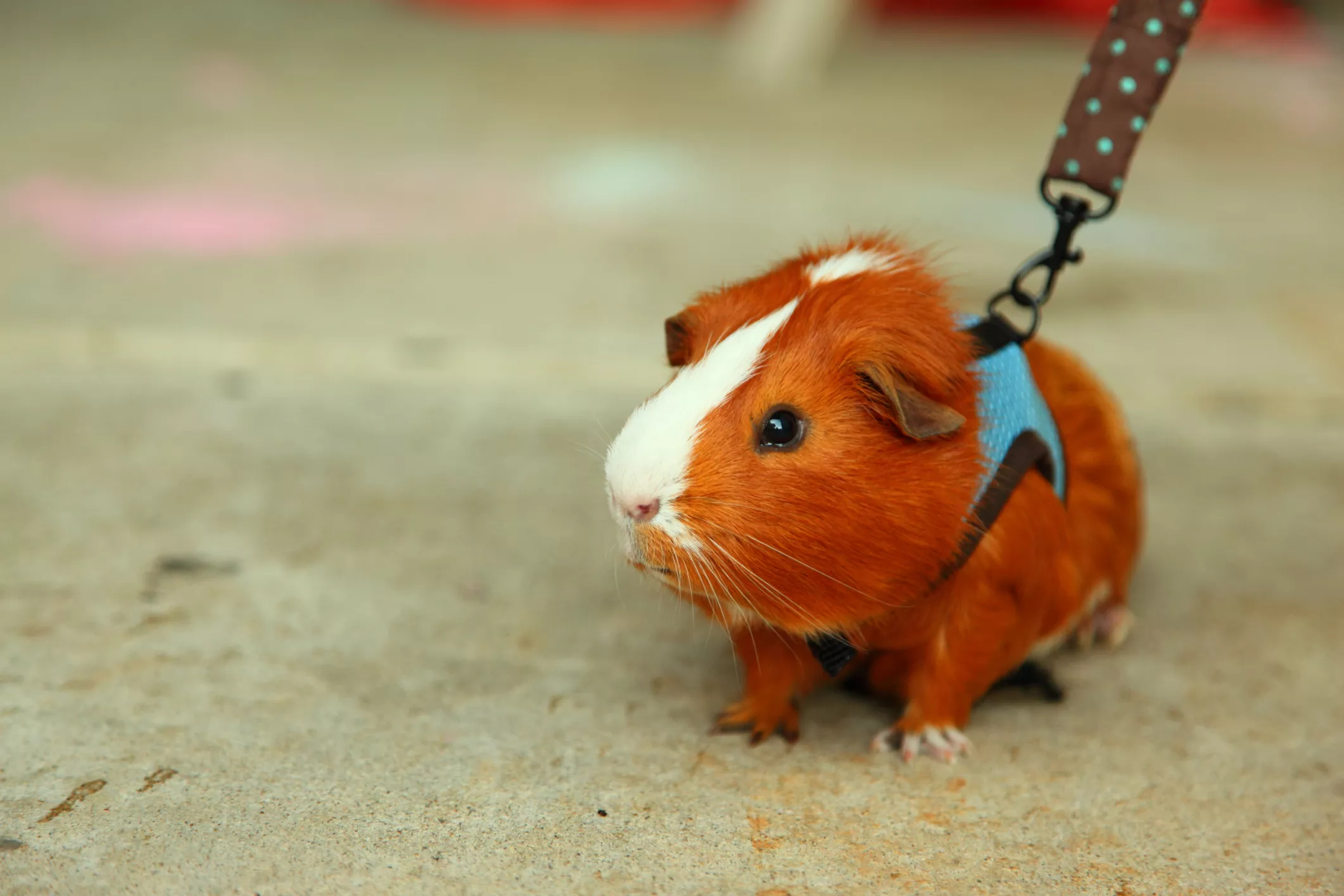
Guinea pigs can develop various health problems, such as dental disease, scurvy (vitamin C deficiency), abscesses, tumors, gastrointestinal diseases, skin diseases like bumblefoot, respiratory infections, inner ear infections, and urinary problems. Be sure to feed your pet an appropriate diet that’s high in fiber, in addition to keeping their environment safe and clean.