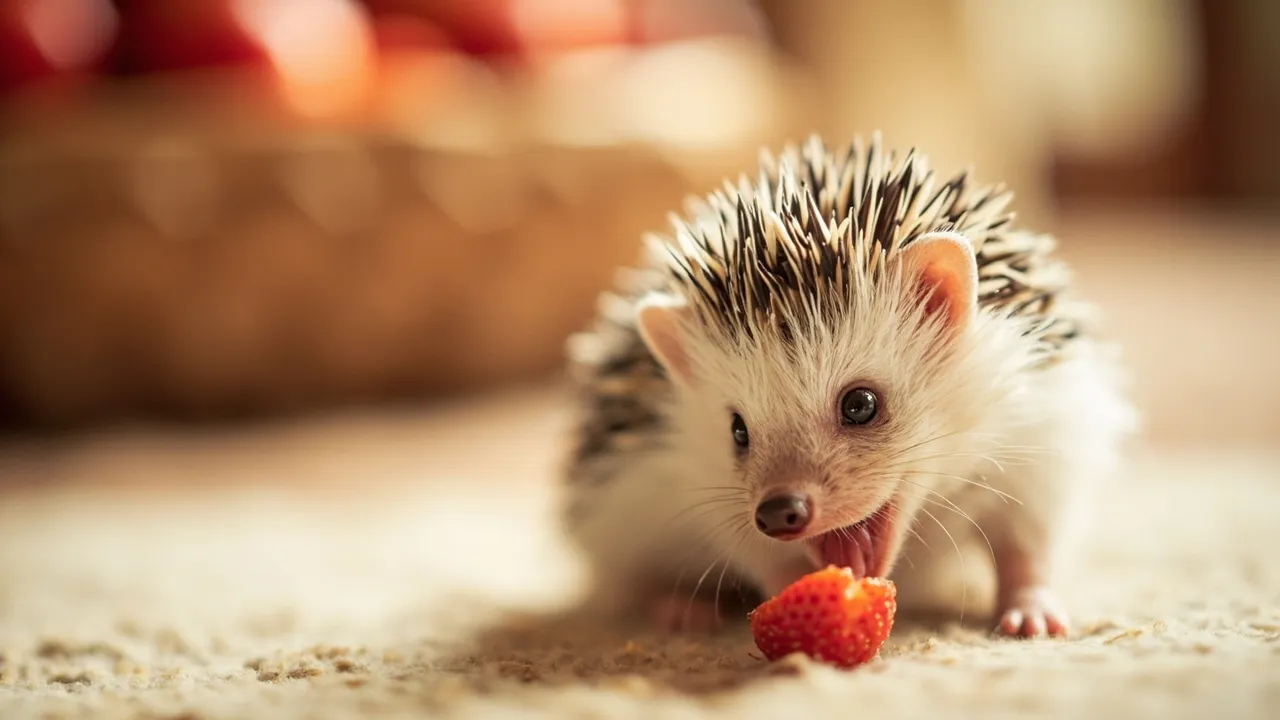
Key Takeaways
- Strawberries are safe for hedgehogs when offered as an occasional treat, not a daily snack.
- Always wash the fruit, remove the stem and cut it into tiny, bite‑size pieces to prevent choking.
- Watch for signs of digestive upset—like loose stool—and stop feeding if any reaction occurs.
- A hedgehog’s core diet should be high‑protein kibble and insects, with fruits making up no more than 5‑10 % of treats.
- Introduce strawberries slowly, offering just a small slice once a week and monitoring your pet’s response.
A Quick Answer for Curious Hedgehog Parents
Ever wondered if you can share that bright red strawberry from your breakfast bowl with your spiky little friend? You’re not alone—many hedgehog owners love slipping a sweet bite to their pets, but it’s important to know what’s safe and what’s not. If you’re new to hedgehog care, start with the basics by checking out our hedgehogs care guide for a full overview of diet, housing, and health.
What Makes Strawberries Tasty (and a Little Tricky)
Strawberries are packed with vitamin C, fiber, and antioxidants that can give a small boost to your hedgehog’s immune system. They also contain natural sugars—about 5 g per 100 g—which is why the portion size matters. Hedgehogs are insectivores at heart, so their bodies are designed to handle a low‑sugar, high‑protein diet. A few tiny pieces won’t hurt, but a whole strawberry could lead to weight gain or an upset stomach.
How to Serve Strawberries Safely
Preparation Steps
- Rinse thoroughly – Run the fruit under cool water to wash away any pesticide residue. If you can, choose organic strawberries to reduce chemical exposure.
- Remove the stem, leaves, and hull – These parts are tough and can be a choking hazard.
- Cut into small pieces – Dice the flesh into tiny cubes, about the size of a pea. If you want to be extra careful, you can gently scrape off the seeds with a knife, though the seeds themselves aren’t toxic.
Portion Size
- Frequency: Once a week is a good rule of thumb.
- Amount: Roughly a half to a full small strawberry (≈ 1–2 g of flesh) per serving.
Balancing With a Healthy Diet
Think of strawberries as a “dessert” in your hedgehog’s menu. The main course should be a high‑protein, low‑fat commercial hedgehog or cat kibble, supplemented with insects like mealworms, crickets, and waxworms. For more ideas on nutrient‑rich side dishes, see our guide on best vegetables for hedgehogs and get a sample feeding schedule to keep treats in check.
If you’re curious about other fruit options, our post on safe fruits for hedgehogs outlines which ones are okay in tiny amounts and which to avoid altogether.
Signs Your Hedgehog Might Not Handle Strawberries Well
Even though strawberries are non‑toxic, every hedgehog is an individual. Keep an eye out for:
- Loose or watery droppings within a few hours of eating.
- Reduced appetite for their regular kibble.
- Lethargy or a sudden drop in activity level.
If any of these appear, stop offering strawberries and give your pet a chance to recover. When in doubt, a quick call to an exotic‑animal vet can provide peace of mind.
The Bottom Line
Strawberries can be a delightful, vitamin‑rich treat for your hedgehog—just keep the portions tiny, the preparation clean, and the frequency low. They’re not a substitute for the protein‑packed diet your spiny friend naturally thrives on, but a occasional sweet nibble can be a fun way to bond and add a splash of variety to their weekly menu.