Key Takeaways
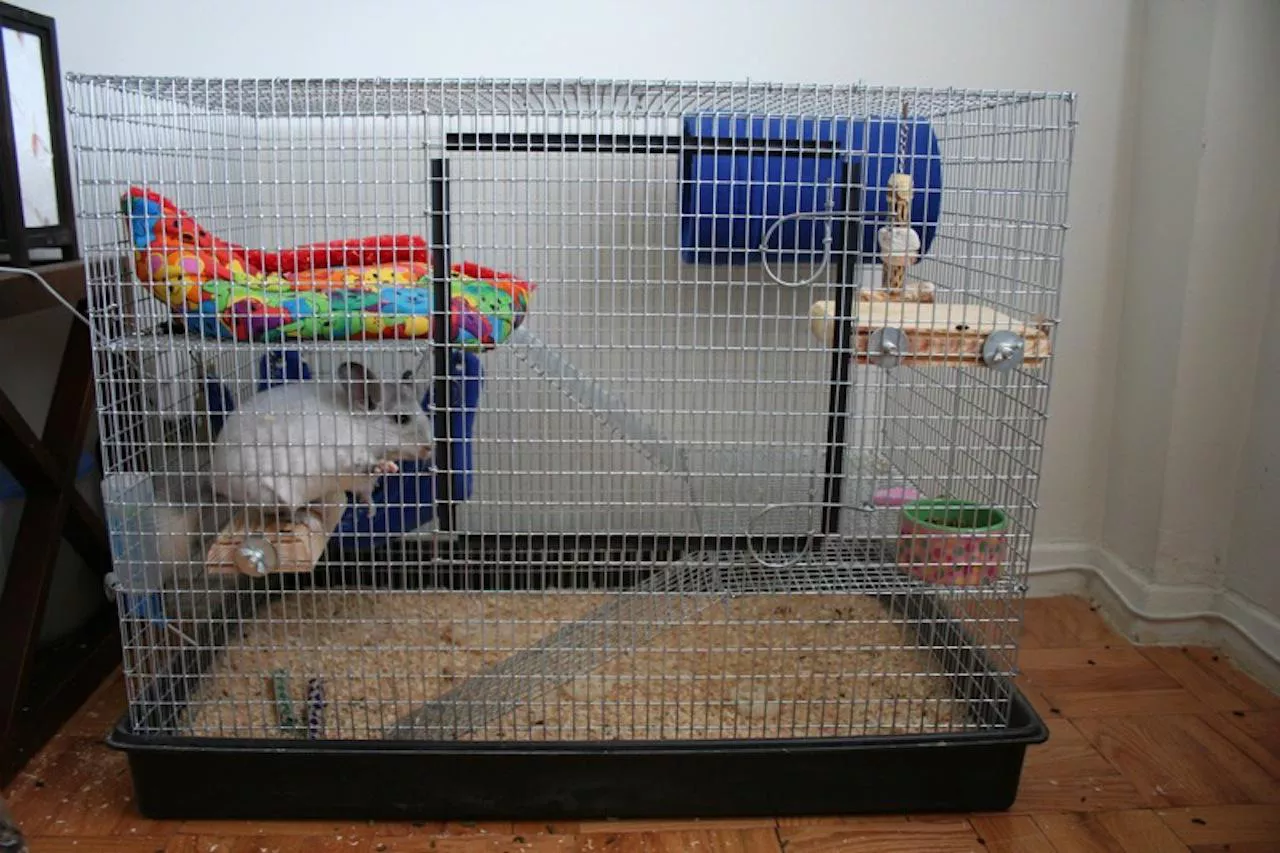
- Chinchilla cages need serious square footage — aim for at least 24 by 24 inches of floor space, and go taller whenever you can.
- Wire cages are the way to go because your little nibbler will turn plastic into a snack in no time.
- Keep things cool! Those gorgeous thick coats make chinchillas prone to overheating, so keep temperatures under 77°F (25°C) and out of direct sunlight.
- Line the tray with aspen shavings (skip cedar — it's toxic) or newspaper, and consider adding platforms or a solid floor to protect those delicate feet.
- Pop the cage somewhere quiet and draft-free where your fluffy buddy can feel safe and cozy.
Finding the Perfect Chinchilla Cages
Let's talk about space. When it comes to chinchilla cages, bigger really is better. These little adventurers love to jump, climb, and explore every inch of their home. Cramped quarters? Definitely not for them.
So here's the minimum: about 24 by 24 inches of floor space. But honestly? Go bigger if you can swing it. A tall cage with multiple shelves, ladders, and platforms gives your chinchilla plenty of room to satisfy that curious nature of theirs. They'll thank you for it with all sorts of adorable zoomies and binkies.
Now, material matters. Wire is the winner here. Chinchillas have teeth that never stop growing and an instinct to gnaw on absolutely everything. Plastic cages? Those will be destroyed faster than you can say "chew toy." Skip plastic accessories too — it's just not worth the hassle or the potential vet bills.
For the base, line the tray with wood shavings. Aspen is a fantastic choice. Cedar is a hard no — those oils can seriously irritate your chinchilla's sensitive respiratory system. Pine works in a pinch, but aspen is the safest bet. Some owners love using newspaper, and that's totally fine. Just steer clear of cedar, always.
Here's something many people overlook: wire floors make cleaning easier, but they can be tough on delicate little feet. If your cage has a wire bottom, cover it with solid wood or add some cozy wooden platforms. Your chinchilla will appreciate having a comfy spot to rest those tiny paws. And don't forget a wooden nest box — it's essential for giving them a cozy hideaway where they feel secure.
Setting Up the Location
Where you put the cage is just as important as the cage itself. Chinchillas are crepuscular, which means they're most active at dawn and dusk. During the day, they need a calm spot to chill.
Pick a quiet corner of your home where foot traffic and loud noises won't stress them out. Think about it from their perspective — nobody wants to live in a hallway, right?
Temperature is huge with these little guys. All that dense, gorgeous fur that makes them so cuddly-looking also makes them prone to heatstroke. Keep that room temperature below 77°F (25°C) at all times. No direct sunlight through windows, and definitely no drafty spots.
Summer heat got you worried? Here are some tricks. Pop a shallow pan of ice cubes in the cage — as they melt, things will cool down nicely. Some owners drape a damp towel over part of the cage. Just make sure there's still plenty of airflow so things don't get humid.
One more tip that'll make bonding time better for both of you: set the cage on a table or stand. Chinchillas can feel pretty vulnerable when towering humans loom over them. Having the cage at a comfortable height helps them feel more secure, and it makes feeding and playtime way less stressful for everyone involved.
Keeping Your Chinchilla Hydrated
Fresh water needs to be available at all times. Glass water bottles are ideal because, let's be real, you're dealing with champion chewers here. A plastic bottle won't last long without some serious protection.
If you do go with plastic, wrap it in wire mesh or grab a chew guard made specifically for this purpose.
For food, hopper-style feeders that attach to the outside of the cage are brilliant. They can't be tipped over, and your chinchilla can't do their business in their dinner — perfect, right? If you prefer a bowl, go with a heavy ceramic one that won't tip easily, and give it a daily clean to keep things hygienic.
Fun and Games: Toys for Your Chinchilla
Toys aren't just entertainment — they're essential for your chinchilla's mental and dental health. Those constantly growing teeth need plenty to gnaw on.
Untreated wood blocks and pesticide-free branches from safe trees like apple, pear, or willow are excellent choices. Some wooden parrot toys work well too, as do willow balls and rings made for rabbits.
Whatever toys you pick, avoid anything with small parts or plastic bits that could be swallowed. A pumice block or chinchilla-specific chew block is great for keeping those teeth worn down to a healthy length.
The Exercise Wheel Question
Exercise wheels can be a great addition, but timing matters. Chinchillas introduced to wheels when they're young are way more likely to use them as adults. Got an older rescue who's never seen a wheel? Don't be surprised if they show zero interest — it's just not their thing.
If you do get a wheel, look for one that's at least 15 inches in diameter. Anything smaller will be too cramped and could hurt their backs. It needs a solid running surface and an open side with no crossbars or supports where tiny feet could get caught.
Flying Saucer-style running discs are another option some owners prefer. Skip the classic plastic run-around balls though — the enclosed space and activity can cause your chinchilla to overheat.
Honestly though? Your chinchilla will get the best exercise in a secure, chinchilla-proofed room where they can run free under your supervision. That's enrichment they really thrive on — nothing beats some good old-fashioned floor time!