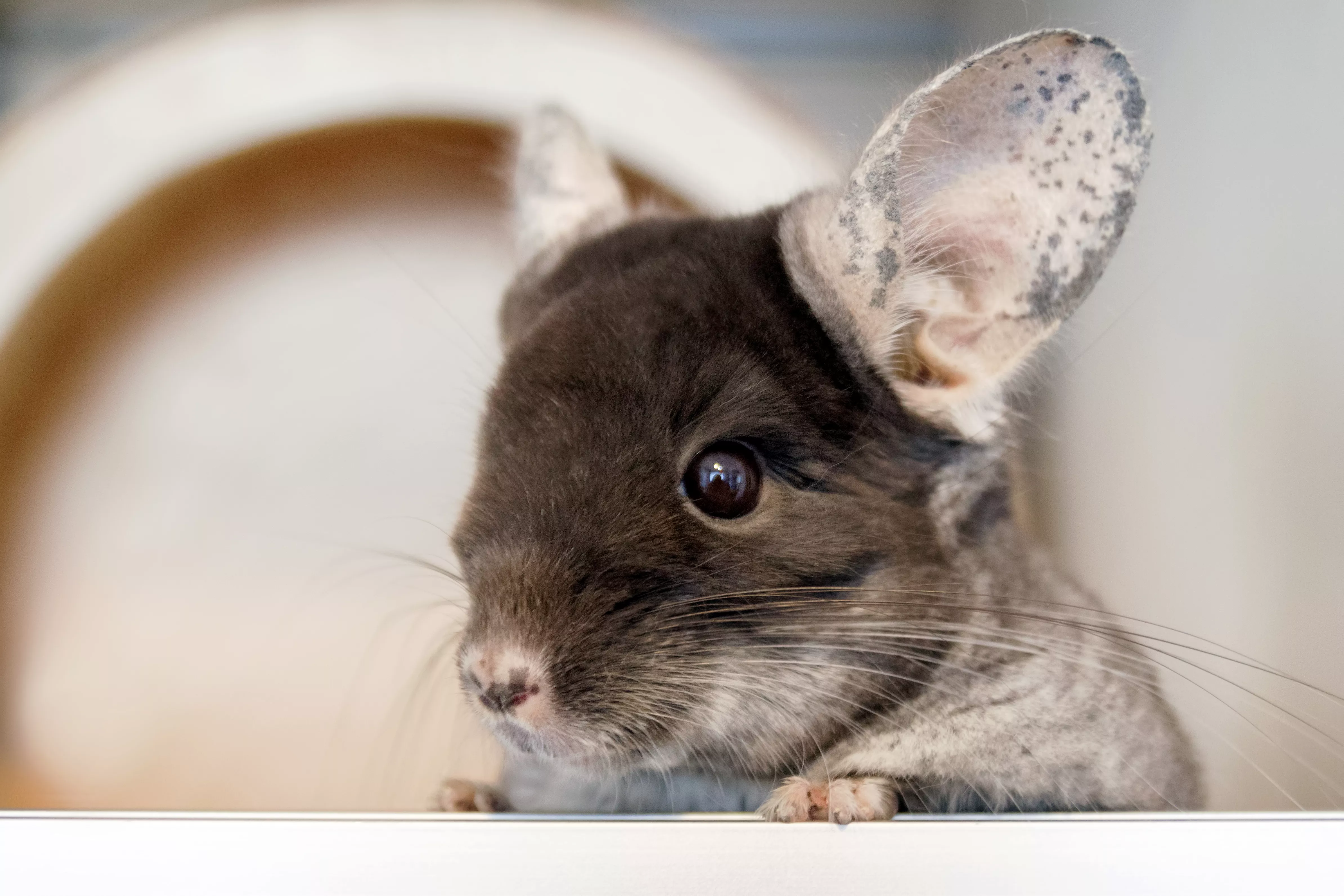
Key Takeaways
- Eye Problems in Chinchillas usually come from infections, injuries, or dental trouble
- Chinchillas hide discomfort well, so daily eye checks make a real difference
- Most issues clear up fast with the right treatment
- A clean cage and safe space go a long way toward keeping those peepers healthy
What Are Eye Problems in Chinchillas?
Chinchillas are adorable, curious, and honestly pretty tough little critters. But even with the best care, you might run into Eye Problems in Chinchillas at some point.
So what causes them? A few different things, actually. Bacterial infections often crop up when the cage isn't as clean as it could be. Fungi can be trouble too, especially in humid environments. Physical injuries are another common culprit — maybe a scratch from roughhousing, something sharp in the enclosure, or just an unlucky moment during their famous zoomies. And here's one that catches a lot of chinchilla parents off guard: overgrown teeth can actually lead to watery eyes in these little guys.
Signs Your Chinchilla Might Have Eye Problems
Here's the thing about chinchillas — they're experts at hiding when something's wrong. It's a survival instinct. In the wild, looking weak makes you a target. So your fluffy buddy might be dealing with more than you realize.
That's why those daily check-ins are so important. Watch for these red flags:
- Watery or thick discharge
- Redness around the eye
- Swelling or the eye looking pushed out
- Squinting or keeping one eye closed
- Cloudiness in the eye itself
- Pawing at the face or rubbing against surfaces
- Eating less or seeming less interested in playtime
When something's amiss, you'll probably notice your chinchilla pawing at its eye or dragging its face along the cage floor. The discharge might be watery or goopy, and the skin around the eye could look red or puffy. Sometimes the eye looks cloudy, or you might even spot a scratch on the surface. Usually, it affects just one eye, but both can be involved too.
What's Actually Causing These Eye Problems?
Most Eye Problems in Chinchillas fall into one of three categories.
Corneal Ulcers
A scratch on the eye's surface can develop into a corneal ulcer. Hay, dust, fur, or tussles with cage mates can all cause these injuries. You'll probably notice squinting, keeping the eye shut, pawing at the area, or face rubbing on the ground.
Eye Infections
Bacteria or fungi can infect one or both eyes, leading to redness, discharge, swelling, and hair loss around the affected eye. The eye might be held shut, and there's often noticeable discomfort. These infections need the right medication — whether antibacterial or antifungal — to clear up properly.
Overgrown Teeth
Here's something that surprises a lot of chinchilla parents: dental issues can directly affect the eyes. Chinchilla teeth never stop growing, and if they get too long, they can actually grow into the nasal-lacrimal duct (that's the tear duct running from the eye down to the nose). When that duct gets blocked, tears have nowhere to go except out of the eye itself. You'll see excessive watery discharge, usually from just one side.
Getting a Diagnosis
Your exotics vet will start by examining your chinchilla thoroughly — that means a close look at those ever-growing teeth and the eyes themselves. Sometimes they'll take a swab of any eye discharge and send it to the lab. This helps them pinpoint exactly what kind of bacteria might be causing trouble, which means they can choose the most effective treatment.
How Eye Problems in Chinchillas Are Treated
Good news: most eye issues respond really well to medication. Surgery is sometimes needed, but it's definitely not the first option.
For corneal ulcers, your vet will likely prescribe a medicated eye ointment. Some of these are antibiotics, while others are specially formulated to help ulcers heal and manage pain. If an ulcer just won't heal, there's a procedure called a grid keratotomy. It's done under anesthesia — the vet makes tiny scratches with a needle to encourage the healthy tissue underneath to surface and heal properly.
Got an eye infection instead? Antibiotic drops or ointments are the standard route. If things don't improve, your vet might run a culture and sensitivity test. This tells them not only what bacteria is causing the problem, but also which antibiotics will actually wipe it out. Seriously game-changing for getting the right treatment.
For dental problems like overgrown teeth or growths affecting the area, surgery is typically the route. Teeth can be extracted, and while some tumors might not be completely removable, there are medications available to manage pain, swelling, and any secondary infections.
What to Expect After Treatment
Once your chinchilla starts treatment, you should see improvement within a few days to a week. Most of these issues resolve beautifully with proper care. Just make sure you finish the entire course of medication, even if things look better before it's done.
Preventing Eye Problems in the First Place
You can't protect against everything, but you can dramatically reduce the odds.
The biggest factor? Keep that cage sparkling clean. Fresh bedding, regular changes, and sweeping out debris daily. Check for anything sharp or rough that could poke those delicate eyes.
Dust is another thing to watch. Give the cage a once-over every day and make sure there's nothing hanging around that could irritate. Regular home health checks matter too — take a good look at those eyes daily so you know what's normal and can spot changes fast.
And hey, if something seems off, don't wait around hoping it improves on its own. Eye Problems in Chinchillas can escalate quickly, and getting vet care promptly makes all the difference. Your little buddy is counting on you to notice when something's not quite right.