Key Takeaways
- Chinchillas have teeth that never stop growing, so they need plenty of hay and safe chew toys to wear them down naturally
- Watch for signs like drooling, eating less, or weight loss — these could mean dental problems
- Your vet might need to trim overgrown teeth using special tools or, in serious cases, put your chinchilla under anesthesia
- Feeding mostly grass hay is the easiest way to keep your pet's teeth healthy at home
Why Your Chinchilla's Teeth Need Attention
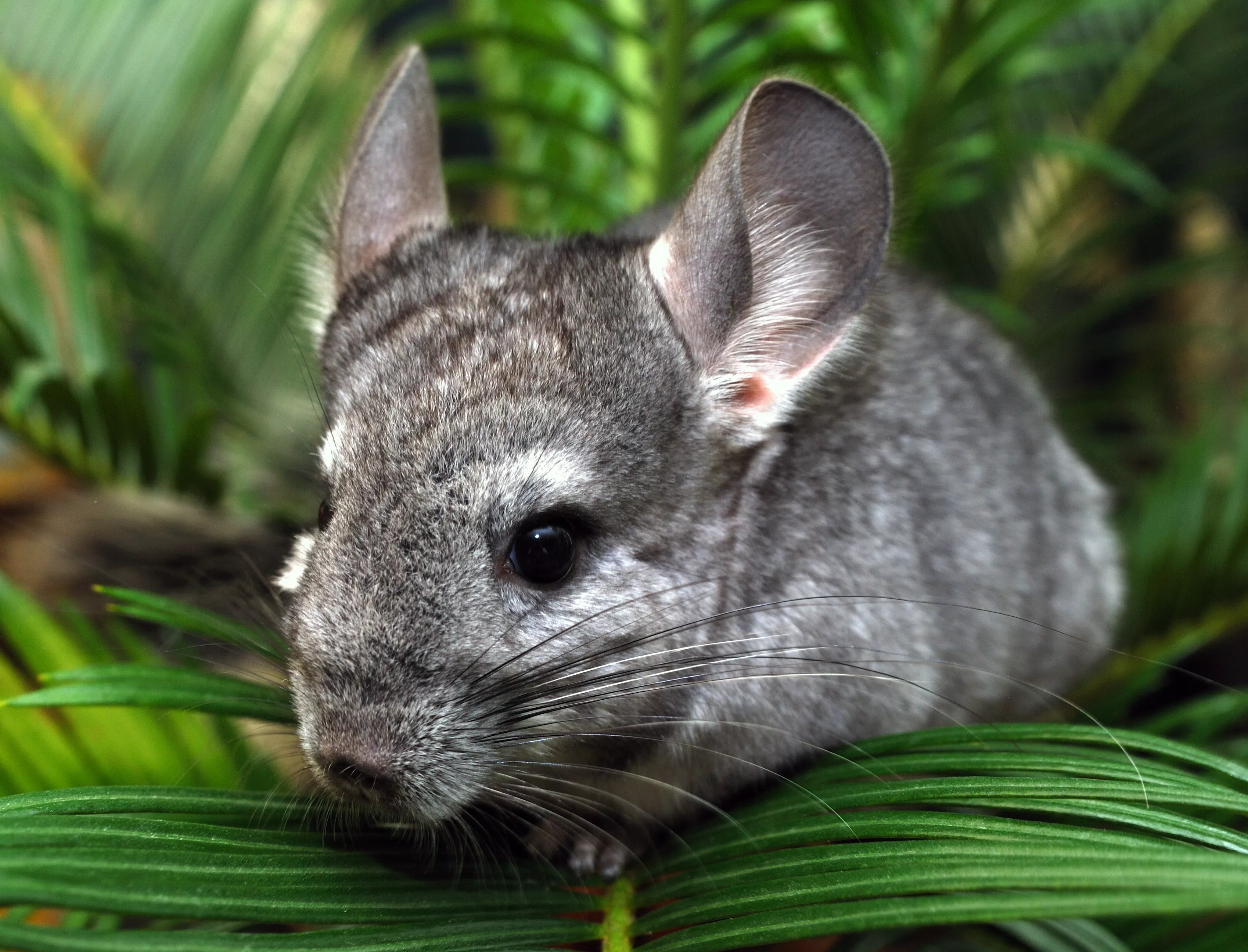
Got a chinchilla? Then you've got a built-in chewing machine. These little fluff balls love to gnaw on everything from their cage bars to their wooden toys. But there's a really important reason behind all that nibbling.
Chinchillas have what's called hypsodont teeth — fancy speak for teeth that grow continuously throughout their entire lives. Rabbits and guinea pigs share this trait. In the wild, these animals spend tons of time chomping down on rough grasses and plants. That constant grinding keeps their teeth worn down to a comfortable length.
When you bring a chinchilla home, that natural dental maintenance stops. Now it's on you to mimic what happens in nature. Your fuzzy friend can't file their own teeth at home — they need your help.
Without proper care, teeth can grow too long. This leads to pain, trouble eating, and potentially serious health problems. Nobody wants that. The good news is keeping your chinchilla's teeth in check is actually pretty simple once you know what to do.
Spotting Dental Problems Early
Your chinchilla's front teeth — called incisors — are easy to peek at. Take a quick look every now and then. Healthy incisors should be straight and meet evenly. If they're getting too long, you'll see them start to curve or stick out between the lips. In bad cases, they can actually grow into the gums or up into the roof of the mouth. Ouch.
The back teeth — molars — are much harder to see without special equipment. You won't be able to check these yourself at home. That's why it's so important to watch for other warning signs:
- Drooling or wet fur around the chin
- Struggling to chew, or dropping food
- Eating noticeably less
- Losing weight
These symptoms don't always mean dental issues, but they're worth paying attention to. If you notice any of them, it's time to book an appointment with an exotic vet who can properly examine your chinchilla's mouth. They have the tools and training to see those hidden molars.
The Magic of Hay
Here's the single best thing you can do for your chinchilla's teeth: feed them lots and lots of hay. Quality grass hay should make up the bulk of their diet — we're talking 75% or more. Timothy hay, orchard grass, and meadow hay are all great options.
Think of hay as nature's toothbrush and emery board combined. That rough, fibrous texture requires serious chewing, which grinds down those ever-growing teeth. It's like a free dental appointment that happens three times a day.
The more hay your chinchilla eats, the better. They should always have some available. If your chinchilla isn't enthusiastic about hay, try offering different types until you find their favorite.
Along with hay, safe chew toys give those teeth extra workout. Apple wood sticks, pumice stone chews, and volcanic rock toys all work well. Just make sure anything you give them is specifically made for small pets and doesn't have small parts that could break off and get swallowed.
What Happens at the Vet
Sometimes teeth still need professional help, even when you're doing everything right. When that happens, your exotic vet has a few ways to help.
For overgrown incisors, many vets use a small handheld rotary tool — kind of like a tiny Dremel with a special disc. They carefully trim off the excess length. This goes quickly and causes minimal discomfort when done by an experienced vet. Usually, the chinchilla gets a light sedative to keep them calm and still during the procedure.
Some vets prefer using specialized dental instruments instead — files and trimmers made just for small exotic animals.
When molar problems are involved, things get more complex. The vet might recommend full anesthesia. This lets them get a complete look at the back of the mouth and fix everything in one visit. Anesthesia always carries some risk, especially for small pets, but it allows for thorough work without causing stress to your chinchilla.
When Extraction Becomes Necessary
In severe cases, some teeth can't be saved. Infection, severe misalignment, or roots that have grown wrong might mean a tooth needs to come out. This is typically a last resort after other treatments haven't worked.
Extractions are done under anesthesia so your chinchilla doesn't feel any pain. Recovery usually involves soft foods for a few days and maybe some pain medication. Your vet will give you detailed instructions for home care.
The takeaway? Regular check-ups catch problems early. The sooner you know about an issue, the easier it is to treat.
Keeping your chinchilla's teeth healthy comes down to three things: unlimited hay, safe chew toys, and knowing what warning signs to watch for. Do those three things, and you're giving your little friend the best chance at a lifetime of comfortable chewing.