Key Takeaways
- Chinchillas need regular dust baths with store‑bought chinchilla dust to keep their fur clean, healthy, and oil‑free.
- Offer the bath 2–3 times a week for 10–15 minutes; over‑bathing can dry out their skin.
- Use a deep, tip‑resistant container and expect some dust to scatter around the room.
- Always remove waste from the dust before reusing it, and store the remaining dust in a dry place.
- Adjust the schedule if you notice oily fur, damp patches, or dry, flaky skin—humid weather may call for more frequent baths.
Why Chinchillas Need Dust Baths
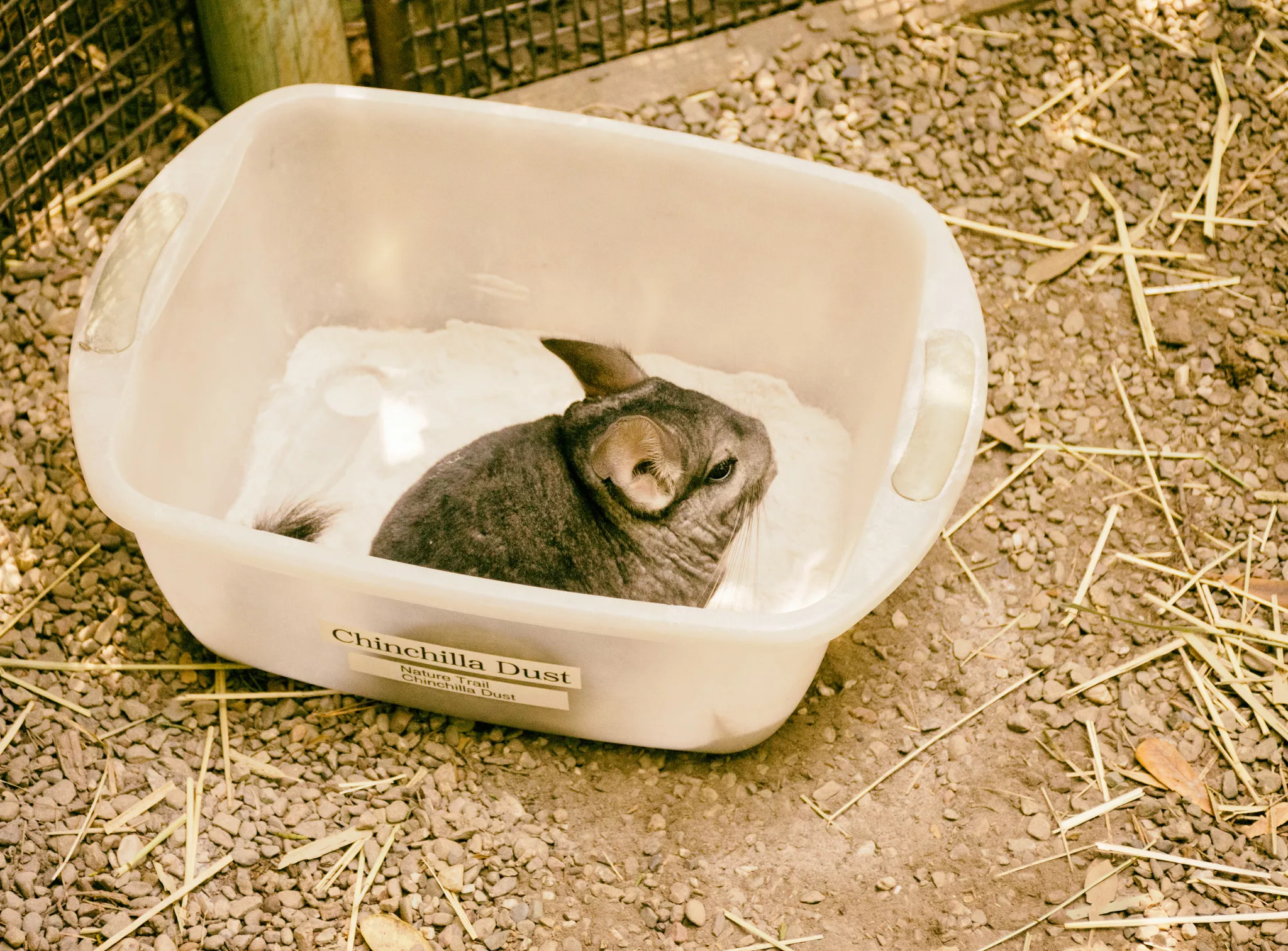
Chinchillas come from the Andes mountains, where volcanic ash and fine pumice dust are everywhere. In the wild, they roll and flip in these fine particles to soak up oils, remove dirt, and shake off parasites. Domestic chinchillas still have that instinct. Providing a proper Chinchilla Dust Bath lets your little friend stay clean, comfortable, and happy.
Think of it as a mini spa session. You'll often see chinchillas doing happy flips, squeaks, and what I call "dust‑dancing." Those adorable antics mean they're enjoying the ritual. Keeping their coat in top shape also helps prevent skin irritations and fur matting, which nobody wants for their furry pal.
What Is a Dust Bath?
A dust bath is simply a container filled with very fine, dry powder that mimics the volcanic ash chinchillas use naturally. When your pet rolls through the dust, those tiny particles penetrate the fur down to the skin, absorbing excess oils and lifting away debris. The rolling motion also loosens any loose fur or parasites, which then fall out of the coat.
Not only does this keep the fur sleek and fluffy, but it provides mental stimulation too. It's a little workout and a relaxing ritual all rolled into one.
Choosing the Right Dust
Always reach for store‑bought chinchilla dust rather than sandbox sand, beach sand, or any generic powder. Here's why: the dust is specially milled to the correct particle size. It's fine enough to get under the fur but not so fine that it irritates the lungs. Plus, it mimics the volcanic pumice of their natural habitat.
Check the label for "100% chinchilla dust" or "chinchilla bathing dust" if you're ever unsure. Avoid anything with added fragrances, talc, or moisture‑absorbing chemicals. Those can irritate your pet's skin, and nobody wants that.
When you pour the dust into the bath container, aim for at least two inches of depth. That gives your chinchilla enough material to roll, flip, and really work the dust into its coat.
Setting Up the Perfect Bathtub
Container Criteria
- Heavy and tip‑resistant: Skip the light plastic dish that flips over the moment your chinchilla starts rolling. A heavy ceramic bowl, a glass fish tank (without water), or a sturdy plastic dust house works best.
- Slightly larger than your chinchilla: Your pet needs room to stretch out and roll. A container about one‑and‑a‑half times the length of your chinchilla is ideal.
- Enclosed options cut down on mess: Some owners swear by a covered dust house with a small opening. The cover traps most of the dust, though a fine layer will still settle on nearby surfaces after the bath.
Managing the Mess
Let's be honest: Chinchilla Dust Baths are a bit messy. Your pet will shake, groom, and fling dust everywhere, leaving a fine coating on the surrounding area. That's perfectly normal and just part of the joy of owning a chinchilla. A few tips to keep cleanup manageable:
- Place the bath on a washable mat or a tray with raised edges.
- After the session, gently sweep or vacuum the area with a soft brush attachment.
- Keep a small hand‑held duster handy for quick tidy‑ups.
How Often Should You Offer a Dust Bath?
General Schedule
- 2–3 times a week is the sweet spot for most chinchillas. Each session should last 10–15 minutes.
- Evening is best because chinchillas are most active at dawn and dusk. Offering the bath when they're naturally energetic encourages a thorough roll.
When to Adjust
- Humid weather or a greasy coat: If the fur looks oily or feels damp, bump the frequency up to three or four times a week.
- Dry, flaky skin or excessive itching: Cut back to once a week or shorten the bath time. You can also sprinkle a thinner layer of dust to reduce drying effects.
- Daily baths (optional): Some owners spoil their pets with a daily dust session. As long as the skin stays healthy and you don't notice itching, it's fine—just be prepared for extra cleanup.
Signs Your Chinchilla Might Need a Bath
- Fur that looks clumped or greasy.
- A strong, "musky" odor (which can indicate excess oil buildup).
- Visible dust or debris caught near the base of the ears or on the belly.
Spot any of these? Time for a dust bath soon.
Adjusting the Schedule for Weather
Chinchillas are sensitive to humidity. In summer months or in a particularly damp room, moisture can make their coat more prone to fungus or matting. Offering slightly more frequent dust baths during these periods helps keep the fur dry and airy. Conversely, in dry winter air, dial back the baths to avoid over‑drying the skin.
Keeping the Dust Clean and Reusable
Good news: dust can be reused for a while. After each session, sift out any droppings, fur clumps, or debris. Here's how:
- Sift the dust through a fine mesh strainer.
- Discard any contaminated portions.
- Store the cleaned dust in an airtight container in a cool, dry spot.
Replace the dust entirely after a few weeks or when it starts to look discolored or clumps together. Fresh dust ensures your chinchilla gets the full benefit of the bathing ritual.