Key Takeaways
Chinese hamsters are small, quiet pets that are relatively low-maintenance, making them great for beginners.
They need a spacious cage with proper bedding, a balanced diet, and regular gentle handling from a young age to become comfortable with you.
Watch out for health issues like wet tail and overgrown teeth, and always keep their enclosure clean.
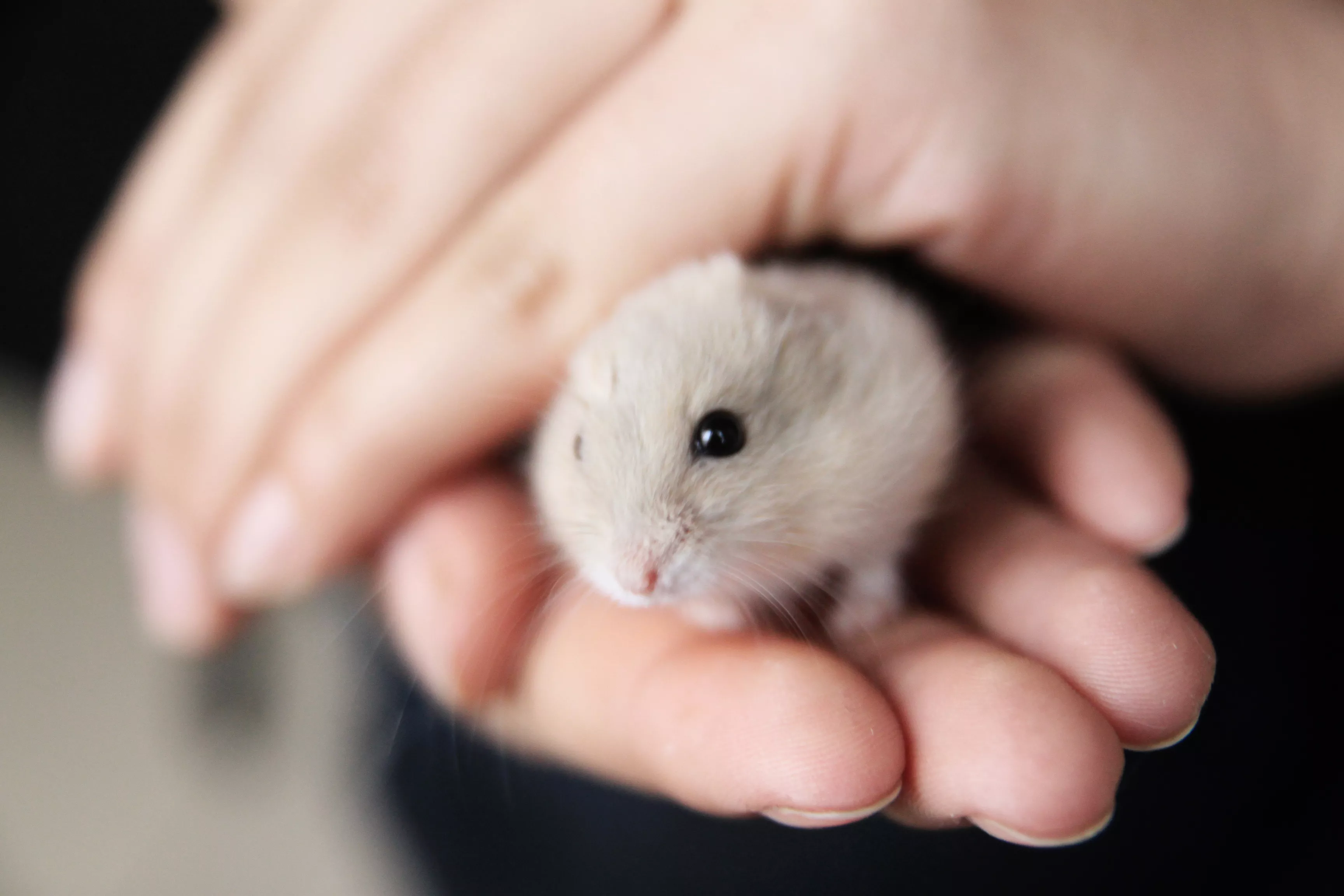
Chinese hamsters—sometimes called Chinese striped hamsters or Chinese dwarf hamsters—are tiny rodents originally from the deserts of China and Mongolia. Now, here's a fun fact: they're not actually dwarf hamsters at all! They just got that nickname because they're so much smaller than other popular pet hamsters, like the Syrian variety. These little guys usually have brown fur with a black stripe down their back and a lighter-colored belly. One thing that makes them stand out from other hamsters? They've got a longer tail than you'd expect.
As pets, Chinese hamsters are pretty straightforward to care for. They're generally calm, docile creatures that can be easy to tame if you put in the time with them early on. Some might be a bit jumpy or nippy, especially if they're not used to being handled, but that's totally normal. Plus, they don't need a huge cage, and you can find everything they need to eat at most pet stores. Pretty convenient, right?
Species Overview
Common Name: Chinese hamster, Chinese striped hamster, Chinese dwarf hamster
Scientific Name: Cricetus griseus
Adult Size: 3 to 5 inches long, weighing 1 to 2 ounces
Lifespan: 2 to 3 years
Chinese Hamster Behavior and Temperament
These little guys are nocturnal, which means they sleep during the day and come alive at night. That said, you might catch them waking up for a short snack or stretch during daylight hours. Just try not to wake them up if they're snoozing—nobody likes being disturbed when they're tired, and your hamster might get grouchy and give you a nip!
When it comes to being held, Chinese hamsters are usually pretty good-natured, especially if you've been gently handling them since they were young. But if they're not used to human interaction, they can get nervous and defensive. And because they're so tiny and quick, handling them requires some care. Always sit on the floor when you're holding your hamster—accidentally dropping them from even a short height could cause serious injury.
Here's something to keep in mind: your Chinese hamster won't form the same bond with you that a dog or cat would. But once they feel comfortable around you, they might come to the side of their cage when you're nearby. Pretty sweet!
Chinese hamsters can live happily alone or with other hamsters of the same sex. Just know that housing them together sometimes leads to territorial spats. If you want to keep multiple hamsters together, try getting littermates who can grow up side by side. That way, they'll be used to each other from the start. And whatever you do, keep them away from any other pets in your home—these little guys are fragile, and bigger animals could accidentally hurt them.
One thing to consider: these hamsters are generally quiet and low-maintenance, but they might keep you up at night with their running wheel adventures if you keep their cage in your bedroom. Plan to spend a few hours each week on feeding and cleaning, and let your hamster out to explore in a safe area (like a hamster ball) for at least a couple of hours each day—evening is usually best since that's when they naturally wake up.
Size Information
Chinese hamsters typically grow to be about 3 to 5 inches long and weigh just 1 to 2 ounces. They reach their full adult size by around 2 months old.
Housing
Even though these hamsters are tiny, they still need plenty of room to run, play, and explore. The cage is basically their entire world, so getting the size right really matters for their health and happiness. Aim for something that's at least 2 feet long, 1 foot wide, and 1 foot high.
You've got a couple of popular options here. You can go with a cage that has a plastic base and wire top, or use a glass or plastic aquarium. Wire cages give better airflow, which is nice, but you've got to check that the bar spacing is tight enough so your little escape artist can't squeeze through.
Inside the cage, make sure to include a cozy nest or hideout where your hamster can retreat and feel safe. You can find these at most pet stores, and your hamster will definitely appreciate having a little spot to call their own. A solid-surface hamster wheel is a must-have too—it's great for exercise and keeps them entertained. Adding tubes, tunnels, and bridges gives them even more enrichment and places to explore.
Oh, and don't forget chew toys! Wooden chew sticks or other hamster-safe chew toys are essential because their teeth never stop growing. Chewing helps wear those teeth down naturally.
Cleaning is important too. Plan to do a full clean of the enclosure at least once a week—replace all the bedding and scrub the surfaces with mild soap and water. Here's a handy tip: hamsters tend to pick one corner of their cage as their bathroom. Scoop out and change the bedding in that spot every single day to keep things sanitary and smelling fresh.
Specific Substrate Needs
Add about 1 to 2 inches of bedding to the bottom of the cage. Aspen shavings or paper-based bedding works well. Avoid cedar chips or similar materials—these can cause skin irritation, hair loss, and even bacterial infections in hamsters. It's just not worth the risk to your little buddy's health.
What Do Chinese Hamsters Eat & Drink?
In the wild, these hamsters eat all sorts of good stuff: seeds, grains, nuts, plants, and even the occasional insect. In captivity, you can give them a commercial hamster food that already has vitamins and minerals built in. Just follow the package directions for portion sizes. Most people put a day's worth of food in a small ceramic dish whenever it's convenient—hamsters like to graze throughout the day and night anyway, rather than eating big meals all at once.
To round out their diet, you can offer some grains, fresh fruits and vegetables, and timothy hay. Put these extras in a separate dish from their main food so you can keep track of how much they're getting. Just remember: supplemental foods should make up no more than 10% of their overall diet. Good options include small pieces of apple, carrot, or oats.
Timing matters with fresh foods. Try to give these treats when your hamster is naturally awake, which is usually in the evening. That way, they can munch on them before the food has a chance to spoil. And always remove any uneaten fresh food promptly.