Key Takeaways
- Your dwarf hamster needs at least 450 square inches of floor space to stay healthy and happy.
- Wire hamster cages offer the best ventilation, but aquariums keep drafts out better.
- Choose a cage with bar spacing no wider than 1/4 inch to keep your little one safely inside.
So you're on the hunt for a dwarf hamster cage — exciting! Your tiny friend might be small, but they've got big needs when it comes to their home. Getting the right setup from the start makes everything easier, from cleaning to keeping your hamster entertained.
Finding the Right Cage Style
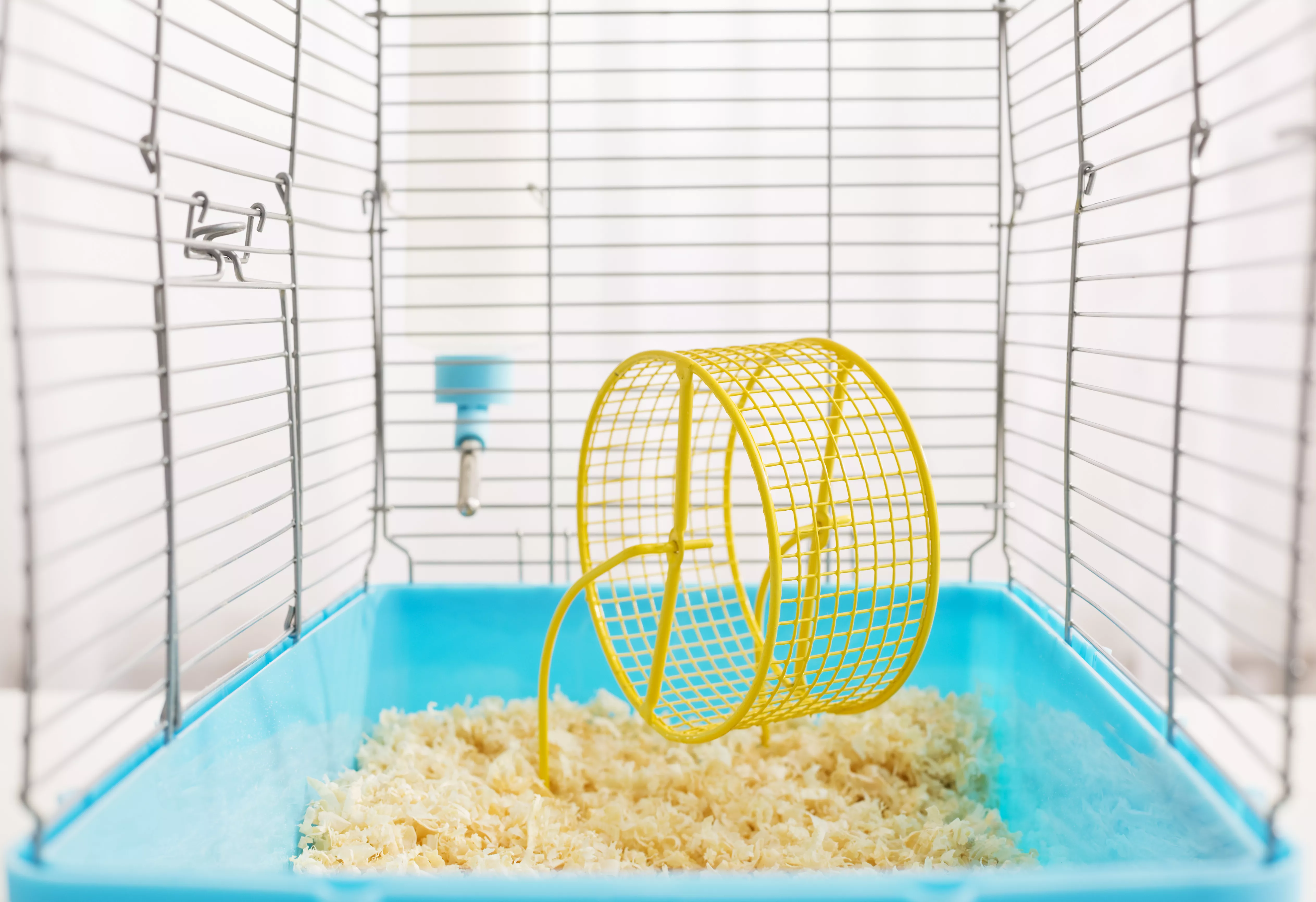
You've got three main options: a wire hamster cage (usually with a plastic base), a plastic modular cage with all those tubes and tunnels, or an aquarium hamster cage with a secure mesh lid. Each one works, but they each have their own personality, so to speak.
The good news? All three can work for your dwarf hamster habitat as long as you pay attention to a few key details.
Keeping Things Clean (Yes, It Matters!)
Let's be real — cleaning the cage isn't exactly the highlight of your week. That's why picking a cage that's easy to maintain actually makes you a better hamster parent. A wire hamster cage with a plastic tray is the simplest to clean. Just lift the top, dump the old bedding, wipe down the base, and you're done.
Plastic modular cages with multiple compartments and connecting tubes? Those can become a real cleaning nightmare. Aquariums aren't difficult, but they can be heavy and awkward to maneuver when you're trying to scrub every corner.
Why Ventilation Matters
A wire hamster cage wins hands down when it comes to airflow. All those open bars mean fresh air moving through constantly — your hamster's respiratory system will thank you.
But here's the trade-off: that openness means you need to keep the cage away from cold drafts and direct sunlight. Plastic modular cages and aquariums actually protect better against drafts since they're more enclosed. Just watch out — those tube systems can trap moisture and stale air, which isn't great for your hamster's health.
The Space Question
This is huge. Despite being called "dwarf," these little furballs need serious room to run, dig, and explore. Many cages sold at pet stores don't cut it.
For a proper dwarf hamster habitat, aim for at least 450 square inches of floor space. That's about 25 inches by 18 inches when you're measuring the actual bottom of the cage. Bigger is always better here — if you can go larger, your hamster will thank you for it.
Safety First
Bar spacing matters more than you might think. Your dwarf hamster can squeeze through gaps that look small to you, so keep spacing to 1/4 inch or less. This can be tricky to find in wire cages that are actually large enough — so check before you buy.
Also, give those doors a good look. Hamsters are surprisingly clever when it comes to finding ways out. If your cage has multiple levels or tubes, make sure there aren't any dangerous drop-offs where your hamster could fall and get hurt.
Chewing: A Real Consideration
Hamsters love to chew — it's just in their nature. With plastic cages, examine every surface for exposed edges or ridges where your hamster could start gnawing. If they get a foothold, escape is almost inevitable.
Wire cages? Most hamsters can't chew through the bars, but some become obsessed with it. If your hamster starts bar-chewing, you'll need to address it. Aquariums have a real advantage here — there's simply nothing for them to chew through.
The Running Wheel
Your dwarf hamster needs a wheel. It's non-negotiable for their physical and mental health. Choose one that's solid-surfaced with no crossbars where little feet could get caught. Size matters too — if the wheel's too small, your hamster will arch their back uncomfortably while running.
Run-about balls are great for exercise outside the cage too, just make sure you supervise.
Deep Bedding Is Essential
No matter which style of cage you choose, your hamster needs deep bedding for burrowing. It's a fundamental behavior for them. For wire hamster cages, look for a deep tray that holds plenty of bedding. This keeps your hamster happy with their burrowing instincts while also preventing them from kicking half their bedding out onto your floor.
Your Dwarf Hamster Deserves the Best
Choosing the right dwarf hamster cage takes a bit of effort, but it's so worth it. When your tiny friend has proper space, good airflow, safe construction, and room to burrow, they're set up for a happy, healthy life. And honestly? A well-chosen cage makes your life easier too — easier to clean, easier to maintain, and easier to enjoy watching your little one thrive.