Key Takeaways
- Hedgehogs are solitary, nocturnal, and protect themselves with sharp quills when they feel threatened.
- Whether a hedgehog can get along with other pets hinges on each animal’s personality and willingness to respect boundaries.
- Always supervise the first meetings and let the hedgehog set the pace; sudden movements or too much curiosity can lead to stress.
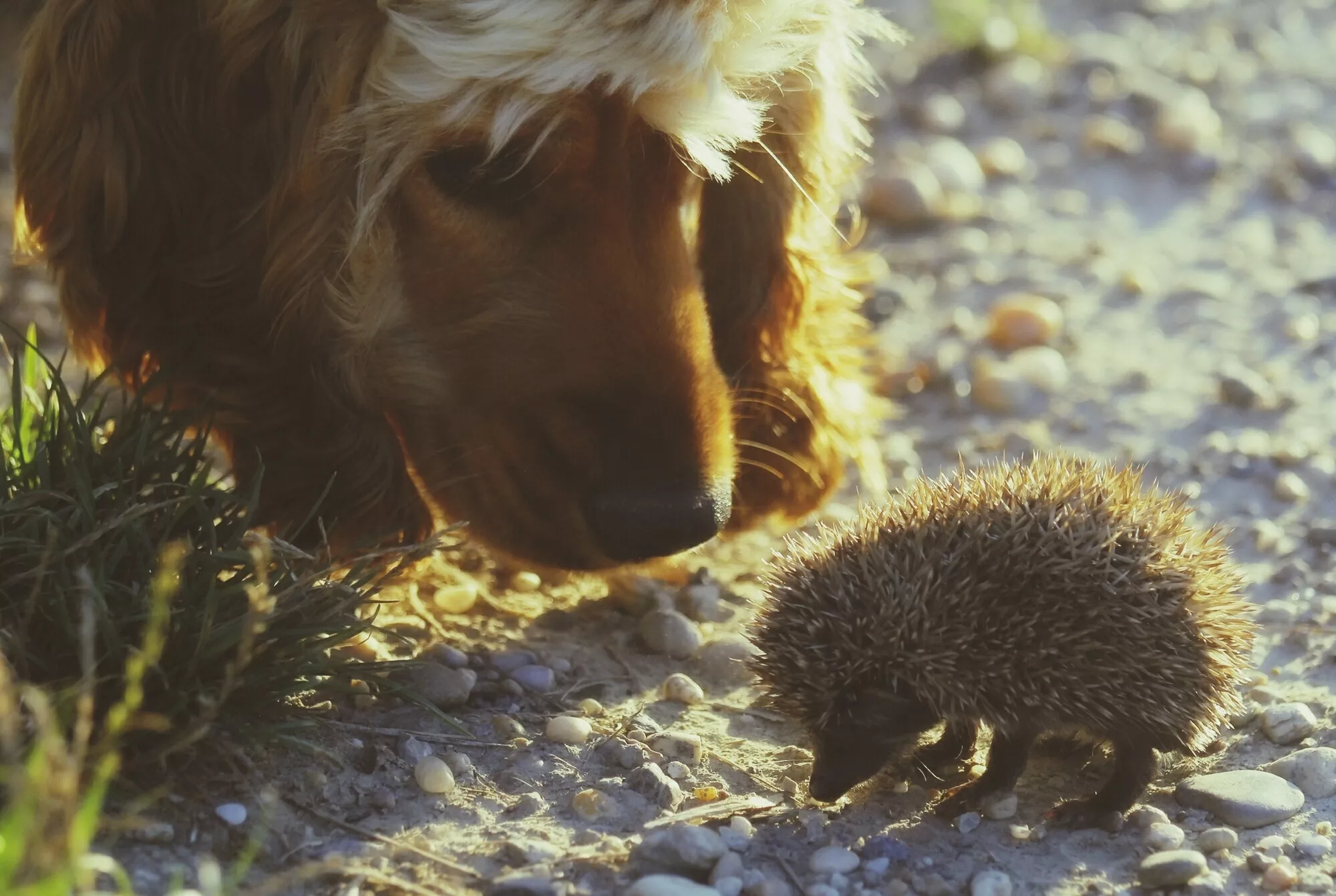
- Hedgehogs can coexist peacefully with other hedgehogs, cats, dogs, and many small pets if introductions are gradual and the environment is safe.
- Watch for stress signals (like fear‑pottying) and pull back the interaction if either pet seems uneasy.
Understanding Hedgehog Temperament
Hedgehogs have a few quirks that set them apart from the usual furry friends. They’re nocturnal, so they’ll be snoozing while you’re up and about, then zooming around the cage at night when the house is quiet. That schedule means you’ll need to be patient when you first bring them home—they may not be eager to socialise straight away.
When they feel cornered, hedgehogs curl into a spiky ball and twitch, sending a clear “stay back” signal. Those quills aren’t just decorative; they’re a genuine defense system. Because of this, a calm, respectful approach from any other pet is essential. If a dog or cat learns to give the hedgehog space, the two can share a home without drama.
Do Hedgehogs Get Along With Other Pets?
The short answer is yes—but it’s all about personalities and supervision. A hedgehog that’s been handled gently from day one will be more confident, making it easier for other pets to accept them. On the flip side, a hyper‑active dog or a cat that loves to pounce may unintentionally stress a hedgehog, leading to defensive quill‑pricks or fear‑based accidents.
The key is to match temperaments. A laid‑back cat that prefers lounging to hunting will likely give a hedgehog the distance it needs. A large, boisterous dog that sees everything as a game might need extra training before meeting the hedgehog. And, of course, the hedgehog’s own comfort level matters most—if it’s constantly curling up, it’s telling you it’s not ready for a close encounter.
How to Introduce Your Hedgehog to Other Pets
Safety always comes first. Before you even think about introductions, make sure your hedgehog is comfortable with you. When you can securely hold your hedgehog /hedgehog-spikes in your arms, you’ll have a safe “anchor” if things get a little tense.
- Start slow – Let the hedgehog explore a quiet room while the other pet is on a leash or in another area. This lets each animal get used to the scent and sounds of the other without direct contact.
- Keep the first meeting brief – A few minutes is enough. Watch for signs of curiosity ( sniffing, light pawing ) rather than aggression. If the dog or cat gets too enthusiastic, step in and give the hedgehog a break.
- Reward calm behavior – Treats and praise for both pets when they stay relaxed reinforces good manners. A quick “poke” from a hedgehog’s quills usually teaches a curious cat or dog to back off, but never force an interaction.
- Observe stress signals – If the hedgehog starts pooping or peeing in fear, or if the other pet is panting, growling, or trying to paw at the cage, stop the session. Try again another day, after a bit more separate acclimation.
Remember, hedgehogs are naturally solitary; they may never become best friends with another animal, but they can learn to tolerate each other if introductions are done with patience.
Special Cases: Hedgehogs With Other Hedgehogs, Cats, Dogs, and Small Pets
Hedgehogs and Hedgehogs
Two hedgehogs can actually get along quite well, provided you introduce them gradually. Start by placing their cages side‑by‑side so they can hear and smell each other. After a week or so, let them meet in a neutral space while you supervise. If they start to “ball up” or show signs of aggression, separate them immediately and try again later. Most hedgehogs will eventually accept a roommate, though some may always prefer their own company.
Hedgehogs and Cats
Cats are often quick to respect the spiky armor of a hedgehog. A polite sniff usually ends with the cat stepping back after a mild quill poke. The key is to give the hedgehog a safe zone—a cage with a solid floor and a hideout—where the cat can’t reach in. Over time, many cats lose interest and simply ignore the hedgehog, especially if they’ve learned that the quills are not fun to touch.
Hedgehogs and Dogs
Dogs vary widely in their reaction. Small, gentle breeds or those that have been trained to be calm around small animals often do fine. Large, high‑energy, or prey‑driven dogs can be a problem; they might see the hedgehog as a toy or a threat. Use a leash and a calm voice during introductions, and keep the dog on a short lead until you’re confident they’ll give the hedgehog space. Positive reinforcement—rewarding the dog for calm behavior—helps a lot.
Hedgehogs and Other Small Pets
Rabbits, guinea pigs, and birds typically don’t bother hedgehogs. The main concern is stress for the hedgehog; if the little guy starts pooping in fear whenever a rabbit hops by, limit their direct contact. As long as each pet has its own secure enclosure, sharing a room is usually safe. Always monitor the first few encounters and give the hedgehog a hiding spot where it can retreat if needed.
By respecting each animal’s boundaries, keeping introductions low‑stress, and staying watchful, you can create a harmonious household where hedgehogs and other pets coexist comfortably. The process takes time, but the payoff—a peaceful home with happy, healthy pets—is worth the patience.