Budgie birds are one of the most popular pets worldwide, following only dogs and cats. These affectionate and cute birds are small and affordable. When trained properly, budgies can even mimic human speech. Although the origin of their formal name, budgerigar, remains a mystery, they are undeniably a delightful companion for pet owners.
Budgies do require commitment, so before bringing one home, ensure you're fully prepared. Here are some important facts about budgie birds.
Tip Veterinarians recommend a budgie diet that includes pellets and fresh fruits and vegetables including leafy greens. Don't feed them harmful foods, such as sugary foods, salty foods, caffeine, chocolate, avocado, or alcohol.
Tip
Veterinarians recommend a budgie diet that includes pellets and fresh fruits and vegetables including leafy greens. Don't feed them harmful foods, such as sugary foods, salty foods, caffeine, chocolate, avocado, or alcohol.
All Budgies Are Parakeets, But Not All Parakeets Are Budgies
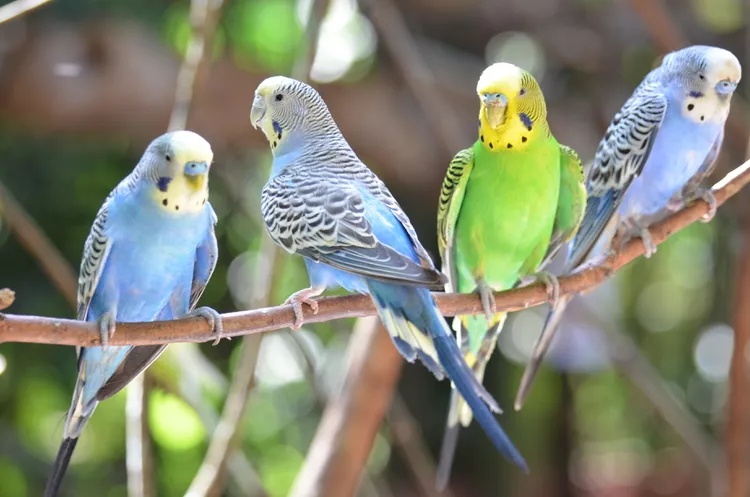
Many people refer to budgies by their full name, budgerigars, or simply call them parakeets. While all budgies are parakeets, not all parakeets are budgies because parakeets vary widely in color, shape, and size.
Some parakeets, like the Indian ringneck parakeet, can grow to 16 inches long, much larger than budgies. Given these differences, it's more precise to use the specific term "budgie.
They're One of the Smallest True Parrot Species
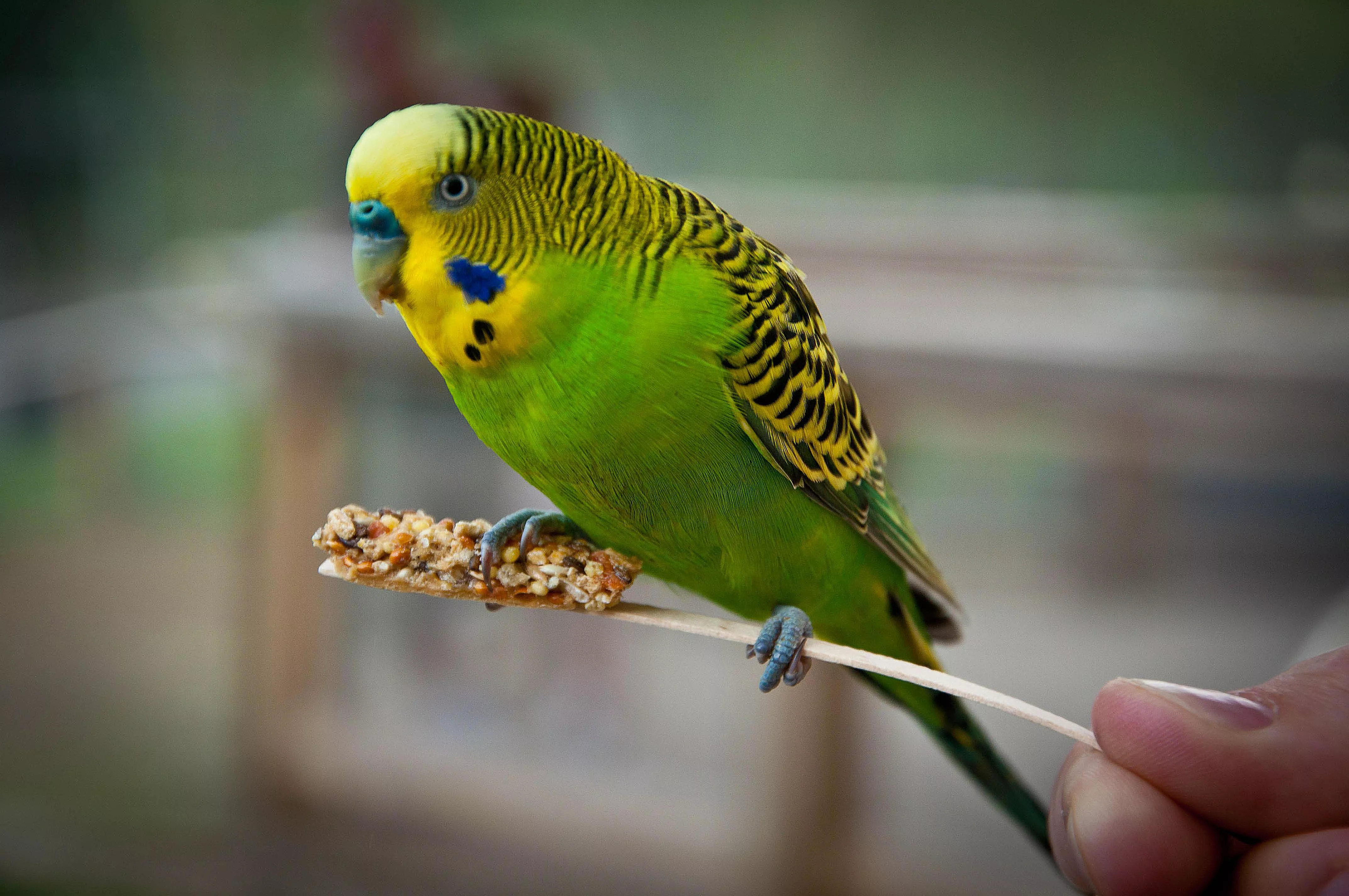
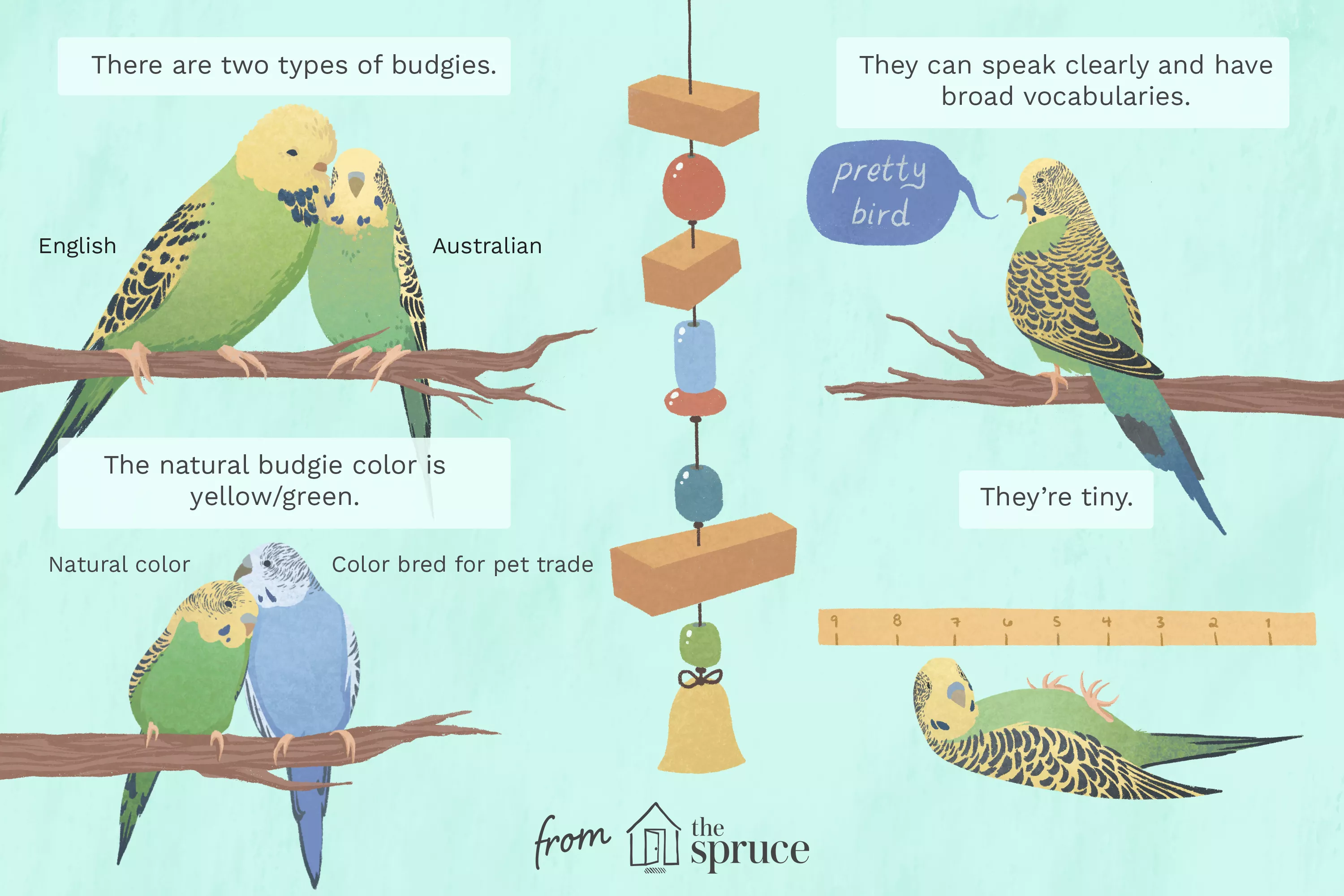
They're not the smallest parrots―that distinction belongs to the parrotlet―but budgies are quite tiny. Most budgies in captivity average between 7 or 8 inches from the beak to the tip of the tail. Wild budgies in their native habitat of Australia are even smaller.
There Are Two Different Types
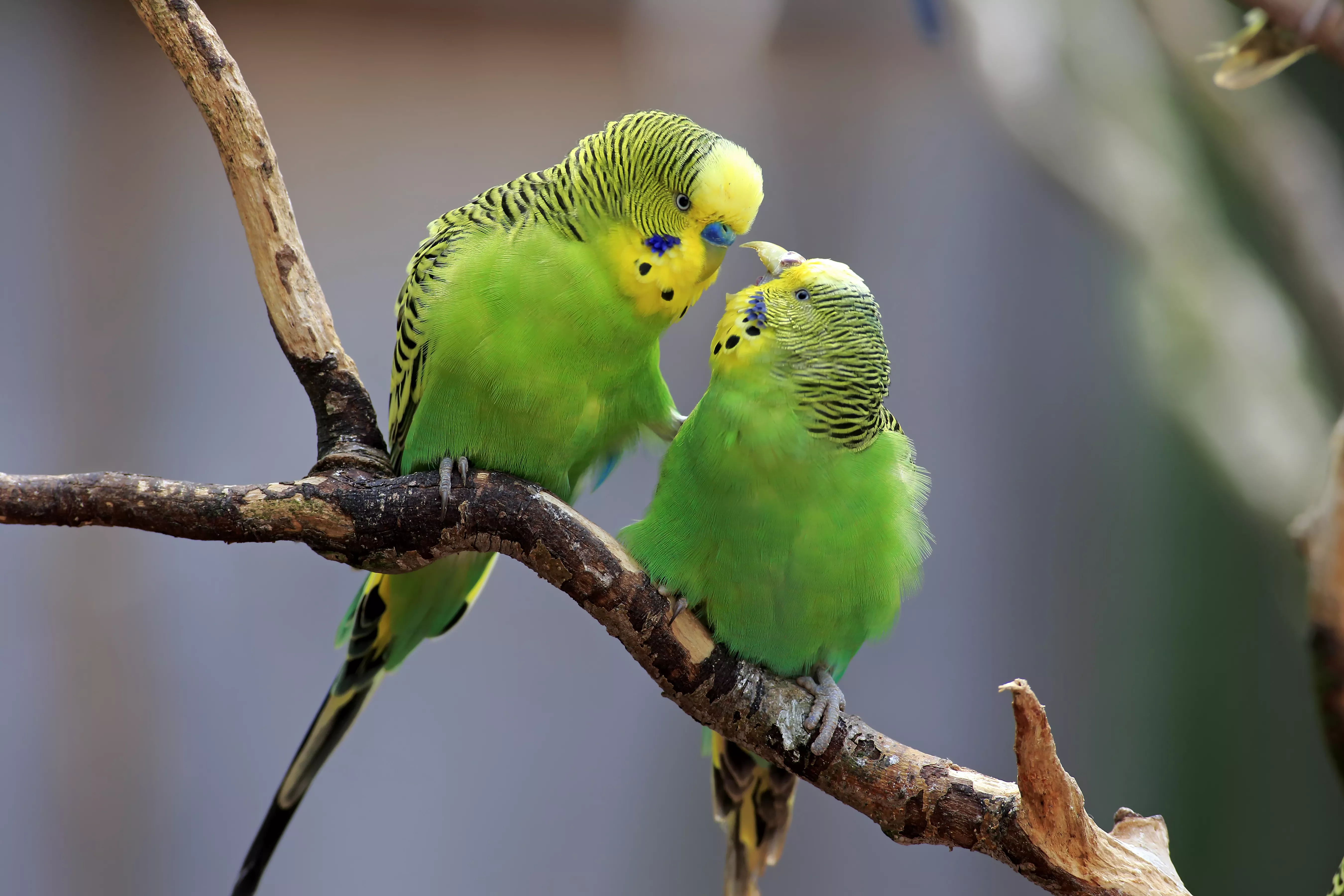
Not many people realize that there are actually two distinct types of budgies―the traditional budgerigar, hailing from Australia, and the larger English budgie, bred in England specifically for the show and the pet trade.
While the two are clearly both budgies, there are differences when they're observed side by side. English budgies are usually 1 to 2 inches longer than their Australian counterparts and have larger heads and puffier feathers around their faces and crowns.
Budgies Can Learn to Talk Better Than Some Larger Parrots
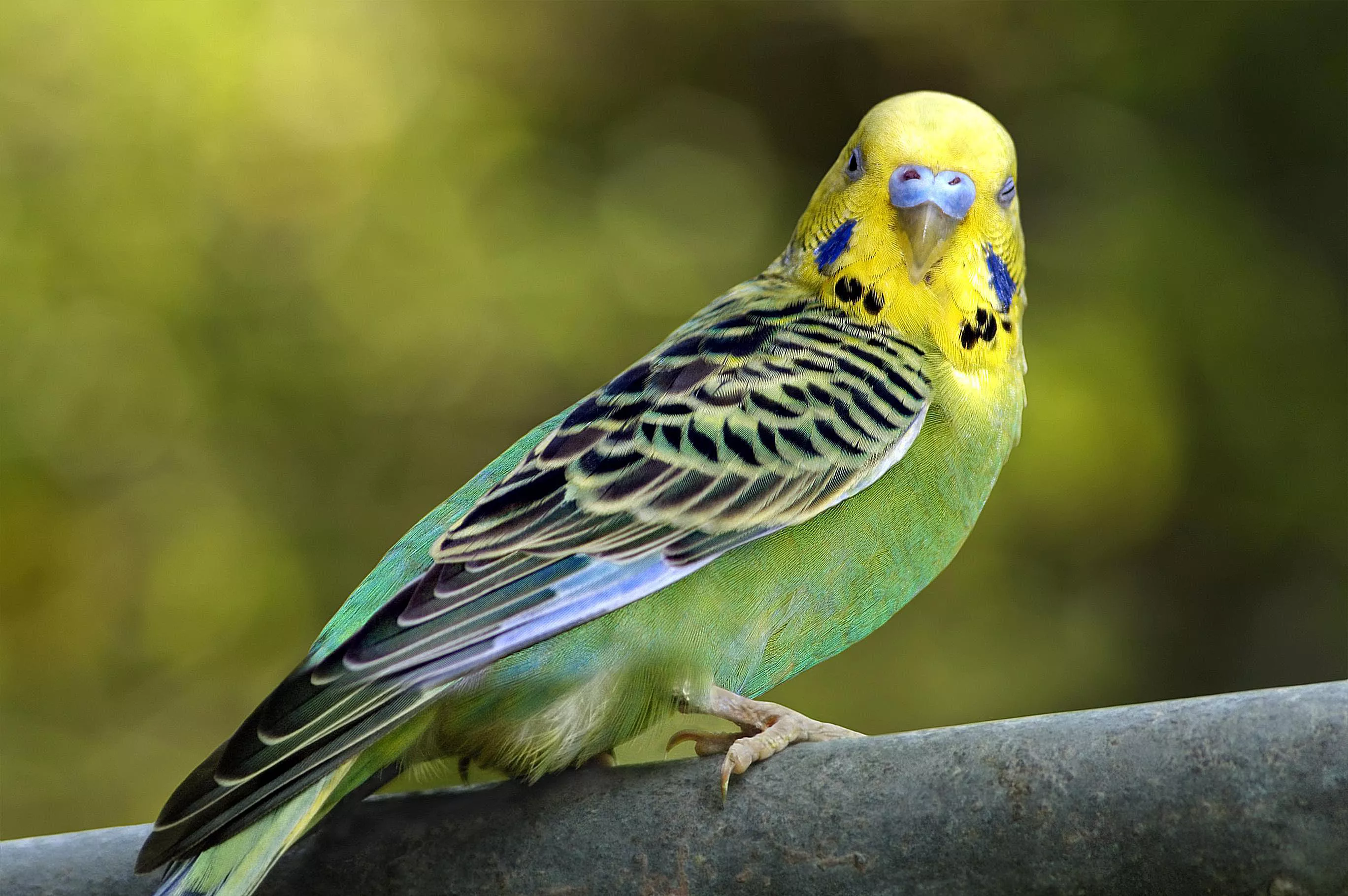
There's no way to guarantee that your budgie, or any other parrot, will learn to "speak." However, budgies certainly have a knack for it, and many times they speak with greater clarity and broader vocabularies than larger parrot species such as macaws and cockatoos.
While their voices are small and gravelly-sounding, budgies have an impressive ability to pick up on human words and phrases, and even using them in proper context sometimes. They are a great choice for those new to bird ownership who want to own a talking parrot.
Green Is the Only Natural Color for Budgies
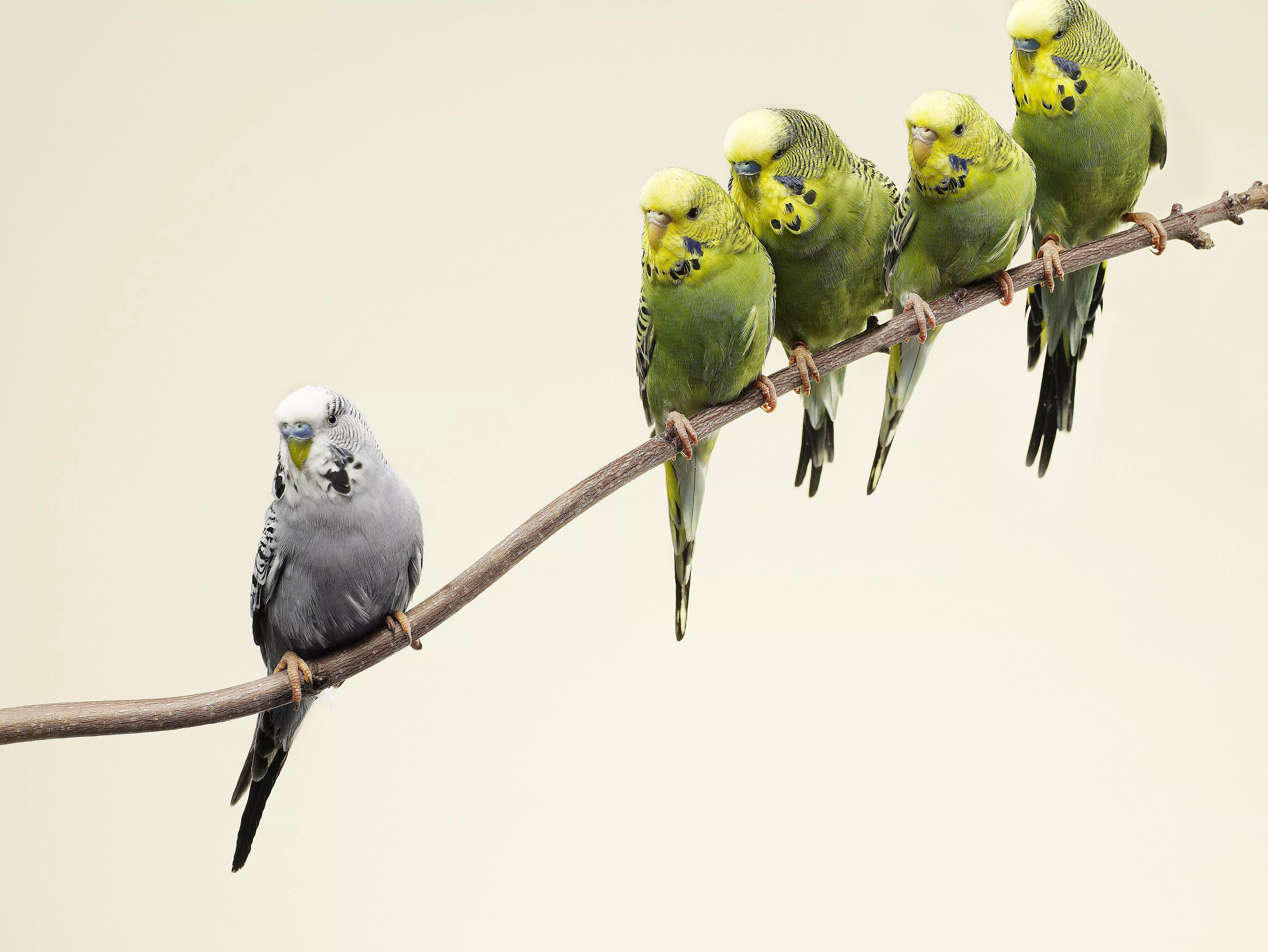
While people are normally accustomed to seeing a variety of colored budgies for sale in pet shops, the only natural color of budgies in the wild is the yellow/green variety. All other budgies, including the blue budgies, white budgies, and others, are color mutations bred specifically for the pet trade. There's nothing wrong with these birds, but don't expect to see a blue budgie in the wild.
Budgies Need a Varied Diet
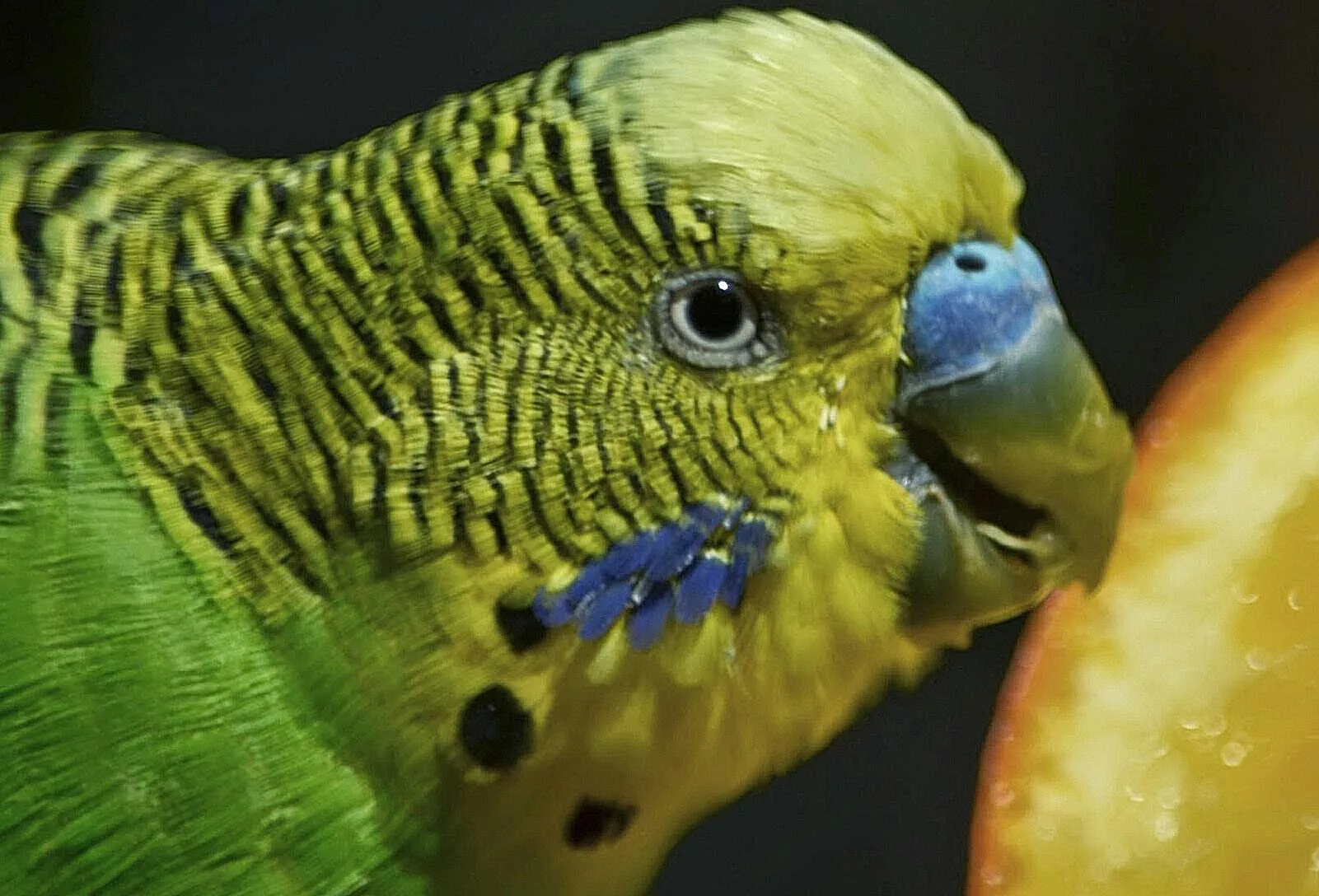
Since they're small, budgies are relatively inexpensive to care for and feed. But contrary to popular belief, a diet consisting only of seeds is not good for a small bird like a budgie, and can even cause health problems.
Veterinarians recommend a budgie diet that includes pellets and fresh fruits and vegetables including leafy greens. It's okay to feed budgies a small amount of seeds as part of this diet, as long as the base of their diet is pellets, vegetables, and small amounts of fruit. Don’t feed them harmful foods, such as sugary foods, salty foods, caffeine, chocolate, avocado, or alcohol.
The 9 Best Parakeet Foods
:strip_icc():format(webp)/best-parakeet-foods-7097152-49e597e1e3d24fa9a395a972a3fdc6c3.jpg)
Budgies Live Between 7 and 15 Years
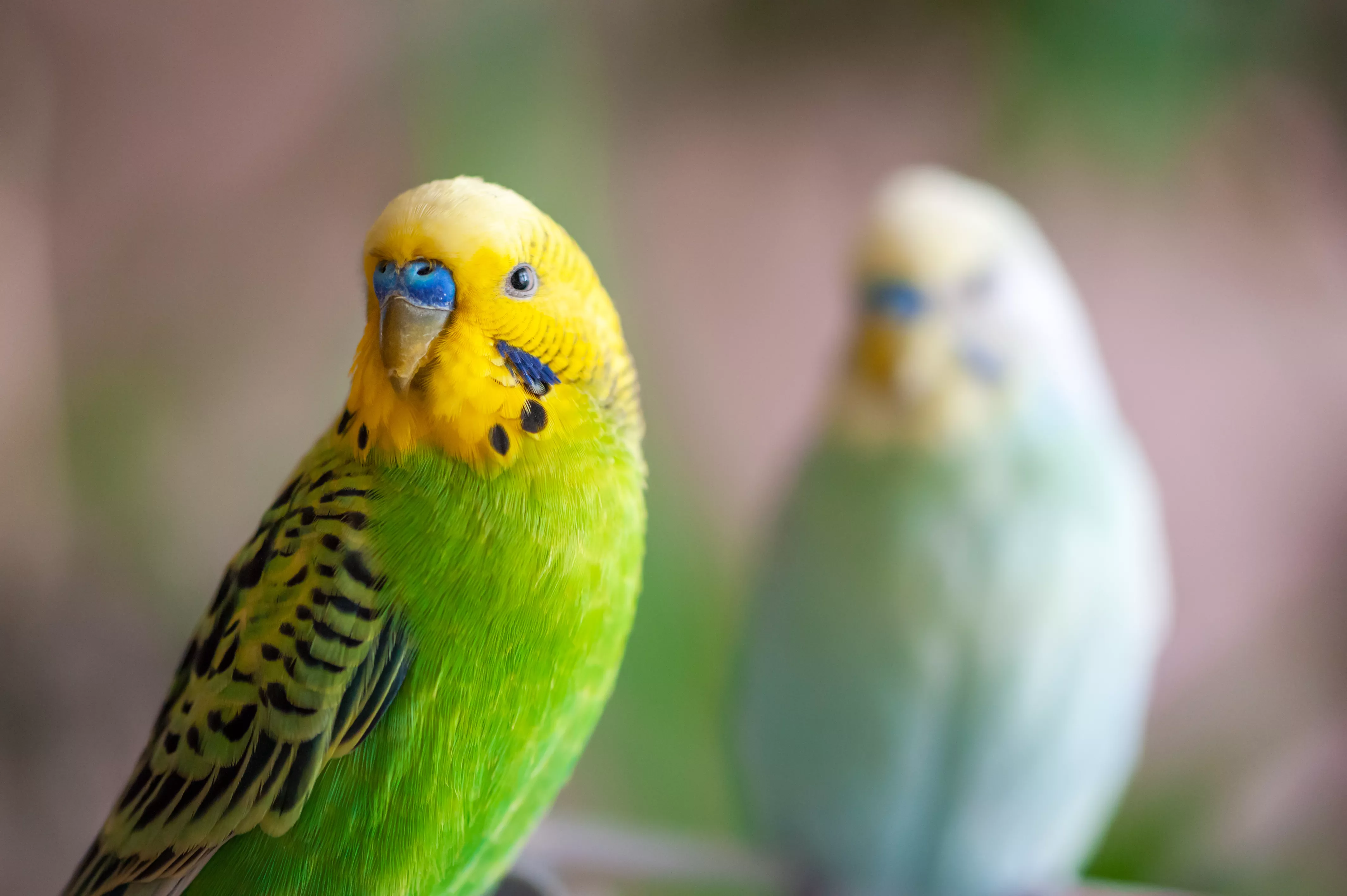
With proper care in captivity, a budgie can live 7 to 15 years on average. Their genetics will play a role, so getting a budgie from a reputable breeder who can give you information on the parents is best.
To help your pet live a long, happy, and healthy life, feed them the highest quality diet, see a veterinarian regularly to catch problems early, and keep your pet in an area of your home where they won’t be exposed to toxins or dangers, especially if you let them out of their cage. Also, keep their cage clean and provide them with enrichment in the form of toys, cuttlebones, and daily interaction.