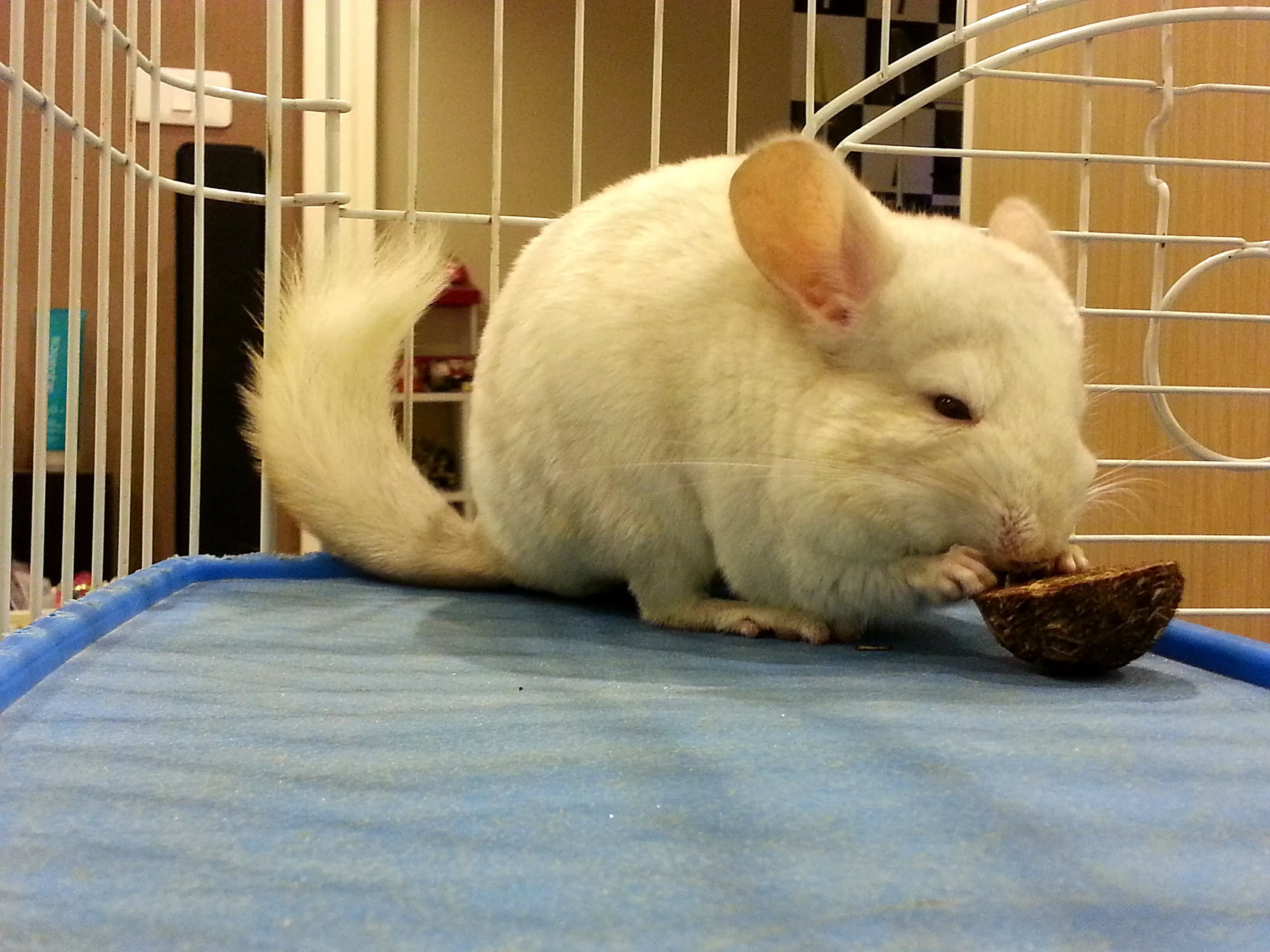
Key Takeaways
- Pelleted diets beat loose mixes for chinchillas, but only if your pet eats everything in the bowl
- Most adult chinchillas do well with 1-2 tablespoons of pellets daily, split between morning and evening
- Unlimited grass hay keeps their digestive system humming and their teeth worn down properly
- Treats are fine—just keep them to about a teaspoon a day, with raisins capped at 3-4 per week
- Steer clear of corn, toxic woods, and anything sprayed with chemicals
Food Options for Your Pet Chinchilla
Choosing the right food for your pet can feel overwhelming at first. I get it! There's so much conflicting information out there. But honestly? Once you grasp the basics, feeding your chinchilla becomes second nature.
Let's talk pellets first, because that's where most people start. Loose seed mixes might look fun in the bag—all colorful and enticing—but here's the honest truth: they're not your best bet. Chinchillas are notorious for being picky eaters. They'll gobble up the tasty seeds and leave the boring (but super important) bits behind. Selective eating means nutritional gaps.
Quality pellets solve this completely. Every single bite gives your furry friend exactly what their body needs. No guesswork, no waste.
When you're scanning nutrition labels, look for pellets with roughly 16-20 percent protein, just 2-4 percent fat, and about 15-20 percent fiber. That fiber content? Absolutely non-negotiable. Chinchillas have digestive systems built for processing roughage, so fiber keeps everything running smoothly.
Can't find chinchilla-specific pellets locally? Plenty of breeders recommend a quality rabbit or guinea pig pellet as a temporary workaround. Just double-check that protein and fiber percentages line up. That said, don't make this a long-term solution. Chinchillas have unique nutritional requirements that differ from their small pet cousins. Their health will suffer without proper food. Online retailers typically carry excellent chinchilla-specific formulas if your neighborhood stores let you down.
Here's something many people overlook—those flashy loose mixes loaded with seeds, corn, and dried fruit? Not ideal. Corn particularly concerns me. It's starchy and mostly indigestible for chinchillas, which can lead to uncomfortable bloating and digestive issues. You'd be surprised how many commercial chinchilla mixes use corn as cheap filler. Always check those ingredient lists. Plain pellets are simply the safer choice.
Honestly, researchers still don't know everything about the perfect chinchilla diet beyond the basics. What we do know? Plenty of roughage is essential. That's where hay comes in.
Feeding Amounts
For most adult chinchillas, one to two tablespoons of pellets daily is the sweet spot. Unlike some pets who'll eat until they burst, chinchillas are pretty good at self-regulating. Still, I'd split their portions. A tablespoon in the morning, another in the evening—this keeps things consistent and ensures freshness.
Some owners prefer giving the full daily amount in the evening since chinchillas are naturally more active at dusk in the wild. Either approach works! Pick what fits your schedule.
Routine matters enormously here. Chinchillas thrive when they know what to expect. Try feeding at the same times each day. A small food hopper or heavy ceramic dish works best—you'll definitely want something sturdy to prevent your energetic little friend from launching their dinner across the cage.
Hay Supplementation
Even with premium pellets, hay isn't optional—it's absolutely essential. Your chinchilla needs all that roughage to stay healthy. The fiber does double duty: it keeps those constantly growing teeth worn down and ensures their digestive system functions properly.
Give them unlimited grass hay every single day. Timothy grass and orchard grass are fantastic choices. Your chinchilla should have access to as much as they want. Just remember to remove yesterday's hay before adding fresh—you definitely don't want them nibbling on soiled or moldy stuff.
Pressed hay cubes can be a nice supplement, but they shouldn't replace loose hay entirely. Loose hay has those longer fiber strands that are especially beneficial for dental health and proper digestion.
One crucial point: skip alfalfa hay as a main staple for most adult chinchillas. It's higher in protein, calcium, and oxalates than they need, which could lead to urinary issues down the road. Save it for young, growing kits or pregnant mamas who genuinely need that extra nutrition.
Whatever hay you choose, never give your chinchilla anything damp, musty, or discolored. Fresh, clean, and dry—simple as that.
Treats
This is where lots of new chinchilla parents go a bit overboard. Treats should be just that—a treat. We're talking tiny amounts here, maybe a teaspoon total per day.
Raisins and dried fruit are popular choices, but they're pretty sugary. That's why I'd cap raisins at three or four per week, maximum. Your chinchilla's tiny system doesn't need all that sugar.
Rose hips are a much smarter option. They're loaded with vitamin C and other nutrients your pet can actually use. Think of them as a guilt-free little indulgence.
Those commercial treats marketed specifically for chinchillas? Most aren't worth your money. They're typically stuffed with sugar and fat that don't belong in a chinchilla's diet. Stick with natural, minimal-ingredient options instead.
Safe Wood Treats
Surprisingly, your chinchilla might get just as thrilled about a simple twig as any fancy store-bought snack. Apple tree branches and other safe woods make excellent chew toys and nibbles. Plus, gnawing on wood helps keep those ever-growing teeth in check naturally.
Just be absolutely sure any wood you offer is chemical-free. And avoid toxic species—this means anything with pits or stones (cherry, peach, apricot—sorry!), evergreen varieties, and other poisonous trees. When you're uncertain, it's always better to skip it.
A quick conversation with your vet can clear up any lingering questions about specific treats or foods. They're your best resource for personalized guidance about your particular chinchilla's needs.