Key Takeaways
- A balanced hamster diet includes quality pellets, seed mixes, fresh produce, and occasional protein sources
- Fresh fruits and vegetables should make up about 20% of your hamster's diet, with treats limited to just 5%
- Always avoid feeding hamsters almonds, citrus fruits, chocolate, and other toxic foods
- Wash all fresh foods before offering them and remove uneaten produce by the end of each day
- Protein like scrambled eggs or mealworms makes an excellent occasional treat for your pet
Understanding Your Hamster's Nutritional Needs
Hamsters are seriously adorable little creatures, aren't they? Those tiny paws, the way they stuff their cheeks full of food—it's impossible not to smile. If you're new to hamster ownership, you're probably wondering what exactly you should be feeding your furry friend, and honestly, it's one of the most important decisions you'll make as a pet parent.
In the wild, hamsters are omnivores. They'll munch on seeds, grains, and greens, but they also snag the occasional insect for protein. This means your pet's diet should reflect that natural variety. Providing proper hamster nutrition isn't complicated, but it does require a bit of know-how. The good news? Once you understand the basics, feeding your hamster becomes second nature.
Essential Guide to Hamsters as Pets
The Foundation: Pelleted Hamster Food
When it comes to what to feed hamsters, pellets are a fantastic starting point. These compact nuggets offer completely balanced nutrition in every single bite, which takes a lot of the guesswork out of mealtime. Most pelleted hamster foods look like small biscuits or cereal pieces, and hamsters generally love crunching on them.
Here's why pellets are so great: they prevent your hamster from being picky. You know how it is—they'll zero in on their favorite seeds and leave everything else behind. Pellets eliminate that problem entirely. Every bite counts toward complete hamster nutrition.
That said, an all-pellet diet can get a bit boring for your pet. Some hamsters will start turning their noses up at the same old food day after day. Mix it up! Use pellets as the main base of your hamster food, then supplement with other tasty options. Check the package for specific feeding directions, but generally, a few tablespoons of pellets daily works well for most adult hamsters.
Adding Seeds and Mixes to Your Hamster's Diet
Hamsters absolutely adore seed mixes. There's just something about all those different shapes, textures, and flavors that gets them excited. A quality hamster seed mix typically includes grains, various seeds, and dried vegetables or fruits. Many also have added vitamins and minerals to support your pet's health.
The tricky part? Hamsters are notorious for digging through their food bowl to find the tastiest morsels while ignoring the rest. This selective eating can lead to nutritional imbalances over time.
To combat this, consider using a pellet-and-seed blend, or keep a close eye on your hamster's eating habits. Don't just top up the bowl when it looks empty—make sure they've actually finished what you gave them first. Also, double-check that your seed mix is specifically formulated for hamsters. Some products are made for both hamsters and gerbils, which might have slightly different nutritional requirements.
As a general guideline, you can offer around 1/8 cup of seed mix per day, but always follow the recommendations on your specific product's label.
Fresh Foods: Vegetables and Fruits
Now here's where things get fun! Your hamster's diet should include fresh produce, and watching them nibble on a piece of broccoli or a strawberry slice is absolutely delightful. Fresh foods provide important vitamins and minerals that complement commercial hamster food, helping prevent nutritional deficiencies.
Think of it this way: about 75% of your hamster's diet should come from pellets and seeds, 20% from fresh foods, and only 5% from treats. That might sound like a lot of fresh food, but it's easier than you think.
Every day, offer your hamster a small "salad" of fresh vegetables. Some excellent choices include:
- Leafy greens like kale, romaine lettuce, and Swiss chard
- Crunchy veggies such as carrots, broccoli, and cucumber
- Other favorites like cauliflower, peas, and squash
When it comes to fruits, your hamster will probably do a happy dance. Apples, bananas, berries, grapes, and melons are all big hits. Just remember that fruits contain natural sugars, so keep portions small to prevent your pet from becoming overweight. A few small pieces a few times per week is plenty.
Always wash fresh foods thoroughly before offering them to your hamster, and remove any uneaten produce by the end of the day. You don't wantSpoiled veggies sitting in the cage—that's a recipe for trouble.
Beyond the Basics: Grains, Nuts, and Protein
While pellets, seeds, and fresh produce form the core of good hamster nutrition, you can jazz things up even more with other foods. Think of these as enrichment opportunities that also provide additional nutrients.
Whole grains are wonderful additions to your hamster's menu. A tiny piece of whole-grain toast, some cooked pasta, plain cooked rice, or unsweetened whole-grain cereal makes great treats. Your hamster will love the different texture, and you'll feel good knowing they're getting extra fiber. Just steer clear of sugary cereals or breads with added sweeteners.
Nuts are another favorite, but they need to be given sparingly—think once or twice per week maximum, and only one or two small pieces per feeding. Unsalted peanuts, cashews, and walnuts are all okay in moderation. But here's an important one: never give your hamster almonds. They contain compounds that can be harmful to these little guys.
Now, let's talk about peanut butter. Many hamsters go absolutely crazy for it, but you've got to be careful. Peanut butter can get stuck in a hamster's cheek pouches and cause serious problems. If you want to offer it, place a very thin layer on a piece of untreated wood rather than giving it directly. Choose natural peanut butter without added salt or sugar, and only offer it as an occasional treat.
Adding Protein to Your Hamster's Diet
Hamsters need protein, just like we do. In the wild, they'd get it from insects and other small creatures. In captivity, you can provide this important nutrient through occasional treats.
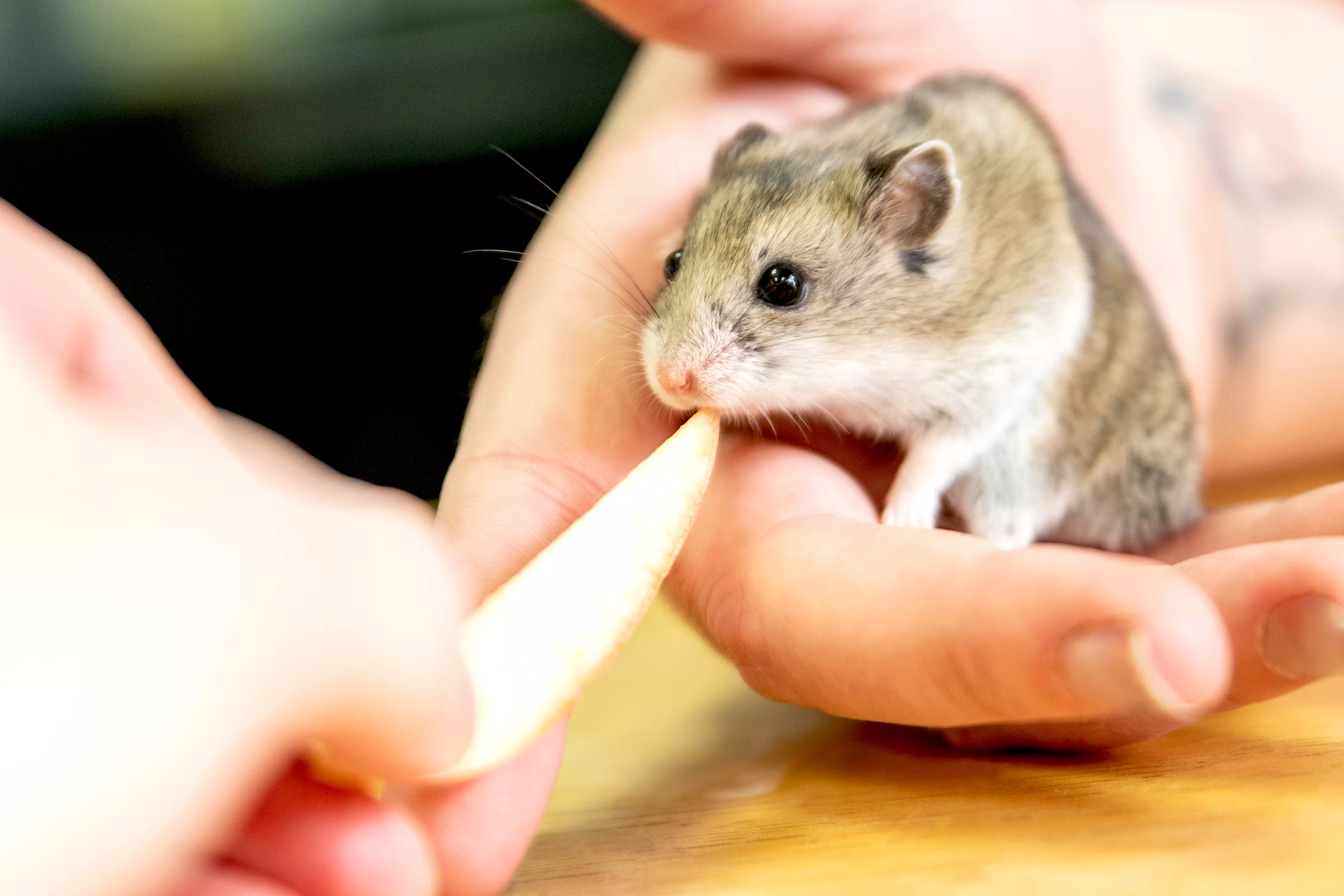
Scrambled or hard-boiled eggs make excellent protein sources—just give a tiny bite or two. Some hamsters also enjoy dried mealworms, which you can find at pet stores. These protein-rich treats are particularly good for pregnant or nursing hamsters, or young growing babies who need extra nutrition.
Foods to Avoid
Knowing what NOT to feed your hamster is just as important as knowing what to give them. Some foods are toxic to hamsters and must be avoided completely.
Almonds are a no-go, as mentioned earlier. Citrus fruits like oranges, lemons, and grapefruits are also problematic—they're too acidic for a hamster's sensitive digestive system. And of course, chocolate is absolutely off-limits for all pets, hamsters included.
Other foods to avoid include raw beans, onions, garlic, and any highly processed human foods. When in doubt, it's always safer to stick with foods specifically designed for hamster nutrition or to do a quick search before offering something new.
Wrapping Up
Feeding your hamster doesn't have to be complicated. Start with a quality pelleted hamster food as the foundation, add some seed mix for variety, supplement with fresh vegetables and limited fruits, and offer occasional treats like grains, nuts, or protein. Keep portions appropriate, avoid the foods that are harmful, and always provide fresh water.
Your hamster depends on you to make good food choices, and now you're well-equipped to do exactly that. Here's to happy, healthy, well-fed little fluff balls!