Key Takeaways Gecko tail loss is a natural defense mechanism known as autotomy, which can be triggered by stress, fear, or environmental conditions.While geckos typically recover well from tail loss, it is important to maintain optimal enclosure conditions and monitor the gecko for any signs of infection.Preventing tail loss can be achieved by minimizing handling, ensuring a stress-free environment, and possibly separating geckos to avoid bullying.
Key Takeaways
Gecko tail loss is a natural defense mechanism known as autotomy, which can be triggered by stress, fear, or environmental conditions.While geckos typically recover well from tail loss, it is important to maintain optimal enclosure conditions and monitor the gecko for any signs of infection.Preventing tail loss can be achieved by minimizing handling, ensuring a stress-free environment, and possibly separating geckos to avoid bullying.
The gecko tail is an intriguing body part of the animal world. Some species of geckos, including leopard geckos and day geckos, have a defense mechanism that allows them to "drop" their tails when they feel threatened. This tail loss tends to be more common in younger geckos.
Fortunately, gecko tail loss is a natural phenomenon, and your pet should come through it just fine. While its tail is growing back, however, there are a few things you can do to ensure it does so healthily.
Common Pet Gecko Types for Beginners
Why Do Geckos Lose Their Tails?
If you try to grab your gecko by the tail or hold it too tightly when it's trying to escape, you might be surprised by a tail drop. The detached tail will continue to wiggle and twitch on the ground as if it is still connected to the gecko's body. While this can be shocking, it's important not to panic.
Losing a particular body part is a defense mechanism called autotomy that many animals use. Gecko tails are specifically designed to drop: Inside the tail is special connective tissue that creates a location where it can readily break off when needed. When this happens, the blood vessels to the tail constrict and very little blood loss occurs. This is helpful to remember if you're trying to determine whether your gecko dropped its tail or lost it due to trauma; very little blood is lost when the tail is dropped.
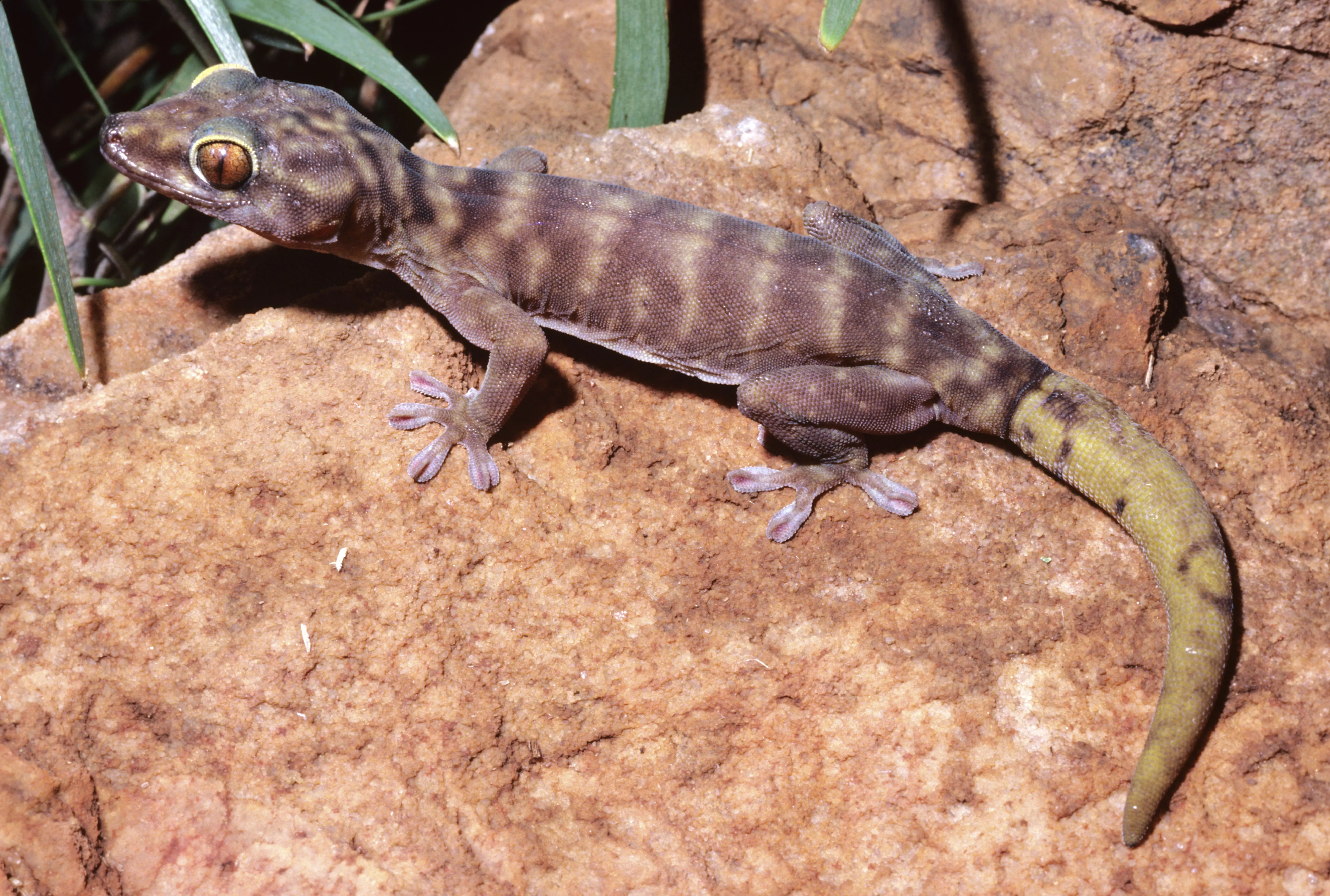
Eventually, a gecko regrows its tail but it may not look exactly the same. The new tail is often shorter, colored differently, and blunter at the end than the original tail.
Though it's a natural process, tail dropping puts stress on a gecko and may impact its health. It's important that you look at the circumstances that led up to it so you can try to avoid these problems in the future.
Response to Threats
In the wild, a gecko's tail loss serves a very good purpose. The tail's movement distracts potential predators and allows the gecko to get away, leaving the predator with nothing but the wiggling tail.
In comparison, geckos are relatively safe in captivity. It's possible, however, for geckos in a group to bully one individual, which could trigger the defense mechanism. If you have more than one gecko in an enclosure, it's a good idea to separate the potential victim from the others before it loses its tail.
Stuck Tail
It's possible for a gecko's tail to get stuck or trapped by something in its enclosure. Whenever you set up a new enclosure, try to avoid very tight places and any potential falling objects that could harm your gecko.
Stress and Fear
Both stress and fear can accompany the feeling of being threatened or bullied. Loud noises, bright lights, or other startling stimuli, for example, can also impact your gecko's well-being and potentially lead to tail dropping.
Additionally, the environmental conditions of the gecko's enclosure can be a source of stress that could lead to tail loss. To ensure your gecko remains healthy, maintain optimal temperature and humidity levels. For leopard geckos, keep the basking area at 82 to 85 degrees Fahrenheit and the cooler area at 75 to 78 degrees Fahrenheit, with humidity between 30% and 40%.
Illness and Infection
If no other cause can be found for your gecko's tail drop, it may be due to an illness or infection. Whether the infection directly affects the tail area or the loss is a stress-related symptom of an unrelated illness, it's best to call your vet.
Treatment
Usually, geckos deal with a tail loss well on their own. However, there are a few things you can do to ensure that the process of loss and regrowth goes smoothly:
How to Prevent Tail Dropping
There are a few steps you can take to prevent your gecko from losing its tail.
Even under ideal conditions and with proper handling, you can't be in complete control. It's always possible that your gecko may drop its tail despite your best efforts.