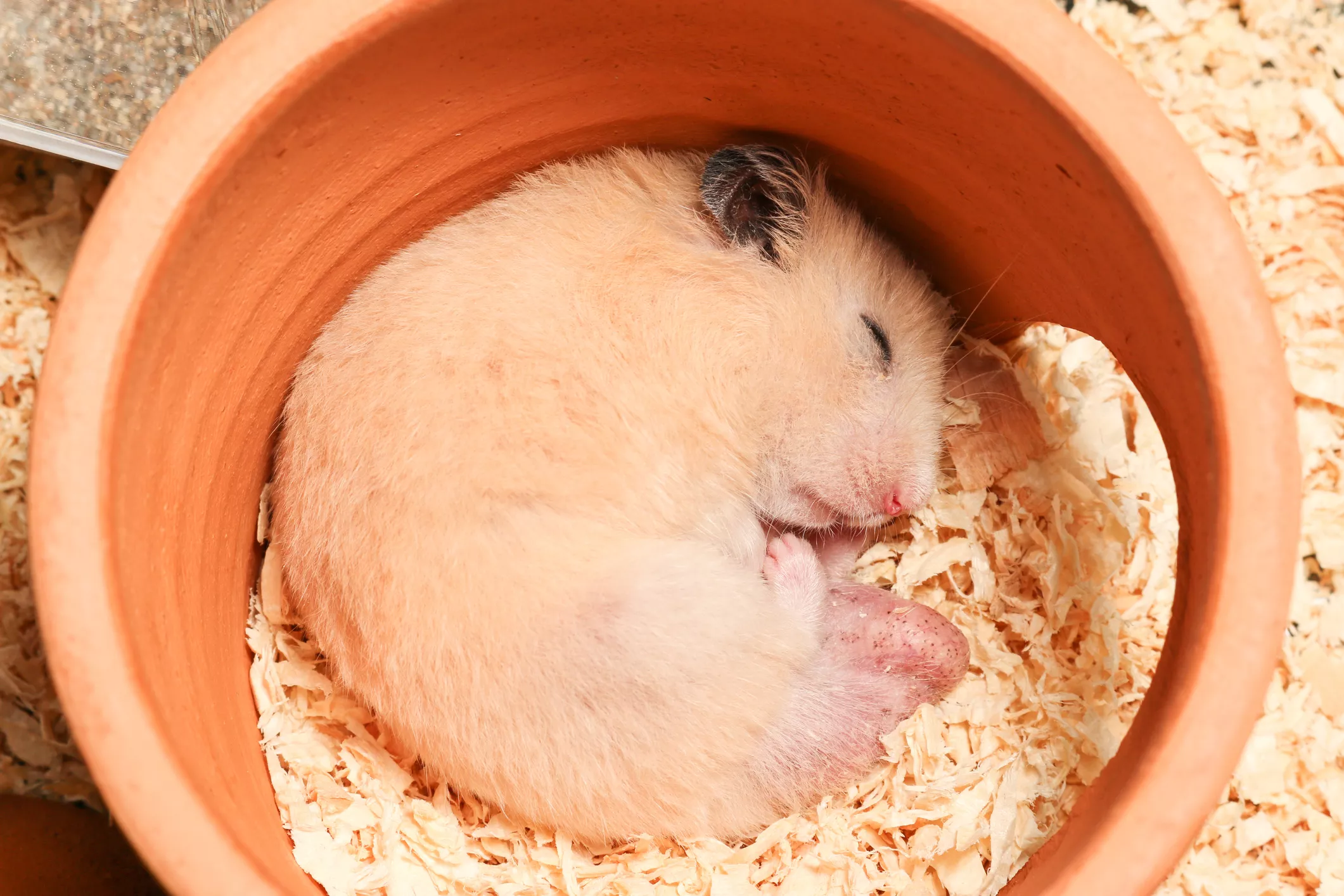
Key Takeaways
- Most hamsters snooze for about 12–14 hours total, but they chunk it into little naps rather than one marathon session.
- Your hammie is wired to be nocturnal, so those nighttime zoomies are totally normal hamster behavior.
- Sudden changes in sleep could mean hibernation mode, feeling unwell, or just getting on in years — watch for other clues.
- Try not to interrupt their rest too often; let them wake up on their own whenever you can.
How Long Do Hamsters Sleep?
So, how long do hamsters sleep? The quick answer is roughly 12–14 hours a day. But here's the thing — they don't knock it all out in one go like you might expect. Instead, they take a series of short naps scattered throughout the day and night.
This is what folks mean when they talk about polyphasic sleep-wake patterns, and it's super normal for these little critters. Picture it like this: your hamster drifts off for a couple of hours, then pops up to nibble some food or run a lap around their cage, then zips back off to dreamland. They might do this several times over a 24-hour period.
Understanding these hamster sleep habits is honestly a game-changer. Whether you're trying to figure out if a hamster fits your lifestyle (they're way more active at night, fair warning!) or just want to keep your furry pal thriving, knowing what normal sleep looks like helps you spot when something's off.
Hamster Sleep Cycle
Here's where it gets fascinating. Scientists have actually studied hamster sleep cycles quite a bit — especially in Syrian and golden hamsters — and guess what? Like us, these tiny fluff balls spend about 25% of their snooze time in REM sleep. That's the dreaming phase.
So if you catch your hammie twitching their little paws or eyes while conked out, don't panic. That's not a problem — it's just a sign they're deep in dreamland. We obviously can't ask them what they're dreaming about, but we're guessing it's something involving wheel runs and sunflower seeds.
Another key thing to know about the hamster sleep cycle: in captivity, these guys are nocturnal. That means they hit peak energy after the sun goes down and tend to catch their Zs during daylight hours. This is the opposite of our schedule, and it can take some getting used to. Night owl? You might actually find your hamster's timing syncs up pretty nicely with yours.
What If Your Hamster Is Sleeping More Than Usual?
Okay, so you notice your little one seems to be logging more sleep than usual. What gives?
Hibernation is one possibility. If your hamster's environment drops consistently below 50°F, they might start to slow down and sleep way more. Most homes are warmer than this, but double-check where you've placed their cage. Is it near a drafty window or a wall that gets cold? Those spots can get chillier than the rest of the room. Warming things up a bit and adding extra bedding for burrowing often helps their energy bounce back.
They could be under the weather. Just like us, when hamsters aren't feeling great, they want to rest more. Respiratory issues and tummy troubles are pretty common, unfortunately. If your hammie seems more drowsy than normal, keep an eye out for other symptoms — sneezing, wheezing, runny eyes, or changes in their droppings. A vet visit is worth considering if you notice anything concerning.
Or maybe they're just getting older. As hamsters age, their hamster sleep patterns shift. They tend to sleep less deeply and need more frequent rest periods throughout the day and night. It's a normal part of aging, not something to stress about.
The important thing is knowing what's typical for YOUR hamster so you can tell when something's genuinely different. Any sudden, dramatic changes in behavior or sleep habits deserve a closer look.
Is It Okay to Wake Up Your Hamster?
Real talk — sometimes you gotta do what you gotta do. Maybe you need to give medication, check on them, or clean their cage while they're sacked out.
But here's the deal: startling your hamster isn't ideal. If you wake them abruptly, they might get a little nippy. And if it happens regularly, being disturbed can throw off their natural hamster sleep patterns and leave them stressed out. Over time, that kind of chronic disruption can actually impact their health and wellbeing.
Unless it's truly necessary, try to save handling and playtime for when your hamster is already up and at 'em. You'll both be much happier for it. They're typically most alert around dusk and dawn, so those windows are golden for interaction.
Getting in sync with your pet's nocturnal hamster behavior takes a bit of patience, but honestly? Once you lean into their schedule, it becomes pretty fun. There's something magical about watching your little buddy come alive as the house quiets down. Keep those quiet hours sacred, respect their rest, and your hammie will be a happy, healthy companion for years to come.