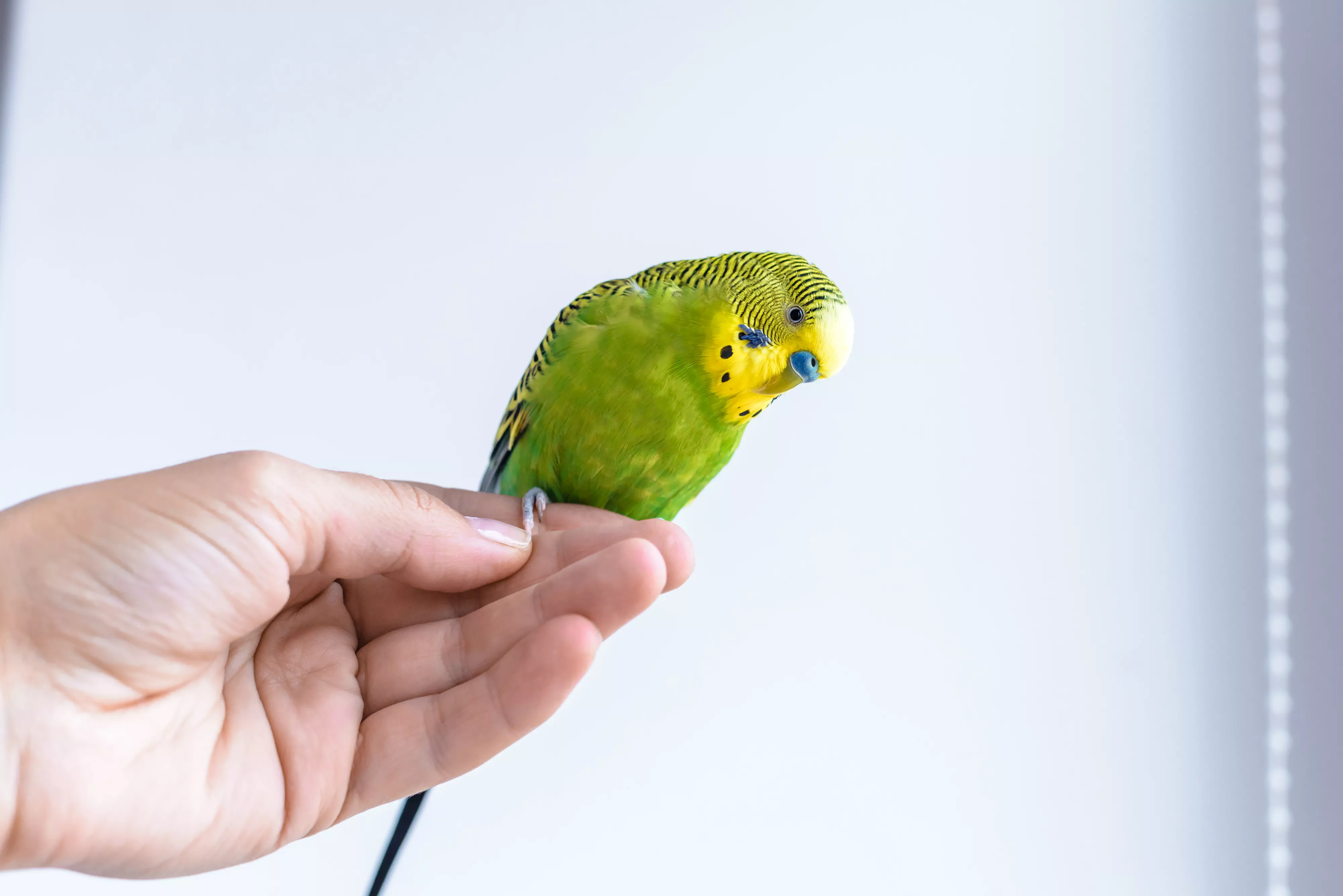
Key Takeaways Always handle birds gently to avoid injury, as their anatomy is fragile and they can be easily harmed.Teach your bird the "step-up" command to simplify handling and reduce stress during interactions.Avoid grabbing birds by their wings, legs, or tail, and use a towel or gloves if necessary for safety.
Key Takeaways
Always handle birds gently to avoid injury, as their anatomy is fragile and they can be easily harmed.Teach your bird the "step-up" command to simplify handling and reduce stress during interactions.Avoid grabbing birds by their wings, legs, or tail, and use a towel or gloves if necessary for safety.
As with most things, there are correct and incorrect ways to hold a pet bird. Birds are fragile both physically and emotionally, and since they are not domesticated, picking one up is not as simple as it is with a dog or cat. However, by practicing the right techniques, you'll find that holding your bird safely can be easier than you might think. Here are some tips to help both you and your bird enjoy your time together.
Teach Your Bird to "Step Up"
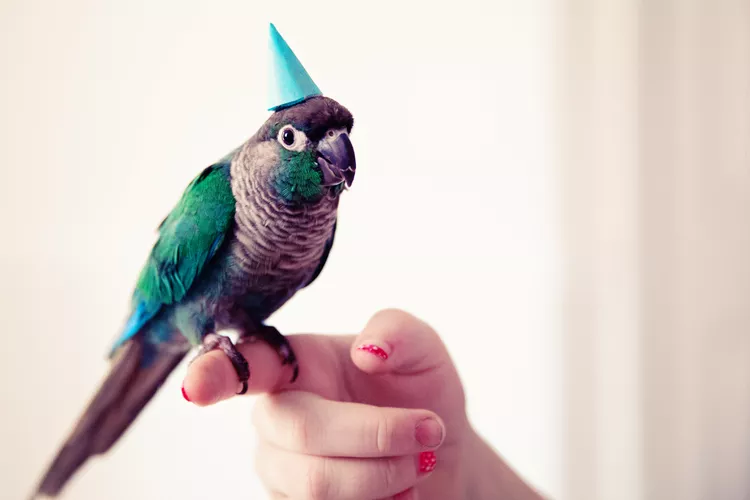
Most bird owners aren't professional bird trainers; however, teaching your bird a few basic commands is crucial for their health and happiness. The Step-Up Command, is the most important a simple "trick" that trains your bird to step onto your finger. This command will make it much easier to take your bird out of its cage and move it around your home, eliminating stressful "catch me if you can" episodes.
Never Squeeze, Shake, or Strike Your Bird
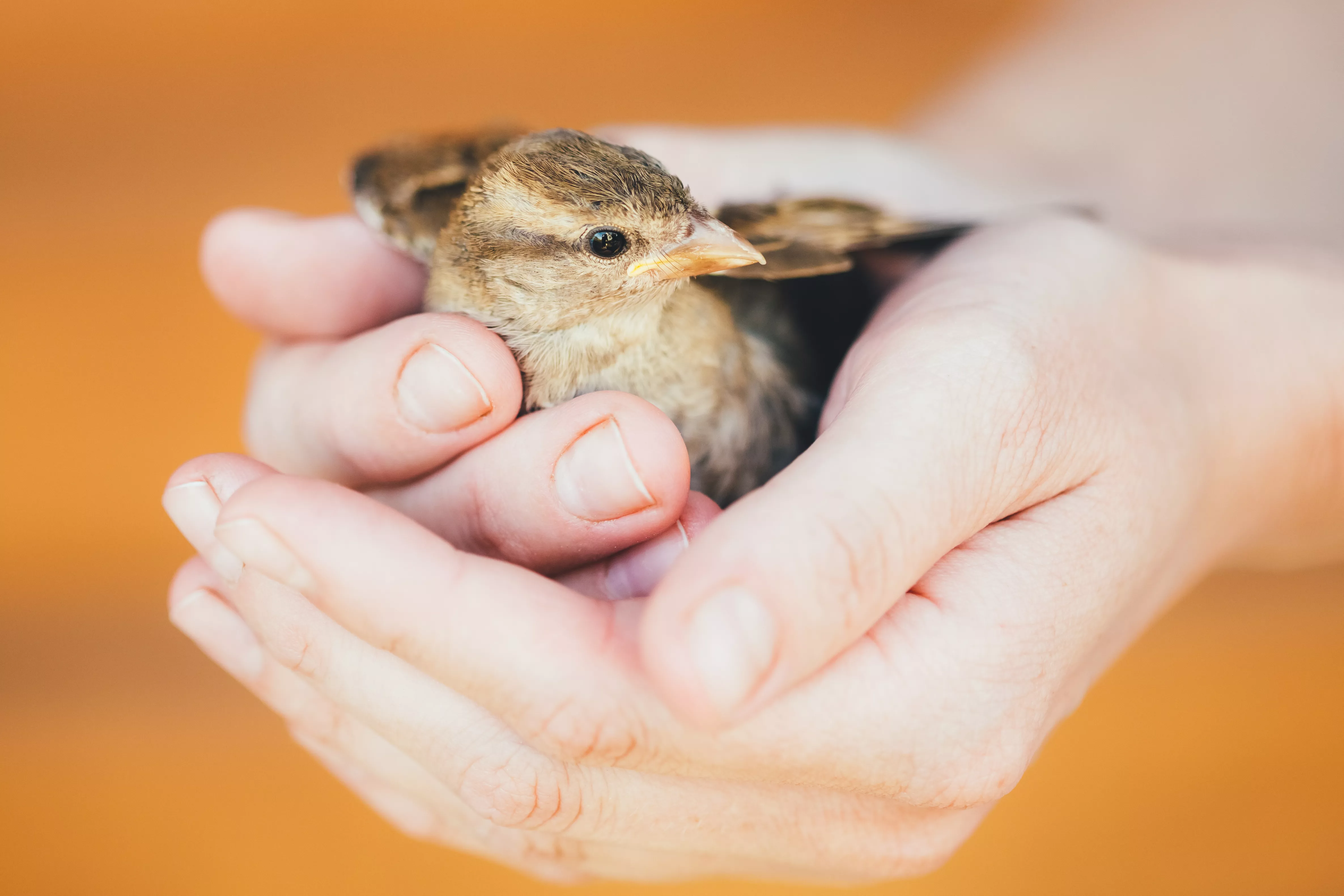
Birds are highly specialized creatures designed for flight, with a complex, fragile anatomy. Handle your bird gently at all times. Never squeeze or hold them too tightly, even if they resist. Doing so could break bones, damage internal organs, or worse. If the only way you can hold your bird is with a tight grip, try bonding techniques to help your pet enjoy and accept handling without fear or hesitation.
Use a Towel If Necessary
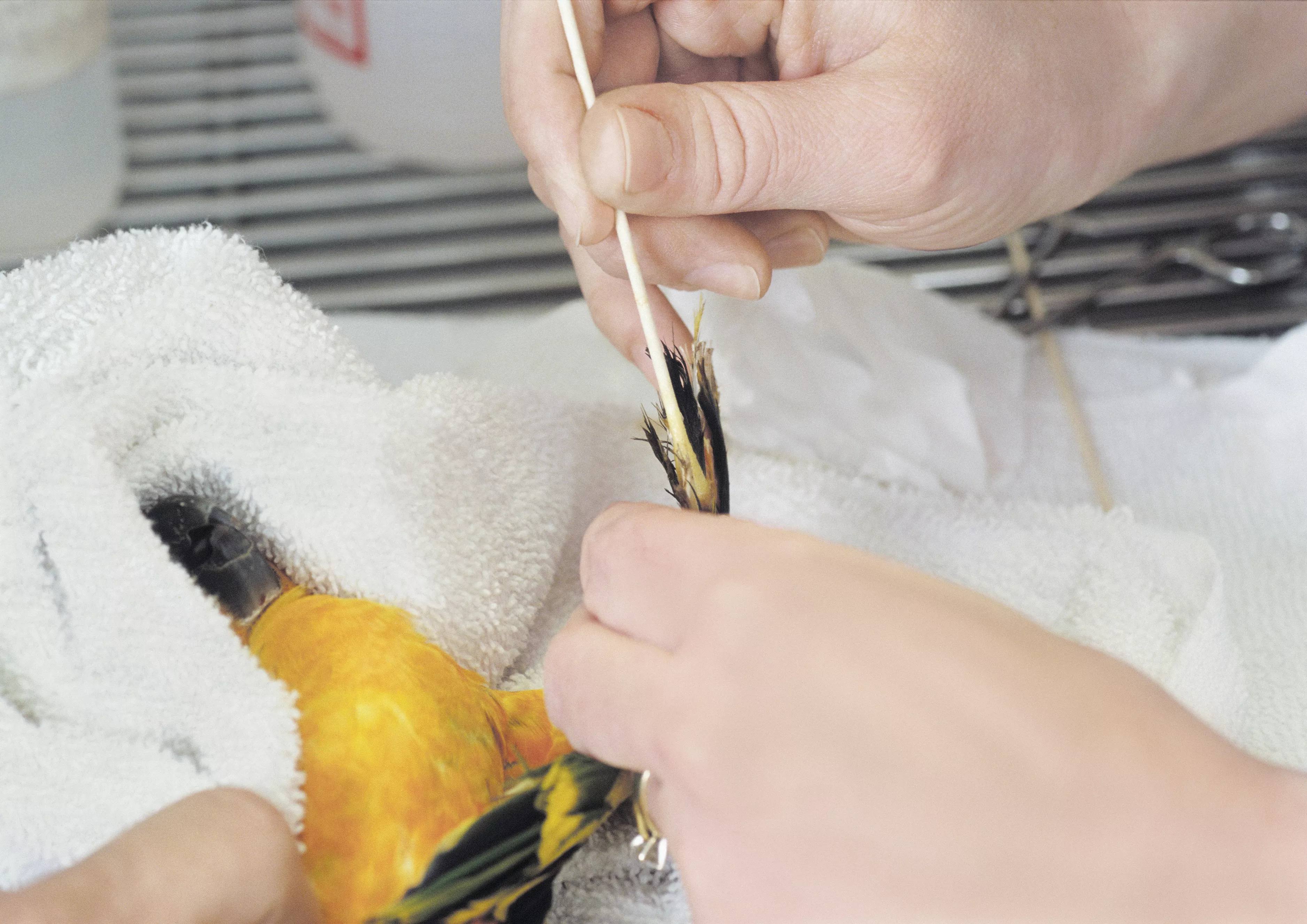
Sometimes holding a bird for a wing or nail trim is difficult, so practicing toweling can be helpful. Although frequent toweling is not ideal, it can calm your bird and ensure safety during necessary restraint. Remember, birds can overheat quickly, so towel them only briefly. Toweling can be traumatic for some birds, so give them quiet time alone in their cage afterward to recuperate.
Don't Allow Your Bird to Sit on Your Shoulder
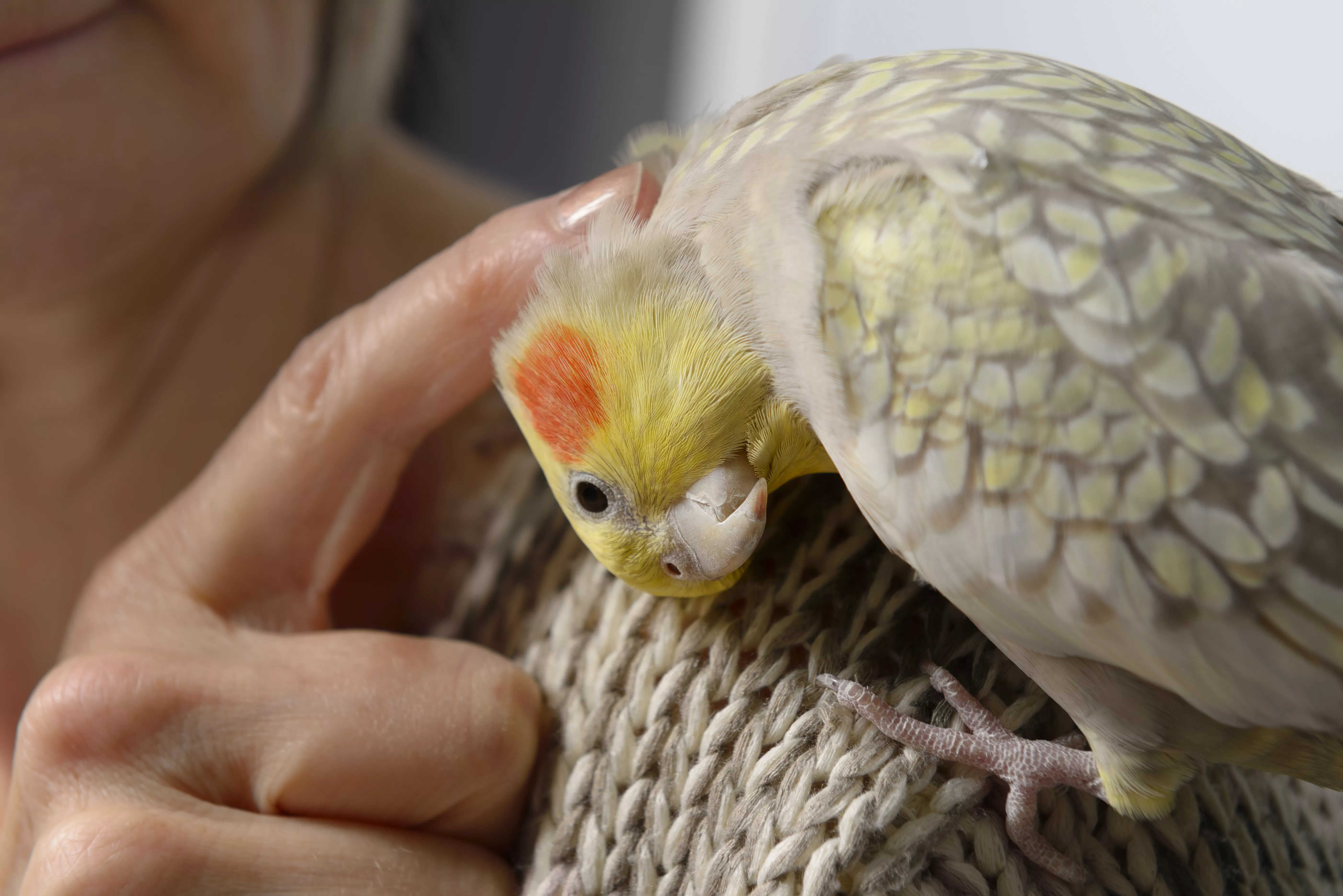
Allowing your bird to climb, ride, and sit on your shoulder is common but not recommended for several reasons. It provides access to your ears, eyes, and other sensitive facial areas. If your bird gets scared or upset, you risk a painful and damaging bite. Avoid this risk by holding your bird on your hands or forearms, keeping them a safe distance from your face.
Never Hold a Bird by the Wings, Legs, or Tail
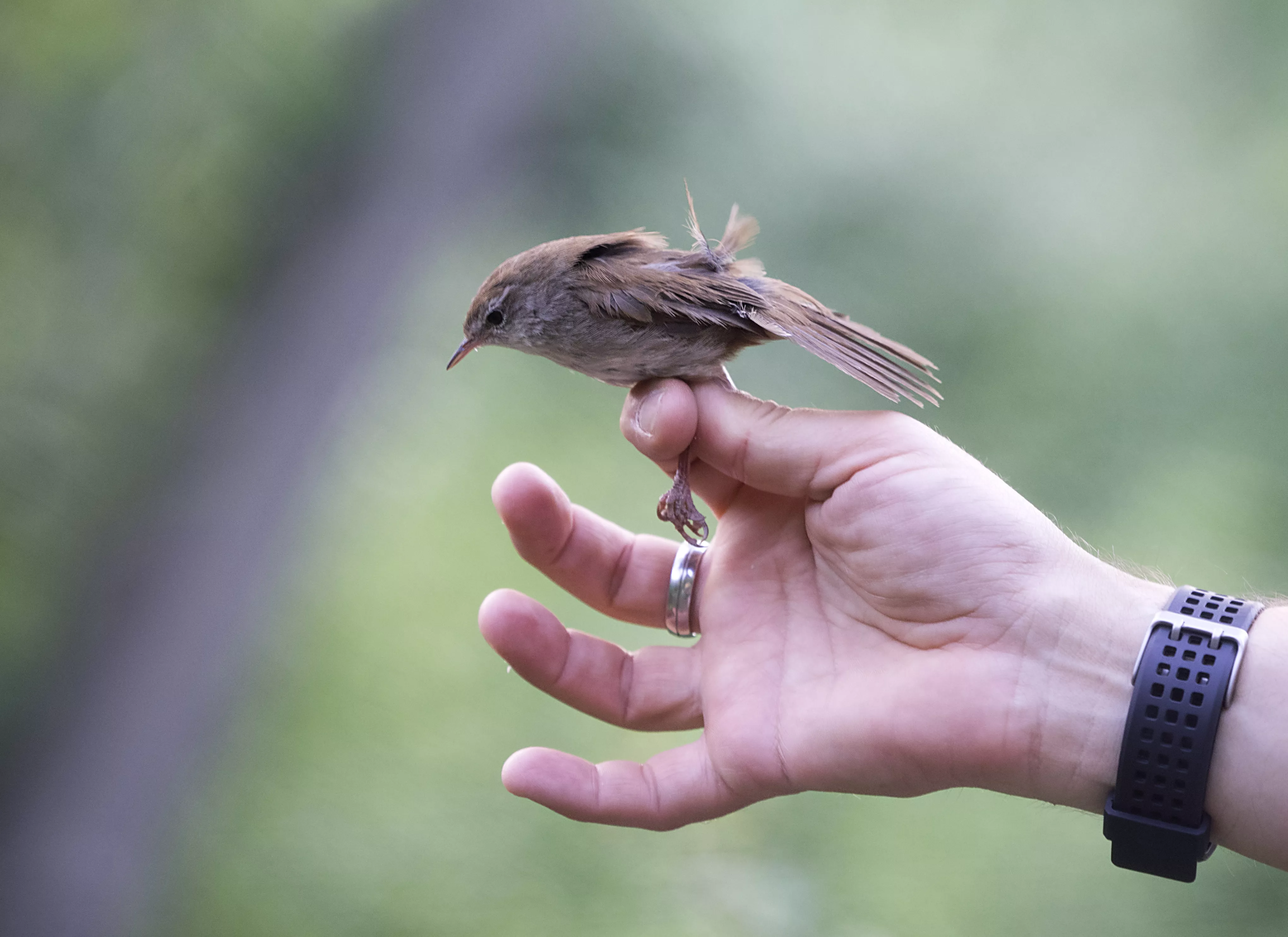
Even if your bird hasn't mastered the "step-up" command, never grab them by the wings, legs, or tail. This can frighten your bird, damage their delicate feathers, and cause issues such as broken bones or trauma. If you need to pick up a bird who won't step up, use a small towel or padded gloves to protect your fingers from bites or scratches.