Key Takeaways Overeating and lack of exercise are primary causes of obesity in rabbits, which is exacerbated by sugary treats and confined living conditions.Obesity in rabbits can lead to serious health issues like maggot infestations, bumblefoot, and potentially life-threatening GI stasis (ileus).Prevention strategies include providing proper nutrition (primarily grass hay), limiting sugary and fatty treats, and ensuring ample exercise in a spacious environment.
Key Takeaways
Overeating and lack of exercise are primary causes of obesity in rabbits, which is exacerbated by sugary treats and confined living conditions.Obesity in rabbits can lead to serious health issues like maggot infestations, bumblefoot, and potentially life-threatening GI stasis (ileus).Prevention strategies include providing proper nutrition (primarily grass hay), limiting sugary and fatty treats, and ensuring ample exercise in a spacious environment.
Obesity is an issue for all species, including rabbits. Just like in humans, dogs, cats, and even birds, being overweight significantly affects the health of your pet rabbit and is regarded as a pet welfare concern.
What Causes Obesity in Rabbits?
Overeating is usually the cause of obesity in rabbits, but this alone may not impact an active rabbit. Rabbits need to consume more calories than they burn to gain weight. Since many pet rabbits are caged for most of their lives, obesity is common when they lack needed exercise.
Sugary treats also contribute to obesity in pet rabbits. While marketed as cute, your rabbit doesn't care about the appearance of their food. However, many pet owners are swayed by gimmicks and opt to give their rabbits whatever the pet store offers.
Inactivity is the main cause of obesity in every species. Rabbits are built to jump and run, but they're often kept in small cages or allowed to move only briefly. This lack of activity can cause many issues for your rabbit, leaving them with nothing to do but eat, sleep, and gain weight.
How Can You Tell if Your Rabbit is Obese?
Obesity means your rabbit has more body fat than is healthy for their size. Each rabbit breed has specific standards for typical size and weight. These standards serve as a guide for you and your vet to determine if your rabbit's weight is appropriate.
Assigning a body condition score helps monitor your rabbit's weight. This score, a number based on physical traits, usually ranges from one to five, with three as ideal. If you can feel but not see your rabbit's ribs, that's typically a three. To check, compare your rabbit's ribs to your closed fist. If they feel like your knuckles, your rabbit is underweight. If they feel like your fingers when your fist is clenched, your rabbit's condition is ideal. If you can't feel the ribs or need to press hard, your rabbit is overweight. Your vet can assist with this process if needed.
Why is Obesity in Rabbits Bad?
Obesity is linked to several diseases, including myiasis, pododermatitis, pregnancy toxemia, and ileus (GI stasis), among others. While these conditions may have other causes, no responsible pet owner would want to increase their rabbit's health risks.
Myiasis, also known as maggot infestation, occurs when overweight rabbits can't clean themselves effectively, leading to dirtier areas on their bodies, particularly the rectum. Flies lay eggs that become maggots, which can go unnoticed without regular checks and cleaning. Maggots can cause secondary infections, irreparable wounds, and internal damage.
Pododermatitis, or bumblefoot, often results from a sedentary lifestyle or an obese rabbit placing excessive pressure on their feet. Rough and unclean surfaces can contribute, but inflammation typically begins from the stress on the hock and feet. Bumblefoot is painful and challenging to treat and clean, with signs often including limping.
GI stasis (ileus) is the most common issue in pet rabbits due to numerous causes. Obesity alone may not cause a rabbit to stop eating and develop ileus, but it significantly contributes via associated complications.
Obesity is also considered a factor in human cancer, which suggests there could be greater, unseen consequences for our pet rabbits.
What Can You Do to Prevent and Reverse Obesity in Rabbits?
The easiest way to prevent obesity in rabbits is to feed an appropriate kind and amount of food, along with ample exercise. Grass hay is crucial for their health and should be their primary dietary component. Pellets and treats are common causes of weight gain and should be limited for adult rabbits.
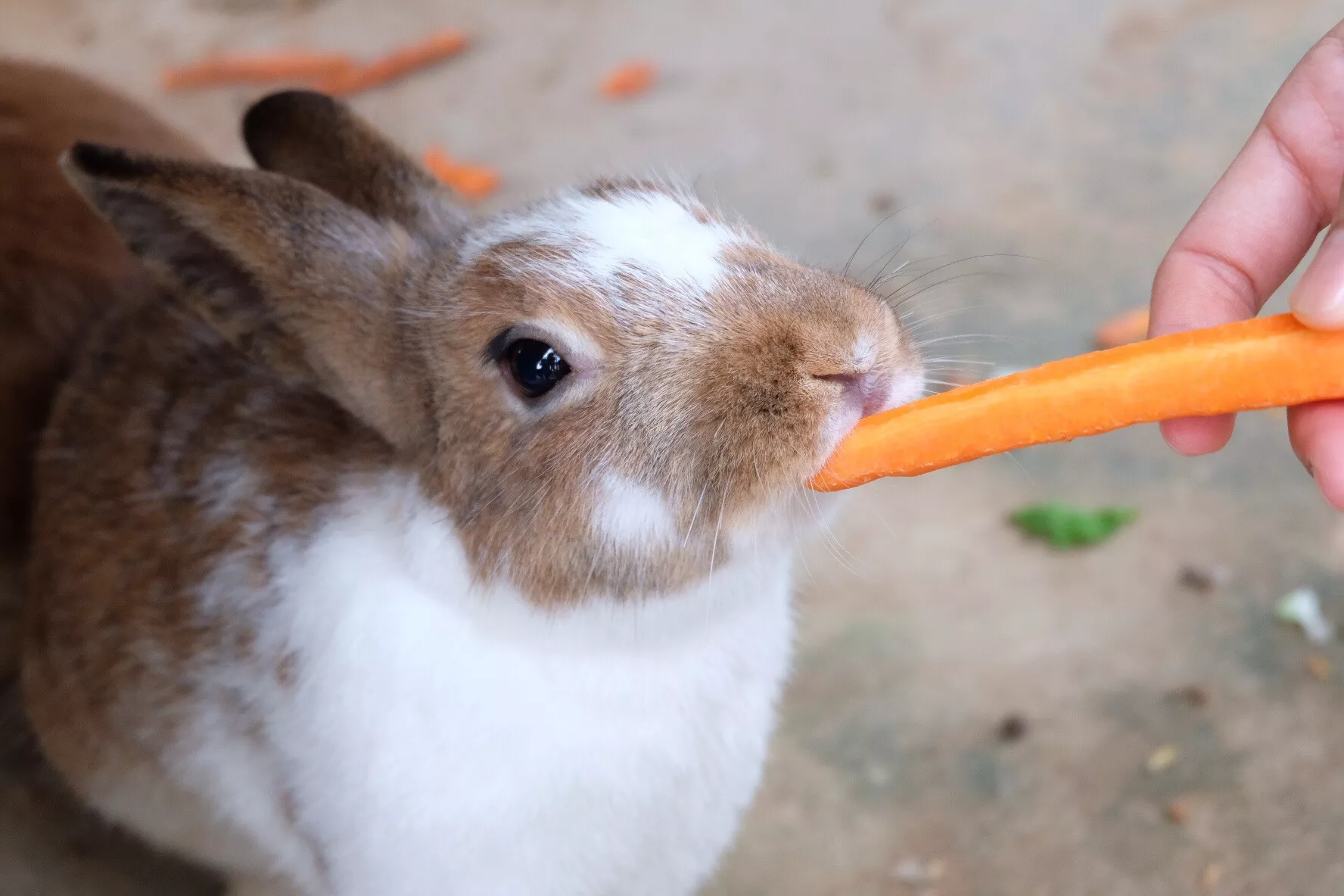
Healthy foods like fruits and vegetables can be given as occasional treats when you want to offer something special. Avoid sugary and fatty foods like sunflower seeds, yogurt drops from the pet store, and many cereals. Instead, offer strawberries or carrots as special treats that your rabbit will enjoy just as much as a sugar cube.
Allow your rabbit to move freely. Ideally, rabbits have a rabbit-proofed "room" or large penned area to live and explore. This keeps them mentally stimulated, lean, and happy. If you must cage your pet rabbit, ensure they get adequate exercise. Rabbit harnesses can be used to create playpens and keep them safe. They should have at least three hours of play and exercise time if restricted during the day. Remember, wild rabbits run several miles daily, so it's essential to let them play in our homes for a few hours.