Key Takeaways Pinfeathers are newly grown feathers covered in a keratin sheath that protects them as they develop.Preening helps remove the keratin sheath, allowing feathers to expand and maintain their functions like insulation and flight.Birds rely on grooming, both self and assisted, to care for pinfeathers, with showers providing relief during molting.
Key Takeaways
Pinfeathers are newly grown feathers covered in a keratin sheath that protects them as they develop.Preening helps remove the keratin sheath, allowing feathers to expand and maintain their functions like insulation and flight.Birds rely on grooming, both self and assisted, to care for pinfeathers, with showers providing relief during molting.
The term pinfeather refers to the newly grown feathers that appear when a bird is molting. Initially, a pinfeather is short as it emerges from the bird's skin and is covered in keratin, the same material that forms feather shafts.
What Do Pinfeathers Look Like?
Pinfeathers (or blood feathers) resemble pins emerging through the bird's skin, hence their name. These live, immature feathers have a blood supply and grow to replace a molted feather. The keratin sheath covering them is similar in composition to animal horns, hooves, or toenails, and must be removed for the feather to "unfurl" and grow properly. The sheath's purpose is to protect the developing feather. As the feather grows, the sheath lengthens, and the bird's preening helps chip it away. This process allows the feather to expand and develop. An active blood supply nourishes the feather, retreating to the base as growth completes. These emerging pinfeathers are delicate, requiring careful handling.
The Complexity of Feathers
Feathers have a complex structure with various parts and types that compose a bird's plumage. Each part has a specific function designed by nature. The roles feathers play include insulation, waterproofing, display, flight, and camouflage.
The Calamus
The calamus is the base of the feather that becomes the rachis, (pronounced: ray-kiss) as you move up the central shaft of the feather. The rachis is the main central shaft of the feather. In most of the feathers on a bird, the rachis is stiff and supports the feathery barbs that come out of the shaft. The barbs are the main larger branches of the feather.
The Barbules
Barbules are the smaller, secondary branches of the feather. Barbs and barbules have small hooks that enable the bird to "zip" the feathers during preening, ensuring they lay neatly on the body. This grooming is crucial for flight functionality and for trapping air to keep the bird warm. Properly groomed feathers provide protection from wind and moisture.
Contour Feathers
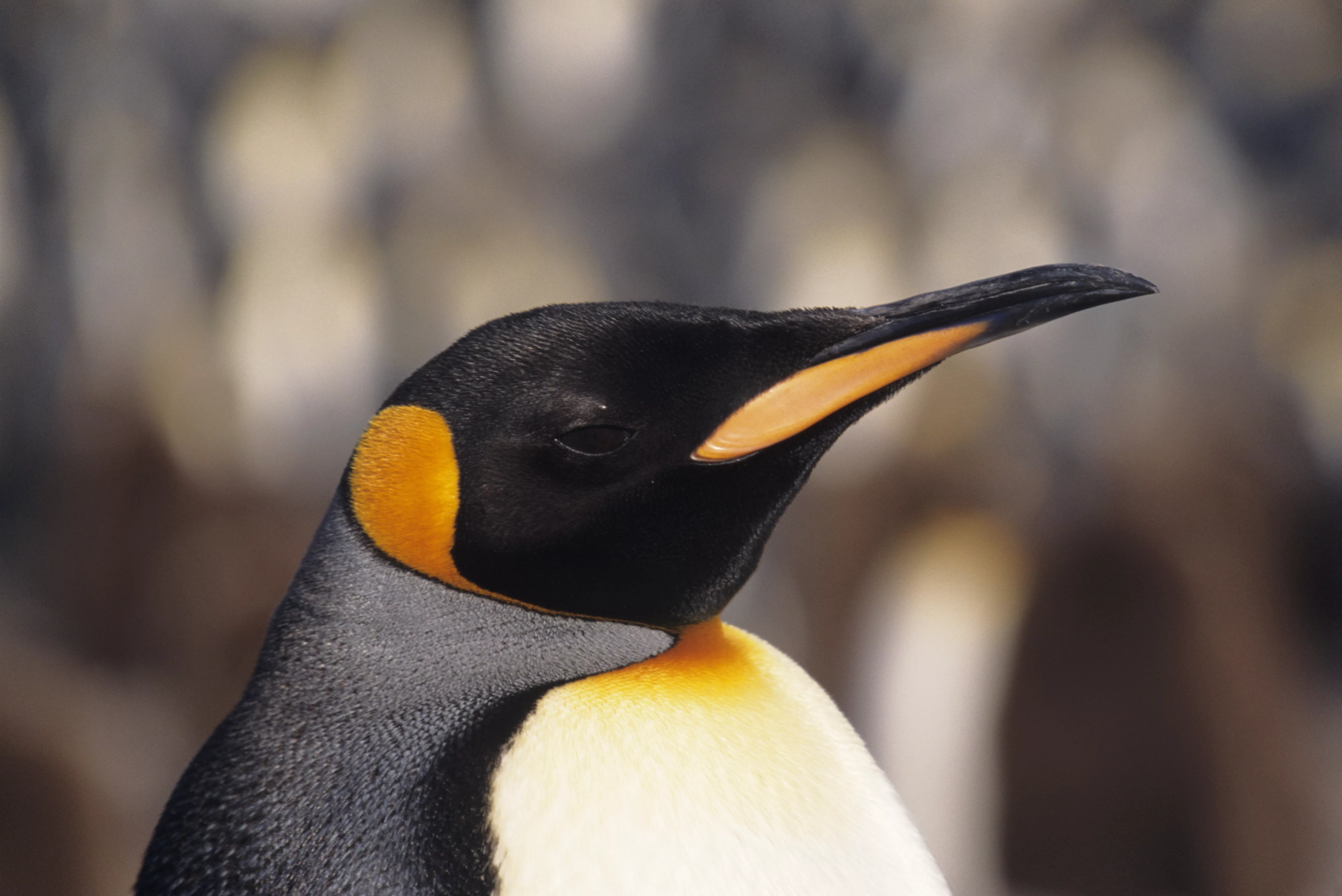
Contour feathers are the most visible feathers on a bird, closely following its shape and creating a streamlined appearance. This is evident in penguins, where the feathers are so tightly packed that they resemble skin.
Feathers overlap like scales on fish or reptiles, with visible tips and fluffy bases nestled close to the body. Often, females display drabber colors than males, aiding in camouflage while nesting or protecting their young.
Pinfeathers During Preening
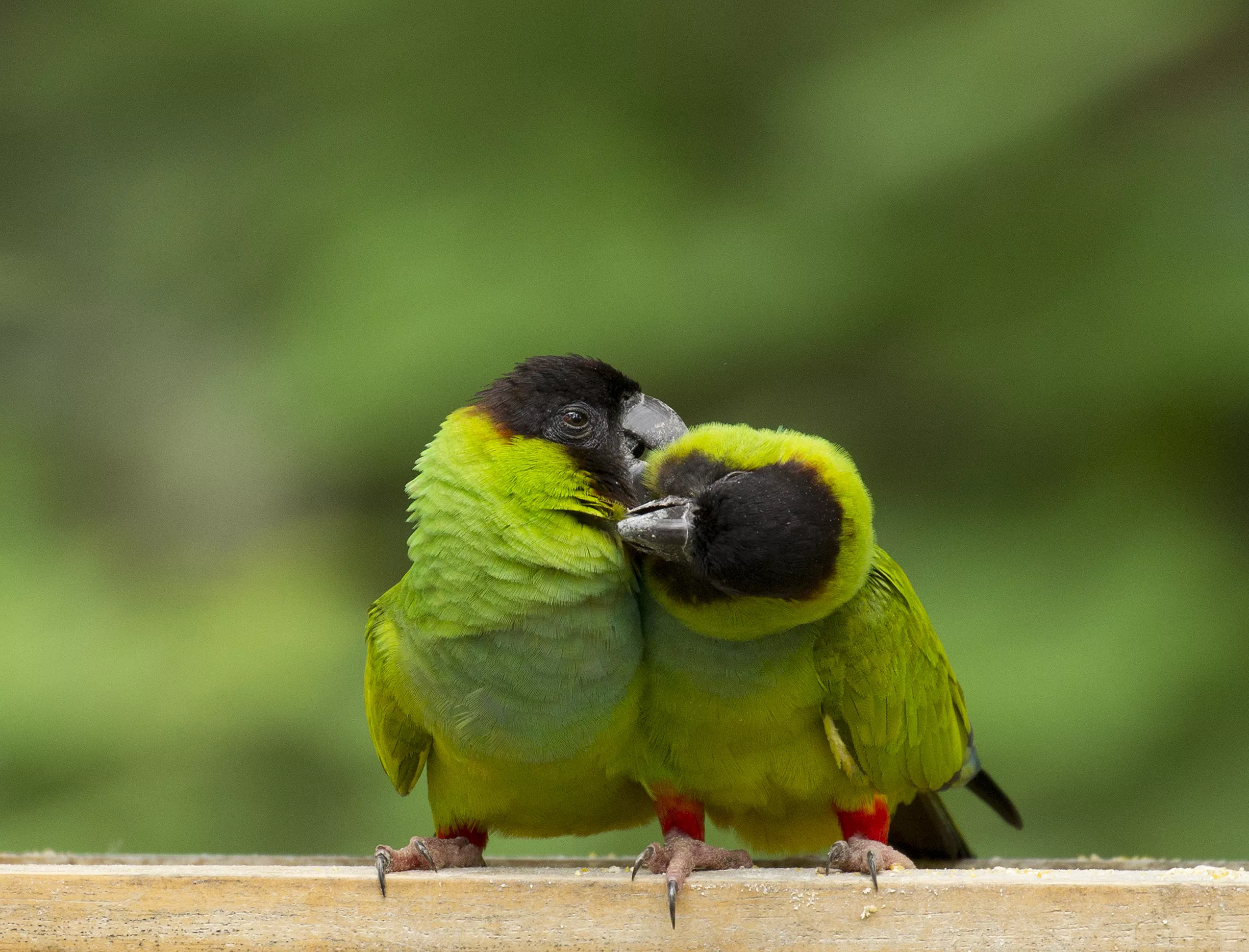
Although birds usually remove most pinfeathers during preening, some, especially those on the head, remain out of reach. In the wild, flock members assist with grooming. In captivity, you can help by gently rolling pinfeathers' shafts between your thumb and forefinger.
If your parrot is molting and new feathers are emerging, a shower can increase her comfort. A shower feels good to most birds, as it can alleviate itchiness.
Edited by Patricia Sund