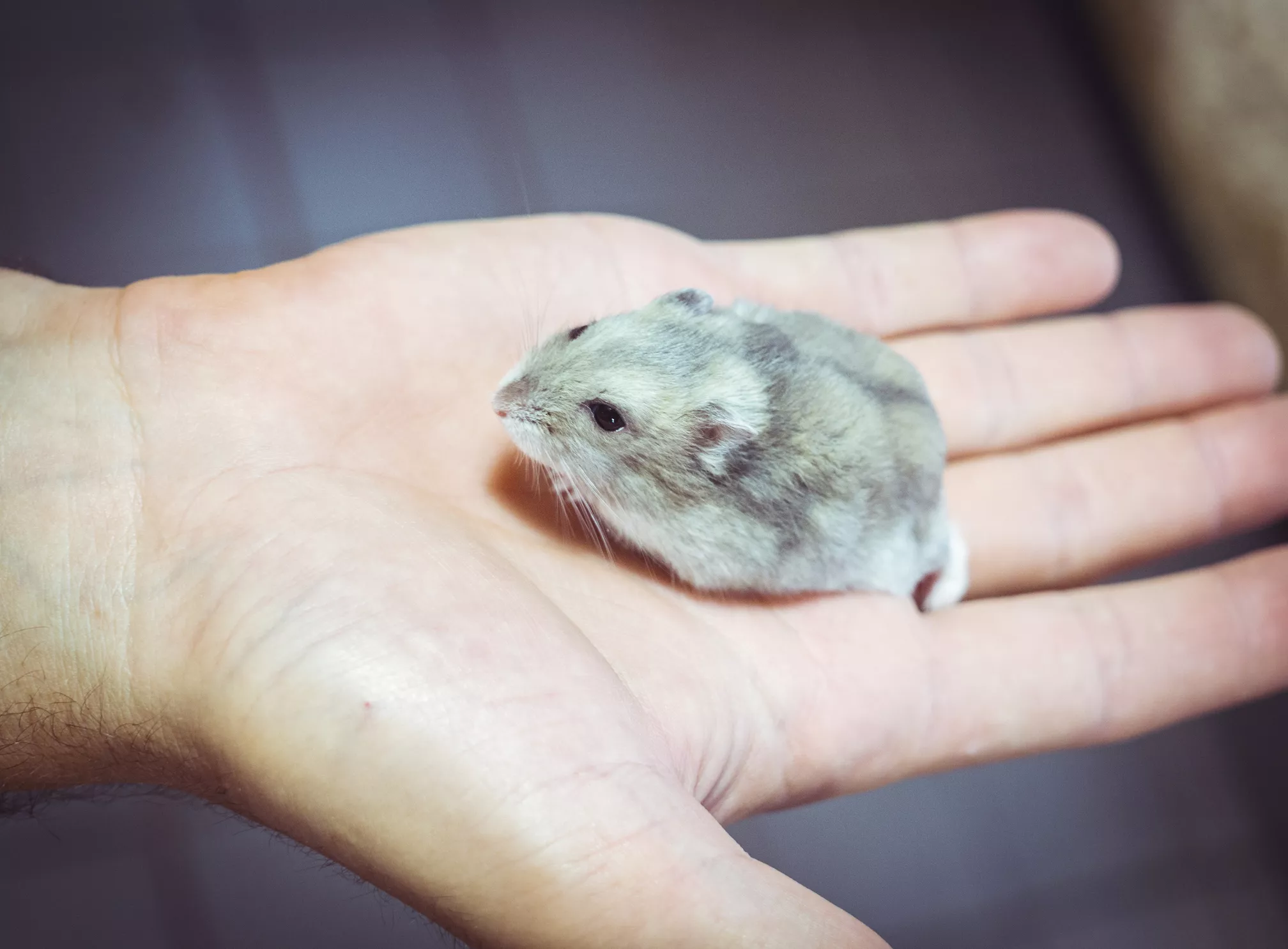
Key Takeaways
- Syrian hamsters are the largest and most commonly kept pet hamsters, known for their friendly personalities
- Dwarf hamsters like Campbell's and Winter Whites are social and can be kept in pairs if raised together
- Roborovski hamsters are the smallest and fastest, making them better for observation than handling
- Hamsters generally fare better in homes without predator pets like cats and dogs
- Very young children may struggle with the delicate handling that hamsters require
Why Hamsters Make Great First Pets
There's something undeniably charming about these tiny, wheel-running, cheek-puffing little creatures. If you're thinking about getting a pet but want something compact, entertaining, and relatively straightforward to care for, hamsters might just be your perfect match. They're affordable, don't need walks, and watching them stuff their cheeks with food never gets old.
5 Most Popular Pet Hamsters
Syrian Hamsters
The Syrian hamster is the most popular choice for first-time hamster owners, and it's easy to see why. They're the largest of the common pet hamsters, typically growing to about 6 inches long. Their size makes them easier to handle than some of the tinier species, and they're generally more tolerant of human interaction.
Syrians are solitary creatures by nature, so you'll want to keep them in their own enclosure. They tend to be docile and can become quite tame with regular handling. These little guys are available in a wide variety of colors and coat types, from short-haired to long-haired (often called "teddy bear" hamsters).
One thing to note: Syrian hamsters are nocturnal, so they'll be most active in the evening and nighttime hours. If you're a light sleeper, you might want to keep their cage somewhere their nighttime zoomies won't disturb you.
Campbell's Dwarf Russian Hamsters
Campbell's dwarf hamsters are social little beings that can often be kept in pairs or small groups if they're introduced at a young age. They're smaller than Syrians, usually measuring around 2 to 3 inches fully grown. Their compact size makes them quick and nimble, which means they can be a bit more challenging to handle, especially for younger children.
These hamsters come in various colors and have that classic round, stocky dwarf appearance. They're generally friendly but can be nippy if they feel threatened or startled. With patient, gentle handling, they can make wonderful pets. Just be prepared to move quickly if one makes a break for it—they're surprisingly fast!
Winter White Dwarf Russian Hamsters
Closely related to Campbell's dwarfs, Winter White hamsters are known for their beautiful color-changing coats. In the wild, their fur turns white during winter months for camouflage (hence the name). As pets, they may change color slightly depending on the season and temperature.
Winter Whites are also social and can sometimes be kept in pairs or small same-sex groups. They're gentle-natured and can become quite tame with regular interaction. Their small size means they're better suited for older children and adults who understand the need for calm, careful handling.
Roborovski Hamsters
If you're looking for the smallest of the popular pet hamsters, the Roborovski (or "Robo" for short) is the one. These tiny hamsters typically reach only about 2 inches in length. They're known for being incredibly fast—seriously, they can zoom across their cage in the blink of an eye.
Roborovski hamsters are generally more skittish than other species and are better suited as "watching only" pets rather than ones you handle frequently. They can be tamed with patience, but they're not ideal if you want a hamster you can regularly take out and cuddle. That said, watching a group of Robos interact and race on their wheels is genuinely delightful entertainment.
Chinese Hamsters
Despite their name, Chinese hamsters aren't actually from China—they're native to the deserts of Mongolia and northern China. These hamsters have a slightly longer body and tail compared to other pet hamster species, giving them an almost mouse-like appearance.
Chinese hamsters are known for being docile and can become quite tame with consistent handling. They're generally solitary and should be kept alone to prevent fighting. Their size falls between the dwarf species and Syrians, making them a good middle-ground option. They can be a bit more reserved than Syrians but tend to be less jittery than the dwarf varieties.
Are Hamsters the Right Fit for Your Home?
Homes with Predators
Even if your cat or dog seems chill, hamsters trigger prey instincts in ways you might not expect. A hamster's scent, movements, and even the sound of their little feet can set off a chase response. Even if your furry friend means no harm, the stress alone isn't good for your hamster. For safety and peace of mind, it's probably best to wait until your predator pet passes on or stick to a different kind of pet altogether.
Households with Very Young Children
Hamsters are fragile creatures, and very young children may not have the motor control or understanding to handle them gently. A squeeze that feels affectionate to a toddler can cause serious injury to a hamster. Kids under about 5 or 6 typically don't have the patience and coordination needed for safe hamster handling.
Dwarf species can be especially sensitive to handling stress, so if you have young children, you might want to stick with a Syrian hamster and always supervise interactions closely. Teaching kids to be calm and gentle with pets is important, but it might be worth starting with a stuffed animal hamster first to practice!
Escape Artists
Let's be real—hamsters are tiny, curious, and surprisingly good at finding gaps in enclosures. Dwarf hamsters are even more adept at squeezing through small spaces than their Syrian counterparts. Before bringing your new pet home, make sure their cage has secure, hamster-proof latches and closely spaced bars or walls.
If your hamster does escape, remain calm and set up hideaways with treats, put flour or cornstarch near suspected escape routes (to track their movement), and check dark, quiet spaces. An escaped hamster can be stressful, but they're usually found safe and sound within a day or two if you're patient.
Final Thoughts
Whether you're drawn to the friendly giant Syrian or the zippy little Robo, there's a hamster out there for almost everyone. Consider your living situation, your experience level with small pets, and how much handling you're hoping to do. With the right match and a little preparation, you'll be well on your way to enjoying the company of one of these adorable, cheek-stuffing companions. hamster care guide choosing the right hamster