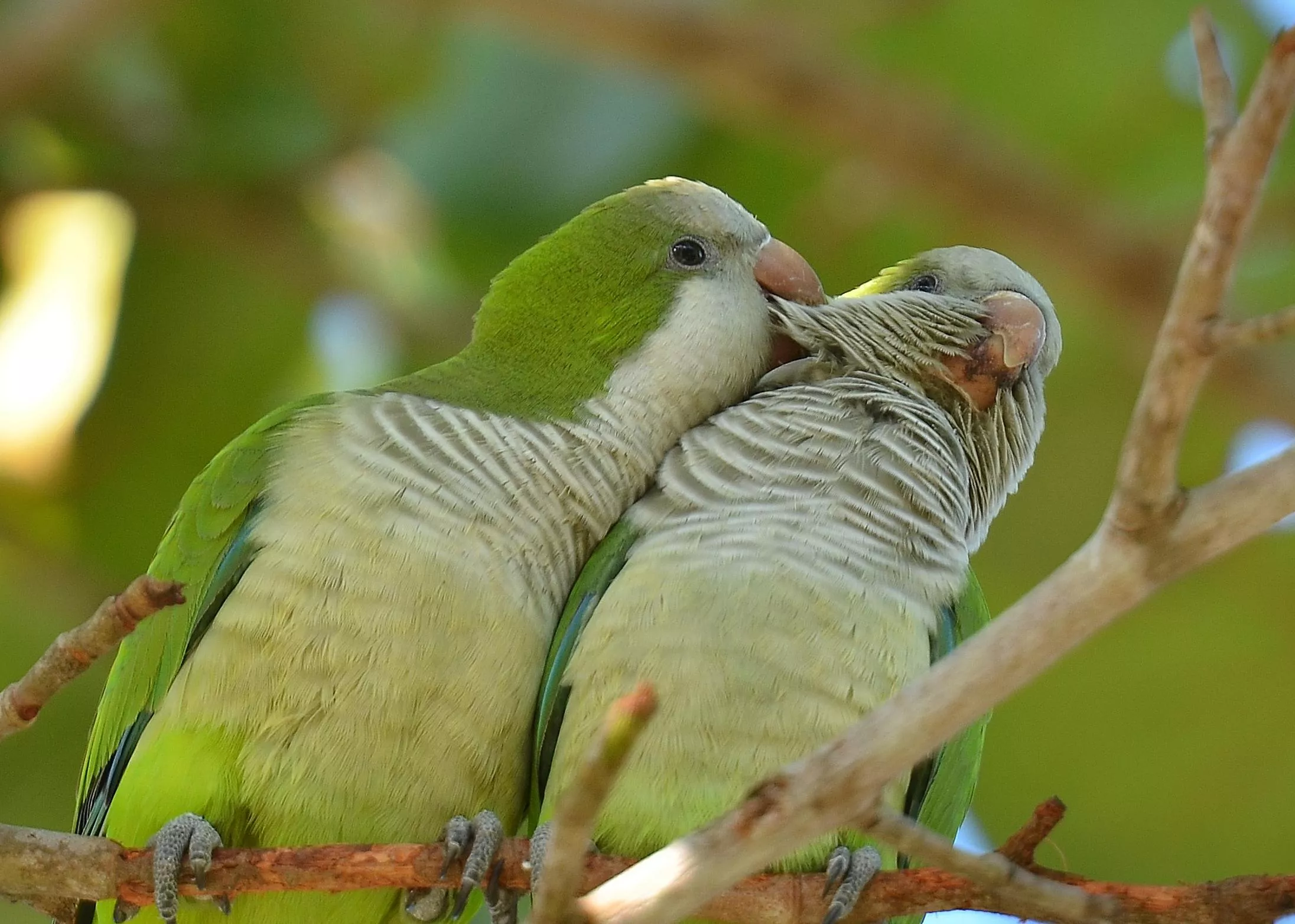
Quaker parrots, also known as monk parakeets, are known for their charming, comical personalities and their ability to learn human speech. They offer all the fun of a large parrot in a smaller package, making them an excellent choice for bird lovers.
They make popular pets for dedicated beginners and adapt well to living in a "human flock" setting. However, in some parts of the U.S., it's illegal to keep them as pets, so check your local laws before adopting one.
Discover everything about the Quaker parrot, including temperament, diet, and care needs.
Breed Overview Common Names: Quaker parrot, Quaker parakeet, monk parrot, monk parakeet, green parakeet, gray-breasted parakeet, Montevideo parakeetScientific Name: Myiopsitta monachusAdult Size: 12 inches from beak to tail, weighing between 4 and 5 ouncesLife Expectancy: 20 to 30 years in captivity, some even longer
Breed Overview
Common Names: Quaker parrot, Quaker parakeet, monk parrot, monk parakeet, green parakeet, gray-breasted parakeet, Montevideo parakeetScientific Name: Myiopsitta monachusAdult Size: 12 inches from beak to tail, weighing between 4 and 5 ouncesLife Expectancy: 20 to 30 years in captivity, some even longer
Origin and History
Native to a small region of South America, Quaker parrots' range extends from central Bolivia and southern Brazil into parts of central Argentina. They typically inhabit woodlands and are known for building strong community bonds.
They are the only parrot known to build nests. They spend significant time creating elaborate dwellings from twigs and branches, where their nests even have multiple rooms. Flocks of Quakers often build nests adjacent to one another, forming tight-knit communities, with some nest communities growing to the size of a compact car.
A hardy bird, feral colonies of Quakers thrive in many urban areas worldwide. In some regions, particularly in the southern U.S., wild Quaker populations pose risks to crops and native bird species.
Temperament
Quakers are confident and social birds by nature. They are delightfully entertaining, often compared to clowns, and love being the center of attention. With the personality of large birds packed into small bodies, these bold, outgoing parrots chatter frequently and are renowned for their talking abilities. Despite their size, they require as much attention as larger parrots.
In captivity, Quakers often bond closely with one person, demonstrating a strong sense of loyalty. Once a connection is formed, owners can enjoy years of companionship. However, it's crucial to train and socialize them to prevent negative behaviors.
Quakers enjoy cuddling and head petting, often greeting owners with excited squeaks. Most handfed Quakers are gentle and can serve as excellent pets for children.
Speech and Vocalizations
Most Quakers develop extensive vocabularies and can combine multiple phrases. Mimicking sounds and singing are other talents this charming parrot has. Quakers are little chatterboxes, especially when more than one bird is present.
The perceived loudness of Quaker parrots is subjective; some owners consider them quiet, while others find them noisy. They don't produce ear-piercing screams like some other parrots but will occasionally call out. Typically, their noise level is manageable and shouldn't disturb neighbors.
How to Teach Your Pet Bird to Talk
Quaker Parrot Colors and Markings
Adult Quakers typically display vivid green coloring on their heads, wings, and backs. Their most distinguishing features are the gray breast, cheeks, and throat—colors reminiscent of Colonial-era Quaker clothing, which inspired their name.
Their flight feathers are a stunning blue, and the undersides of their tails are tinged with light green. Quakers have horn-colored beaks and gray feet, giving them an overall resemblance to a sturdy cockatiel.
Captive breeding programs have introduced a range of beautiful color mutations in Quakers. Among the most popular is the blue hybrid Quaker parrot developed in the early 2000s. Breeders have also created albino, cinnamon, lutino, and pied variations.
Quakers are a monomorphic species, meaning males and females look identical. Accurate sex determination requires either DNA or surgical sexing procedures.
Caring for a Quaker Parrot
Quakers are highly active birds requiring ample space for play. Their cage should measure at least 18 inches square, though they thrive in larger enclosures, providing enough room to fully extend their wings. Ensure the cage is sturdy, as these birds are not only avid chewers but are also adept at opening cages.
Position a Quaker parrot's cage away from direct sunlight and excessive airflow, as they are sensitive to temperature extremes.
Position a Quaker parrot's cage away from direct sunlight and excessive airflow, as they are sensitive to temperature extremes.
Place a bowl of fresh water in the cage for a birdbath, offering hours of entertainment, exercise, and mental stimulation. Also, include a tray at the cage's bottom as Quakers are messy eaters.
Quakers may become aggressive if they perceive their home as threatened, showing possessiveness over their cage. When introducing a new Quaker, allow them to first bond through separate cages, as otherwise, the newcomer may be seen as an intruder and provoke aggression.
If you own a dog or cat, monitor your Quaker closely, as they can be quite fearless and may challenge even large dogs.
Common Health Problems
Common health issues in Quaker parrots include:
Diet and Nutrition
Quakers are excellent eaters, and their diet should incorporate fruits, vegetables, and nuts similar to what they consume in the wild.
As captive birds, Quakers' main diet should consist of a high-quality, commercially formulated pellet mix, supplemented with a variety of fresh fruits, vegetables, leafy greens, and nuts. Include root vegetables, peppers, and colorful produce for critical nutrition.
Feed Quakers approximately 3 tablespoons of pellets daily, and provide at least 1/4 cup of fresh fruits and vegetables each morning. Discard uneaten fresh foods by day's end, and consider a second feeding of fruits and vegetables a few hours before bedtime.
Some Quakers may become overweight if they indulge in too many fattening foods like sunflower seeds, peanuts, and millet.
Ensure fresh water is always available, as with all pet birds. Avoid feeding foods toxic to birds, such as avocado, chocolate, and coffee.
Bird Nutrition and Diet Tips
Exercise
Supply your Quaker with abundant toys and a play gym for energy release and play. Quaker parrots require at least two hours outside of their cage daily in a bird-safe room. Ensure windows and doors are closed, ceiling fans turned off, fireplaces blocked, and potential hazards like toxic plants and other pets removed.
Balls, bells, and smaller chew toys can effectively engage and interest your bird. Given their intelligence, Quakers need mental stimulation, and they enjoy puzzle toys.
Support Quaker parrots in exercising their nest-building instincts. They may weave objects into their cage bars or start nesting in house corners using nearby items they find. Supervise these curious birds whenever they're outside their cage.
Pros of Quaker Parrots
Cons of Quaker Parrots
Where to Adopt or Buy a Quaker Parrot
Consult the U.S. Fish and Wildlife Service and local laws to confirm whether keeping a Quaker parrot is legal. Many Quaker parrots are available for adoption due to various circumstances, so consider contacting nearby bird adoption and education foundations if interested.
Breeders typically sell Quaker parrots for $300 to $1,000 on average. Online resources for finding Quaker parrots include the following rescues, adoption organizations, and breeders:
When searching for a bird, look for one that is bright, alert, and active. Ensure the breeder is knowledgeable, transparent about their breeding practices, and clear on the origins of their birds.
More Pet Bird Species and Further Research
If you're interested in similar bird species or looking for a pet with characteristics like the Quaker, consider the following options:
If you want a bird talented in mimicry, explore some small and medium talking birds that might be a good fit.