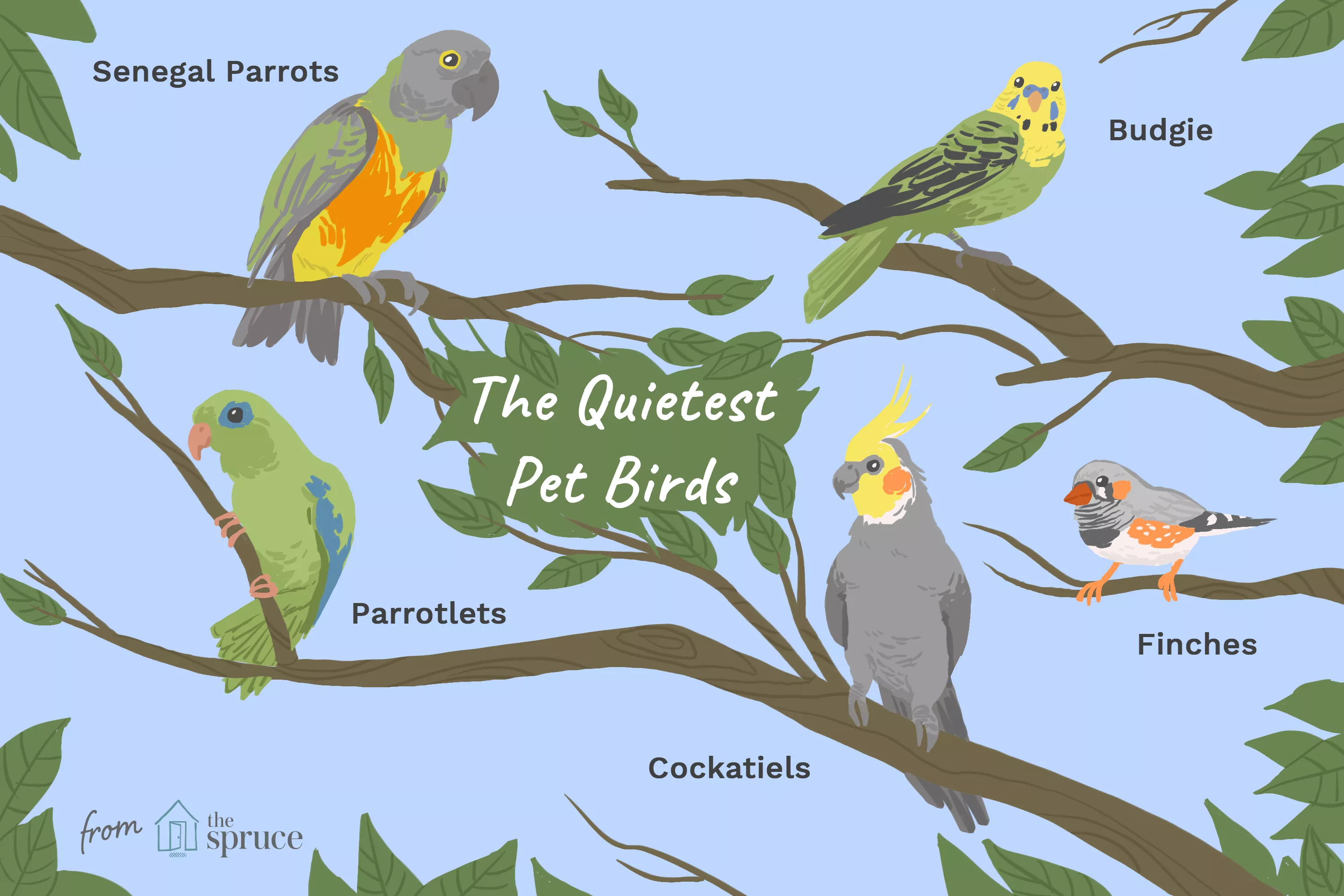
Key Takeaways Not all birds are quiet; some species and individuals within species have varying noise levels.Finches and canaries make great quiet pet birds due to their small voices, chirps, and peeps.Larger birds like cockatiels and Senegal parrots, while capable of vocalizing, do not typically produce disturbing noise levels.
Key Takeaways
Not all birds are quiet; some species and individuals within species have varying noise levels.Finches and canaries make great quiet pet birds due to their small voices, chirps, and peeps.Larger birds like cockatiels and Senegal parrots, while capable of vocalizing, do not typically produce disturbing noise levels.
By nature, birds can be quite vocal. Wild birds call out to their flocks to let others know of their whereabouts or alert them to predators. Still, bird species—and individual birds within species—have varying noise levels.
Although no pet bird will be completely silent, several aren't prone to making much noise. Some of these birds aren't inclined to screech and scream while others simply have soft voices that make for subtle background chatter. Here are eight of the quietest pet birds.
Warning A quiet bird might be a sick bird. If your bird isn't vocalizing normally, consult a veterinarian as soon as possible.
Warning
A quiet bird might be a sick bird. If your bird isn't vocalizing normally, consult a veterinarian as soon as possible.
Things to Consider Before Getting a Pet Bird
Finch
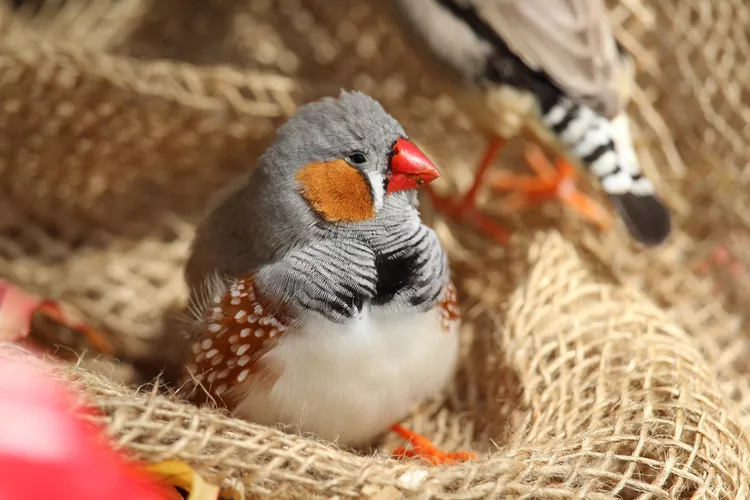
Finches are tiny birds with tiny voices, making them a great option for people who want a quiet bird. They tend to make pleasant chirps and peeps throughout the day, and even a small flock has a relatively low noise level. While they are generally hands-off birds for humans, finches prefer to share their space with flock mates. They require an enclosure in which they can fly, as that typically is their only space for exercise.
Species Overview Length: 4 inchesWeight: 0.5 ouncePhysical Characteristics: Black and white throat bars, orange cheek patches, and red-orange beak (male zebra finch); gray coloration throughout the body and less vivid beak (female zebra finch)
Species Overview
Length: 4 inchesWeight: 0.5 ouncePhysical Characteristics: Black and white throat bars, orange cheek patches, and red-orange beak (male zebra finch); gray coloration throughout the body and less vivid beak (female zebra finch)
Canary
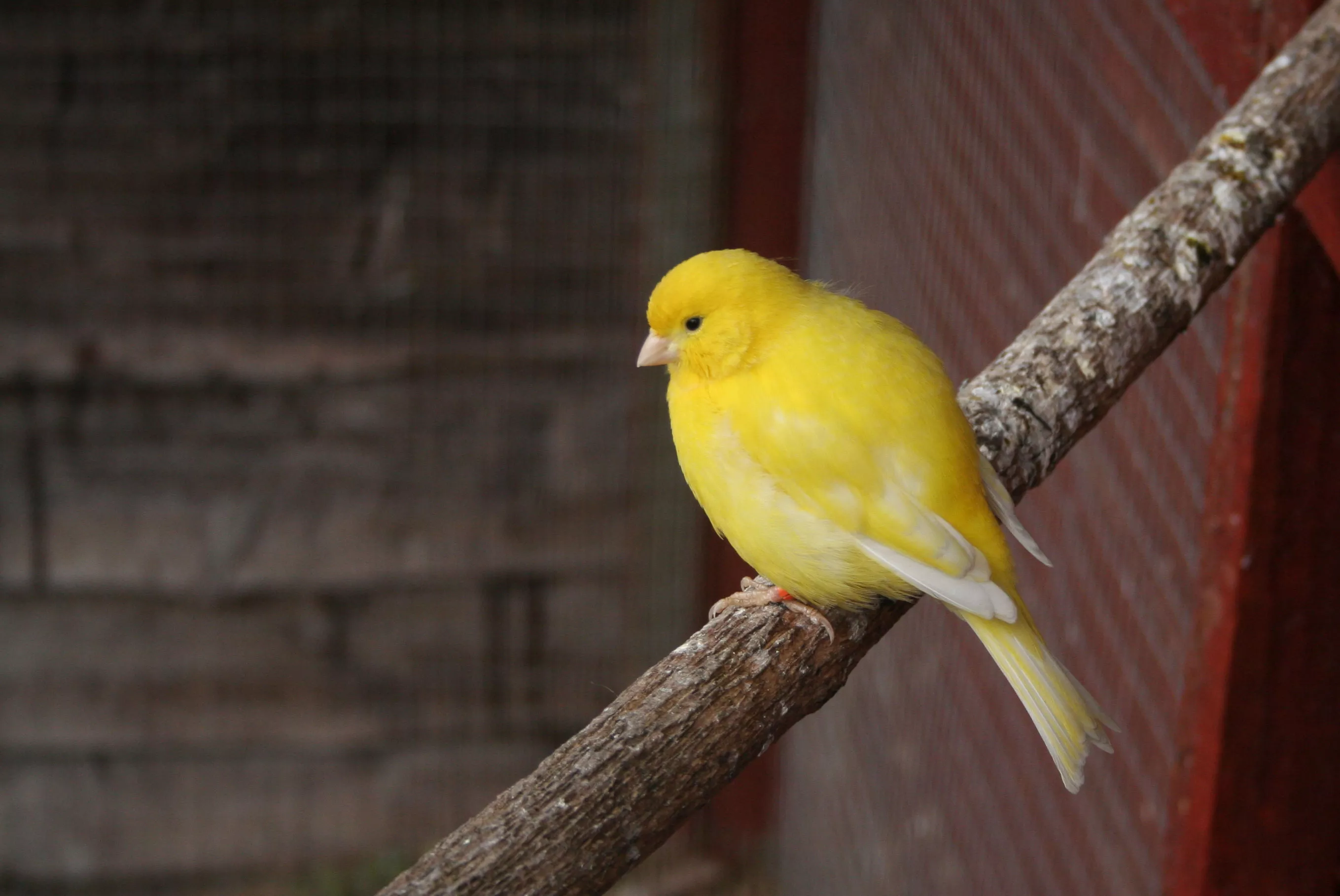
Like other members of the finch family, canaries also don’t tolerate handling well and need a roomy flight cage. Moreover, these birds are relatively solitary and might fight when housed in the same cage. Although male canaries are known for their melodious songs, their small size keeps the volume to a minimum.
Species Overview Length: 5 to 8 inchesWeight: 0.5 to 1 ouncePhysical Characteristics: Feathers of bright yellow (most common), red, orange, or white; some varieties have head crests or frilly feathers
Species Overview
Length: 5 to 8 inchesWeight: 0.5 to 1 ouncePhysical Characteristics: Feathers of bright yellow (most common), red, orange, or white; some varieties have head crests or frilly feathers
Budgerigar
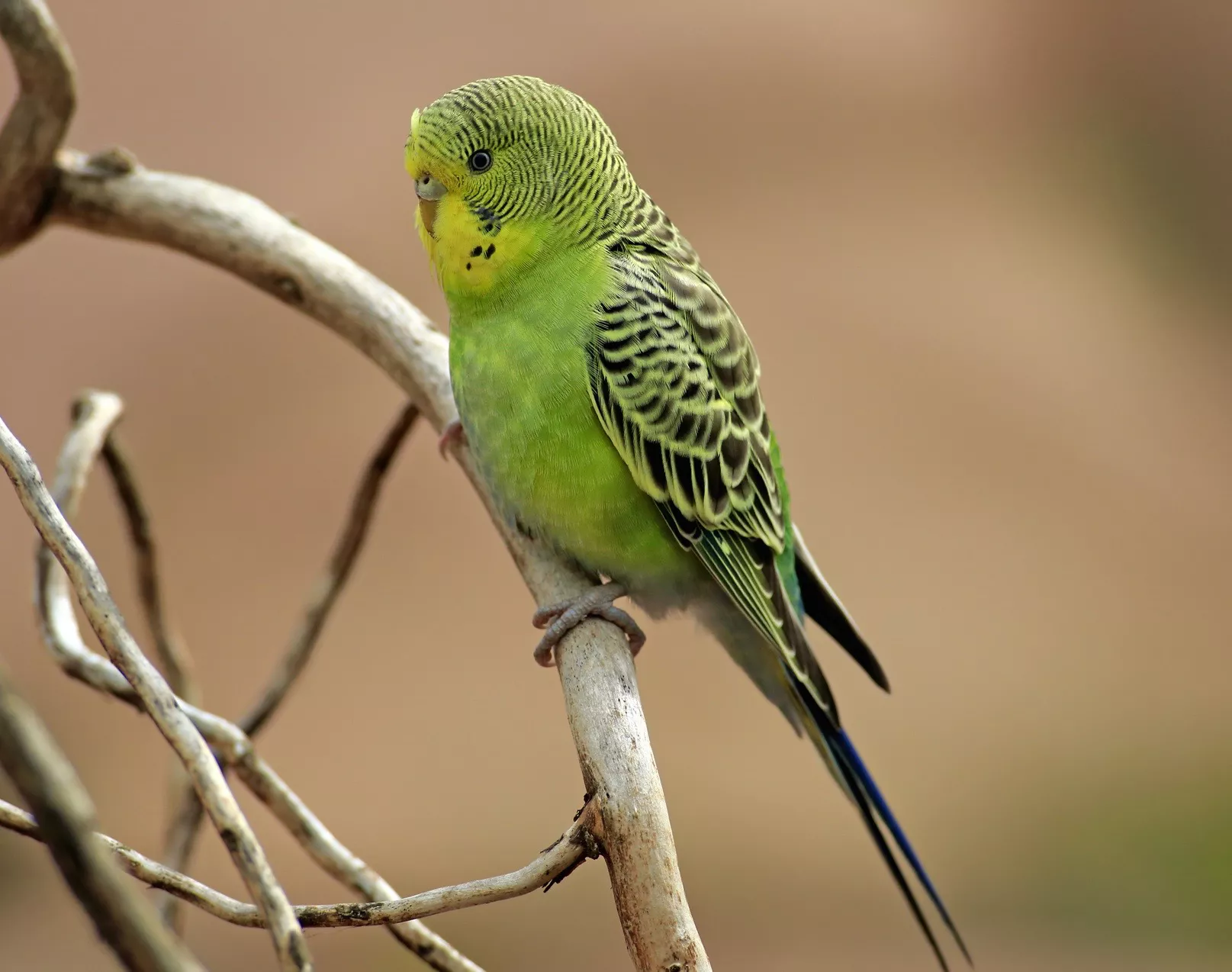
Budgies (or parakeets) have a remarkable ability to learn to talk, just like their larger parrot cousins. While they like to chatter throughout the day, budgies cannot physically scream at the volume of a large bird. These intelligent, playful birds can be very social with their caretakers. They require a variety of toys to keep them entertained, as well as at least a few hours of daily out-of-cage exercise.
Species Overview Length: 6 to 8 inchesWeight: 1 ouncePhysical Characteristics: Green abdomen; black and yellow back; yellow head; dark blue tail; mutations include blue, yellow, white, and gray
Species Overview
Length: 6 to 8 inchesWeight: 1 ouncePhysical Characteristics: Green abdomen; black and yellow back; yellow head; dark blue tail; mutations include blue, yellow, white, and gray
Parrotlet
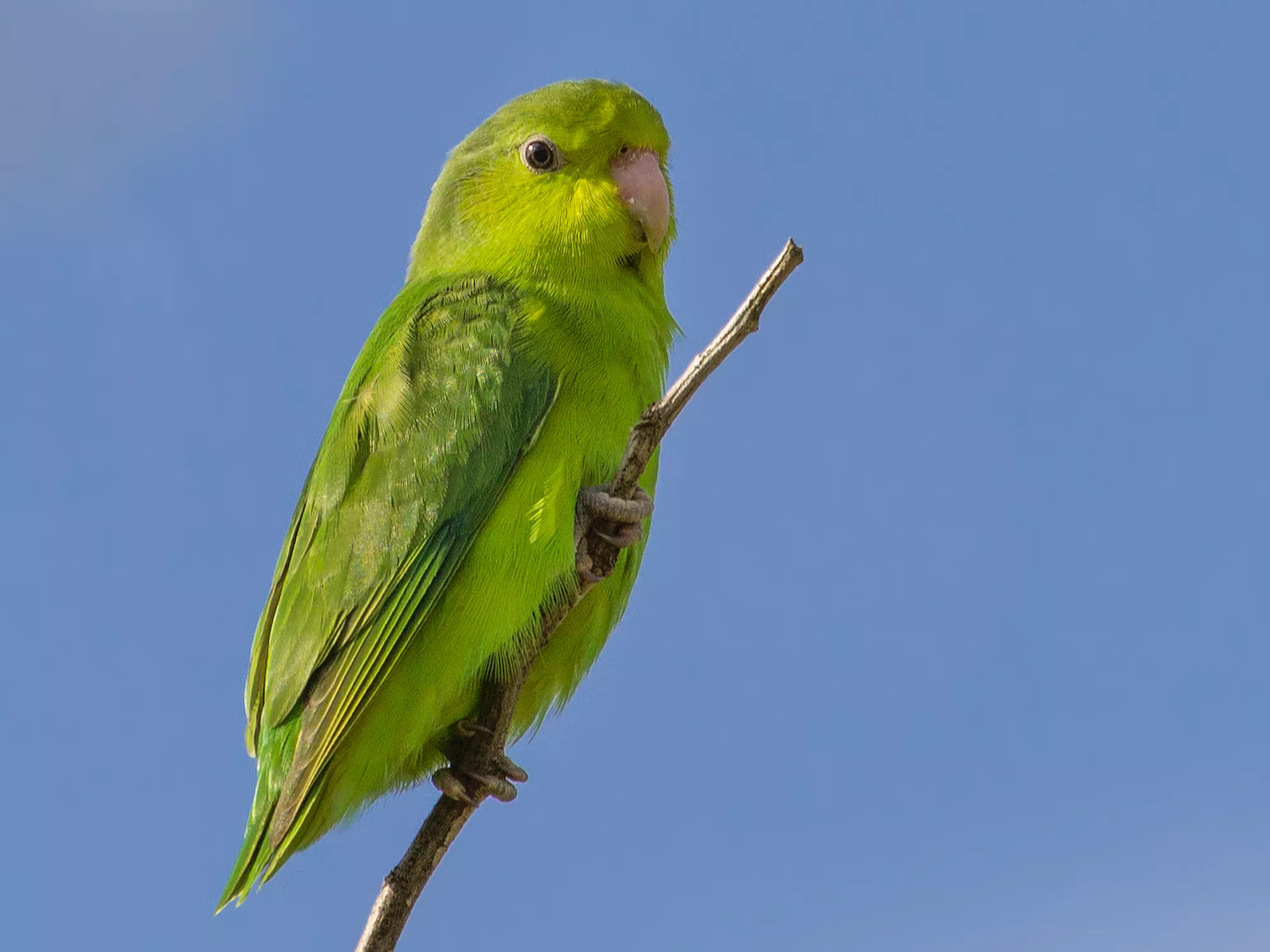
Like budgies, tiny parrotlets lack the ability to screech like an Amazon parrot or a cockatoo. Their soft chatter and chirps are hardly enough to disturb even the most sensitive ears. Although they are small, these birds are full of energy and spunk. They require daily handling and interaction with their caretakers to keep them tame.
Species Overview Length: 4 to 5 inchesWeight: 1 ouncePhysical Characteristics: Green head and body; blue on back and behind eyes; mutations include blue, yellow, and white
Species Overview
Length: 4 to 5 inchesWeight: 1 ouncePhysical Characteristics: Green head and body; blue on back and behind eyes; mutations include blue, yellow, and white
Cockatiel
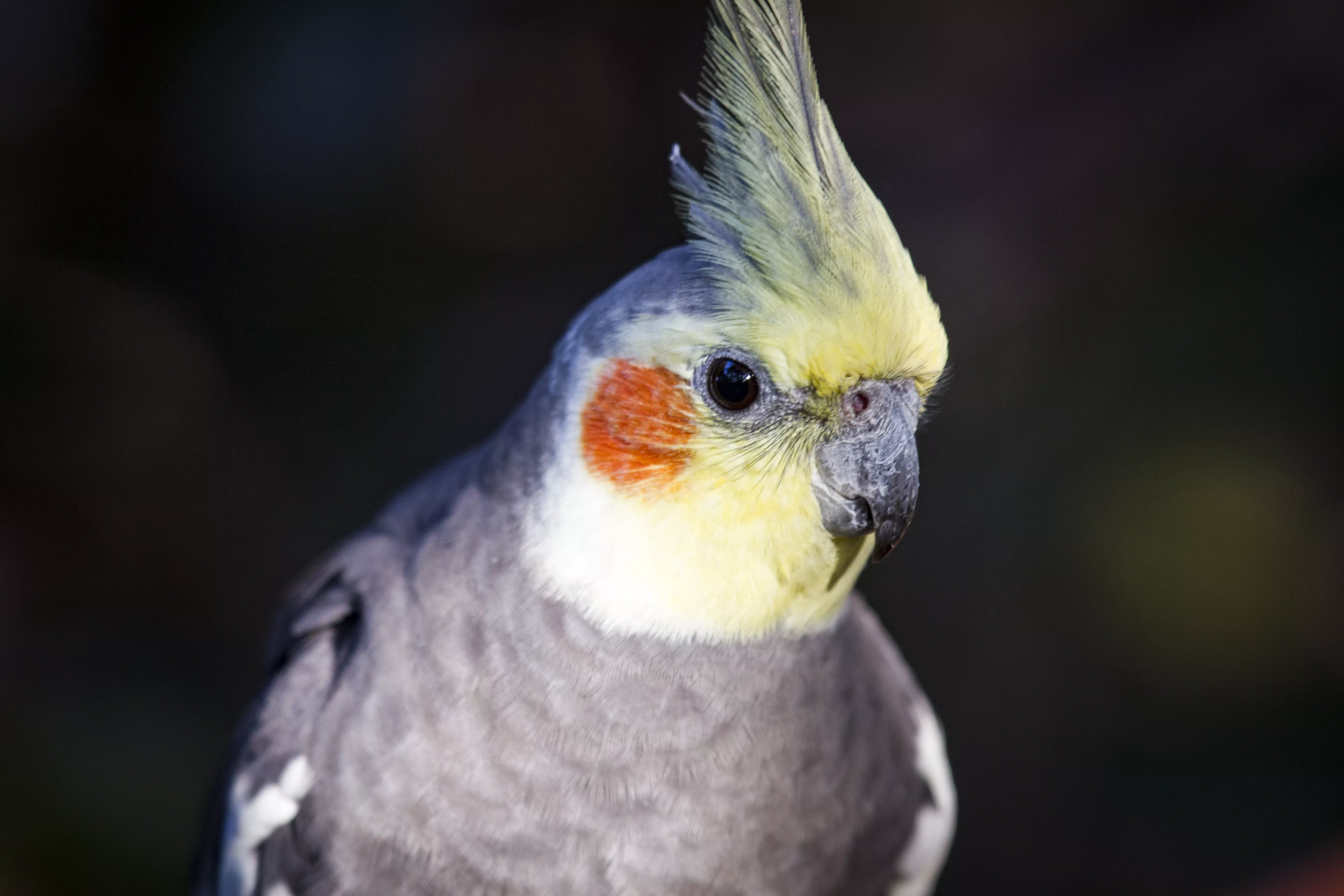
If you are looking for a pet bird that's a little larger than a finch or budgie, consider a cockatiel. Cockatiels can be vocal, but their chirps rarely reach a bothersome level, especially when compared to larger birds. They’re also quite adept at learning to whistle and mimic household sounds, and many spend their days whistling their favorite tunes.
Species Overview Length: 12 to 13 inchesWeight: 3 ouncesPhysical Characteristics: Gray body; yellow face and crest; orange cheeks; long tail; mutations include albino, lutino, pied, and cinnamon
Species Overview
Length: 12 to 13 inchesWeight: 3 ouncesPhysical Characteristics: Gray body; yellow face and crest; orange cheeks; long tail; mutations include albino, lutino, pied, and cinnamon
Senegal Parrot
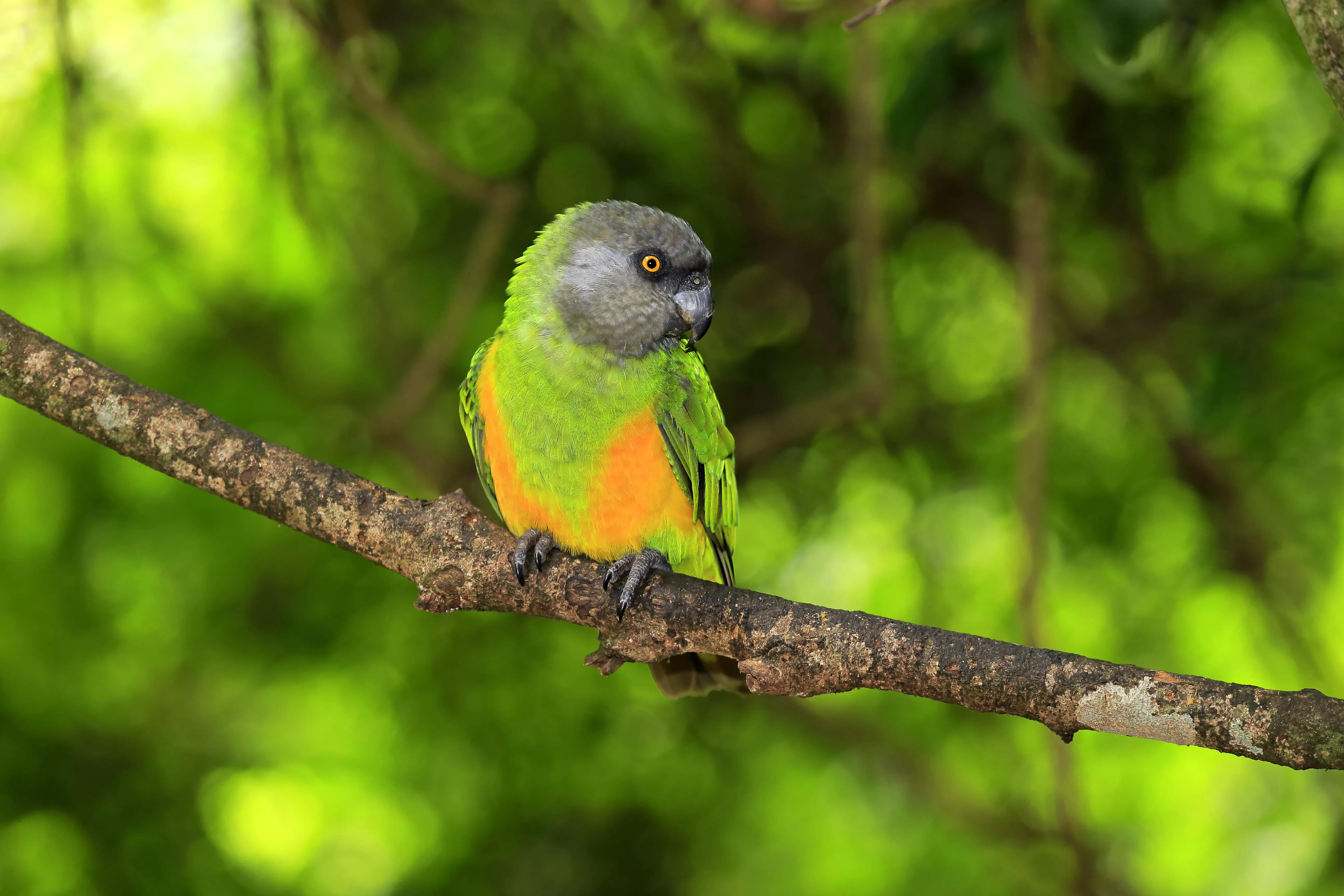
While many parrots are notoriously noisy and demanding, Senegal parrots lean toward a calm, quiet demeanor. While they do vocalize and have the ability to talk, they are less likely to screech than other medium and large parrots. They also tend to be content simply sitting with their favorite caretakers for socialization, though they do need toys and activities to keep them fit.
Species Overview Length: 10 inchesWeight: 4 to 5 ouncesPhysical Characteristics: Gray head; green wings and chest; V-shaped patch of a red to yellow color on belly
Species Overview
Length: 10 inchesWeight: 4 to 5 ouncesPhysical Characteristics: Gray head; green wings and chest; V-shaped patch of a red to yellow color on belly
Bourke’s Parakeet
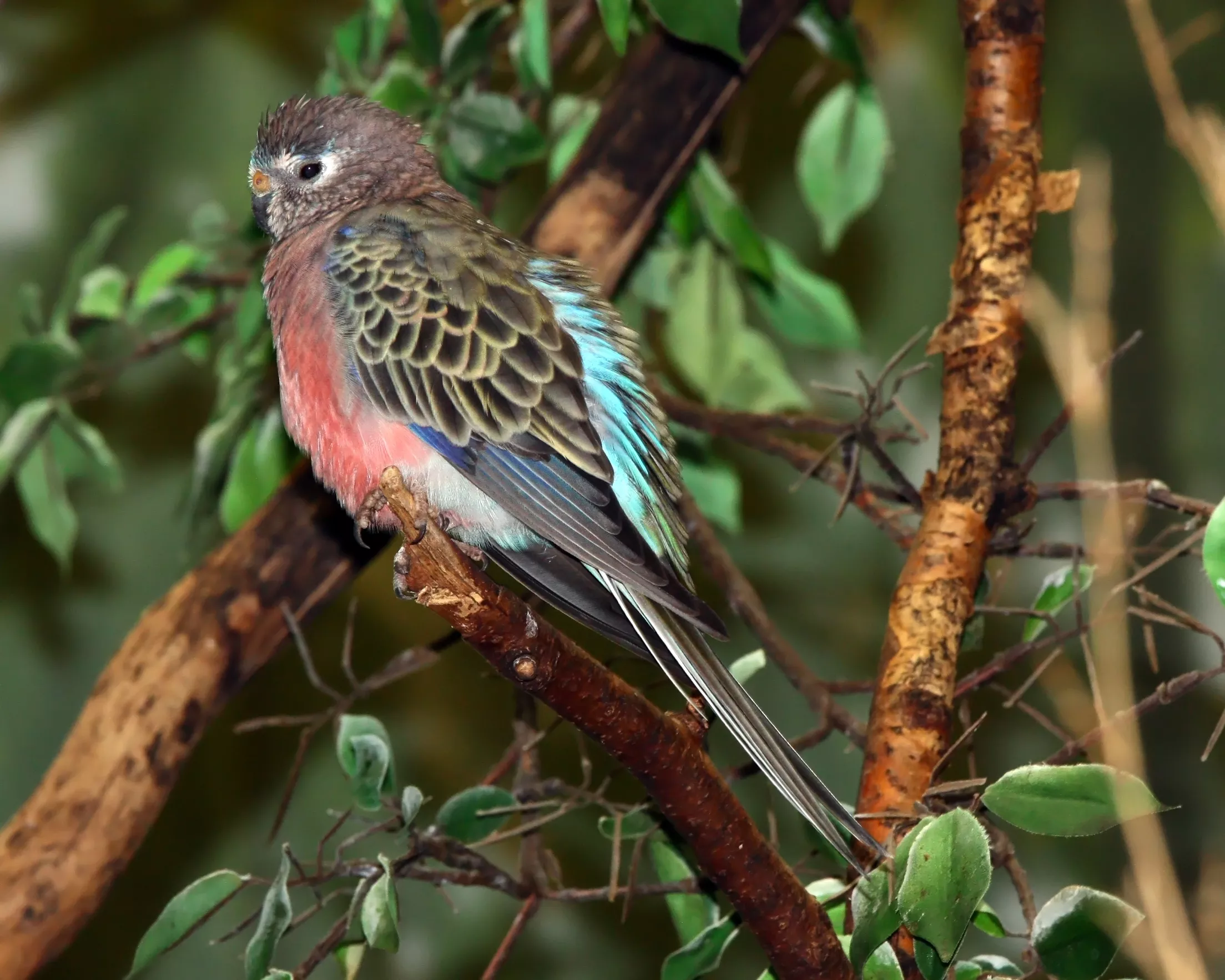
Bourke’s parakeets are known for their quiet and gentle demeanor. They tend to be most active and chatty early in the morning and at dusk, though the noise level is still low compared to other parrots. And while they are only moderately active birds, they prefer a roomy enclosure in which they can do some flying.
Species Overview Length: 7 to 9 inchesWeight: 2 ouncesPhysical Characteristics: Brown-tinted plumage; pink abdomen; blue rump; yellowish-brown beak; males have blue crowns while females have white
Species Overview
Length: 7 to 9 inchesWeight: 2 ouncesPhysical Characteristics: Brown-tinted plumage; pink abdomen; blue rump; yellowish-brown beak; males have blue crowns while females have white
Dove
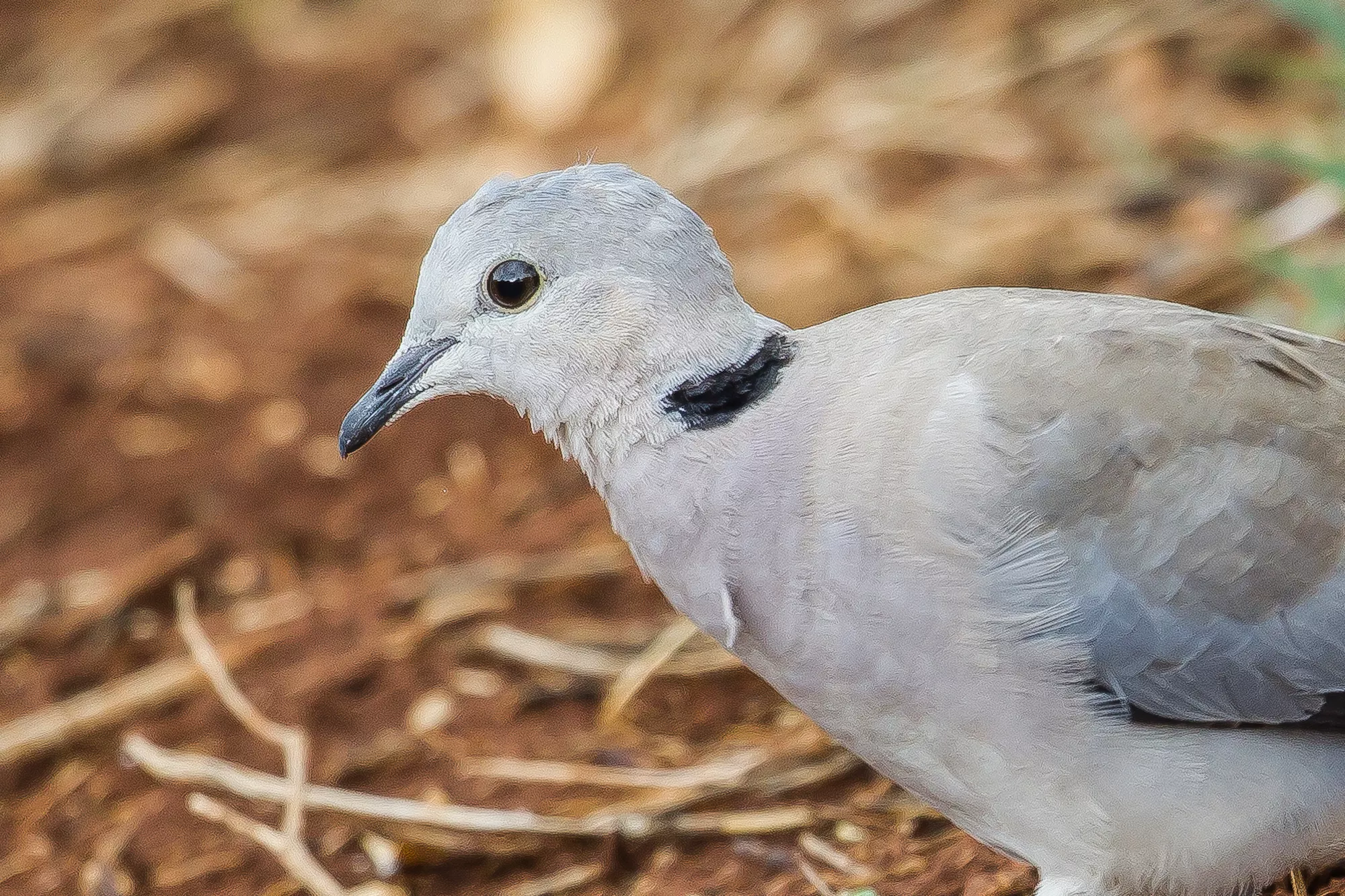
Doves can be sweet and gentle pet birds that aren’t noisy or demanding of attention like many parrots. These birds are known for their pleasant cooing vocalizations, though some people might find it annoying that the cooing rarely ceases while the bird is awake. Still, for those who prefer an easygoing bird, a dove might be an excellent fit.
Species Overview Length: 11 to 13 inchesWeight: 5 to 8 ouncesPhysical Characteristics: Plumage of dull grays and browns; black collar around nape of neck; black eyes and beak; mutations include white, orange, and pied (ring-necked dove)
Species Overview
Length: 11 to 13 inchesWeight: 5 to 8 ouncesPhysical Characteristics: Plumage of dull grays and browns; black collar around nape of neck; black eyes and beak; mutations include white, orange, and pied (ring-necked dove)
The 8 Most Popular Pet Birds—And Why People Love Them