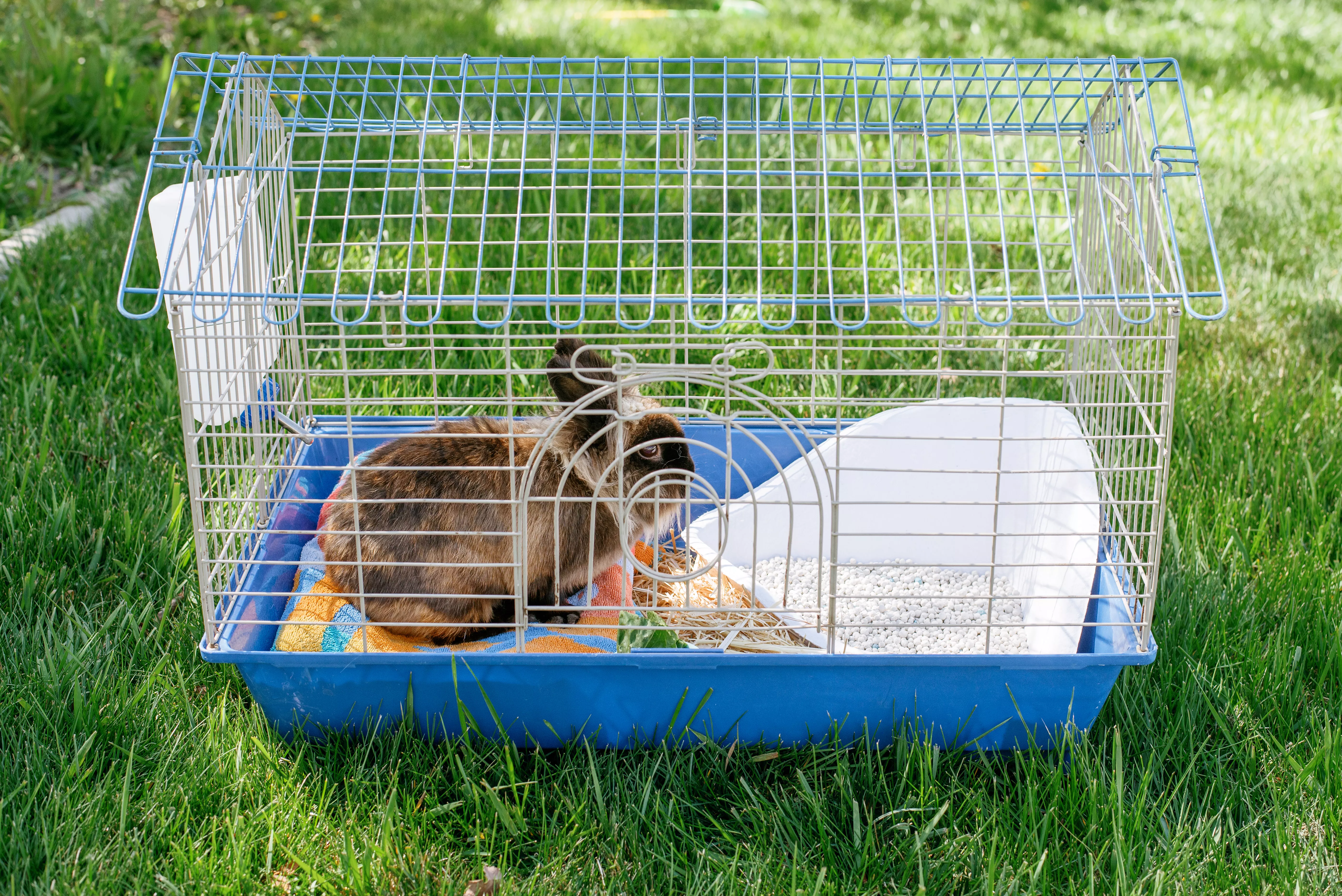
Key Takeaways Clean your rabbit's cage thoroughly at least once every two weeks, or more often if needed.Perform daily maintenance by removing uneaten food, spot-cleaning messes, and refreshing the litter box.Use vinegar or a bleach solution to disinfect the cage, ensuring all cleaning products are rinsed thoroughly.
Key Takeaways
Clean your rabbit's cage thoroughly at least once every two weeks, or more often if needed.Perform daily maintenance by removing uneaten food, spot-cleaning messes, and refreshing the litter box.Use vinegar or a bleach solution to disinfect the cage, ensuring all cleaning products are rinsed thoroughly.
No one likes to clean their pet rabbit's hutch or cage, but sticking to a schedule will make it less of a chore. There are no set rules for how often to clean your rabbit's cage, but by doing a small amount of cleaning every day you will make things easier on yourself.
As a general rule, clean your rabbit's hutch or cage thoroughly at least once every two weeks. However, your rabbit's cage might need deep cleaning more often, depending on the size of the cage and how well your rabbit is litter-trained. If you have more than one rabbit, it will need to be cleaned more often.
Daily Rabbit Cage Cleaning
Do a little bit of cleaning every day to keep your rabbit's cage looking and smelling fresh.
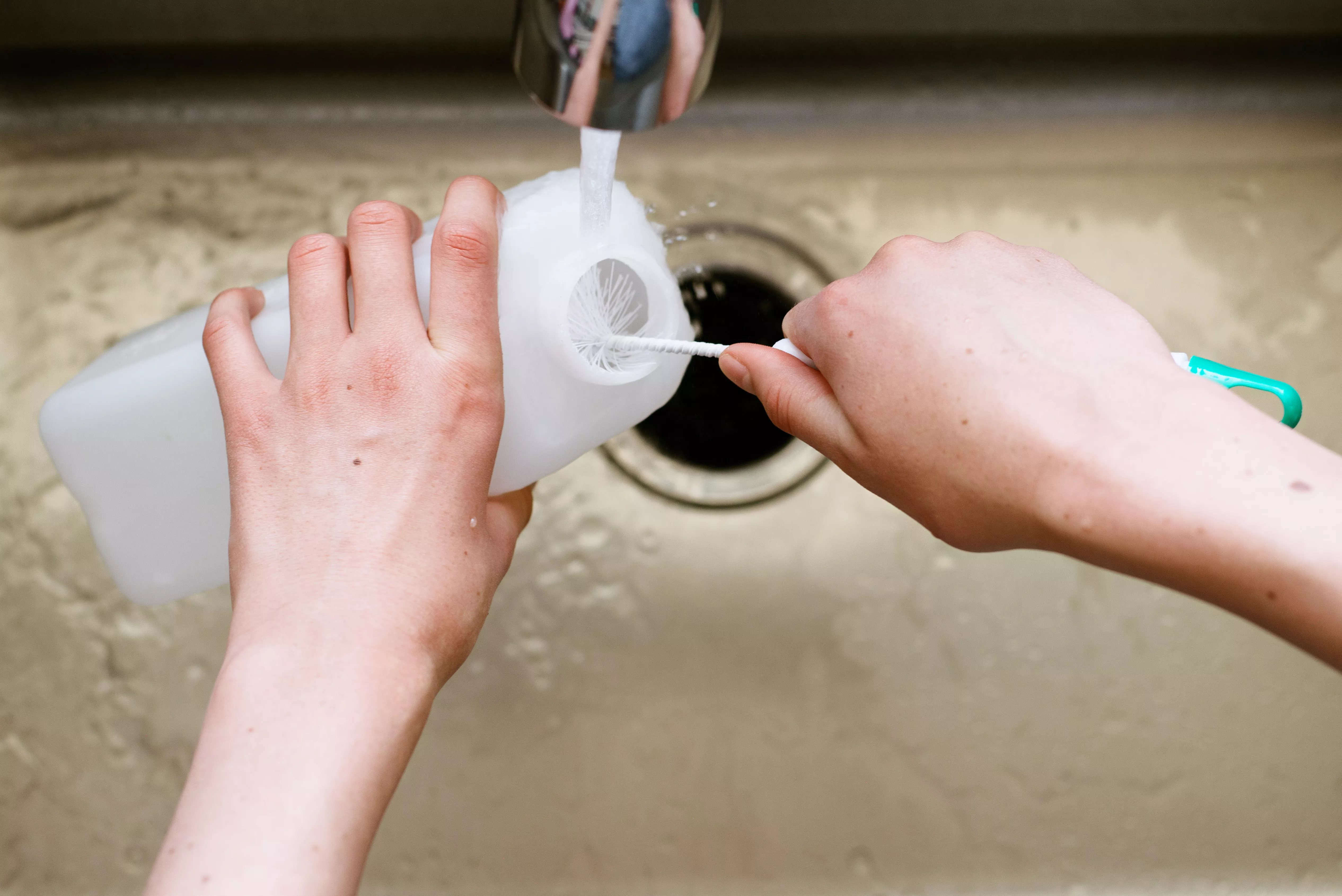
Weekly Rabbit Cage Cleaning
Pick a day of the week that you go a little further into the cleaning process.
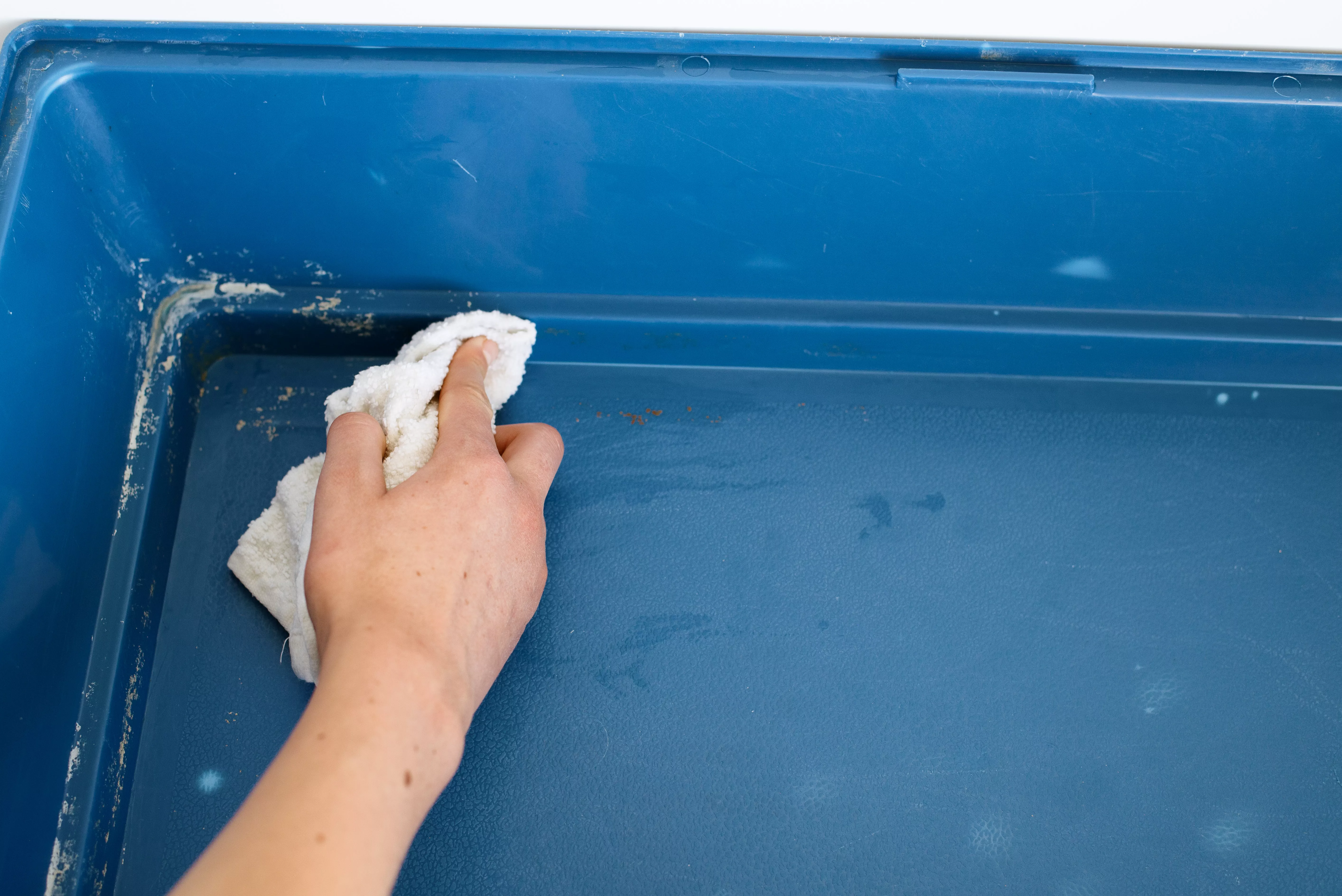
Cleaning Rabbit Litter Boxes
As mentioned, litter boxes should be checked and spot-cleaned daily. This is not only helpful for cleanliness, but it is also important as a way to monitor your rabbit's urine and feces output. Any changes could indicate a health problem with your rabbit.
The frequency of complete litter box changes and cleaning will depend a lot on the type and amount of litter you use. If you use a shallow layer of litter, you might want to clean out the litter box daily. If you use more litter to make a deeper layer, simply scoop out messes and completely change the litter less frequently.
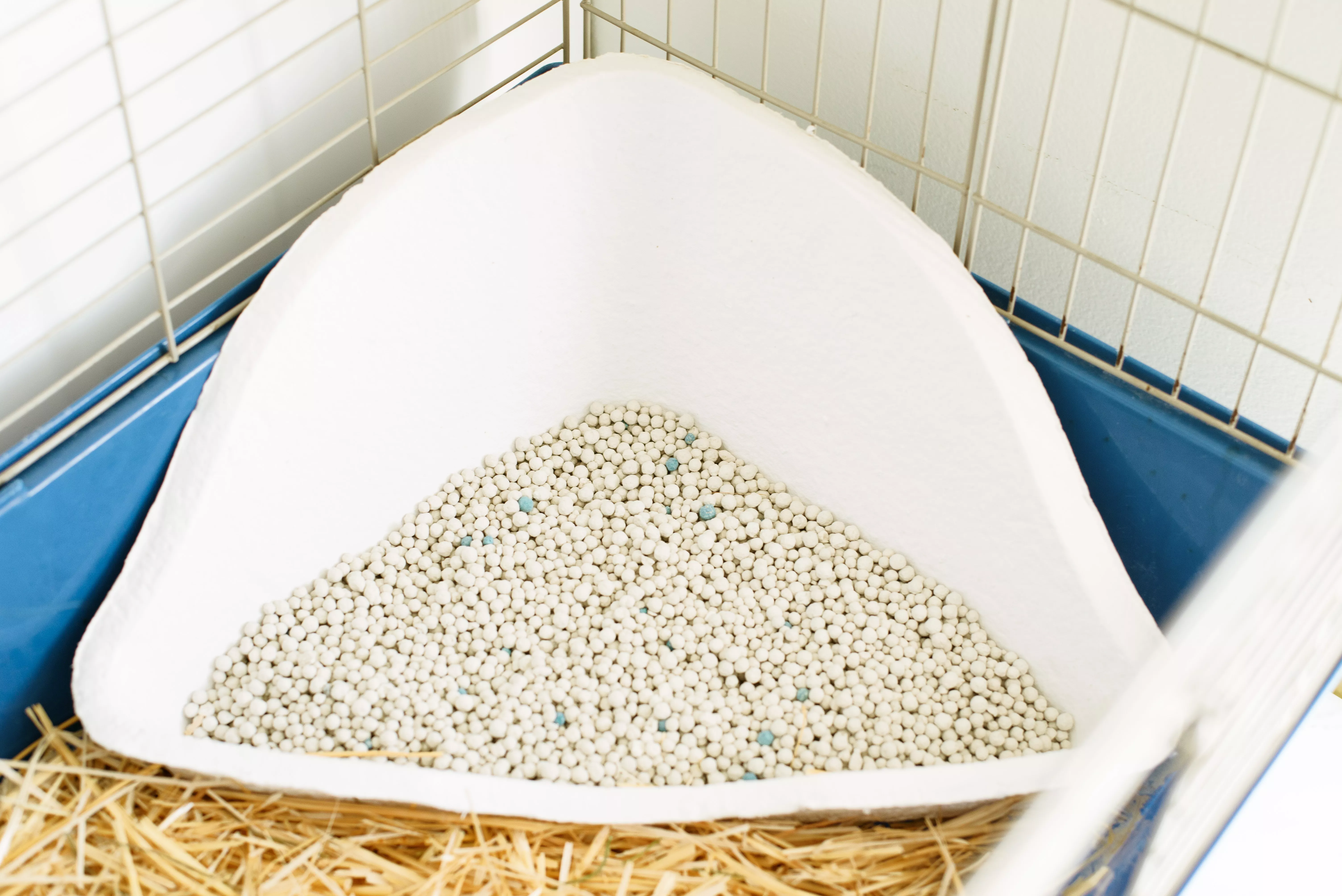
Tips for Cleaning a Rabbit Cage
Calcium salts tend to precipitate out of rabbit urine and form a hard material that sticks to cages and litter boxes. Vinegar dissolves these calcium salts, so keep it in a spray bottle for quick cleaning of litter pans and to spray down soiled parts of the cage. If your litter box has more stubborn deposits, simply soak them with vinegar for 10 to 20 minutes. Choose absorbent bedding to make cage cleaning easier. Invest in two sets of bedding/blankets for each rabbit cage to make this easy for yourself. Look for a large cage that is easy to clean. Exposed wood surfaces soak up urine and other messes and are difficult to clean. Spaying or neutering your rabbit keeps the cage cleaner by reducing the incidence of territorial marking and spraying.
Tips for Cleaning a Rabbit Cage
Calcium salts tend to precipitate out of rabbit urine and form a hard material that sticks to cages and litter boxes. Vinegar dissolves these calcium salts, so keep it in a spray bottle for quick cleaning of litter pans and to spray down soiled parts of the cage. If your litter box has more stubborn deposits, simply soak them with vinegar for 10 to 20 minutes. Choose absorbent bedding to make cage cleaning easier. Invest in two sets of bedding/blankets for each rabbit cage to make this easy for yourself. Look for a large cage that is easy to clean. Exposed wood surfaces soak up urine and other messes and are difficult to clean. Spaying or neutering your rabbit keeps the cage cleaner by reducing the incidence of territorial marking and spraying.