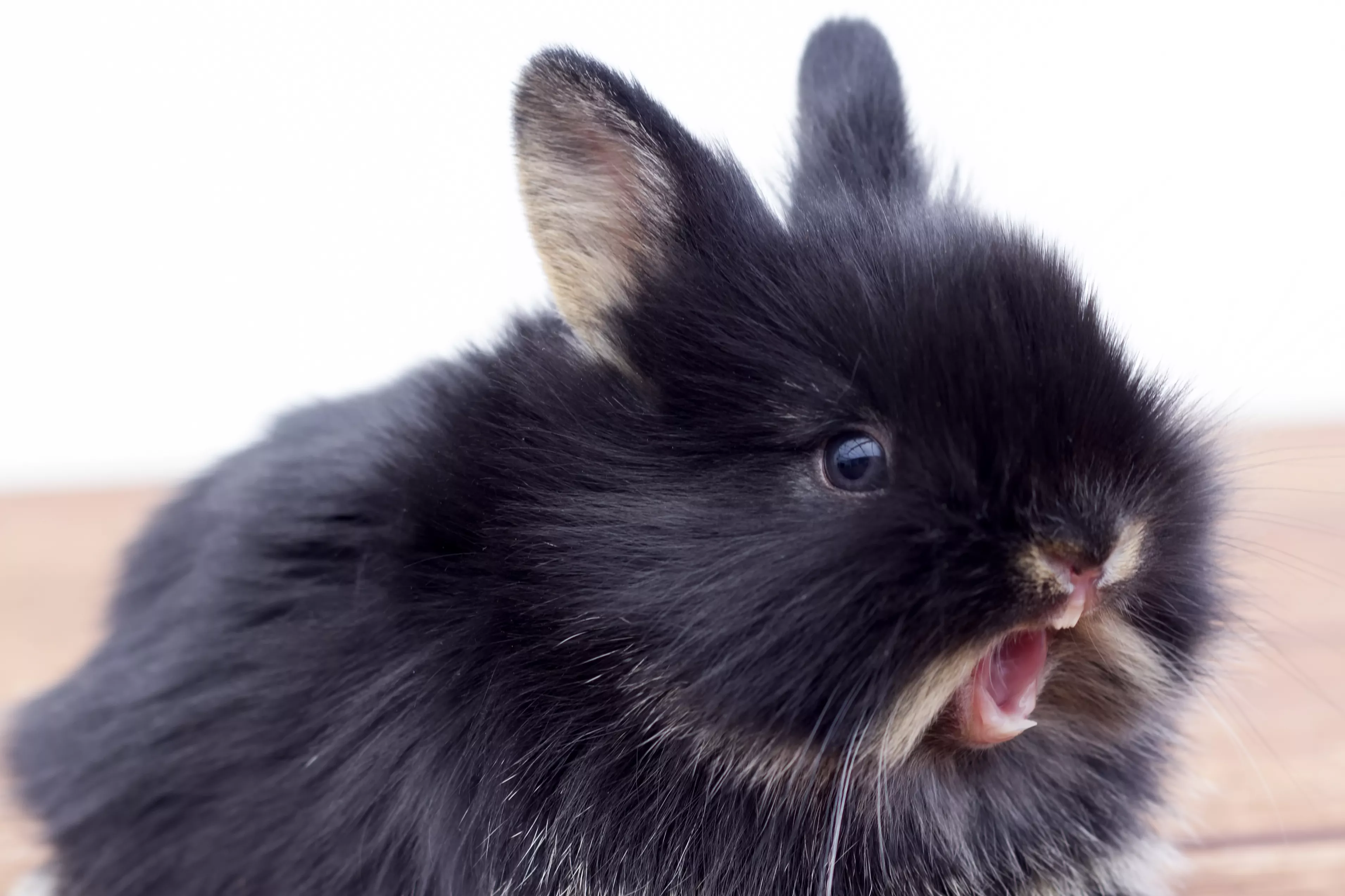
Rabbits have teeth that never stop growing, which can become problematic. Knowing how to keep your rabbit's teeth trim and what actions to take if they become overgrown can help prevent serious issues.
Normal Rabbit Teeth
Rabbits have 28 permanent teeth. Most herbivores, including rabbits, guinea pigs, and horses, have teeth that continuously grow above and below the gum line. The front teeth, known as incisors, are typically the most noticeable. However, rabbits also have molars at the back of their mouths, which can be problematic because they are more difficult to see.
How Do Rabbit Teeth Become Overgrown?
The natural grinding action that occurs when a rabbit chews fibrous plants usually wears teeth down to an ideal length, despite continuous growth. However, pet rabbits often need their teeth manually trimmed due to various health, environmental, and genetic factors.
While many of your rabbit's teeth can become too long, the incisors are the easiest to identify when overgrown. They can grow so long that they curl up and stick out between your rabbit's lips. This is problematic because they may get stuck on objects like cage bars or, worse, grow into your rabbit's gums or the roof of their mouth.
Similar to the incisors, the molars can also reach excessive lengths. Molars are difficult to see without a special instrument called a speculum, making it hard for rabbit owners to know if these teeth are overgrown. Rabbits and other exotic pets with overgrown molars tend to drool excessively and have difficulty chewing and swallowing, which are key signs to watch for. If a rabbit is unable to eat, ileus can quickly develop, causing a life-threatening situation.
Treatment of Overgrown Rabbit Incisors
Fortunately, you can easily manage your rabbit's overgrown front teeth. When done correctly, tooth trims are not painful, and there are two common methods used.
Treatment of Overgrown Rabbit Molars
Trimming rabbit molars is more challenging than trimming incisors. Molars are not easily visible to rabbit owners, so overgrown molars might not be noticed until the rabbit has trouble eating or is drooling. A veterinarian will use a speculum to view the molars and confirm their overgrowth. Your rabbit must be sedated to have its molars trimmed. A dental bur or special tooth file is used to grind the teeth down, but dental X-rays may also be recommended to check if the teeth are diseased and need extraction.
How to Prevent Overgrown Teeth in a Rabbit
While you cannot prevent your rabbit's teeth from growing, you can take simple steps to stop them from becoming overgrown.