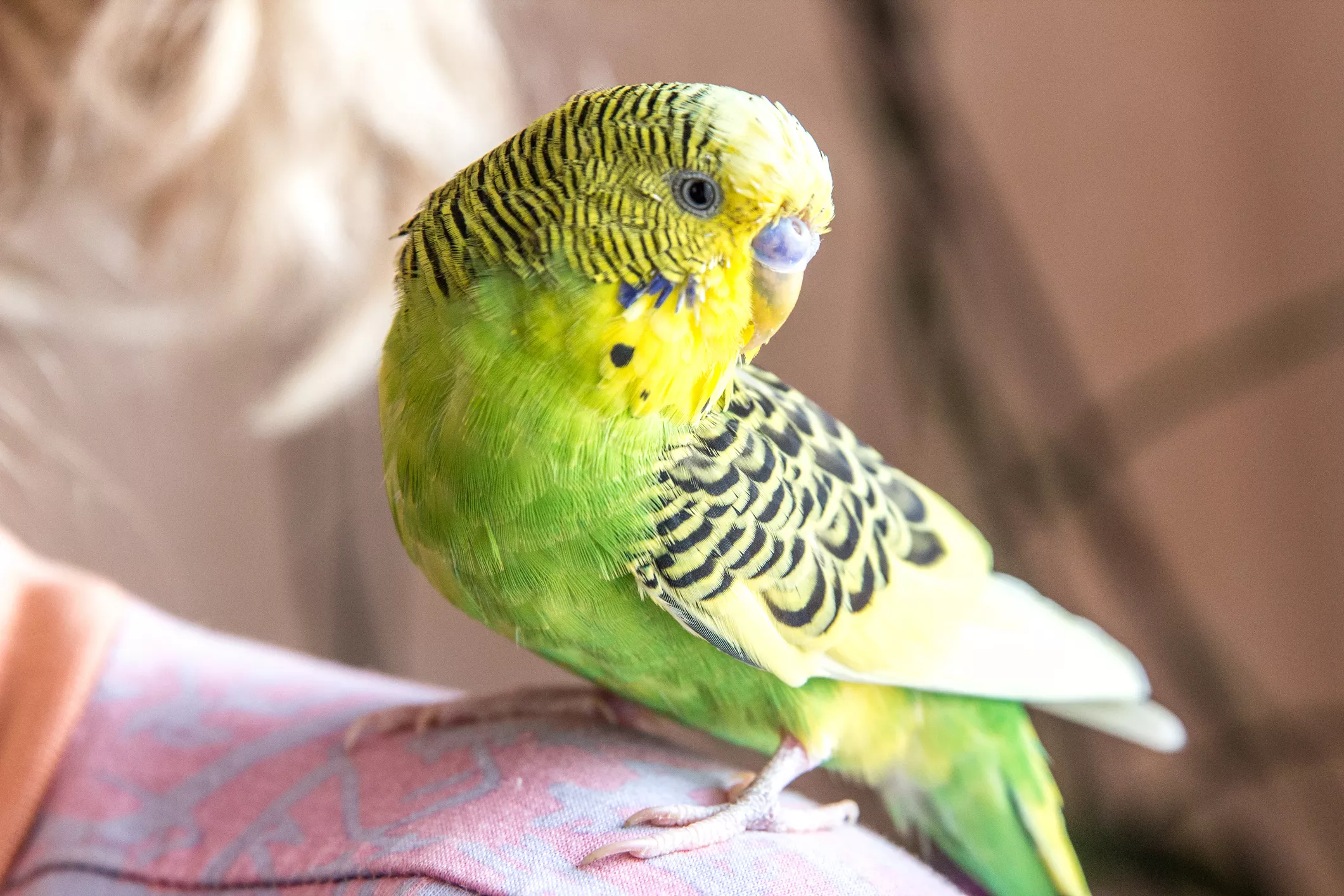
Key Takeaways Never squeeze a pet bird due to their fragile skeletons and delicate respiratory systems.Teach your bird to "step up" to ensure safe handling and reduce stress.Avoid allowing parrots to sit on your shoulder to prevent potential bites.Consider clipping your bird's wings to minimize injury risks.Protect your jewelry and accessories to prevent them from being damaged or swallowed by the bird.
Key Takeaways
Never squeeze a pet bird due to their fragile skeletons and delicate respiratory systems.Teach your bird to "step up" to ensure safe handling and reduce stress.Avoid allowing parrots to sit on your shoulder to prevent potential bites.Consider clipping your bird's wings to minimize injury risks.Protect your jewelry and accessories to prevent them from being damaged or swallowed by the bird.
Unlike cats and dogs, parrots and other pet birds are not domesticated. They require specialized care methods unfamiliar to many. Handling a bird differs significantly from handling a domesticated animal and, if not done correctly, can be dangerous for both the bird and its owner.
If you're new to keeping pet birds, don't miss the safe handling tips below. Ensuring you handle your bird safely and correctly is key to maintaining a safe, satisfying relationship.
Never Squeeze a Pet Bird
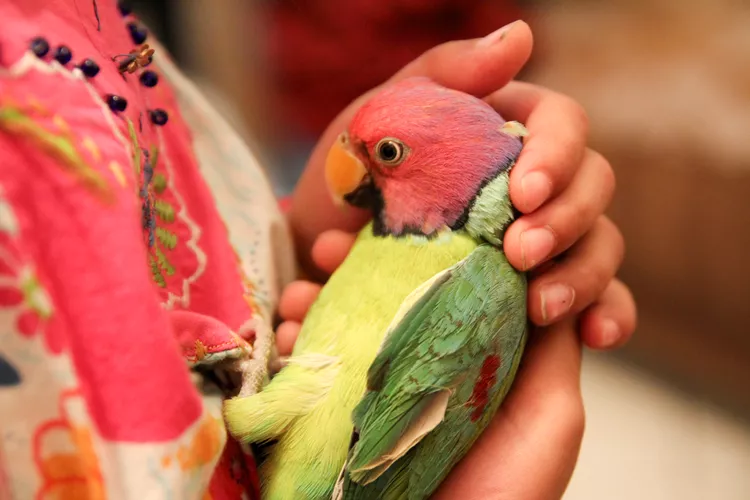
Sometimes, it's necessary to hold a bird firmly to trim its nails, clip its wings, or perform other procedures. However, it's crucial never to squeeze the bird.
Birds have fragile skeletons and delicate respiratory systems. Squeezing them can cause broken bones, organ damage, or other issues leading to severe injury or sudden death. Keep your bird safe by avoiding excessive pressure on any part of its body.
Teach Your Bird to "Step Up"
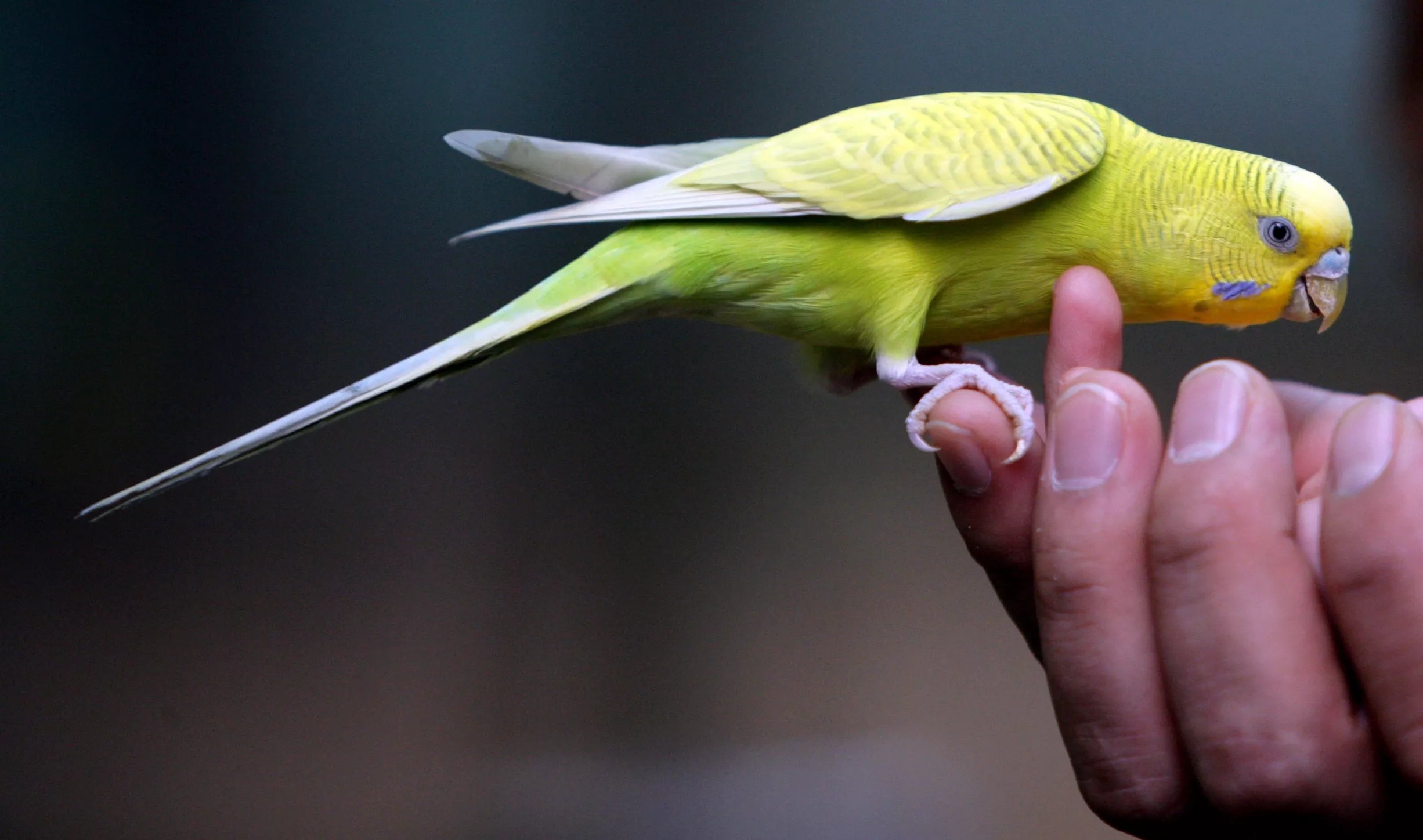
Teaching your bird to step up can go a long way toward helping you handle your bird safely. Birds who refuse to step onto their owners' fingers often have to be toweled or grabbed when it's time for them to come out of the cage, putting them at risk for injury and severe stress.
If your bird doesn't know the step up command, then you should start teaching him to perform this function as soon as possible. Any bird owner will tell you that it is the single most important thing that you can teach your feathered friend.
Don't Allow a Parrot to Sit on Your Shoulder
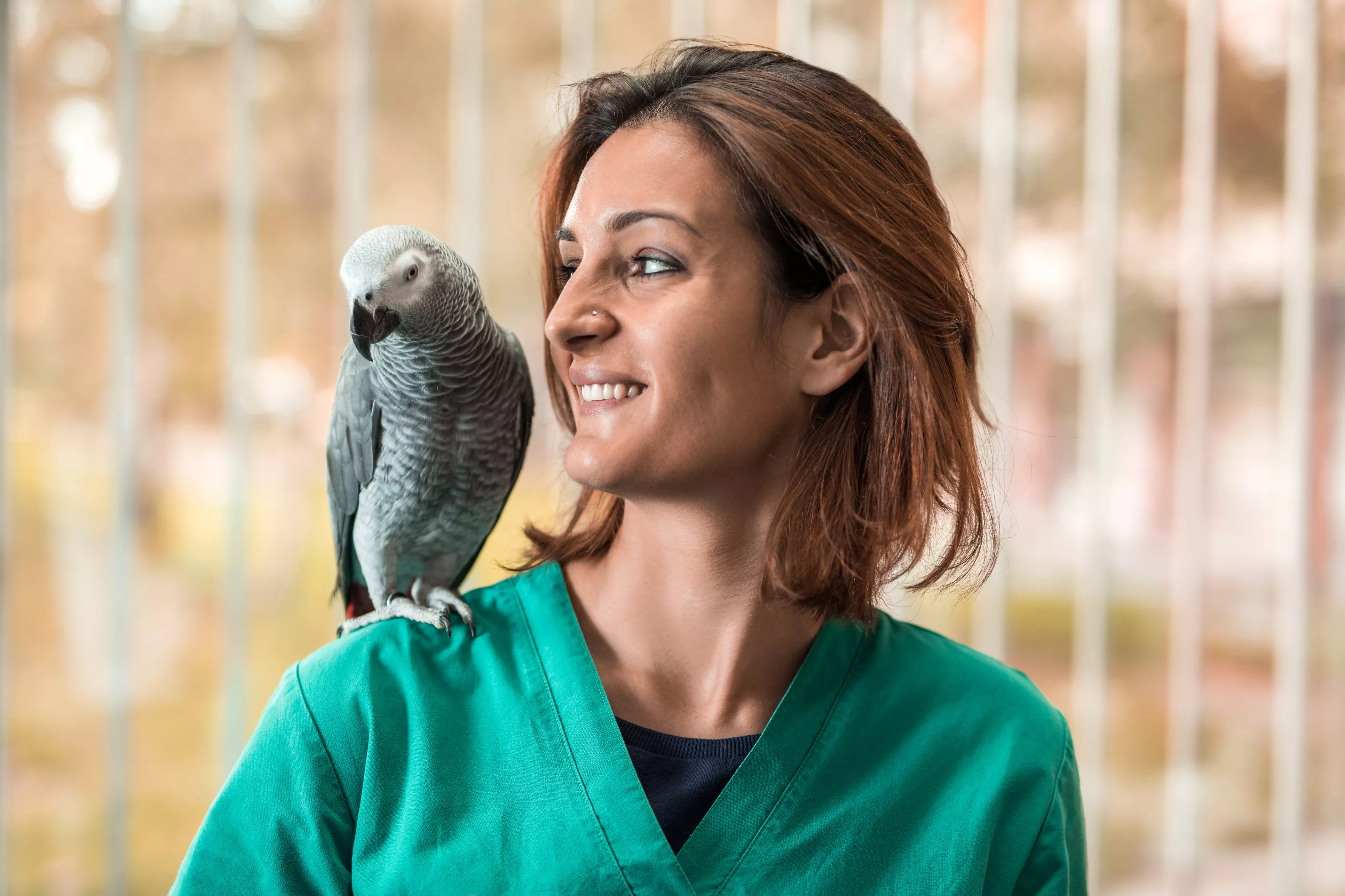
While movies and TV shows often depict parrots perching on their owners' shoulders, this poses risks. Even the tamest, friendliest birds might bite if startled or upset.
Allowing a bird on your shoulder places it at face level, risking severe bites if something goes wrong. Prevent this by holding your bird on your hand or forearm at a safe distance from your face and ears.
Keep Your Bird's Wings Clipped

Initially, clipping your bird's wings may not seem beneficial, but it aids in safe handling. Birds with clipped wings quickly learn they can't fly, becoming more dependent on owners and staying close when out of the cage.
Birds with unclipped wings might try to fly during handling, causing owners to instinctively grab them. Due to their physical fragility, this can result in severe injuries. Clipping wings minimizes this risk.
Guard Your Jewelry and Accessories
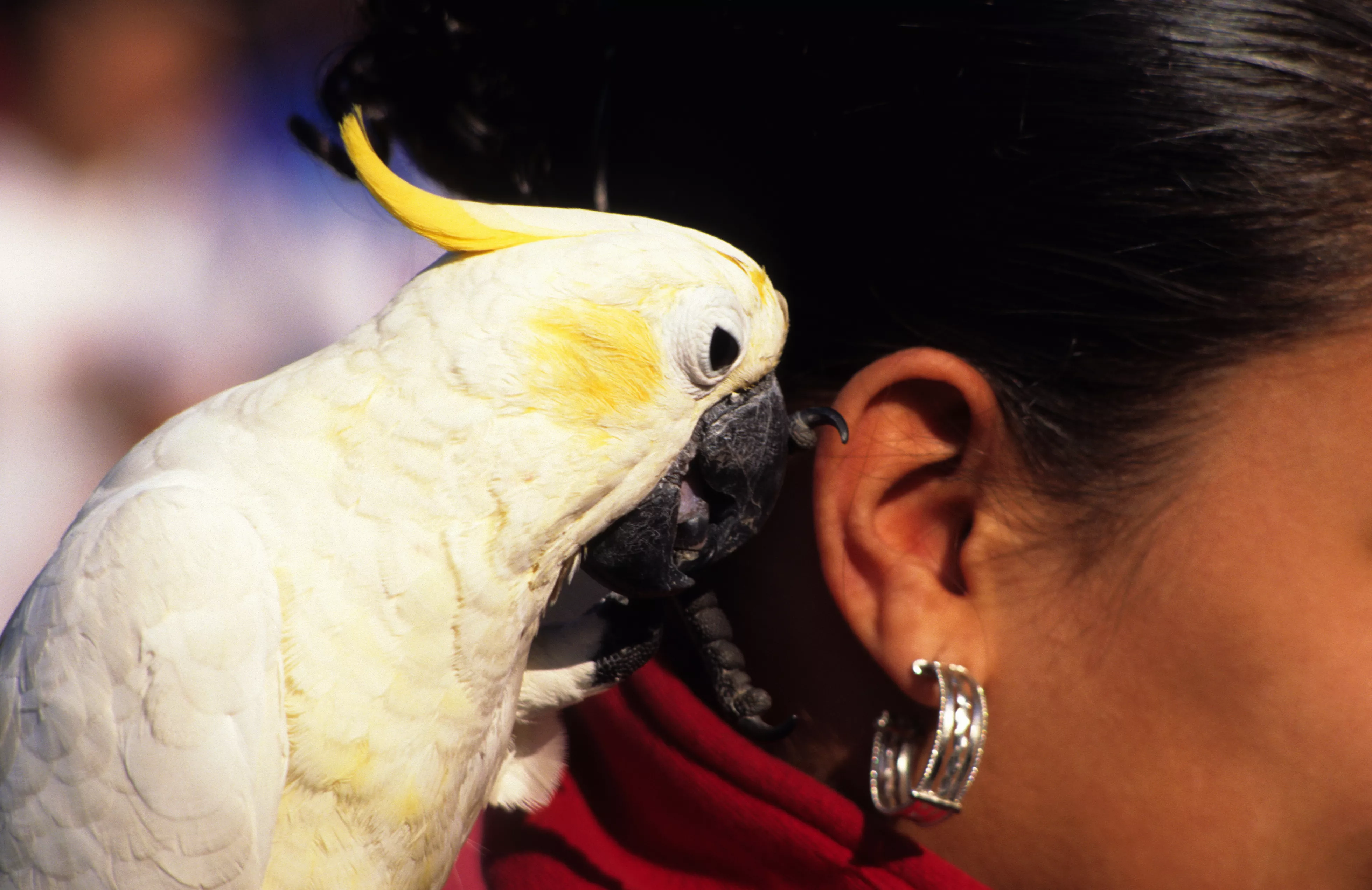
When learning to hold a bird safely, remember that birds love to bite and pick at small, shiny objects. Your rings, earrings, necklaces, and other jewelry are irresistible to them.
Many bird owners can attest to accidents if a feathered friend targets an earring or piercing. Play it safe by removing all jewelry before handling your pet bird and keeping safe bird toys available to distract your pet.