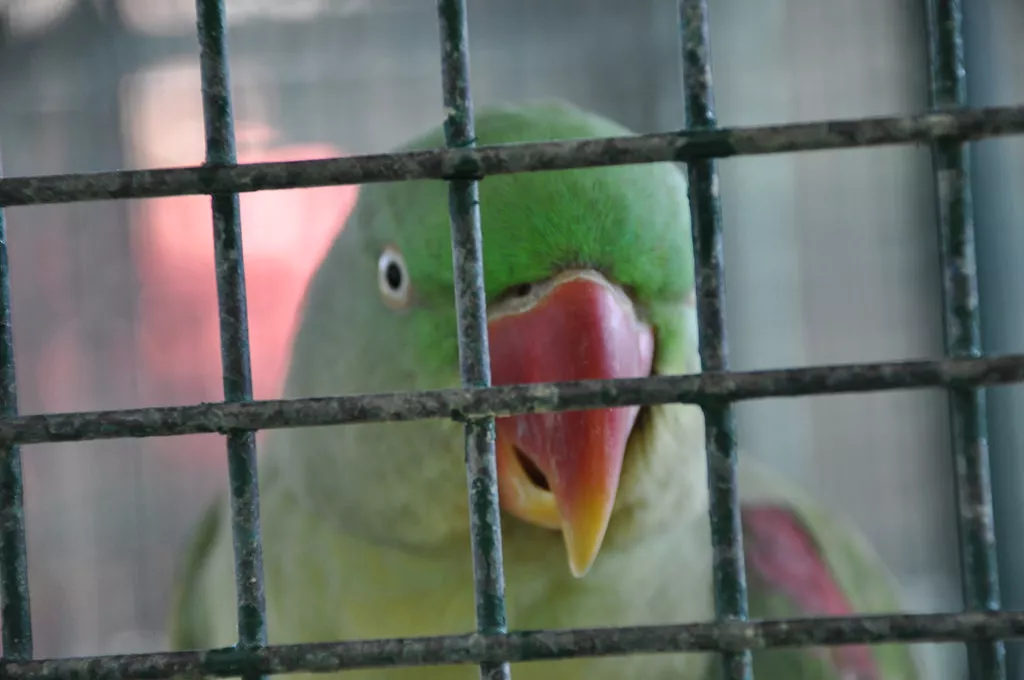
Key Takeaways Recognizing stress in pet birds is crucial for maintaining their mental and physical health.Signs of stress include feather picking, aggression, changes in appetite, vocalizations, and repetitive behaviors.Addressing environmental stressors and consulting with a vet are essential steps in managing bird stress.
Key Takeaways
Recognizing stress in pet birds is crucial for maintaining their mental and physical health.Signs of stress include feather picking, aggression, changes in appetite, vocalizations, and repetitive behaviors.Addressing environmental stressors and consulting with a vet are essential steps in managing bird stress.
Stress significantly affects the health of both humans and their companion animals. Because pet birds are naturally sensitive, they struggle more with stress compared to pets like cats and dogs. Recognizing stress in your pet bird is crucial for creating an environment where they can mentally and physically thrive. Bird owners should learn how to monitor and adjust their bird's stress levels to maintain their health and happiness.
Why Do Birds Experience Stress?
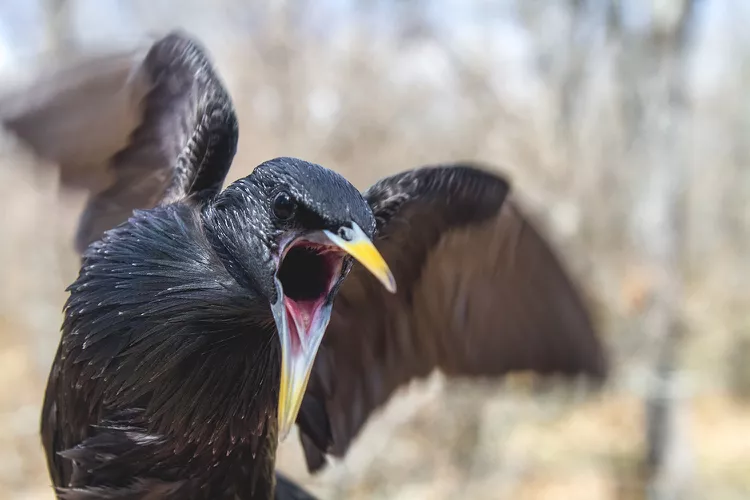
Why do birds experience stress? Like humans, birds can become stressed for various reasons. They are creatures of habit, and changes in their schedule or environment can be stressful.
Environmental modifications such as moving to a new home, introducing new family members or pets, external noises like construction, trucks, or thunder, changes in paint color, or relocation can trigger stress. Alterations in routine, whether the owner's or the bird's, may also induce stress. Even viewing unfamiliar wildlife outside, like hawks, raccoons, or deer, can disturb a bird. Changes in the light cycle, such as moving to a darker room, daylight savings adjustments, or covering the cage, can also unsettle birds.
Signs Of Stress in Birds
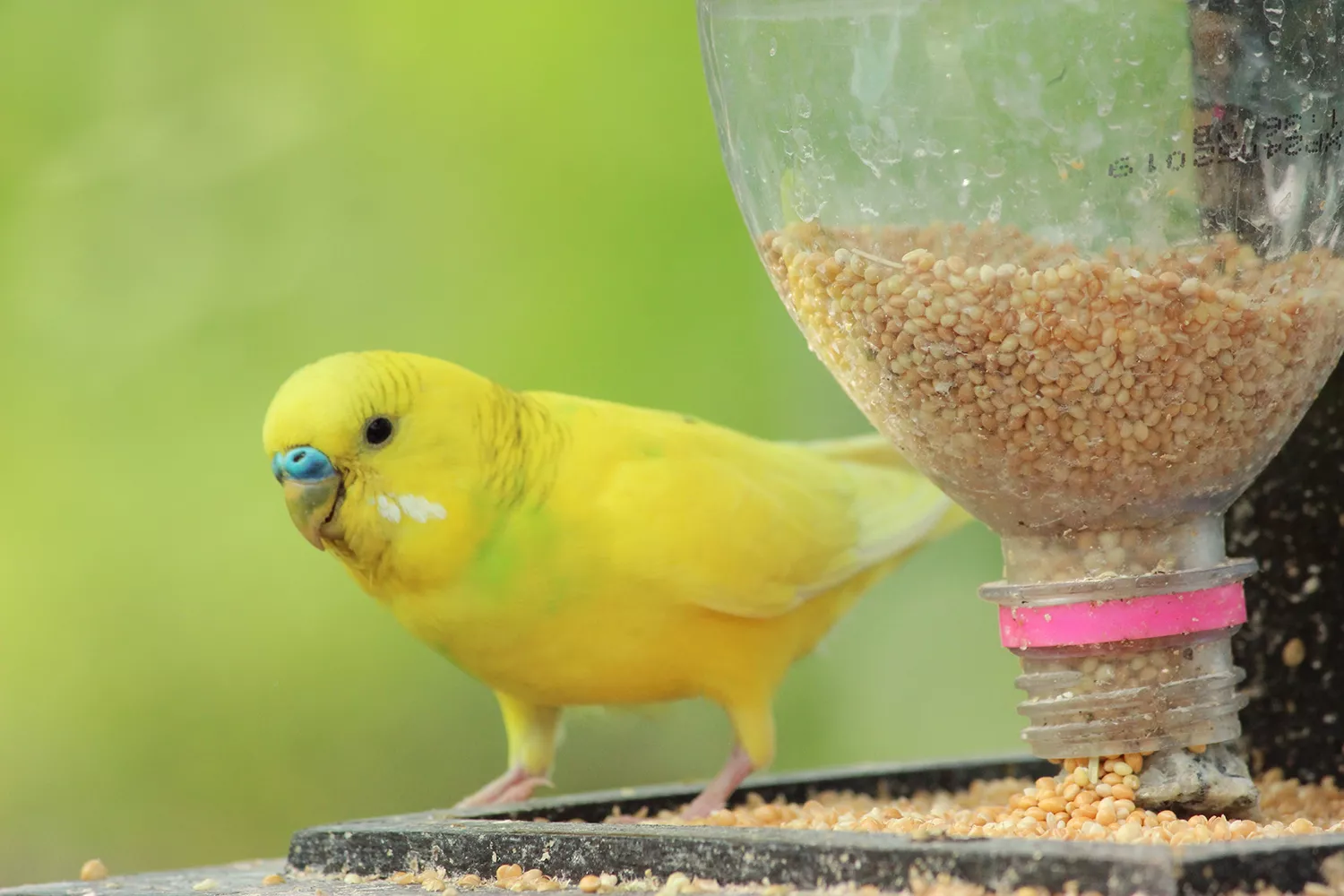
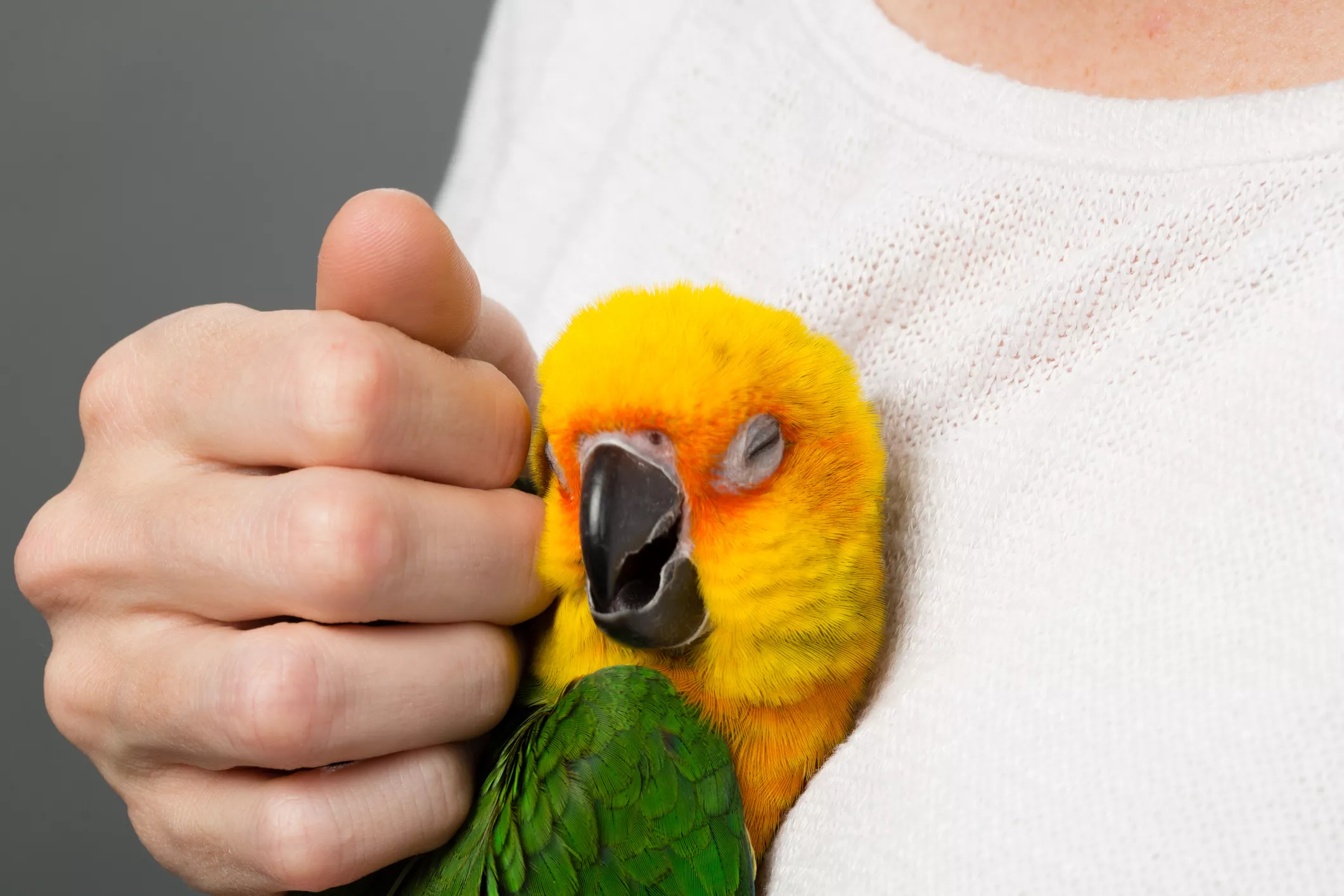
Birds can exhibit stress in a number of different ways. They should all be taken seriously and a vet should be consulted as soon as you notice these signs. Some can be more physically harmful than others, but all should be a matter of concern. Signs to look for include:
Stress Bars
A common physical sign of stress in pet birds is stress bars on their feathers. Stress bars are small lines running horizontally across the feather shafts. Identifying stress bars on a bird's feathers can be challenging, but examining molted feathers provides a quick indication of environmental stressors. Although stress bars do not specify the exact issue with a bird, they alert owners to potential stress sources their pets might be facing.
Feather Picking and Self Mutilation
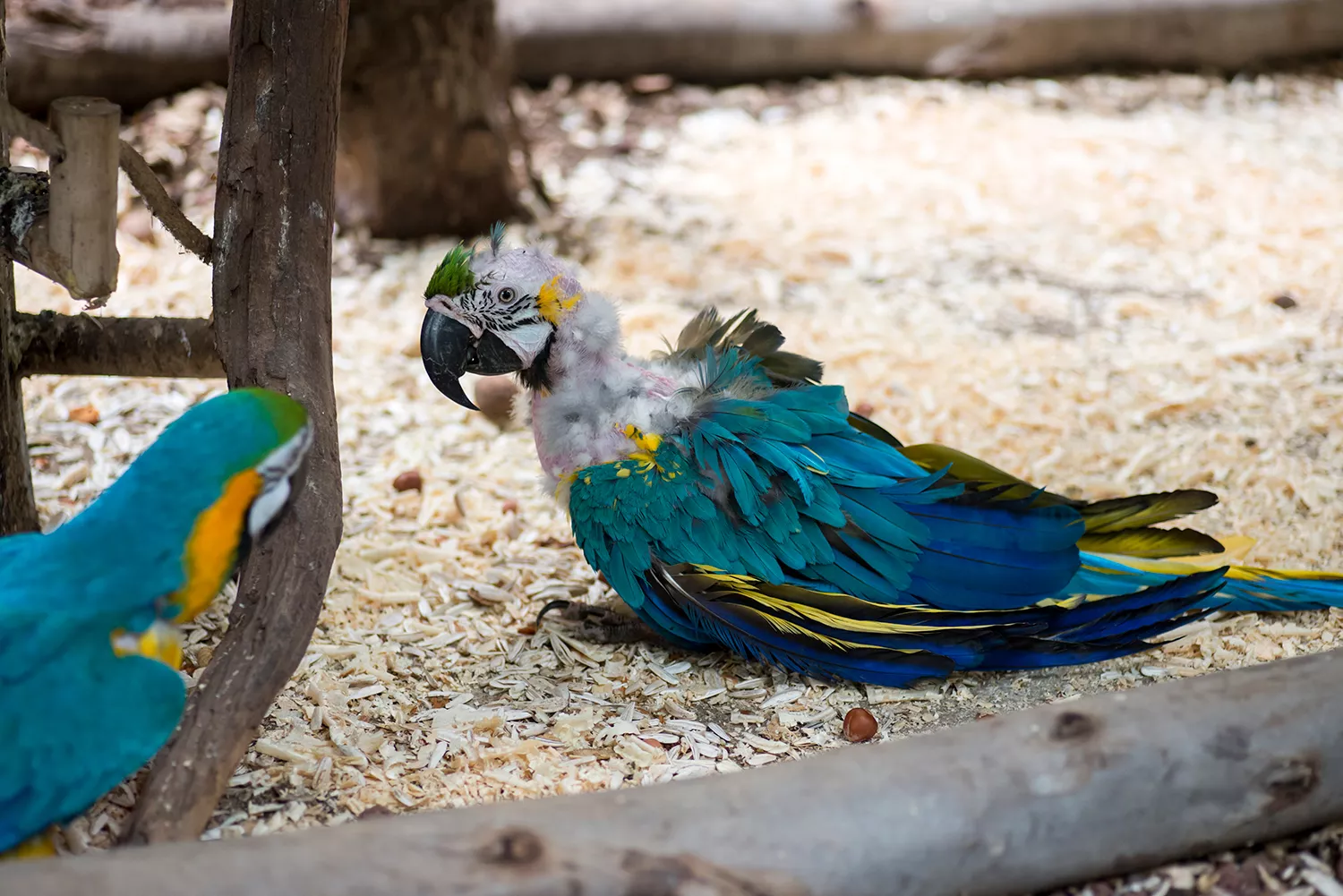
Feather picking, which can indicate stress and boredom, is common in both large and small birds. Initially triggered by stimuli like loud construction noise, it may persist even after the stimulus stops. Some birds progress from picking to self-mutilation, chewing their skin, and damaging muscle or bone, causing severe injury. Birds showing these symptoms should immediately see a vet, who may prescribe medication and use an Elizabethan collar to prevent further harm.
Aggression
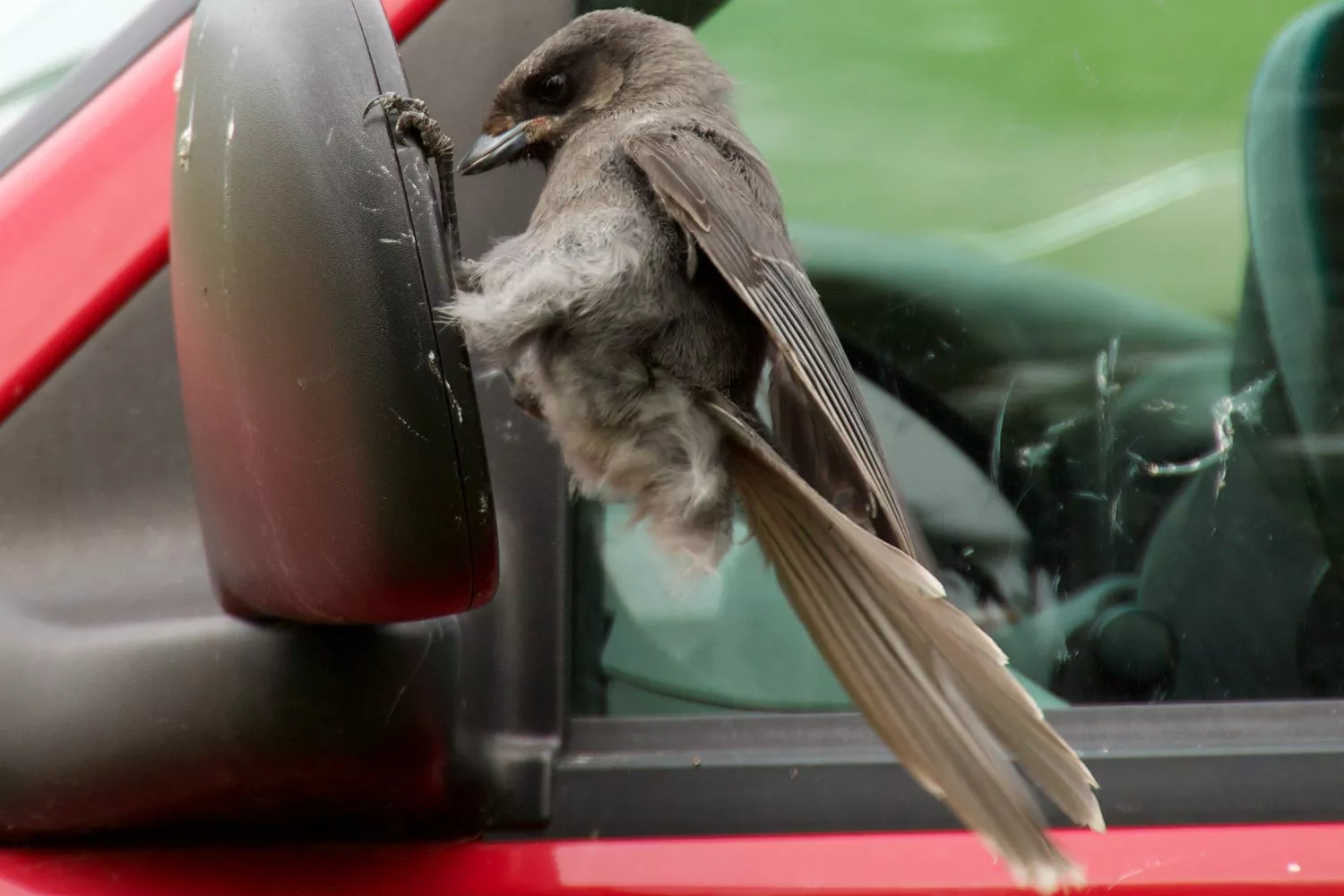
The sudden appearance of aggression in a pet bird can signal environmental stress. Aggressive behaviors such as biting, hissing, lunging, and excessive screaming, can develop quickly.
If you notice these behavioral changes, schedule an appointment with an avian vet to rule out health issues. Once health problems are ruled out, identify triggers for thee behavior, and how you can adjust your bird's environment or routine to make it more comfortable.
Loss of Appetite
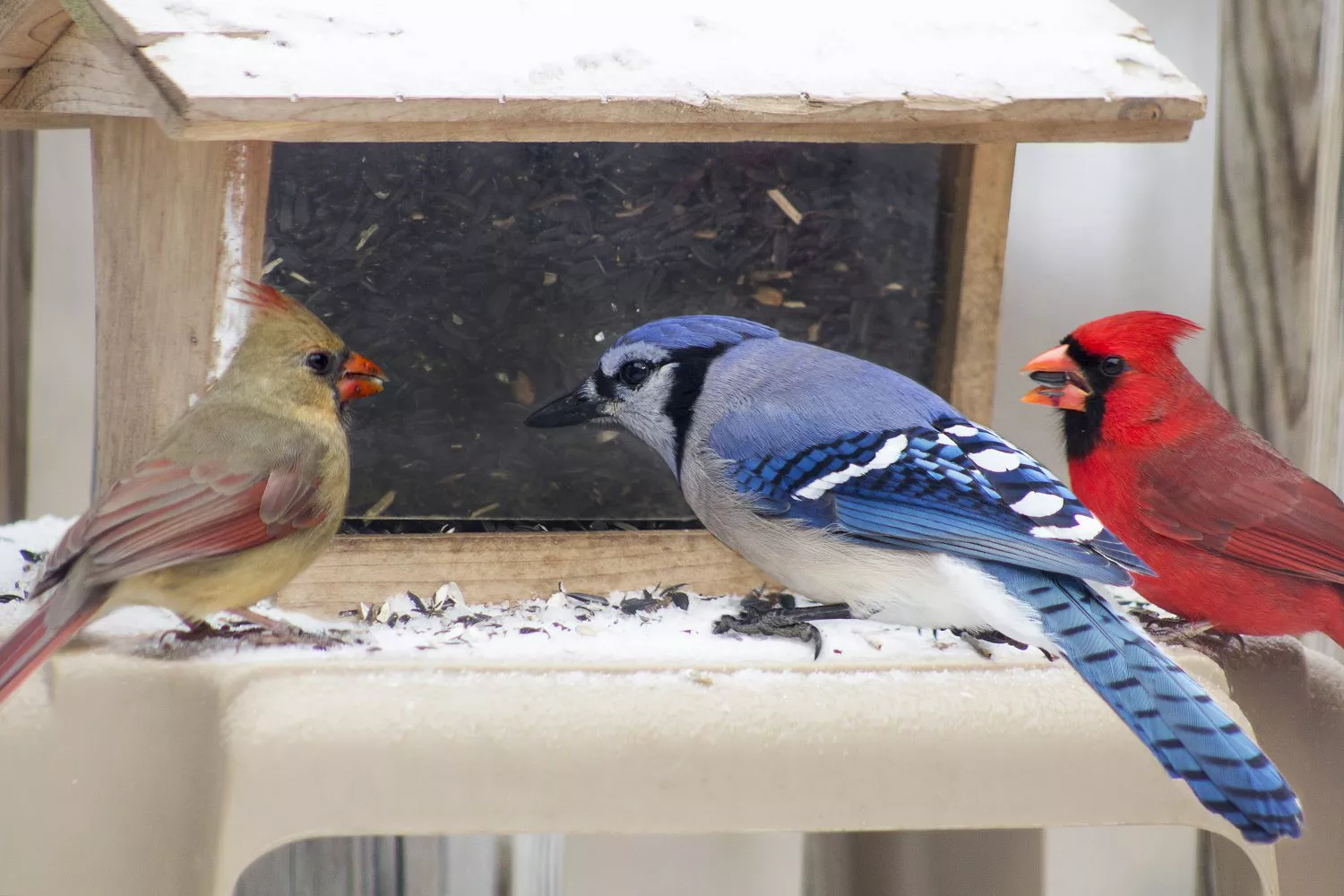
If a bird with a normally healthy appetite suddenly loses interest in eating, it may indicate stress or health issues. The best approach in this situation is to schedule an appointment with an avian vet to ensure the bird isn't sick or injured. Once health is confirmed, you can begin identifying possible stressors in your home that might cause appetite loss.
A Change in Vocalization
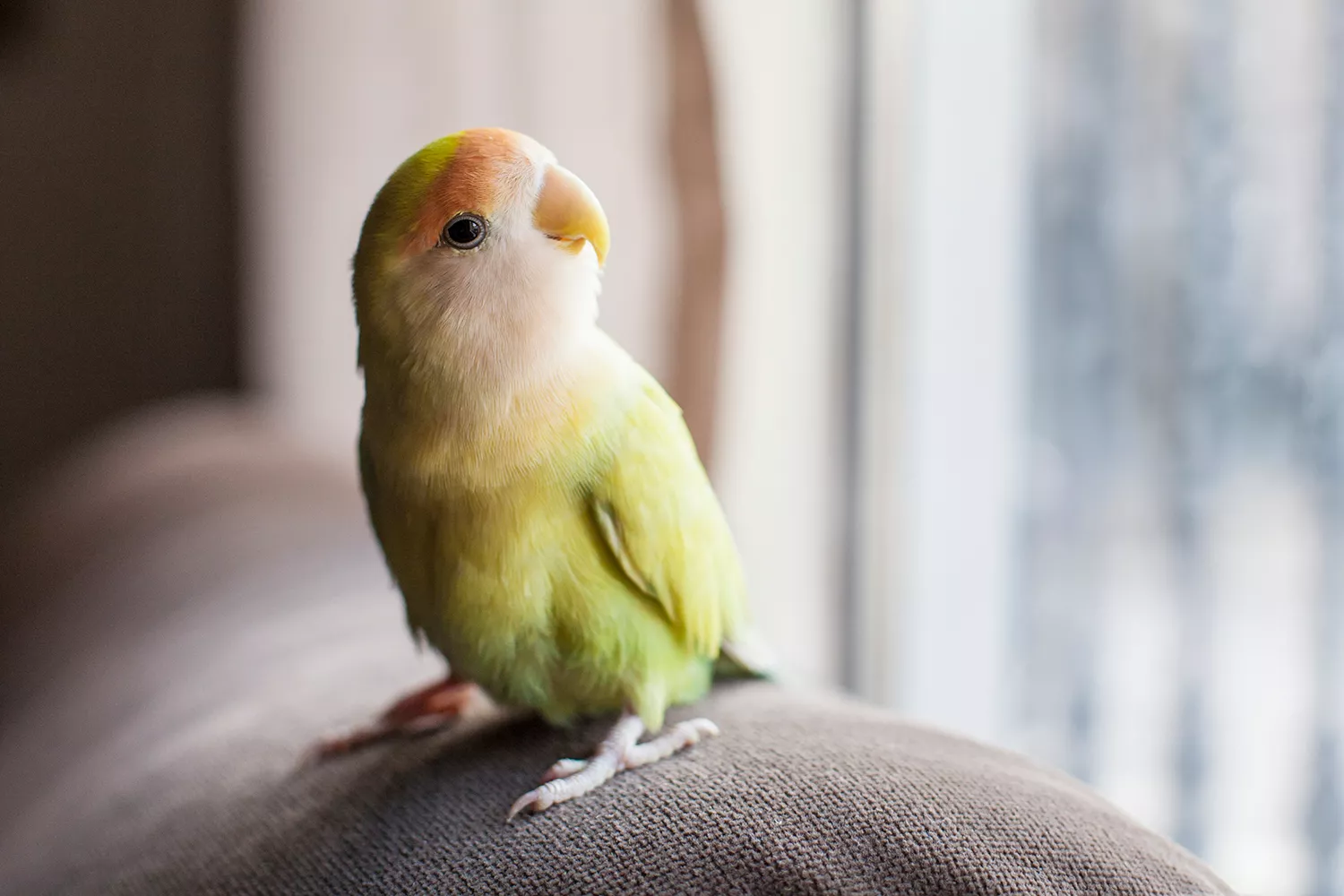
Stressed birds may start screaming. Although occasional loud noises are normal, purposeful screaming is loud, annoying, and indicative of stress. Conversely, some stressed birds may reduce their vocalizations. A significantly quieter bird could signal stress, boredom, or illness.
Repetitive Behavior
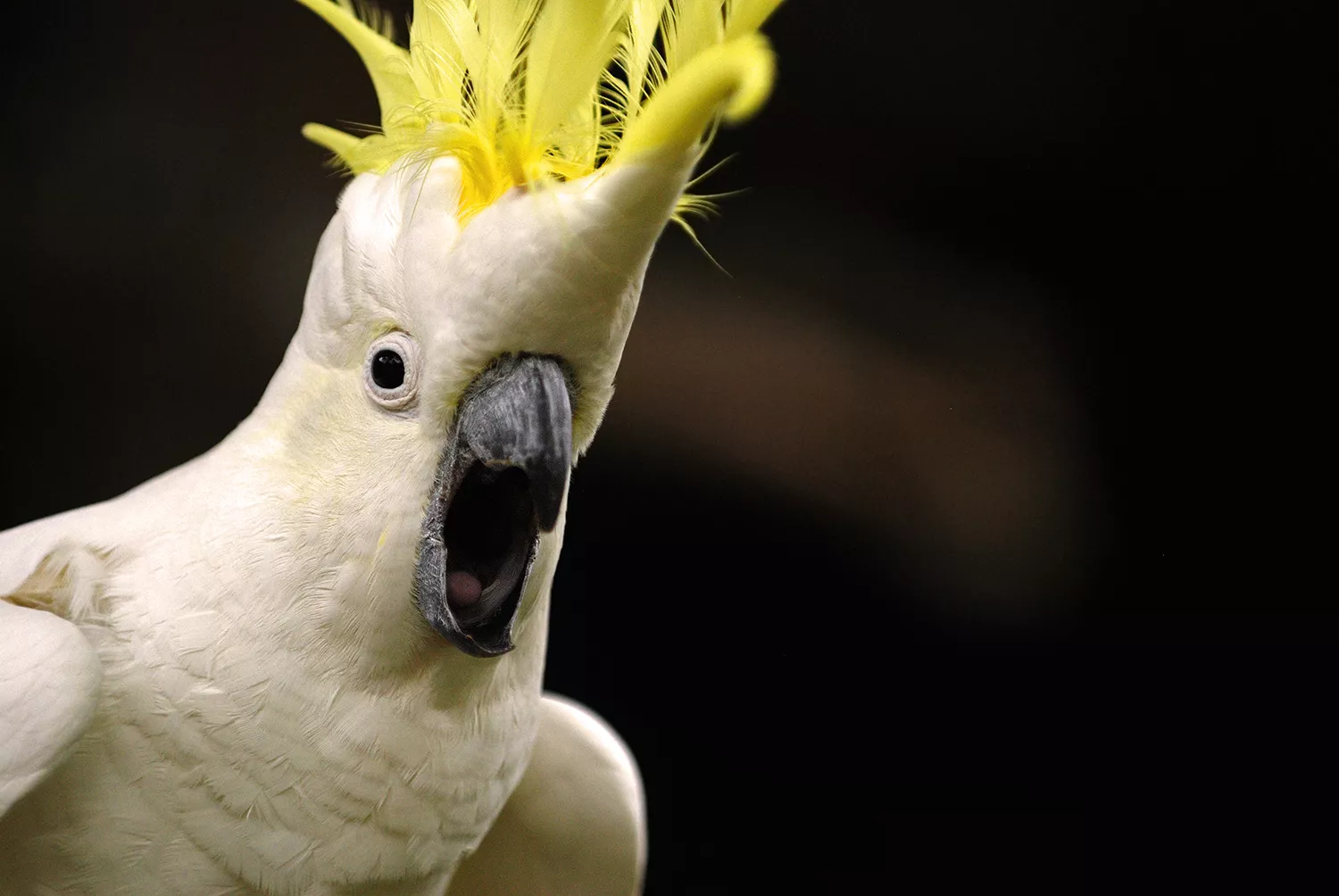
Some birds, especially cockatoos, display stereotypical behaviors when stressed, such as pacing, toe-tapping, and head swinging. They engage in these behaviors to self-stimulate when extremely bored.
Fear
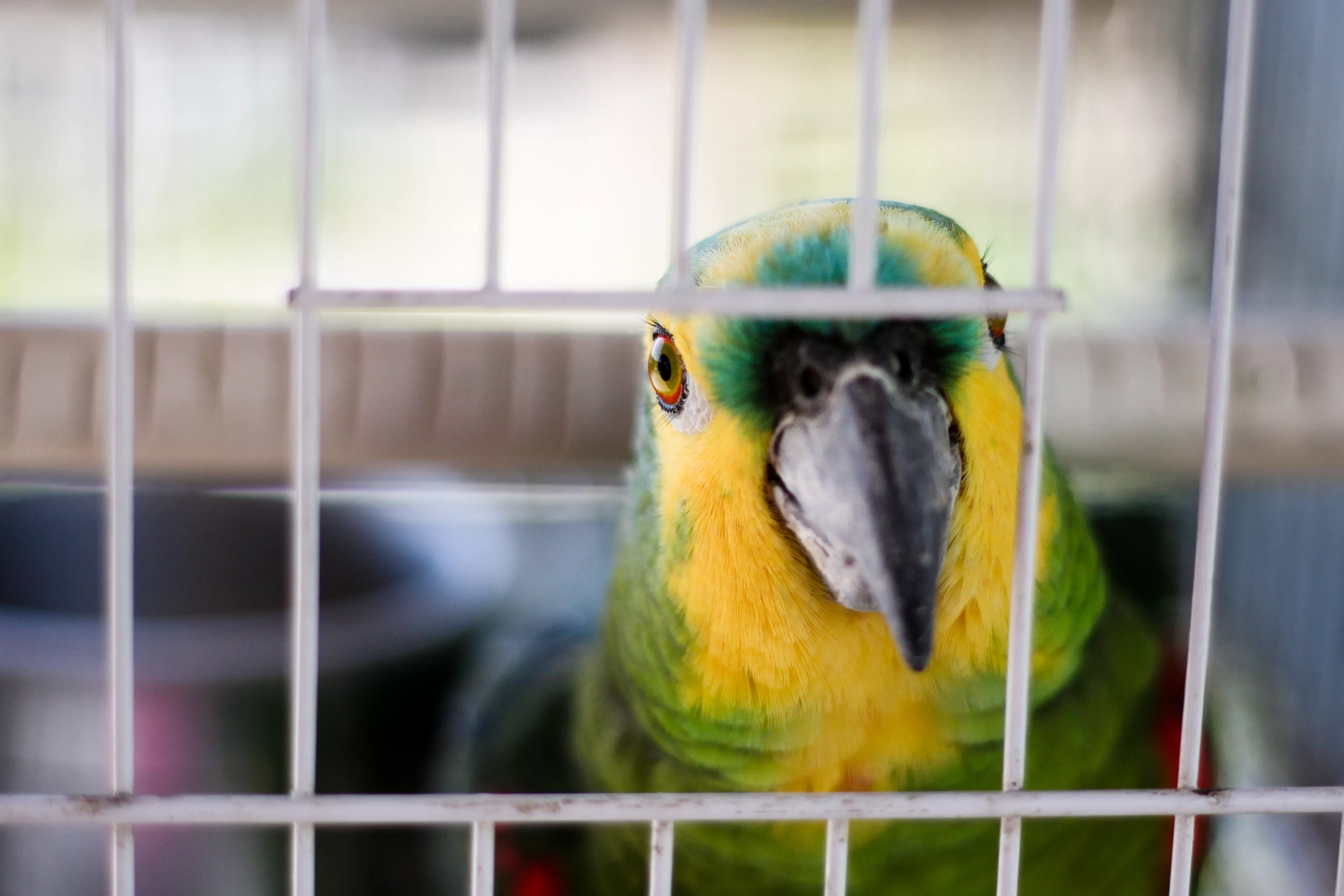
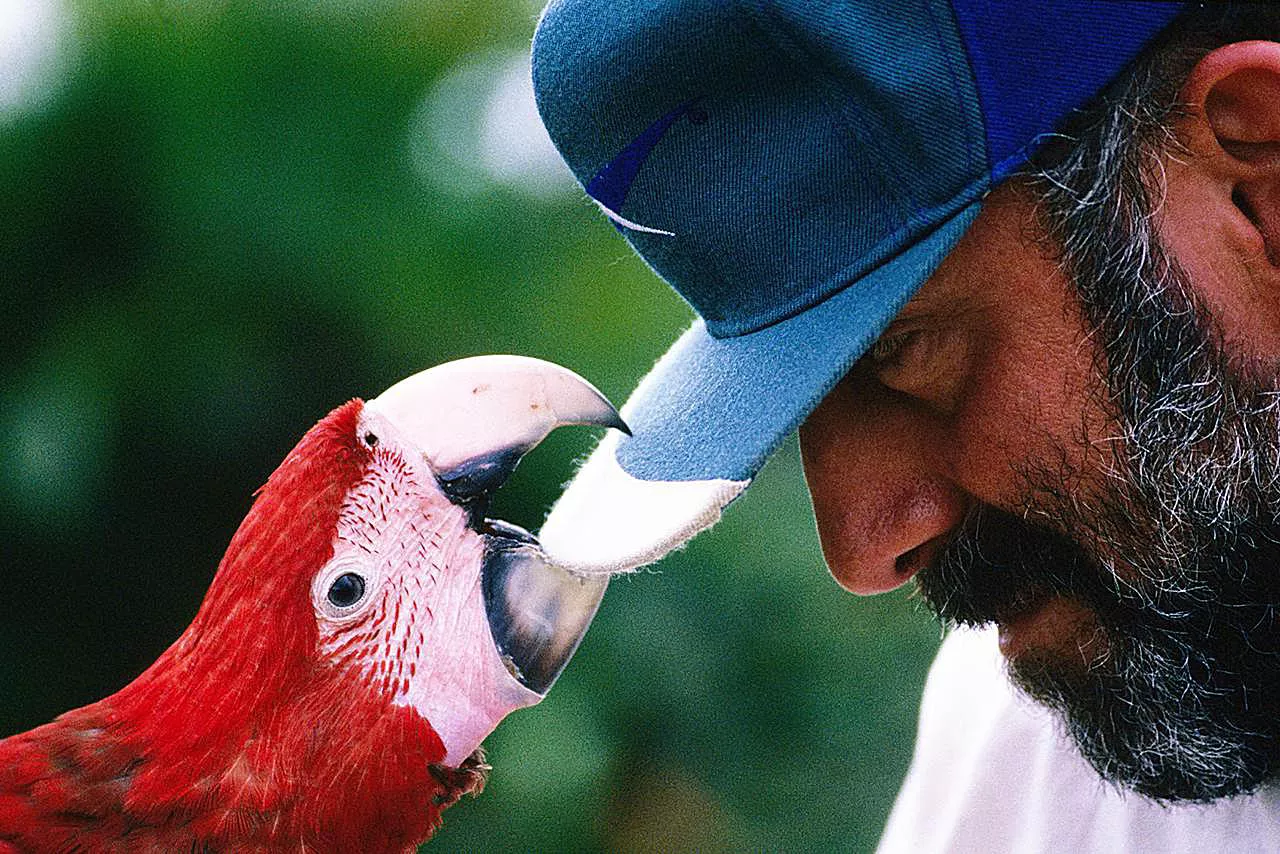
If a bird that is normally happy to be handled suddenly begins to act fearful of you or other family members, the person may be causing stress to the bird without even realizing it. It may not even be something that the person is doing directly to the bird; something as simple as a brightly colored shirt, a hat, or a new beard or mustache can be a trigger for a bird's fearful behavior.
Once you are able to identify a trigger, it is normally easy to remedy this sort of situation. If necessary, it is possible to condition a bird to eventually accept this sort of stressor through patience and practicing proper bonding techniques.
Boredom
Birds who begin to exhibit destructive behavior are quite possibly very stressed, and the most likely culprit in this scenario is boredom. Being the extremely intelligent creatures that they are, pet birds in captivity often do not receive a healthy amount of mental stimulation, which can lead to frustration, stress, undesirable behaviors, and even health issues.
Treatment of Stress in Birds
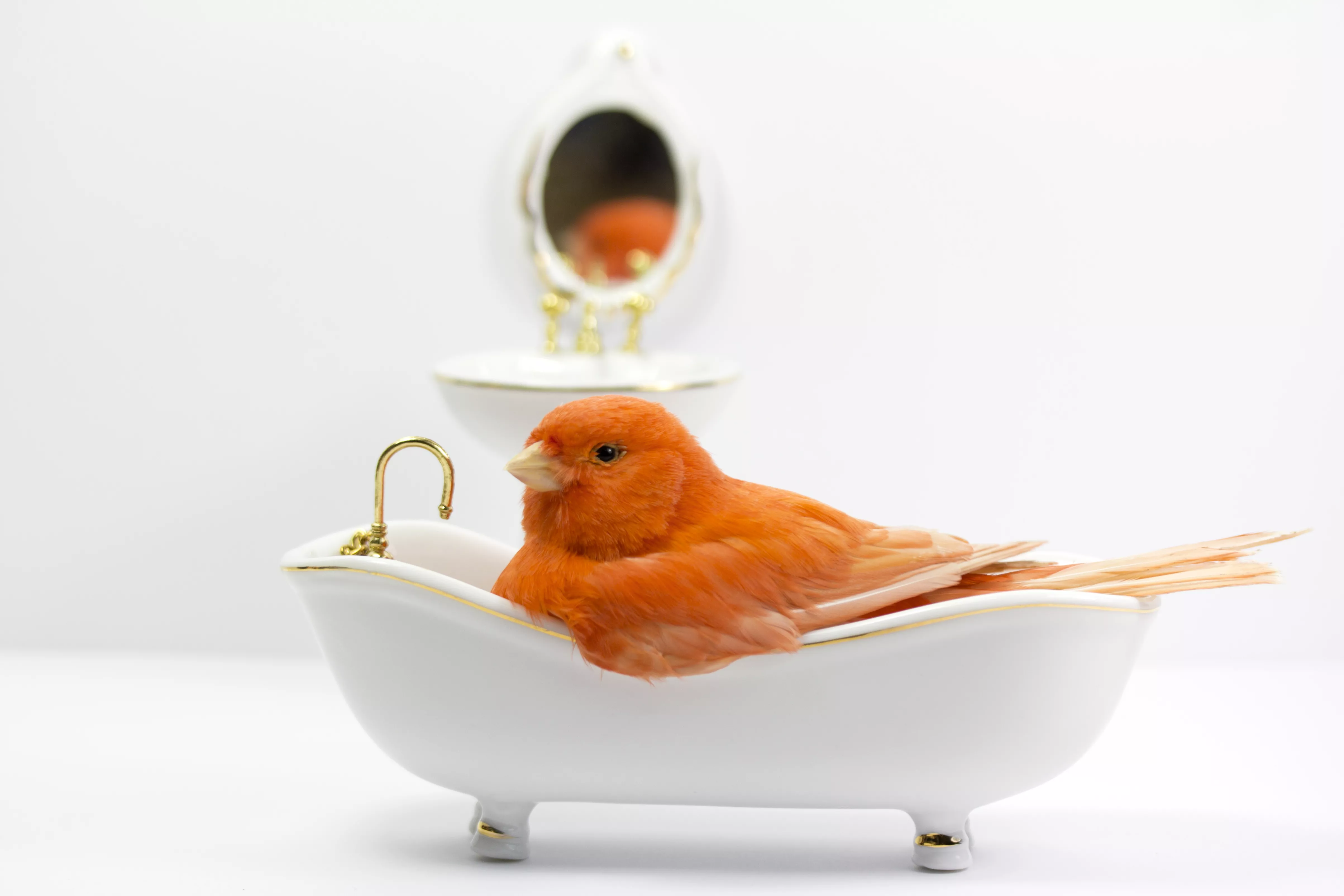
If there's a stressor in the bird's environment, removing it should cut down on its stress almost entirely. If the behavior is self-destructive and/or the stress cannot be determined, speak to a vet as soon as possible to come up with a treatment plan. A vet may prescribe a prescription treatment and/or recommend a behavioral specialist.
If the bird has started acting out due to stress, and you need to try to curb its behavior, there are a few things you can try at home:
Prevention
While stress may not be entirely preventable, pay attention to your bird's cues and try to avoid sudden changes to its lifestyle. If a cage has been moved and the bird doesn't like it, move it back to slowly acclimate it to a new position. If new pets or family members are upsetting, again, try to acclimate the bird to the new member and focus on positive reinforcement (and treats). Being aware of the bird's general sensitivities before any changes are made will help prevent stress.