Key Takeaways
- Your pet hamster care routine starts with the right setup — a spacious, escape-proof cage with proper ventilation is non-negotiable.
- Skip cedar and pine bedding; aspen or paper-based options keep your hamster's respiratory system happy.
- A solid-surface wheel, quality pellets, and fresh veggies make up the cornerstone of a healthy hamster diet.
- Escapes happen! Knowing where to look (and when) can save a lot of late-night stress.
Hamsters make wonderful pets — they're compact, curious, and relatively low-maintenance compared to larger animals. Most live around two years, and they generally prefer flying solo (no roommates needed). Different breeds vary in size, so knowing whether you've got a Syrian or a dwarf hamster helps you pick the right equipment.
One thing to remember: hamsters are nocturnal creatures. That means when you're heading to bed, your little buddy is just getting started. Choose your cage location wisely — a quiet corner away from direct sunlight works best.
Preparations Before Bringing Your Hamster Home
Don't bring your hamster home to an empty house. Set up their space first so they can settle in without added stress. You'll want to think about daily exercise needs, mental stimulation, proper ventilation, and cozy hiding spots. Their diet requires a balanced mix of store-bought food and fresh treats, so spend some time figuring out what's safe and what's not before you bring them home.
What You Need
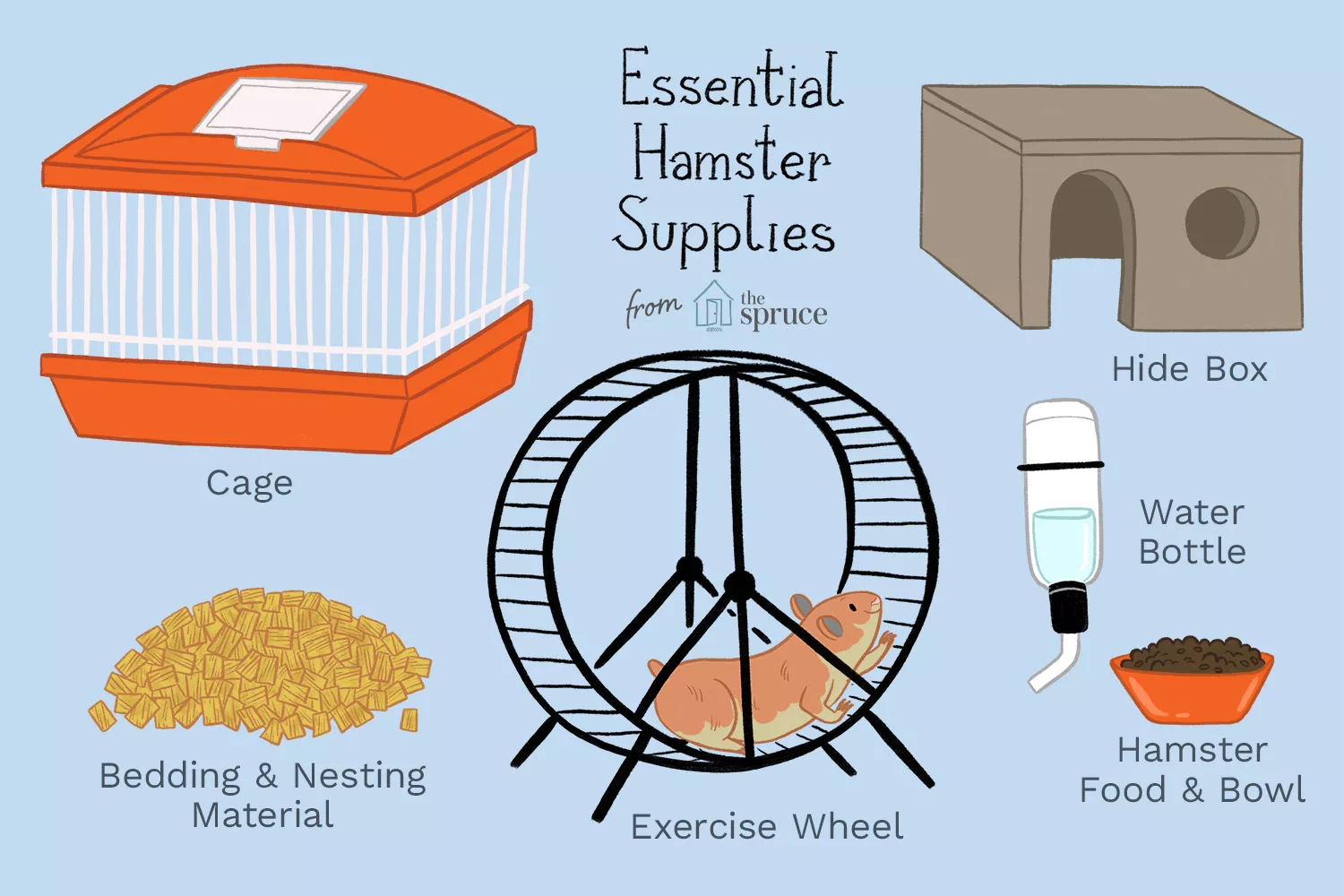
Your hamster supplies checklist is pretty straightforward:
- A properly sized cage
- Hamster bedding and nesting material
- Quality hamster food
- A heavy food dish (ceramic works great)
- A hanging water bottle
- An exercise wheel
- A house or hideout
- Some fun toys
Choose the Right Hamster Cage
When it comes to hamster cage setup, bigger is definitely better. You want something escape-proof, easy to clean, and roomy enough for your furry friend to explore.
Those colorful modular cages with tubes look fun, but here's the thing — they're a nightmare to clean and often have terrible ventilation. Plus, those tubes can be way too snug for larger Syrian hamsters. And trust me, you don't want to underestimate a hamster's escape artist skills. These little guys can squeeze through shockingly small spaces and chew through plastic walls faster than you'd think.
Got a Syrian hamster? Many cages marketed for hamsters are actually too small for them — aim for at least 450 square inches of floor space. Dwarf hamsters? They can squeeze right through standard bar spacing, so you might need a tank-style enclosure or closely-spaced bars.
Clean the cage thoroughly once a week. Safely relocate your hamster to a secure spot while you scrub.
Add Hamster Bedding and Nesting Material
Here's a crucial one: never use cedar or pine wood chips. Their aromatic oils can seriously irritate your hamster's respiratory system — not worth the risk. Aspen is a safer wood option, but paper-based bedding has become the go-to choice for many hamster parents.
Your hamster will build cozy nests for napping, and shredded toilet paper or tissues work wonderfully (and they're budget-friendly). Skip the fluffy cotton nesting material sold at pet stores — it can cause digestive blockages if eaten or wrap around tiny toes.
Refresh the bedding during your weekly cage cleanouts.
Choose Hamster Food and Containers
For your hamster diet, high-quality pelleted food is your best bet. Unlike loose seed mixes where hamsters can pick out their favorites and miss out on nutrients, pellets offer a complete, balanced diet in every bite.
Supplement with fresh vegetables daily, but remove any uneaten fresh food after a few hours — you don't want spoiled veggies sitting in the cage.
For the food dish, go with something heavy like a ceramic or porcelain crock that won't tip over easily. Cheap plastic dishes? Your hamster will chew right through them.
The water situation is simple: a small hanging bottle with a stainless steel spout and ball bearing is the standard for good reason. Open water bowls get dirty fast and end up filled with bedding. Always keep fresh water available.
Offer Exercise Options
Your hamster needs to run — like, a lot. Provide the largest, sturdiest wheel you can find. The running surface should be solid (no rungs or crossbars that could catch little feet and cause injury). Side-mounted wheels are great, and a tiny dab of vegetable oil on the axel keeps things quiet.
But wheels aren't the only thing that matters. Offer plenty of chewable and climbable items to keep your hamster entertained and prevent boredom-driven escape attempts. You can grab hamster-safe toys from the store, or raid your recycling bin — empty toilet paper tubes and tissue boxes make excellent DIY entertainment.
Consider a Hamster House or Hide Box
Every hamster wants a private sanctuary. Cardboard boxes, plastic hideaways, or small wooden houses all work fine — just know they'll get chewed on eventually. Half a coconut shell or a small clay pot turned on its side makes a quirky, inexpensive hideout. If you're using a plastic container, cut a smooth doorway and sand down any sharp edges.
Preventing Problems With Your Hamster During Care
Hamsters are generally tough little creatures, but their small size means problems can escalate quickly. Watch for signs like lethargy, loss of appetite, diarrhea, hair loss, sneezing, or runny eyes — these could indicate infection or even pneumonia. Keep your hamster warm and hydrated, and don't hesitate to call your vet if something seems off.
And about those escapes... they happen to the best of us. If your hamster goes missing, start near their cage and expand your search room by room. Remember, they're nocturnal, so check under furniture and behind appliances at night. Some people leave the cage door open with food inside as a tempting "come home" strategy.
Whenever you have concerns about your pet's health, your veterinarian is your best resource. They know your specific animal and can give personalized advice.