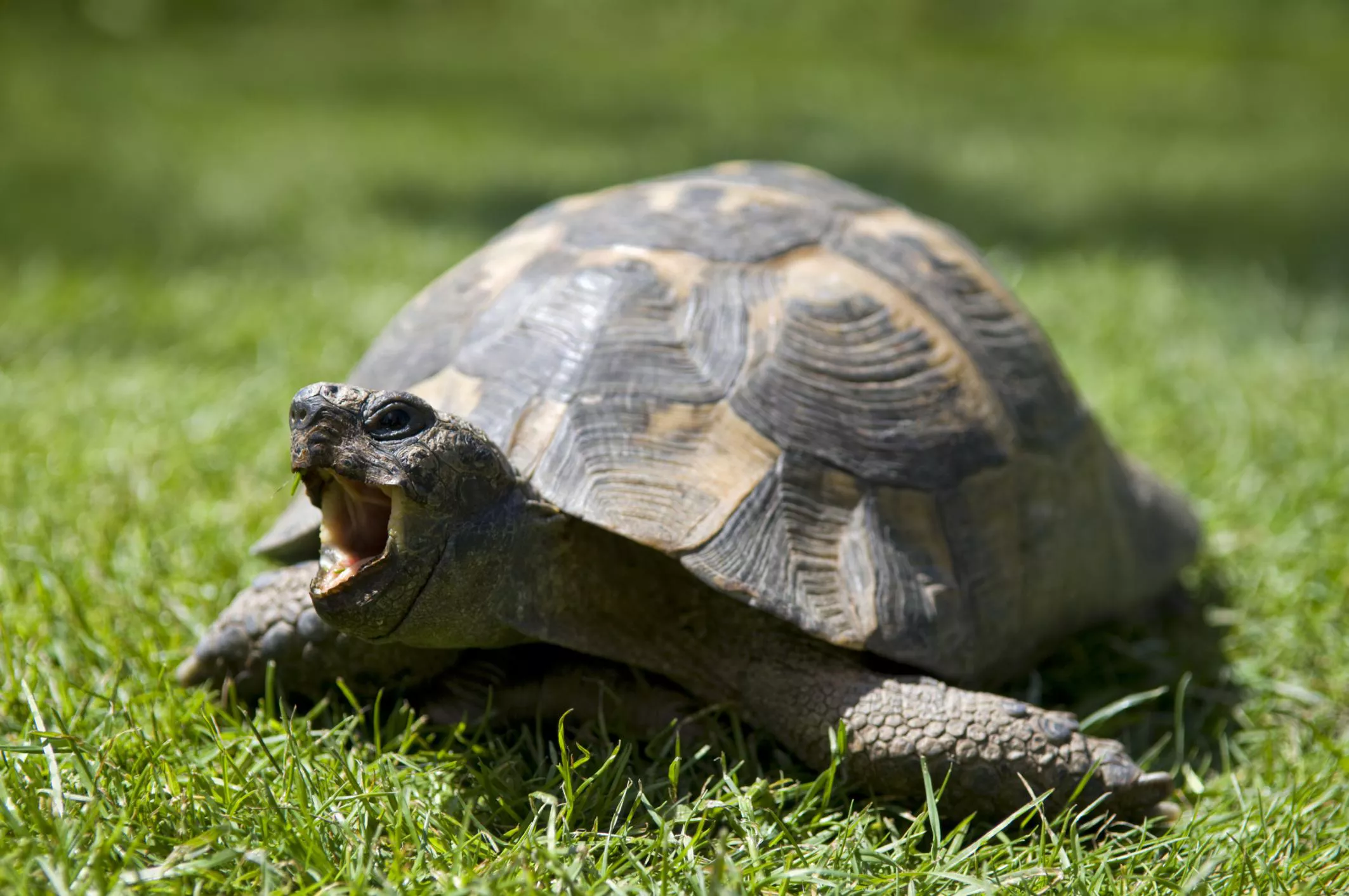
Key Takeaways Tortoises are a long-term commitment with lifespans ranging from 50 to 100 years, sometimes outliving their owners.Housing needs include large, secure enclosures, often outdoors, with provisions for burrowing, climbing, and protection from predators.Diet varies by species but requires a variety of foods, focusing on calcium-rich diets and exposure to UVA/B light for healthy growth.
Key Takeaways
Tortoises are a long-term commitment with lifespans ranging from 50 to 100 years, sometimes outliving their owners.Housing needs include large, secure enclosures, often outdoors, with provisions for burrowing, climbing, and protection from predators.Diet varies by species but requires a variety of foods, focusing on calcium-rich diets and exposure to UVA/B light for healthy growth.
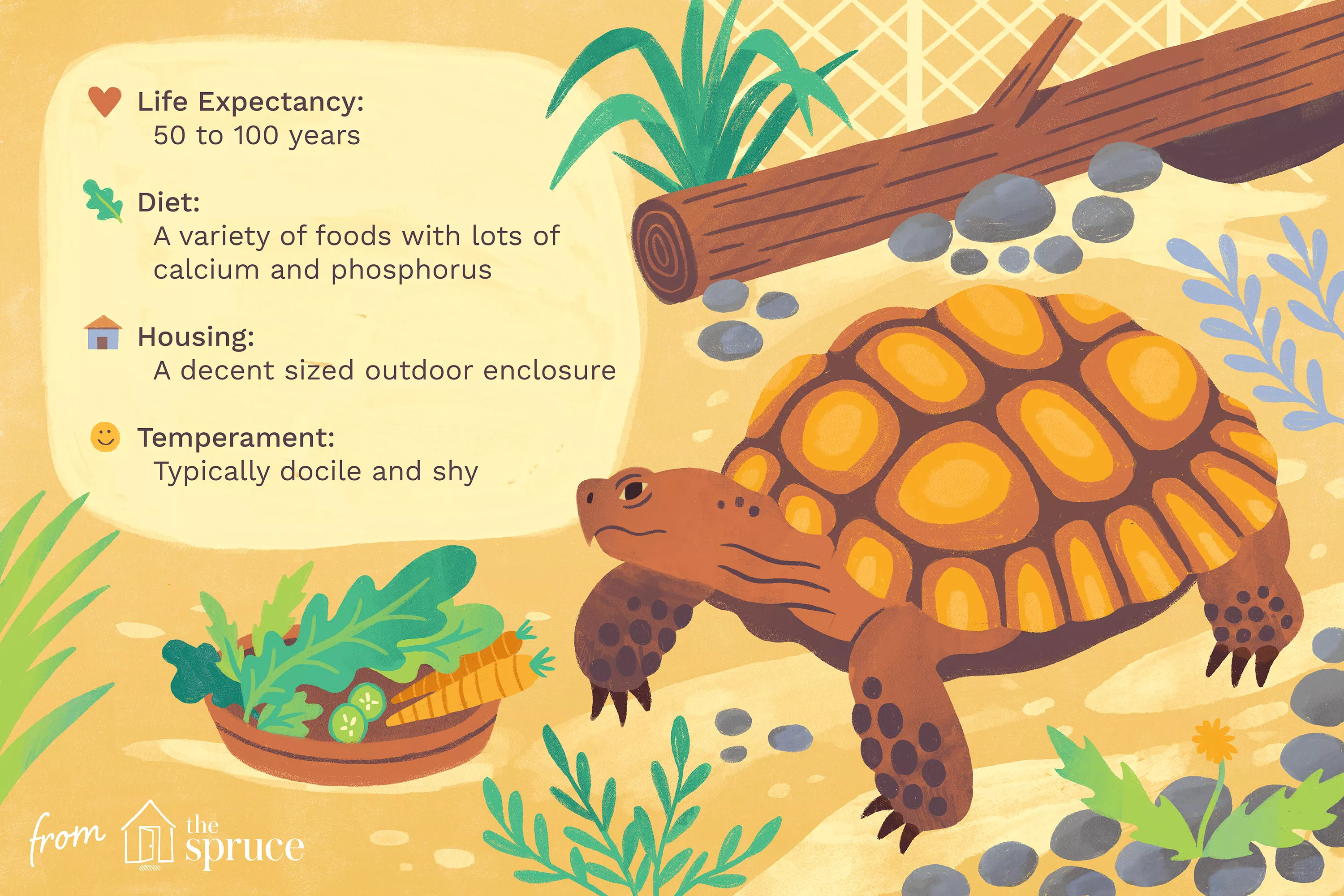
Tortoises are popular pets because they are quiet, cute (especially as hatchlings), and don't shed fur. However, tortoises can live a very long time (from 50 to 100 years) and require a commitment that shouldn't be taken lightly.
If you decide to adopt a pet tortoise, be ready to provide lifelong care and consider that your pet might outlive you.
Behavior and Temperament
Most tortoises are docile and tend to be shy unless two males are placed in the same enclosure. This should be avoided, as male tortoises can become aggressive and may fight, sometimes leading to serious injury.
Most tortoises are too large to handle as adults, and it's advisable not to handle them too much when they are smaller either, as this can cause stress and potentially lead to illness.
The main drawback of having a pet tortoise is its long lifespan. Larger tortoises, like the sulcata, can live up to 80 years, so it's essential to have a plan for their care in your old age.
Housing
Many tortoise species are quite large and require a decent-sized enclosure, preferably outdoors. As they usually live in outdoor enclosures, pet tortoises are best suited for areas with mild climates.
Depending on the temperatures where the tortoise originates and the area where you live, it may be necessary to bring pet tortoises indoors overnight or during cooler weather, and with the larger tortoises, providing indoor housing can be a big challenge. Some species also need to hibernate, which can be stressful for the tortoise and requires special environmental conditions.1
When building an outdoor pen, ensure it is strong and that you bury the fences, as some tortoises are prone to burrowing and can dig under fence lines. Tortoises, especially the larger ones, are quite strong, and flimsy enclosures won't contain them for long.
Some tortoises climb surprisingly well, so a roofed pen may be necessary. Ensure the enclosure keeps predators out, including dogs. Remove any potential dangers in the pen, such as poisonous plants. Provide only shallow water, avoid sharp objects, and remove small, inedible objects that could be accidentally ingested.
For some tortoises, attempting to climb steps or other obstacles can result in tipping onto their backs, which should be avoided. Most pet tortoises also require outdoor shelters, such as a heated dog house or sun shades.
Food and Water
Tortoises make interesting pets but can be challenging due to their size and dietary needs. Pet tortoise diets vary by species, but all require a variety of foods with careful attention to roughage and calcium/phosphorus balance.
Some species have voracious appetites and require large amounts of food. Consider the time for daily food preparation and the costs involved before getting a tortoise as a pet.
Choosing Your Pet
As with any reptile, it's best to get a captive-bred pet tortoise. This may be challenging for some species, but capture and shipping conditions can be appalling and result in stressed animals prone to disease. In some areas, pet tortoises from rescues may be available; many are from owners who realized they couldn't manage the upkeep and care a tortoise requires.
Any new pet tortoise should be checked for parasites and quarantined for a while to ensure it's healthy, especially if other tortoises are present. Some species can be aggressive with other tortoises; if two males are kept in too small an enclosure, they may fight, leading to serious injuries around the eyes and legs.
Choosing the right species of pet tortoise based on housing, environmental needs, and diet is crucial. Different species vary in adult size, temperature and light needs, diets, and some need to hibernate while others do not.
Research each species you're considering before acquiring your new pet. Common pet tortoises include Russian, red-footed (and cherry head varieties), sulcata, Greek, and radiated tortoises, but there are also many others.
Common Health Problems
Like most reptiles, tortoises are prone to respiratory infections. Pet tortoises raised in the wild are more likely to suffer from these infections due to unsanitary conditions.
Similar to aquatic turtles, a tortoise with a respiratory infection will appear lethargic, lose weight, and may exhibit excess mucus around its mouth and nasal passages. Early signs include wheezing and a refusal to eat.
Respiratory infections are usually treated with antibiotics via injection and require a diagnosis from a qualified reptile veterinarian. While your tortoise is undergoing treatment for a respiratory infection, it should be kept warm.
Tortoises also are susceptible to metabolic bone disease (MBD), which is the result of a diet that doesn't have enough calcium.2 Like many reptiles, tortoises need to be exposed to ultraviolet radiation A and B (UVA/B) to absorb calcium. Tortoises in the wild typically bask in the sun for most of their waking hours to get this level of UVA/B exposure.
If a tortoise doesn't get enough calcium, its shell will show the signs first. If it's a young tortoise, the shell may not grow at a rapid enough rate. Older tortoises may develop weak bones in their legs, have difficulty walking, or even suffer bone fractures.
MBD is treatable, but the longer it persists, the less chance of recovery the tortoise has. Consult a qualified veterinarian, who may advise a calcium-heavy diet and more exposure to sunlight or UVA/B rays.
Suitable Species
As you consider bringing a pet tortoise into your home, you may find it useful to read further about certain species. Popular options include:
There are many other breeds of tortoises that are well suited as pets, so do your research and find one right for your lifestyle.