Key Takeaways
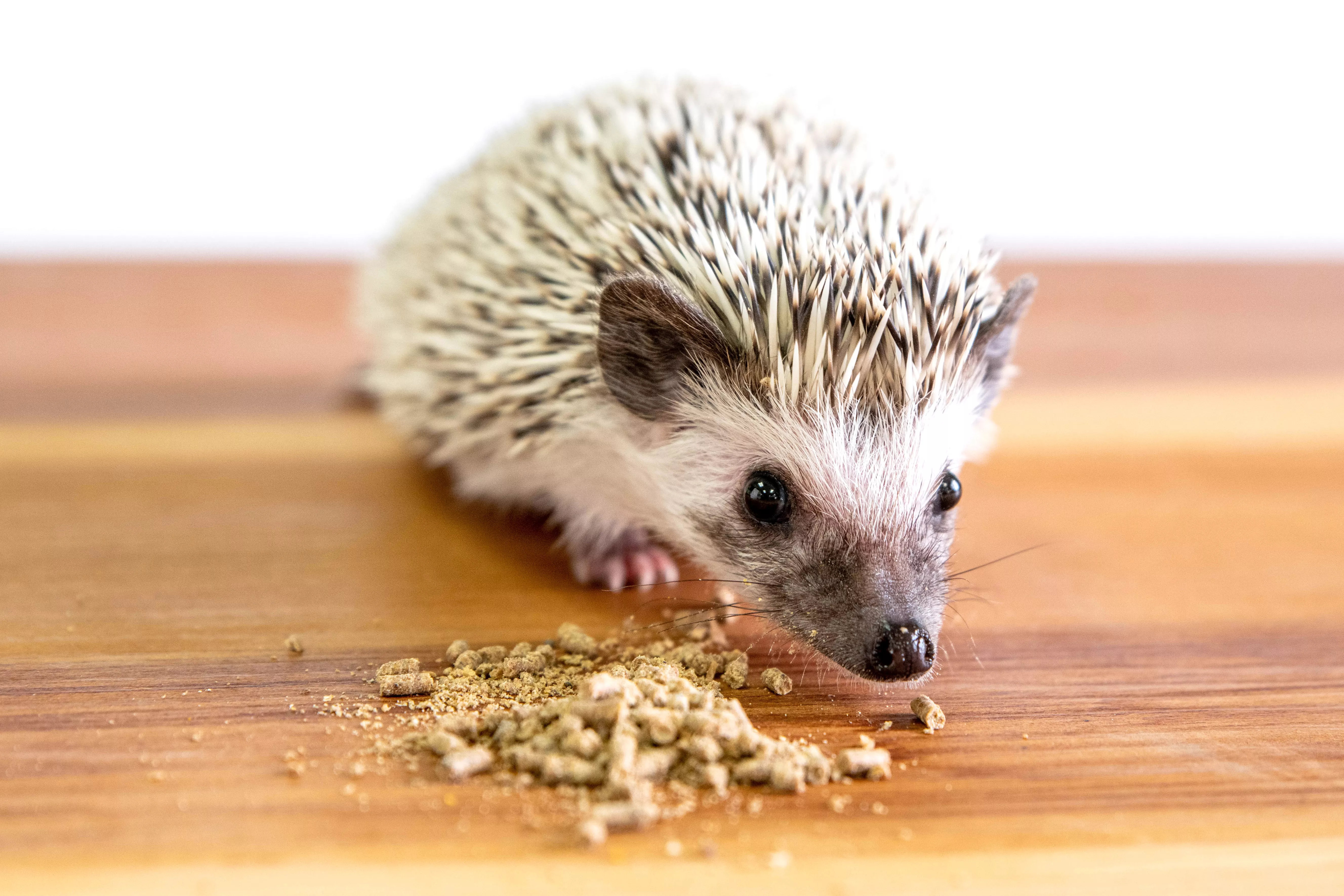
- A healthy hedgehog diet combines high-quality kibble, insects, and small amounts of fresh produce to meet their unique nutritional needs.
- Most adult hedgehogs need about 1-2 tablespoons of kibble daily, plus a teaspoon of fruits or vegetables and some protein-rich insects.
- Avoid toxic or hard-to-digest foods like avocados, dairy, nuts, seeds, and processed snacks—these can harm your spiky companion.
- Always monitor portion sizes to prevent obesity, a common issue in pet hedgehogs.
- Fresh water should be available at all times, and uneaten food should be removed daily.
What Do Hedgehogs Eat? Understanding Your Pet's Nutritional Needs
So you've welcomed a spiky little friend into your home—congratulations! These adorable creatures make wonderful pets, but their dietary needs are quite specific. You might find yourself asking, "what do hedgehogs eat?" Well, you're in the right place to find out.
Hedgehogs are insectivores by nature, which means they thrive on a diet that includes plenty of protein from insects. This isn't your typical pet food category, so it helps to understand what goes into a proper hedgehog feeding guide. While commercial hedgehog food exists, you'll want to supplement it with fresh foods to keep your pet healthy and happy.
Their diet in the wild consists mainly of insects, but they'll also nibble on fruits, vegetables, and even small vertebrates. As pets, we can replicate this variety while ensuring they get all the nutrients they need for optimal pet hedgehog nutrition.
General Pet Hedgehog Food Guidelines
Here's the thing about hedgehogs—they're not strictly carnivores or herbivores. Most experts consider them omnivores or insectivores, depending on who you ask. Looking at their natural habits, calling them omnivores makes sense since they eat a wide variety of foods beyond just bugs.
Most pet hedgehogs in the US and UK are African Pygmy hedgehogs, which are hybrids. This means their nutritional needs might differ slightly from their wild cousins, so it's important to pay attention to what you're feeding them.
One unique aspect of hedgehog nutrition is their ability to digest chitin. This is a substance found in insect exoskeletons that provides both protein and fiber. Chitin is essential for their digestive health, but it shouldn't be the only thing they eat. Variety really is the spice of life for these little foragers!
What Hedgehogs Can Eat: A Complete Hedgehog Feeding Guide
Now let's get into the good stuff—what exactly should you put in your hedgehog's food bowl? Here's a comprehensive list of hedgehog-approved foods.
Insects (the foundation of any hedgehog diet):
- Mealworms: Whether live or freeze-dried, these are fantastic sources of chitin. Live mealworms also provide excellent mental stimulation since your hedgehog has to chase them around. Talk about dinner and entertainment combined!
- Waxworms: These are higher in fat, so save them for special treat occasions rather than everyday meals.
- Crickets: Available live or freeze-dried, crickets offer great nutrition and entertainment value. If you're feeding live crickets, gut-load them first to maximize their nutritional content.
- Other invertebrates: Feel free to mix things up with beetles, earwigs, caterpillars, earthworms, millipedes, and fly larvae. Your hedgehog will appreciate the variety.
Fruits and vegetables:
Fresh produce can be a wonderful addition to your hedgehog's diet. Try offering small amounts of apples, bananas, berries, and melons as tasty treats. For vegetables, think fresh tomatoes, green beans, and cooked squash. Just remember to avoid dried fruits, starchy vegetables like corn, potatoes, and carrots, as well as hard raw vegetables—these can be difficult for hedgehogs to digest.
Protein sources:
Cooked chicken, high-quality low-fat canned dog or cat food, and cooked eggs (scrambled or hard-boiled) make excellent protein additions. Cut everything into small, manageable pieces to prevent choking hazards. If you're feeling brave, an occasional pre-killed pinky mouse provides great nutrition too!
The base of their diet:
The bulk of your hedgehog's food should come from quality kibble. Look for hedgehog or cat food with at least 30% protein and less than 20% fat. While formulated hedgehog foods exist, many contain ingredients like raisins and seeds that aren't ideal, so read labels carefully.
How Much and When to Feed Your Hedgehog
Getting portion sizes right is crucial for your hedgehog's health. These little guys are prone to obesity, which can lead to serious health problems down the road.
For adult hedgehogs, aim to offer 1 to 2 tablespoons of kibble per day, along with about 1 teaspoon of fruits and vegetables, plus some insects. If your hedgehog is larger or particularly active, they might need slightly more food, but it's smart to keep a close eye on their weight. Grab a baby scale and track their weight regularly—if you notice more than a 10% increase, it's time to cut back on portions.
Don't stress if your hedgehog seems to ignore their food during the day. These animals are nocturnal and do most of their eating at night when they're running on their wheel and burning energy. Just make sure to remove any uneaten fresh food the next morning to prevent spoilage.
And please, always keep fresh water available. A small water bottle attached to their enclosure or a shallow dish works perfectly.
What Not to Feed Hedgehogs: Foods to Avoid
Keeping your hedgehog healthy means knowing which foods to steer clear of. Some items are toxic, others are difficult to digest, and some simply don't offer any nutritional value.
Here's what should never make it into your hedgehog's food bowl:
- Raw or processed meats
- Raw eggs
- Milk and dairy products
- Avocado (toxic to hedgehogs!)
- Bread
- Celery and lettuce
- Nuts and seeds of any kind
- Peanuts
- Dried fruits and vegetables
- Starchy vegetables
- Hard raw vegetables
- Human snacks, including salty and sugary treats
If you're ever unsure about whether a food is safe, it's always best to skip it and consult with a veterinarian who specializes in exotic pets. Your hedgehog's health is worth that extra moment of caution!
With the right approach to your hedgehog diet, you'll have a happy, healthy companion who thrives on their carefully planned meals. Understanding what do hedgehogs eat is the first step toward giving your spiky friend the best care possible.