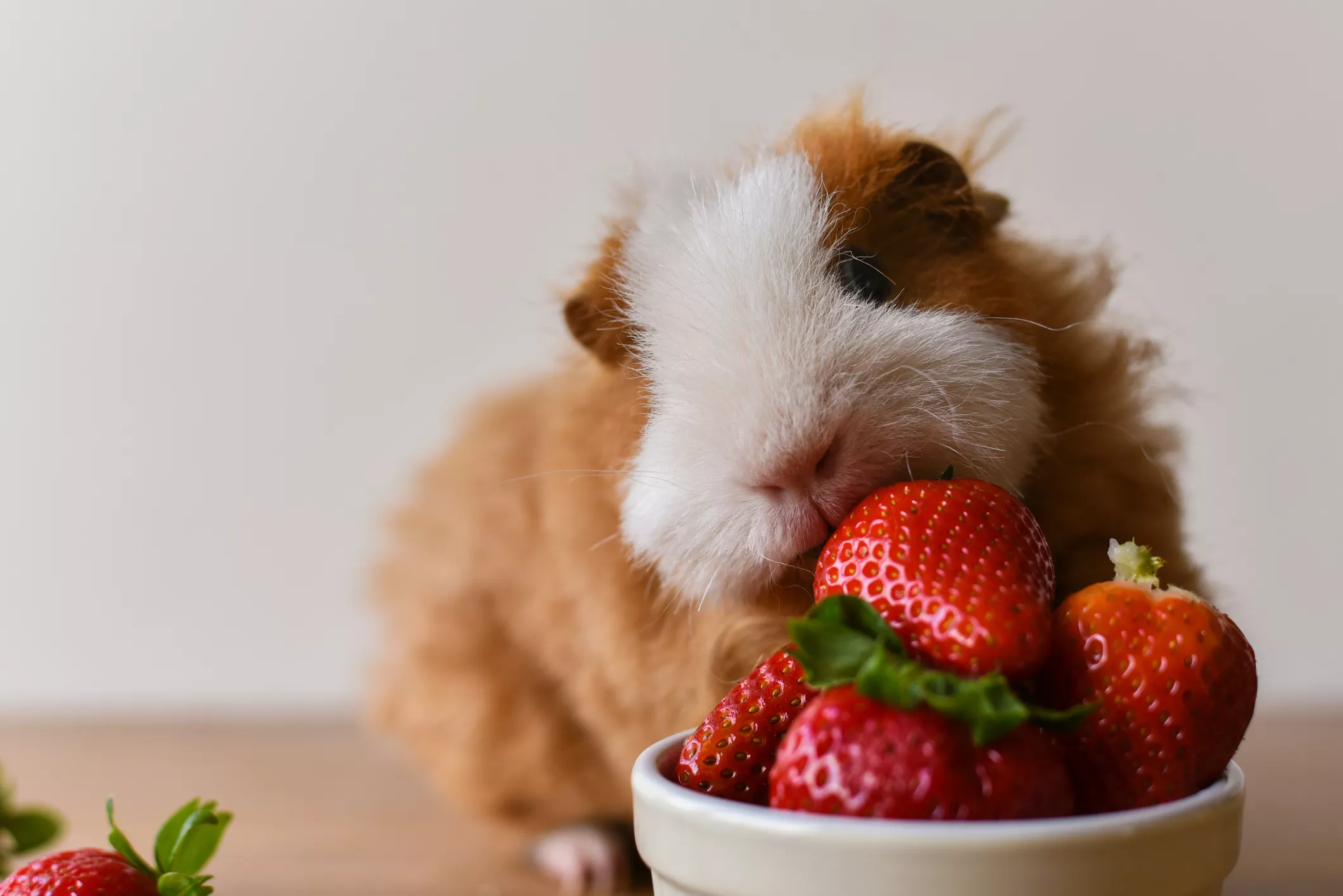
Key Takeaways Guinea pigs can eat a variety of fruits, but fruit should not make up more than 2% of their diet to avoid digestive issues.Safe fruits for guinea pigs include apples, bananas, berries, melons, citrus fruits, grapes, guava, kiwi, mango, passion fruit, pineapple, plums, prickly pear, starfruit, tomatoes, and peaches.Always introduce new fruits in small amounts and monitor your guinea pig's reaction for potential digestive or behavioral changes.
Key Takeaways
Guinea pigs can eat a variety of fruits, but fruit should not make up more than 2% of their diet to avoid digestive issues.Safe fruits for guinea pigs include apples, bananas, berries, melons, citrus fruits, grapes, guava, kiwi, mango, passion fruit, pineapple, plums, prickly pear, starfruit, tomatoes, and peaches.Always introduce new fruits in small amounts and monitor your guinea pig's reaction for potential digestive or behavioral changes.
Guinea pigs are herbivorous rodents that naturally consume plants. In the wild, they eat fresh grasses and plant material in their native South America. As pets, their diet primarily consists of dried grass hays. While guinea pigs can enjoy various fruits, these should comprise no more than 2% of their diet. Grass hays, leafy green vegetables, and vitamin C-fortified guinea pig pellets should form their daily diet. Offering fruits as treats is sufficient, as excessive fruit can lead to digestive issues like ileus, a life-threatening condition.
When giving your guinea pig fruit as a treat, start with small amounts. Gradually increase the portion while closely monitoring how their digestive system reacts. If your guinea pig eats less, becomes less active, develops watery stools, or shows any behavioral changes, discontinue the fruit and consult your veterinarian.
The following fruits are safe for guinea pigs when you want to offer them a treat.
Apples
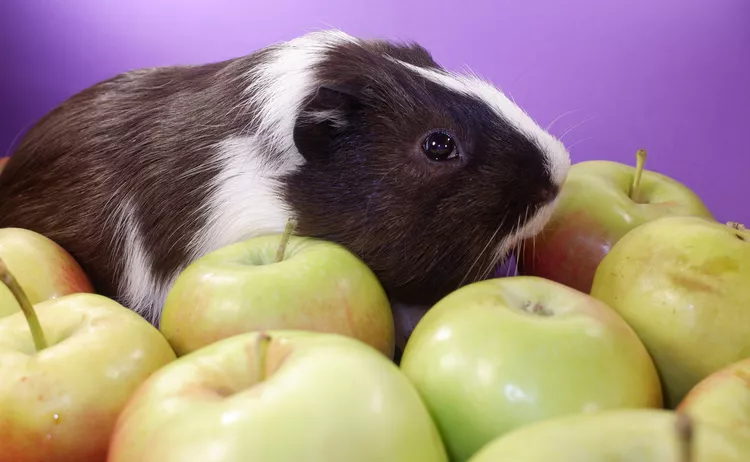
Offer your guinea pig a slice of apple as a treat. While some recommend peeling the apple to prevent stomach issues, others note that the peel contains beneficial components. Observe how your guinea pig reacts and decide whether to keep or remove the skin.
Bananas
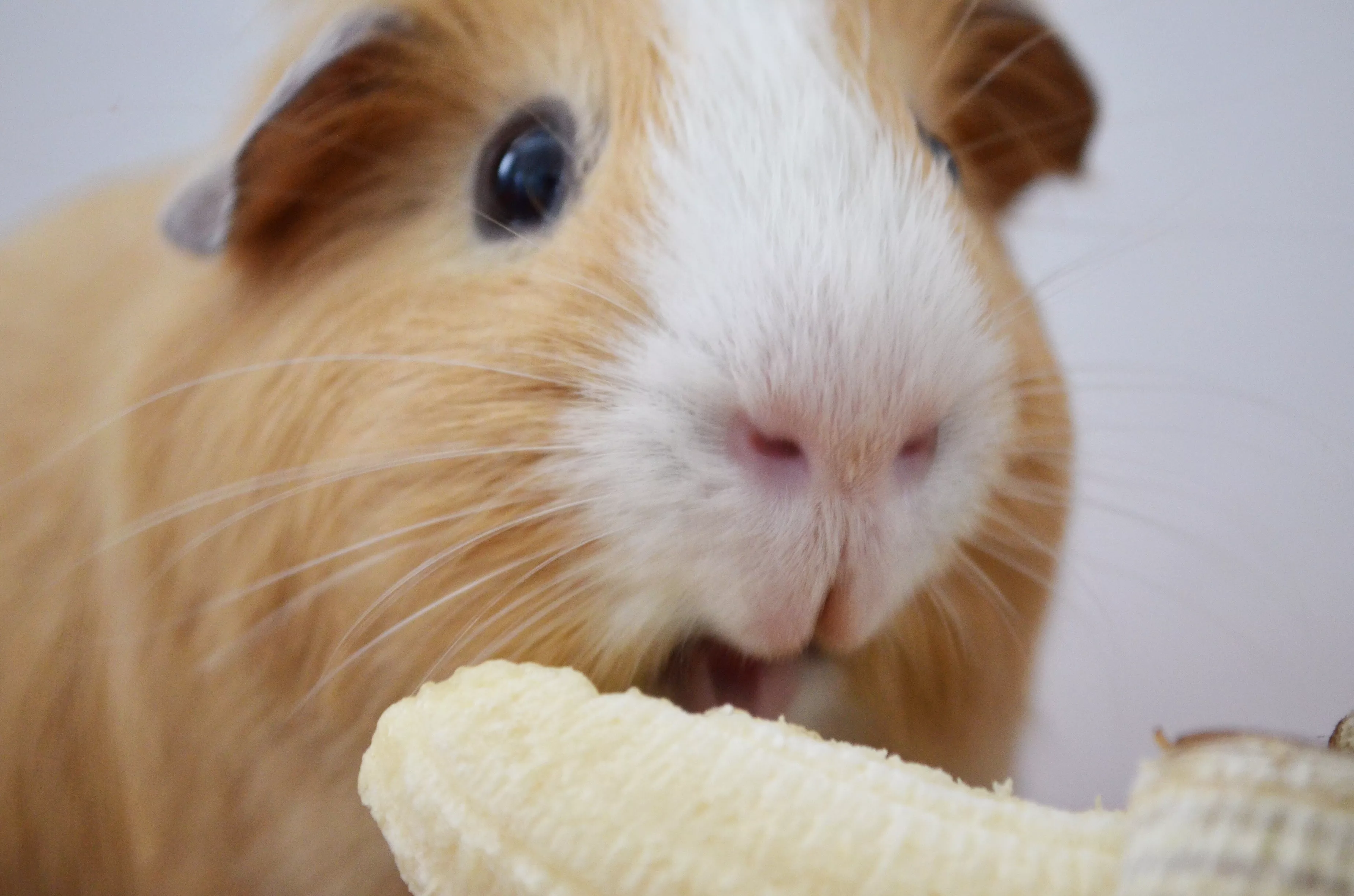
A small piece of peeled, ripe banana makes a soft and sweet treat for your guinea pig.
Berries
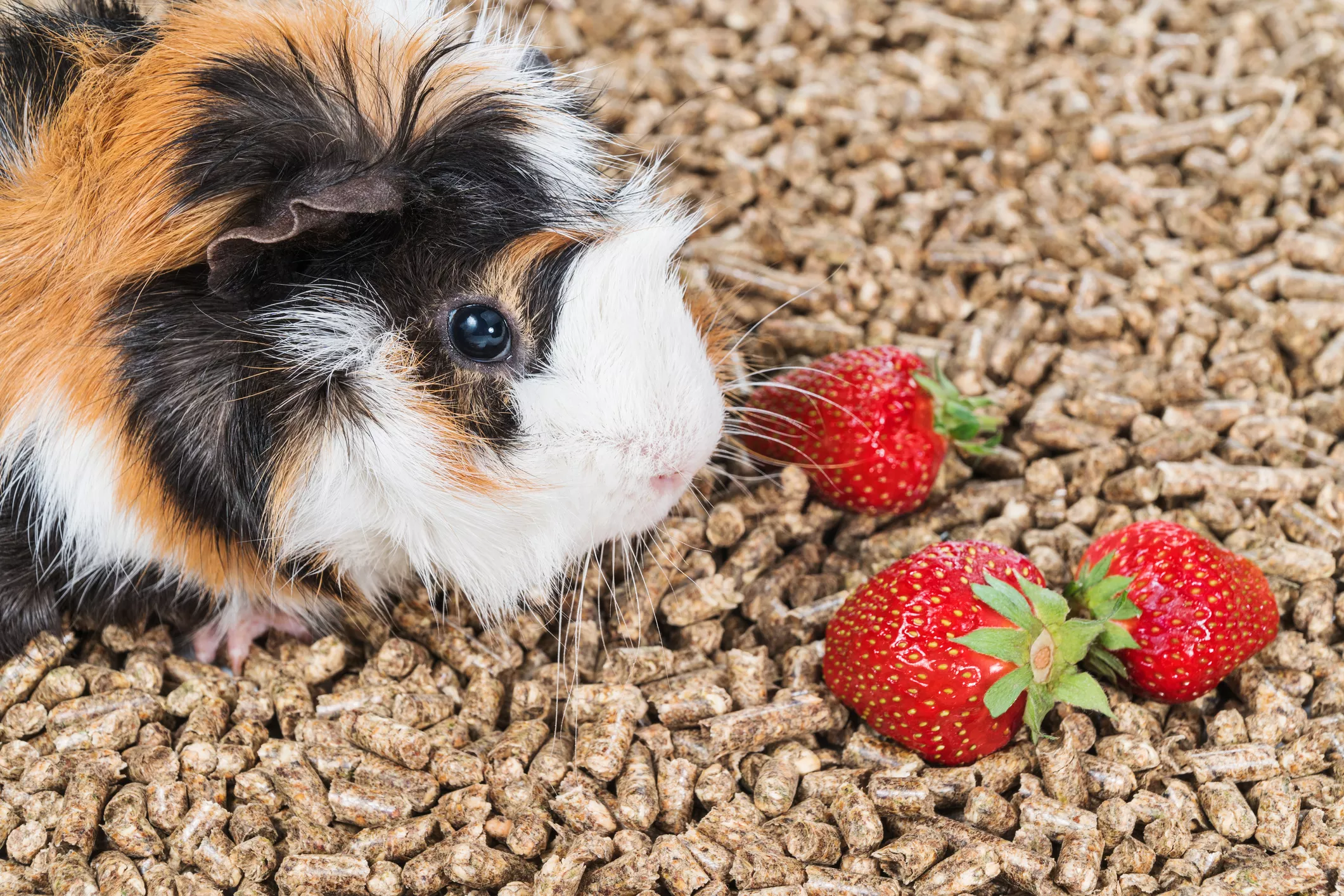
While not all the following fruits are botanically true berries, your guinea pig will enjoy these tasty options:
Melons
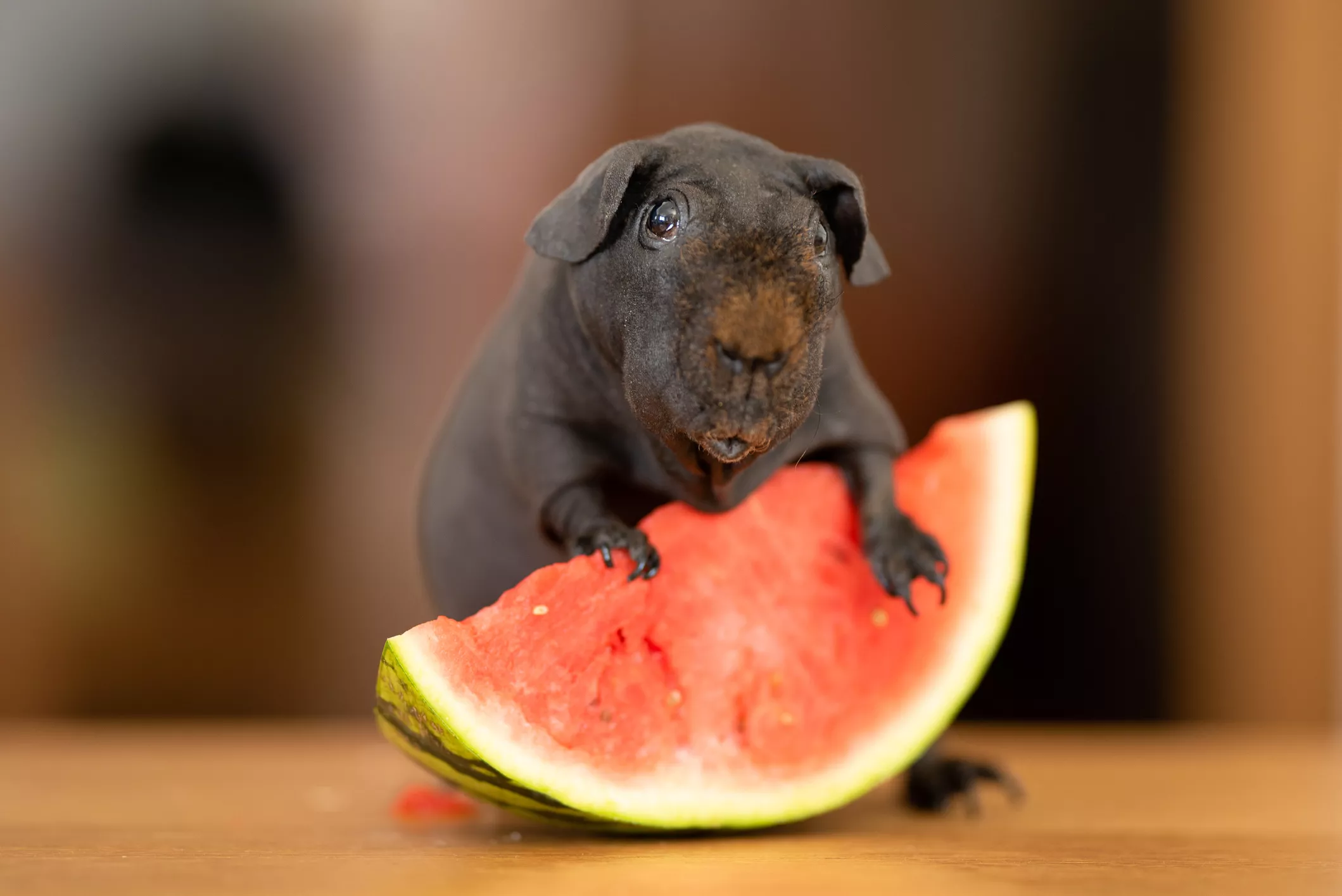
Melons are a refreshing summer treat for you and your guinea pig. Offer small pieces of these melons:
Citrus
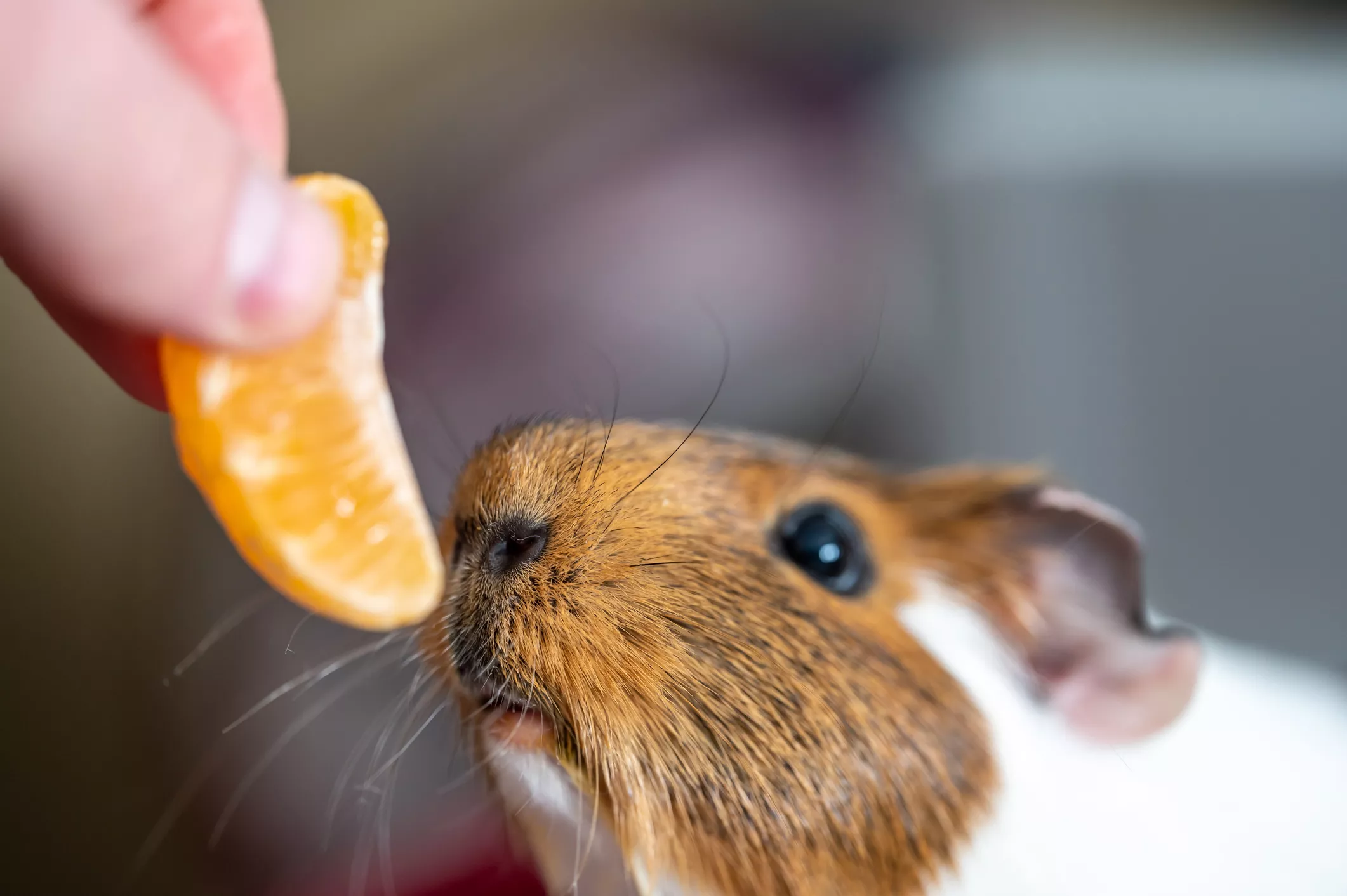
Peel these fruits first; a slice of the following citrus fruits is safe for your guinea pig:
Grapes
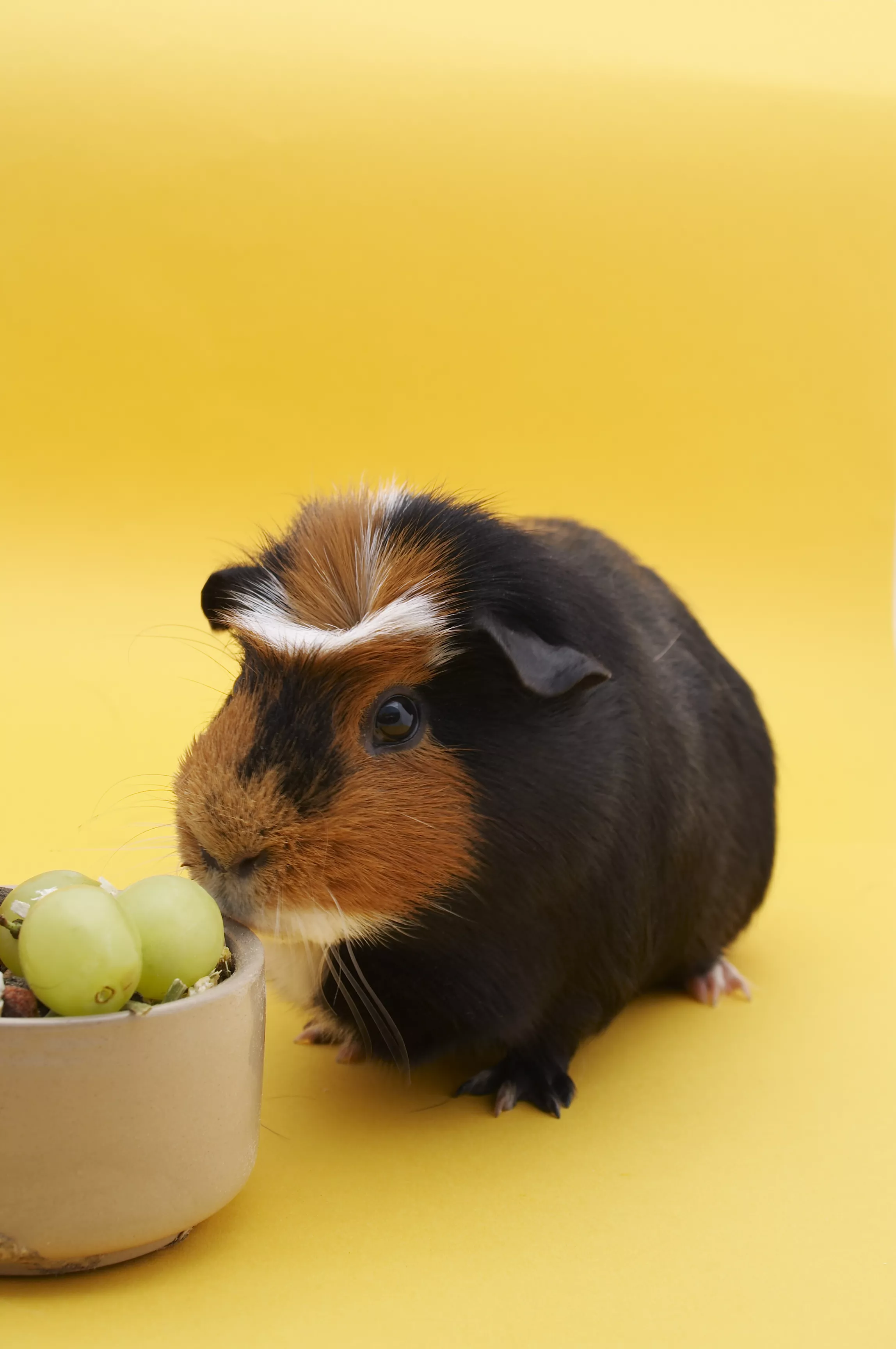
Red and green grapes are suitable treats for your guinea pig. Just one or two grapes are enough to make them happy.
Guava
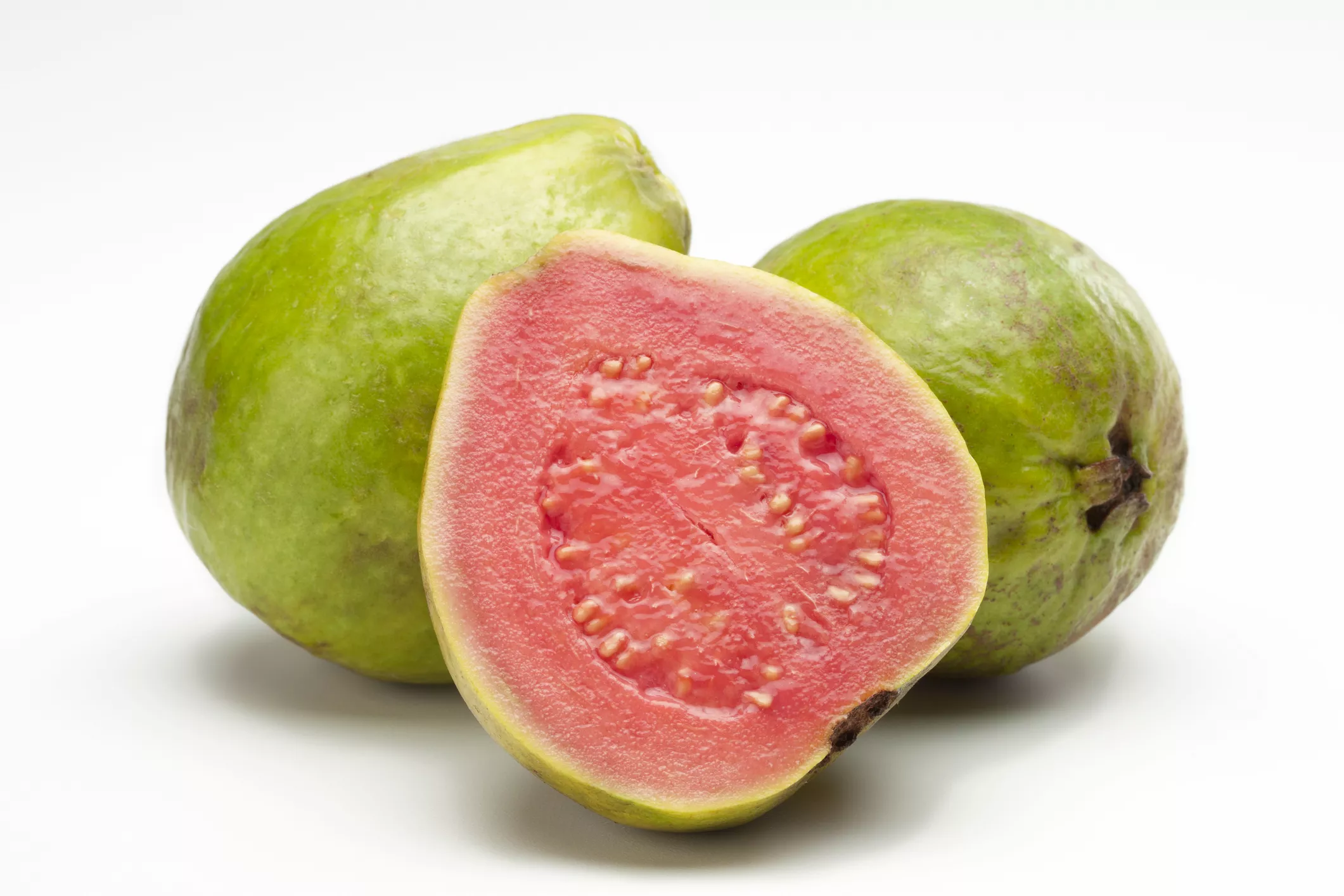
For a new treat, try offering your guinea pig a piece of guava. Always cut off the rind before serving this tropical fruit.
Kiwi
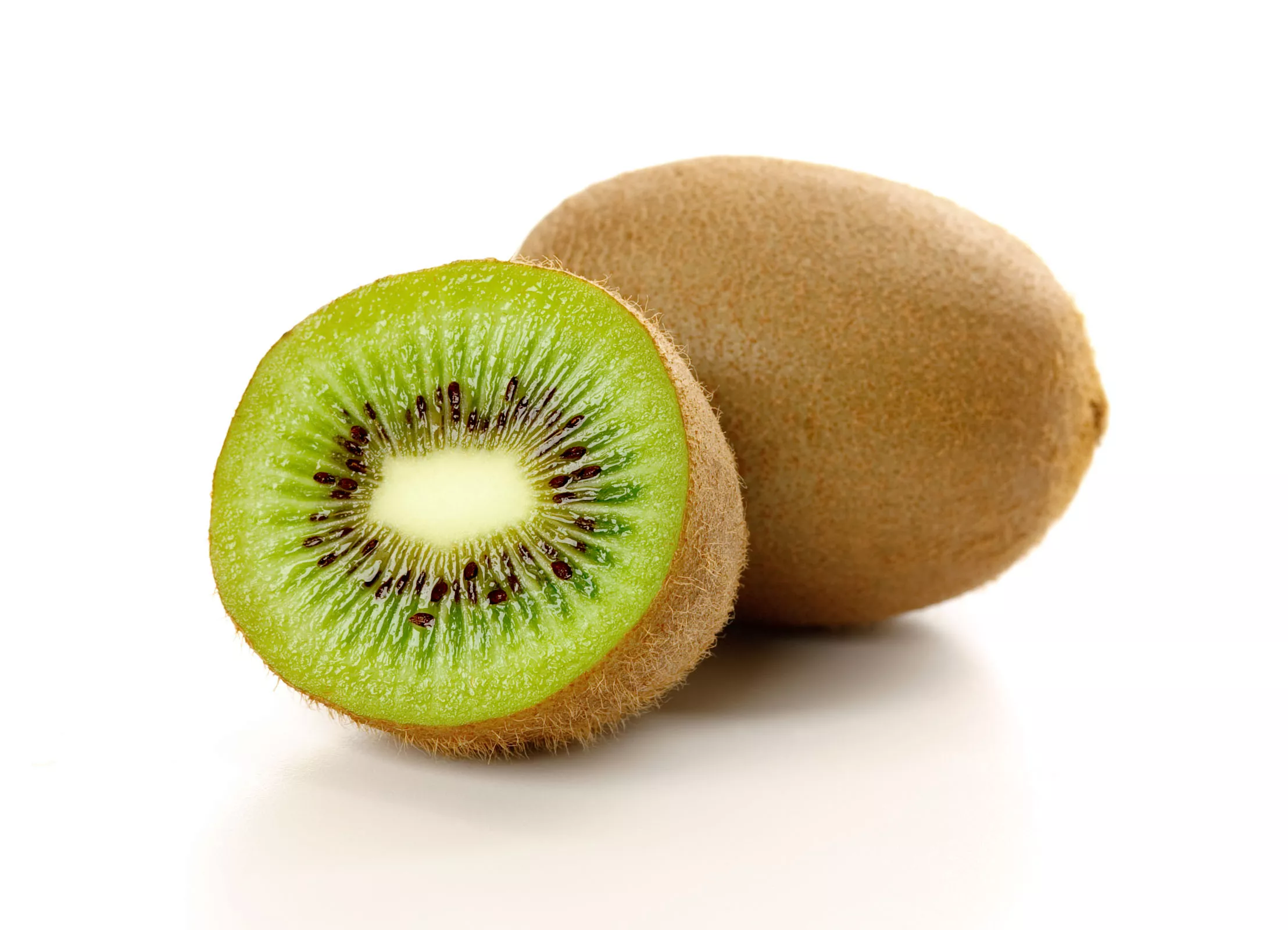
Fuzzy outside and seedy inside, kiwi is a tasty treat for your guinea pig, and it's safe to share.
Mango
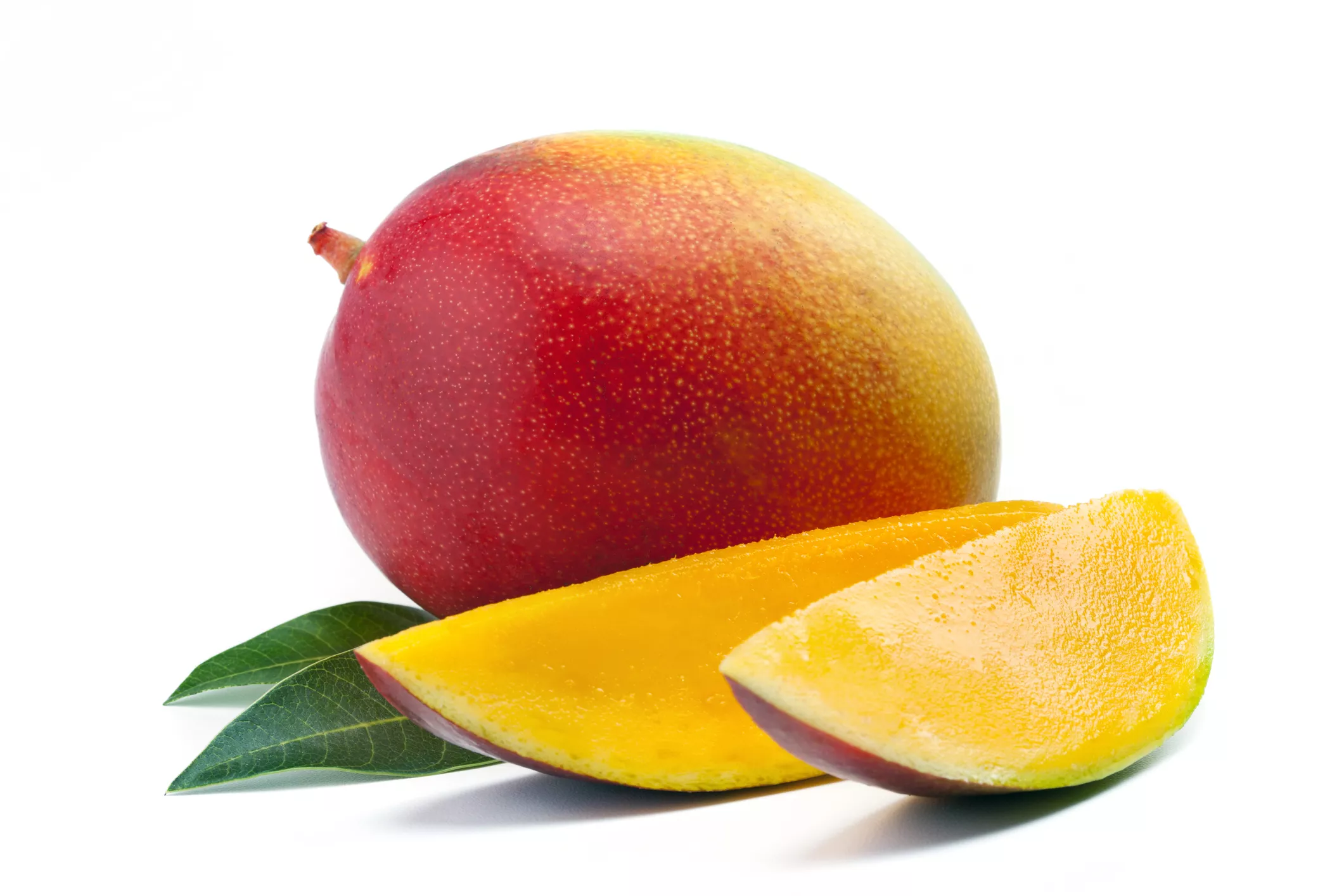
Mangoes are delicious fruits for sharing with your guinea pig. Always peel this vibrant fruit before offering a slice.
Passion fruit
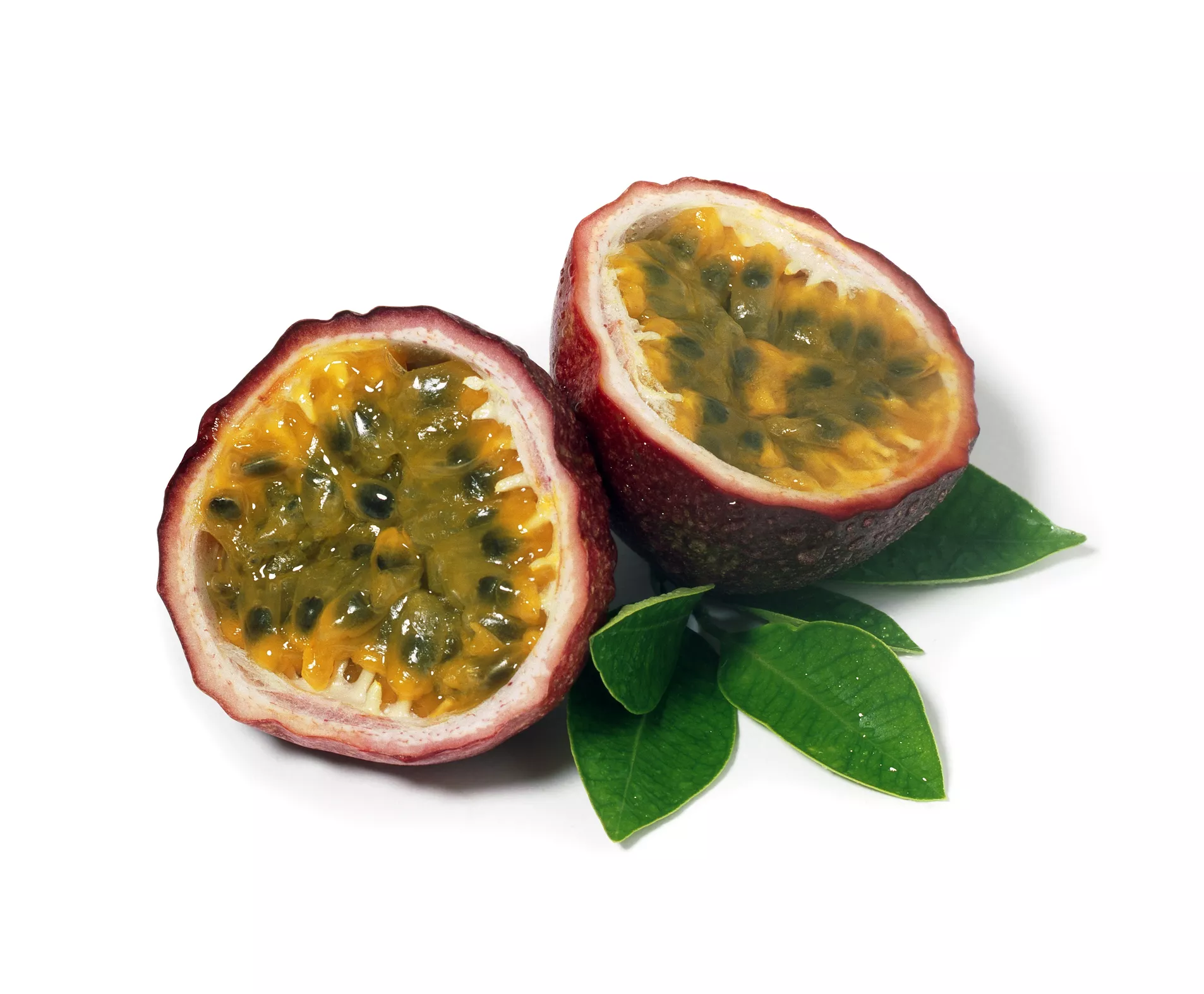
Offer only the inside of the passion fruit to your guinea pig. Its unique, seedy interior can provide an enjoyable treat experience.
Pineapple
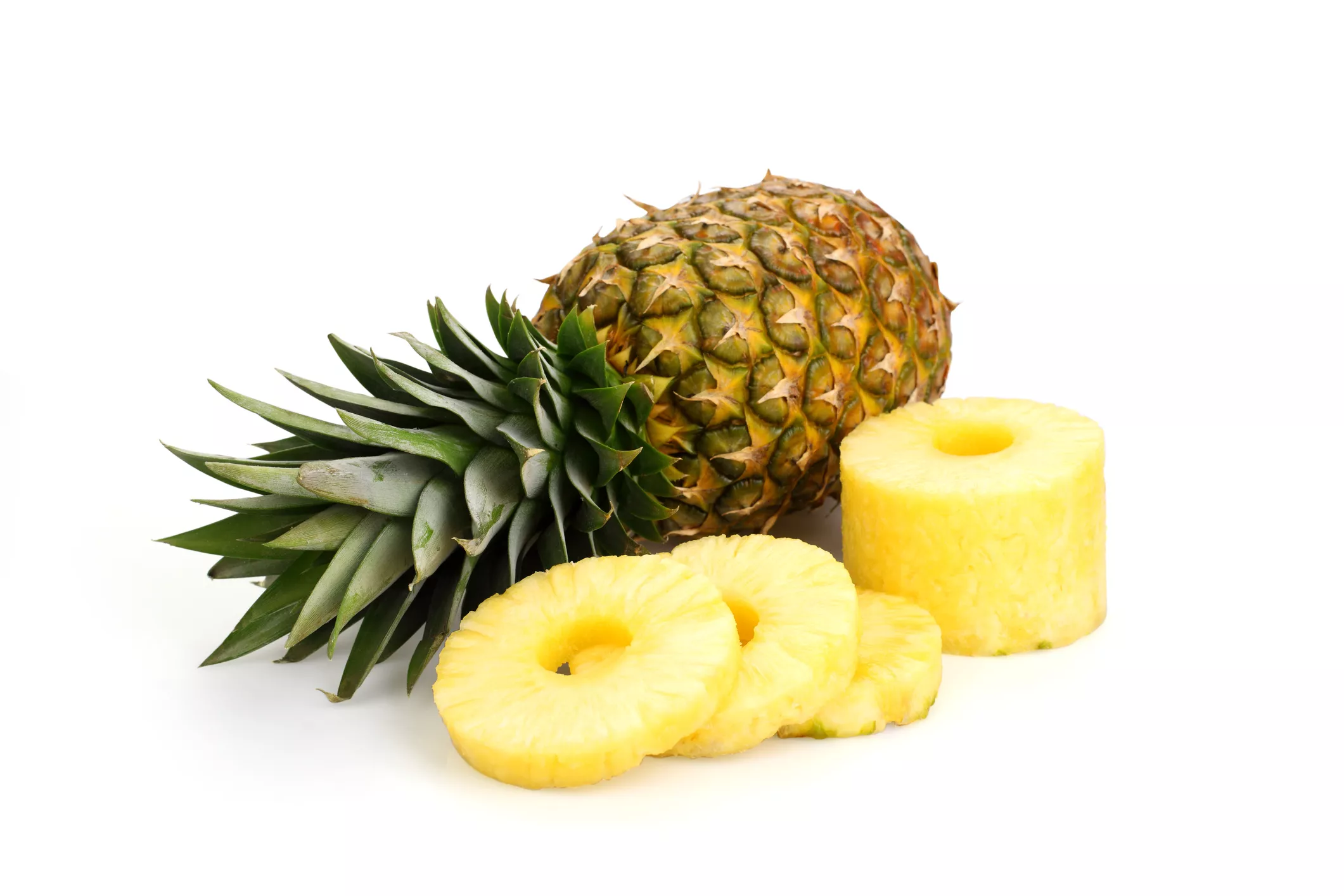
Share some pineapple with your guinea pig while enjoying some yourself. Avoid the core and spiky outer skin when serving.
Plums
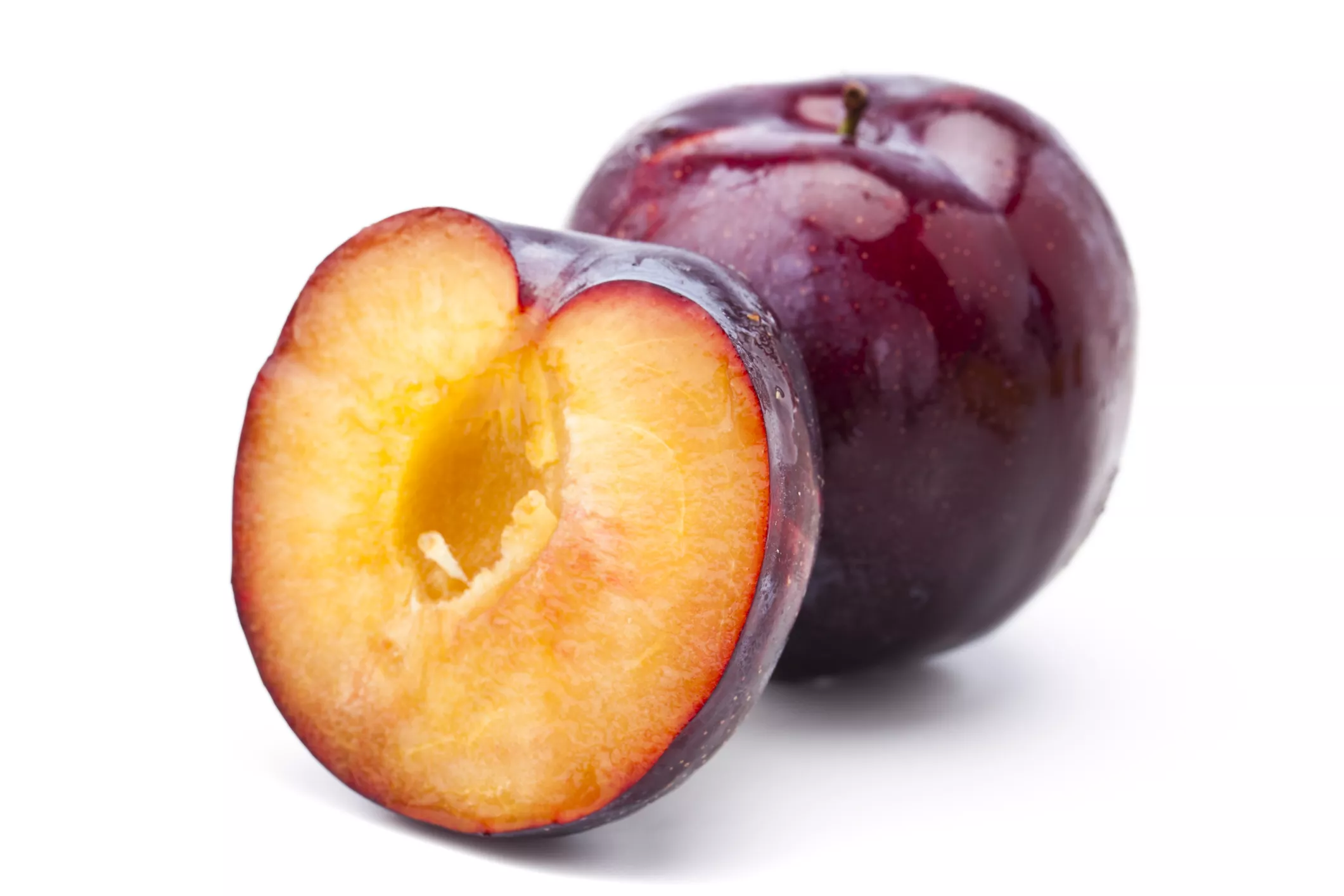
Softer than an apple yet firmer than a peach, plums might be the perfect in-between treat for your guinea pig.
Prickly Pear
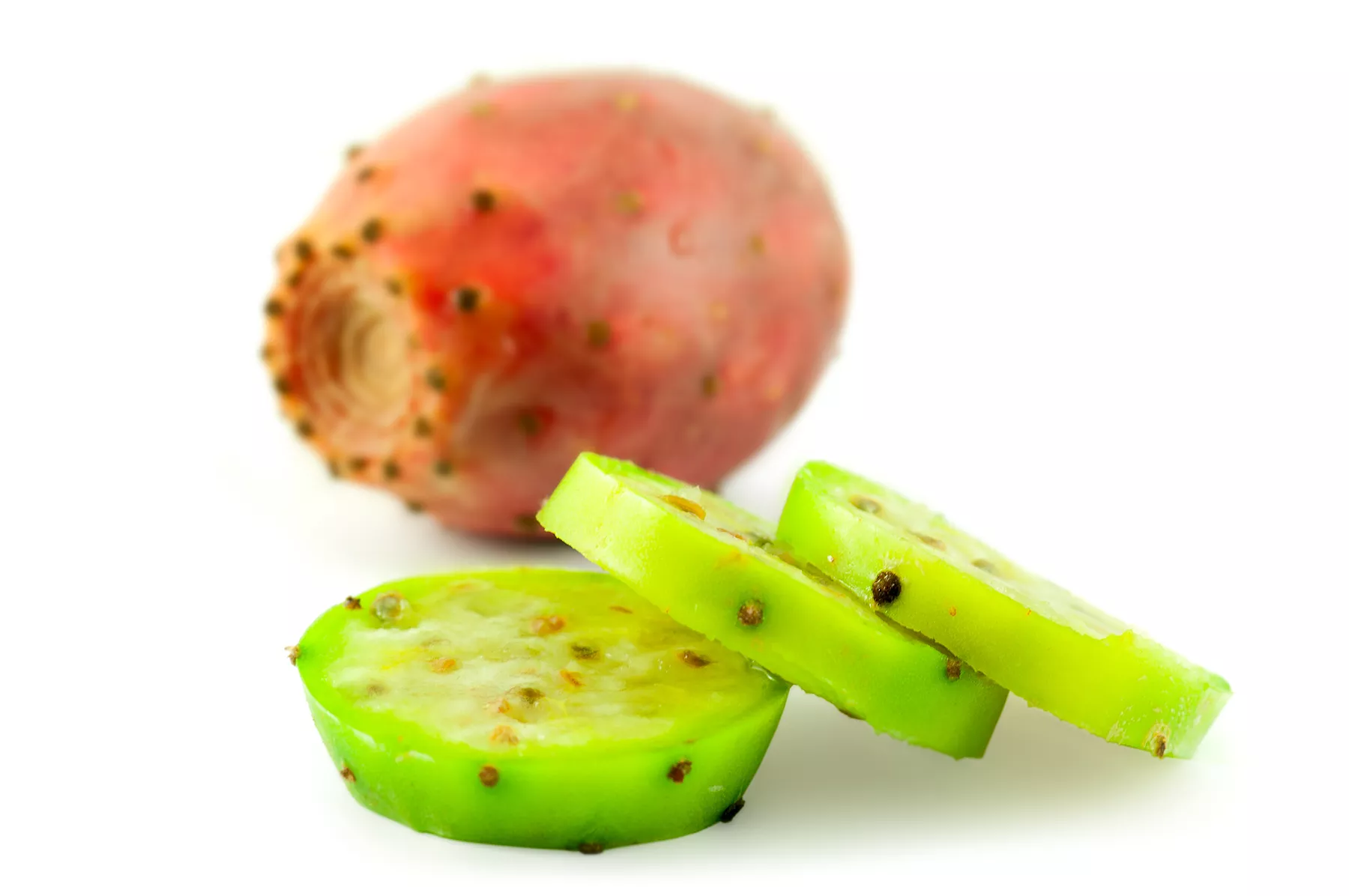
You might not expect cacti to bear fruit, but prickly pear cacti do. Offer your guinea pig a piece of this desert fruit after removing the skin and spikes.
Starfruit
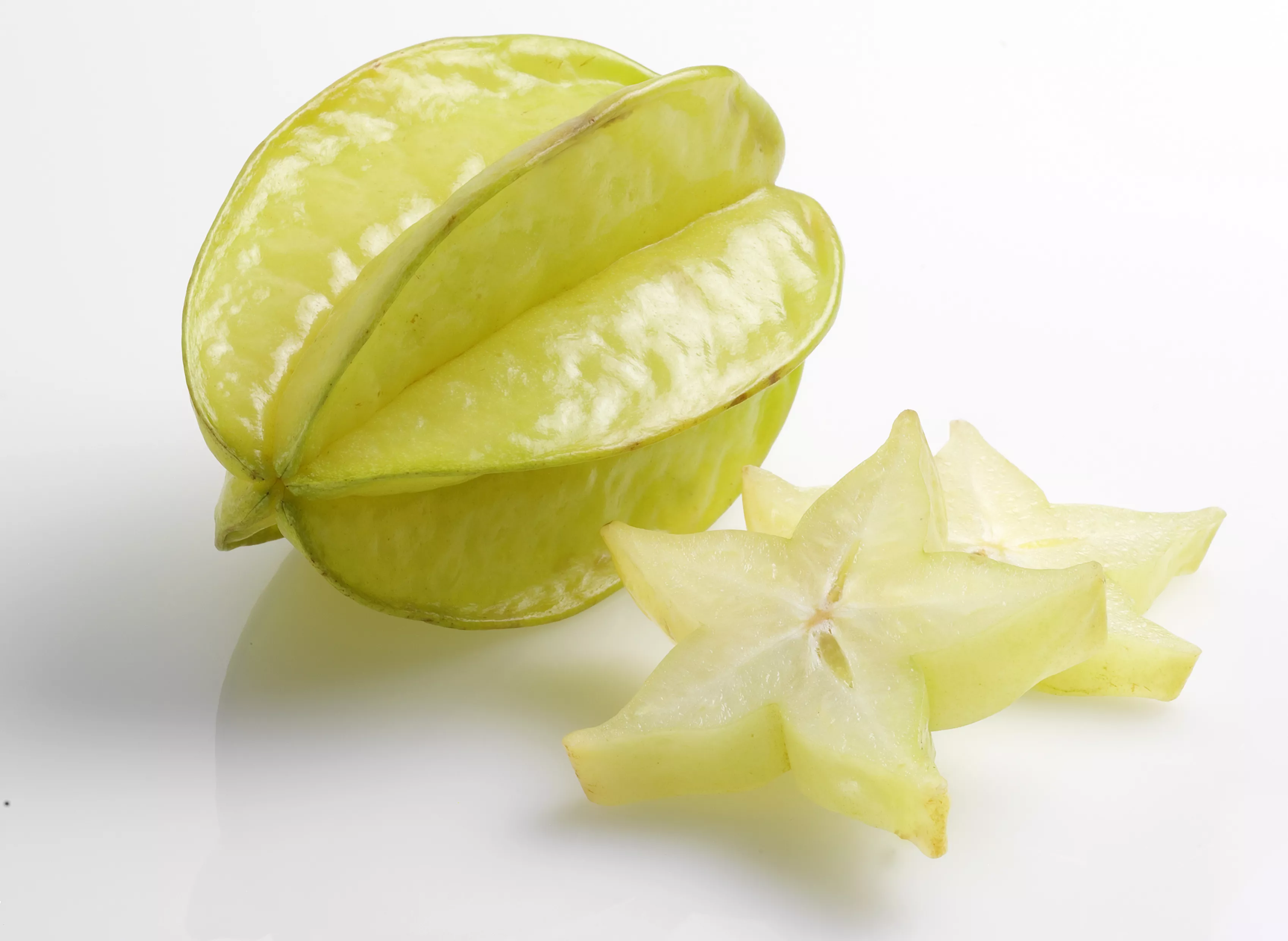
With its beautiful star shape, starfruit is a tasty treat you can offer your guinea pig.
Tomatoes
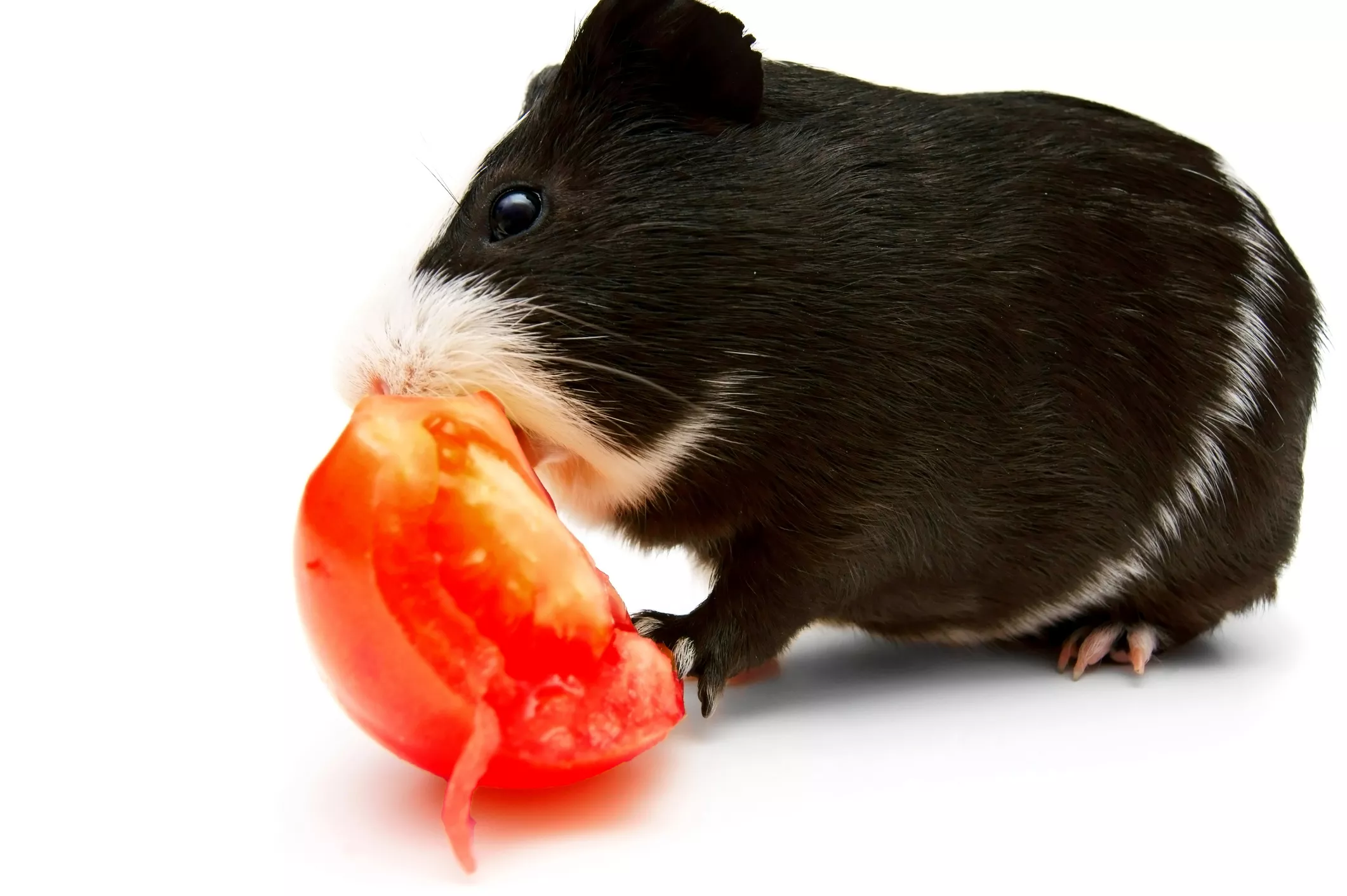
Although technically a fruit, tomatoes are often considered a vegetable and are a tasty treat for guinea pigs.
Peaches
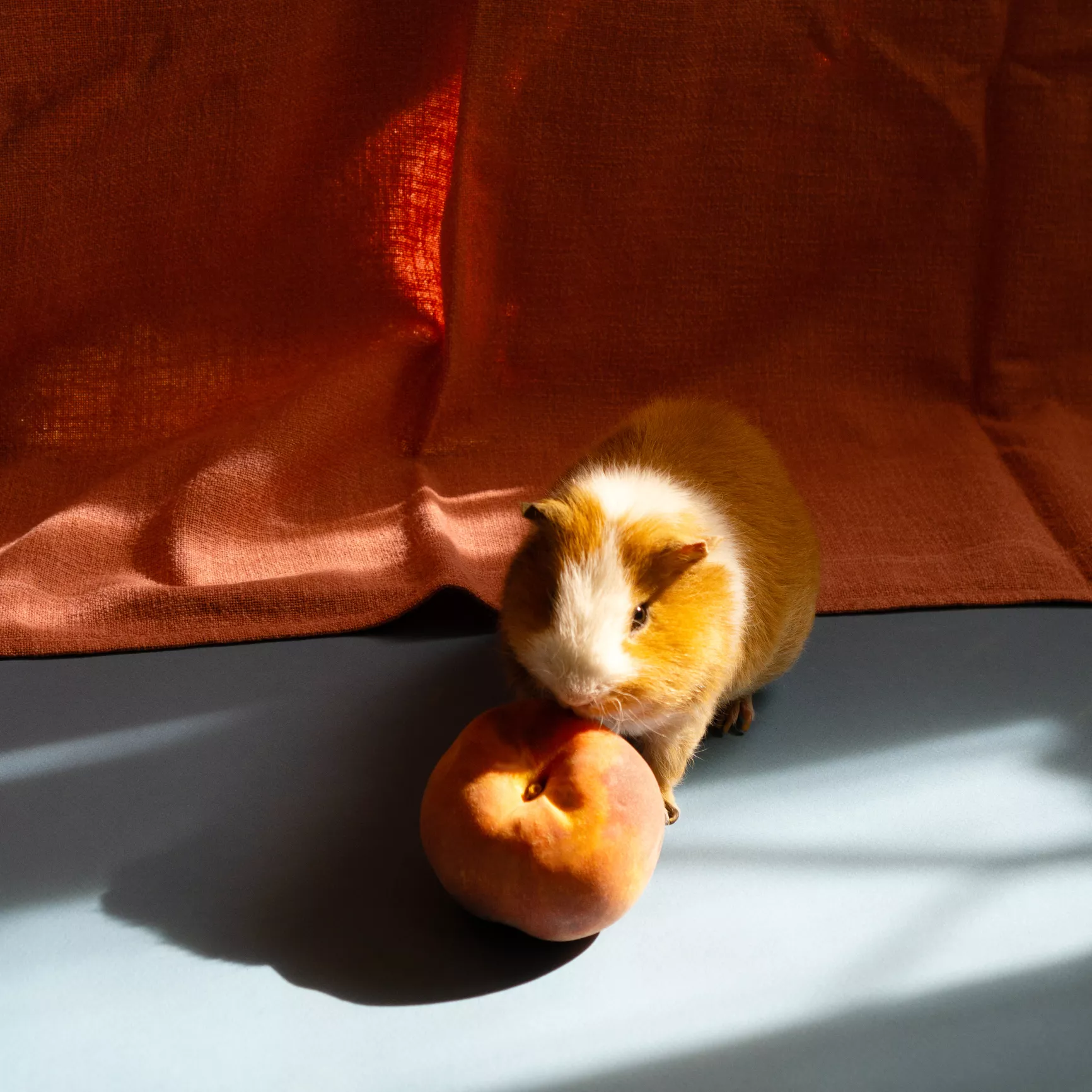
The fuzzy skin of peaches is edible, yet your guinea pig might prefer the sweet flesh inside.