Key Takeaways Brumation is a dormant period for reptiles, similar to hibernation in mammals, but involves periodic waking and the need to drink water. Reptiles brumate in response to cooler temperatures and shorter days, even if conditions are constant in captivity. It is crucial for captive reptiles to be healthy before entering brumation, reducing potential risks.
Key Takeaways
Brumation is a dormant period for reptiles, similar to hibernation in mammals, but involves periodic waking and the need to drink water. Reptiles brumate in response to cooler temperatures and shorter days, even if conditions are constant in captivity. It is crucial for captive reptiles to be healthy before entering brumation, reducing potential risks.
Brumation is a dormant period for reptiles, similar to hibernation in mammals. During this time, their bodies shut down to conserve energy for the coming year. Learn what to expect during brumation, how to care for your reptile, and how to prevent brumation if necessary.
What Happens During Brumation?
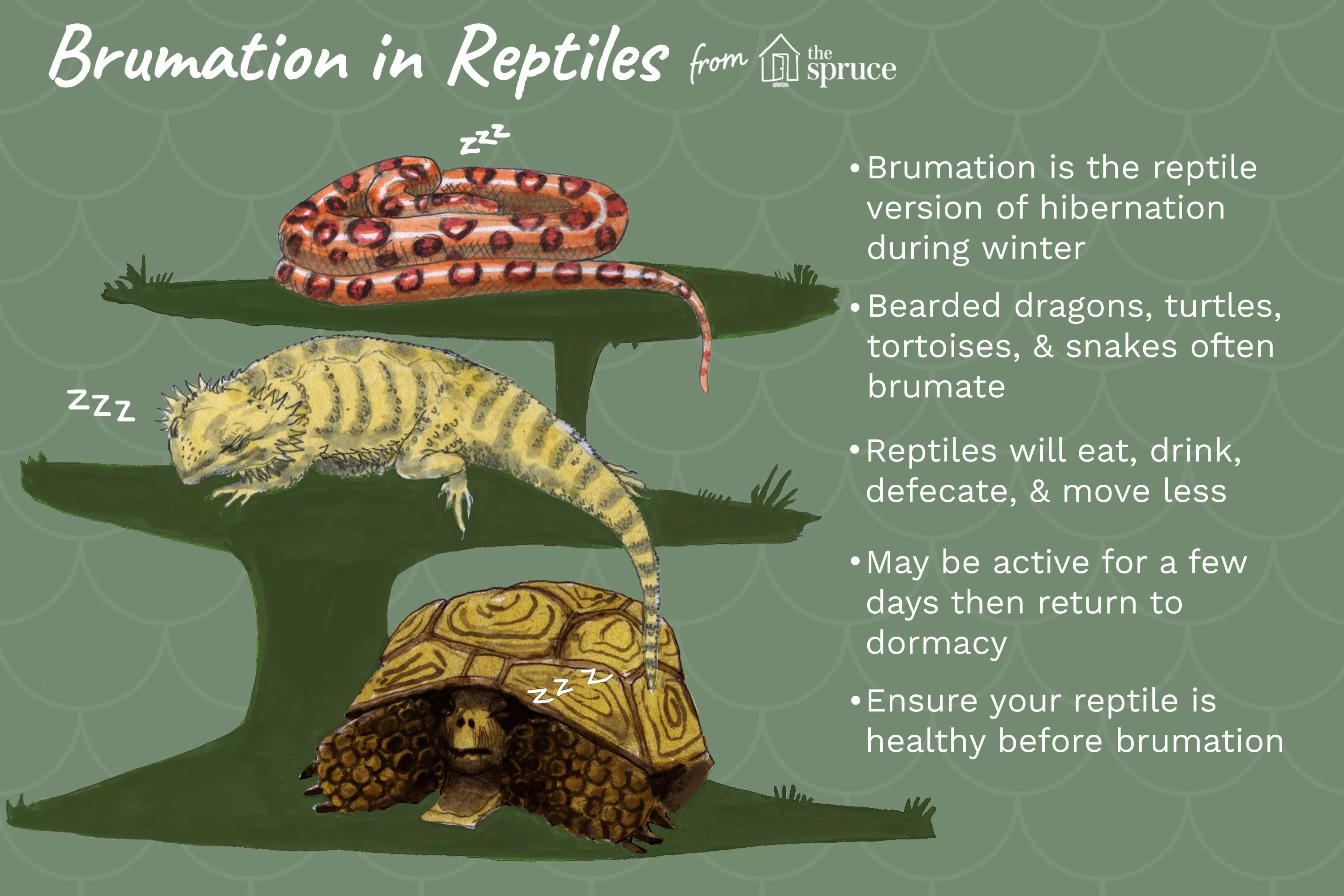
During brumation, a reptile may not eat, drink, defecate, or move for several weeks. It may rise occasionally to drink water and then return to dormancy. The reptile might bury itself completely underground or move to the darkest, coolest part of its enclosure. This lack of response to normal stimuli like poking and prodding can be alarming.1
Brumation can vary based on the reptile's species, age, and sex. Both males and females can experience brumation, with males typically emerging before females. Pet reptiles might enter brumation at any time of the year, meaning it’s not strictly a seasonal behavior.
Why Do Reptiles Brumate?
Brumation occurs in some reptiles as a survival tactic during cold seasons due to their inability to regulate body temperature. While pet reptiles may not have an ecological need to brumate, it remains an innate response to cooler temperatures and shorter days. In the wild, reptiles like bearded dragons might brumate to escape cold weather and food scarcity. In captivity, despite consistent light cycles and food availability, their internal clocks may trigger brumation. This natural process is generally safe for healthy reptiles.1
What Reptile Should I Get?
Difference Between Hibernation and Brumation
Mammals hibernate and reptiles brumate, but their behaviors differ. During hibernation, mammals sleep and survive off fat stores without needing to eat or drink. Reptiles, however, lack these fat reserves and instead rely on elevated blood glycogen levels to fuel their muscles.1
Brumation is not true sleep; reptiles still need to drink water. A brumating reptile might occasionally wake, engage in some activity, drink water, and return to dormancy. Conversely, hibernating mammals remain in a deep sleep without needing food or water.
Which Reptiles Brumate?
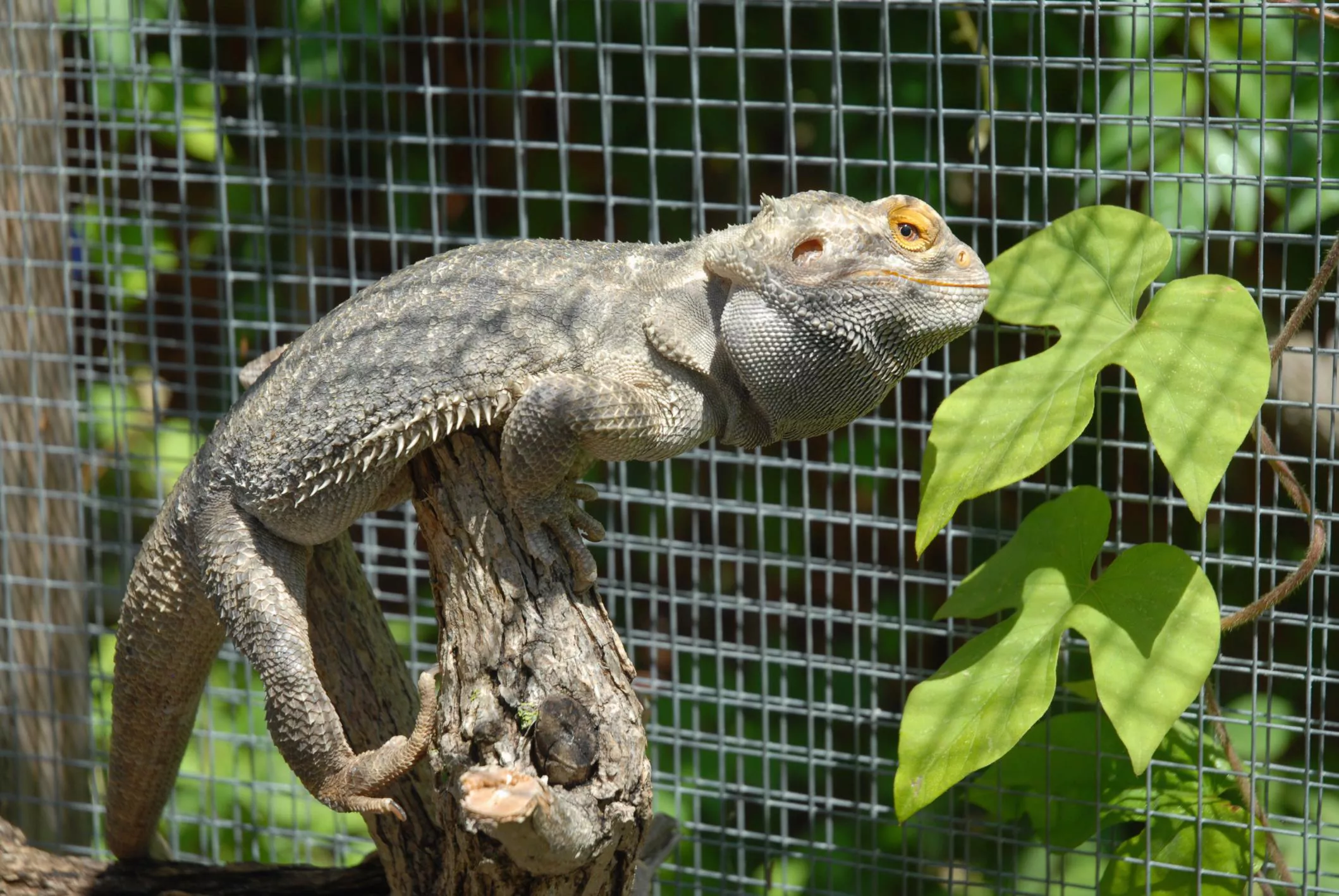
Bearded dragons are among the most common reptile pets that brumate. They are unpredictable and may brumate annually, sporadically, or not at all. Other reptiles that commonly brumate include certain turtles, tortoises, lizards, and snakes. Some amphibians, like frogs, also participate in brumation.2
Best Pet Reptiles for Beginners
Preparing a Reptile for Brumation
Ensure your reptile is healthy and free from both internal and external parasites. Encourage defecation by soaking them in water and massaging their belly. Also, verify the enclosure's humidity and temperature settings. Your reptile may eat more before brumation, so provide food until they stop eating. A veterinary check-up is advised before brumation.2
[In the wild, a reptile may enter brumation with an ailment and may not reawaken in the spring. Fortunately, captive reptiles are generally healthier than their wild counterparts. Regular veterinary care can reduce the health risks associated with brumation.
How to Prevent Brumation
Your veterinarian might suggest measures to prevent brumation, particularly if your reptile has health concerns. To fully avoid brumation, maintain consistent temperatures, feedings, and lighting. Handling your reptile regularly, especially when offering food and water, can help prevent them from entering brumation.
Although brumation is a natural process, it does carry some risks. If your pet enters brumation, assist with rehydration but otherwise leave them undisturbed. Reach out to your veterinarian if you have any questions or concerns, and schedule a veterinary check-up after they emerge from brumation.2
8 Surprisingly Adorable Reptiles That Might Steal Your Heart