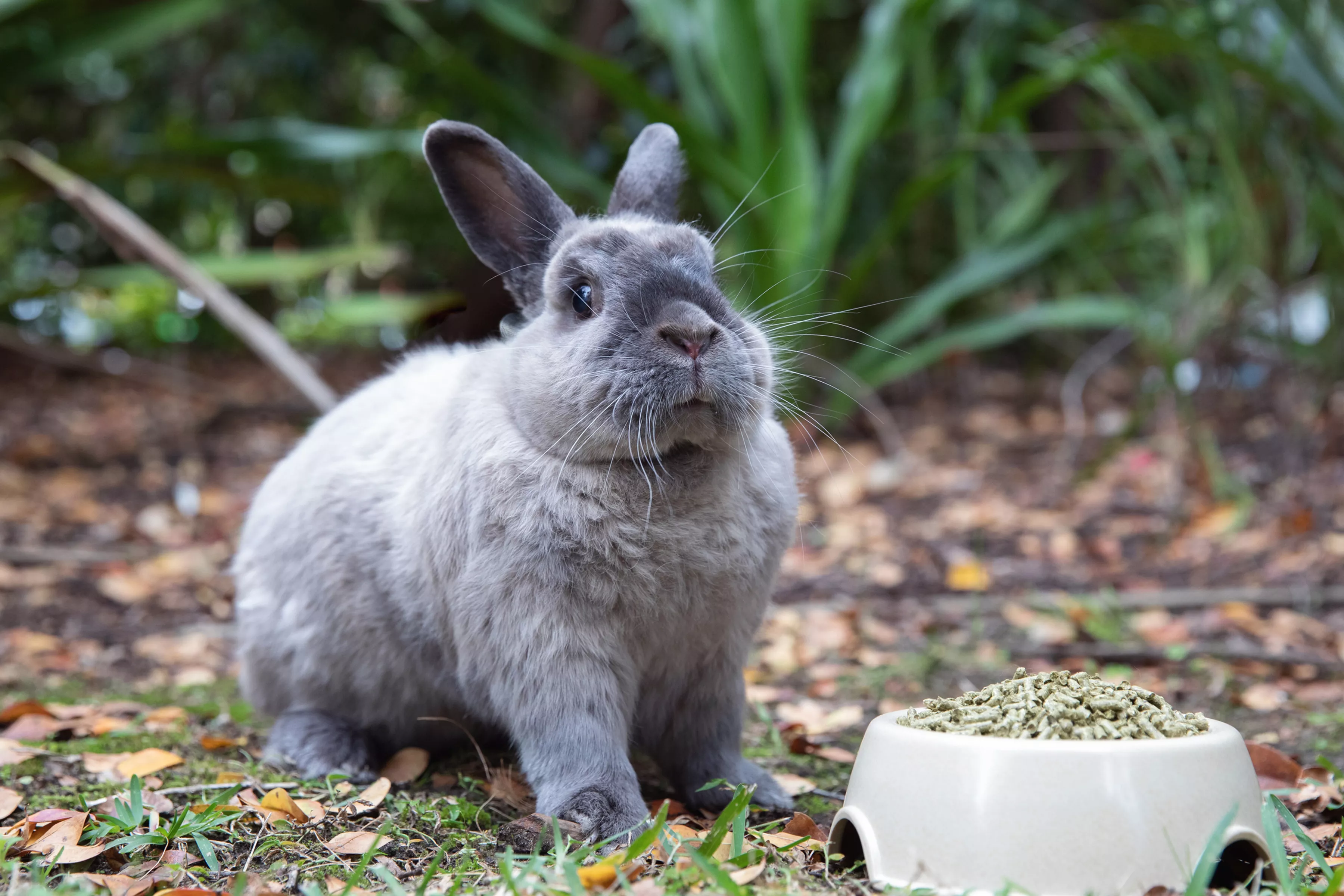
Pet rabbits frequently chew on anything they can get their teeth into, making it concerning when one suddenly stops eating. While it may not be alarming if a dog or cat skips a meal, it can indicate an emergency situation if a rabbit does.
While this situation warrants a trip to the vet, there are steps you can take in the meantime to help your bunny feel better.
Why Do Rabbits Stop Eating?
The most common reason for a loss of appetite in rabbits is a gastrointestinal problem called ileus. Ileus occurs when normal peristalsis—the contractions in the intestines that push food through the gastrointestinal tract—decreases or stops. Ileus is extremely dangerous in rabbits and can cause death if left untreated.
Ileus is usually due to another problem, including:
Signs of Ileus
Look your rabbit over for any obvious signs of ileus:
When your rabbit leaves its food untouched, it's obviously a sign that it has lost its appetite. In other cases, however, the changes may be subtler. If you aren't sure whether your rabbit is eating, look for signs such as:
Home Remedies
In the absence of obvious signs of ileus, consider first any environmental changes you may have made that might cause stress in your rabbit. Correct these by reversing whatever you changed; then see if your rabbit will eat a treat or some food.
You can try home remedies in the first few hours after you notice that your rabbit stopped eating. However, rabbits that don't eat for even just a day are in a life-threatening situation and require immediate veterinary attention. Don't delay and, even while you're trying home remedies, give your vet a call for a phone consultation.
Veterinary Treatment
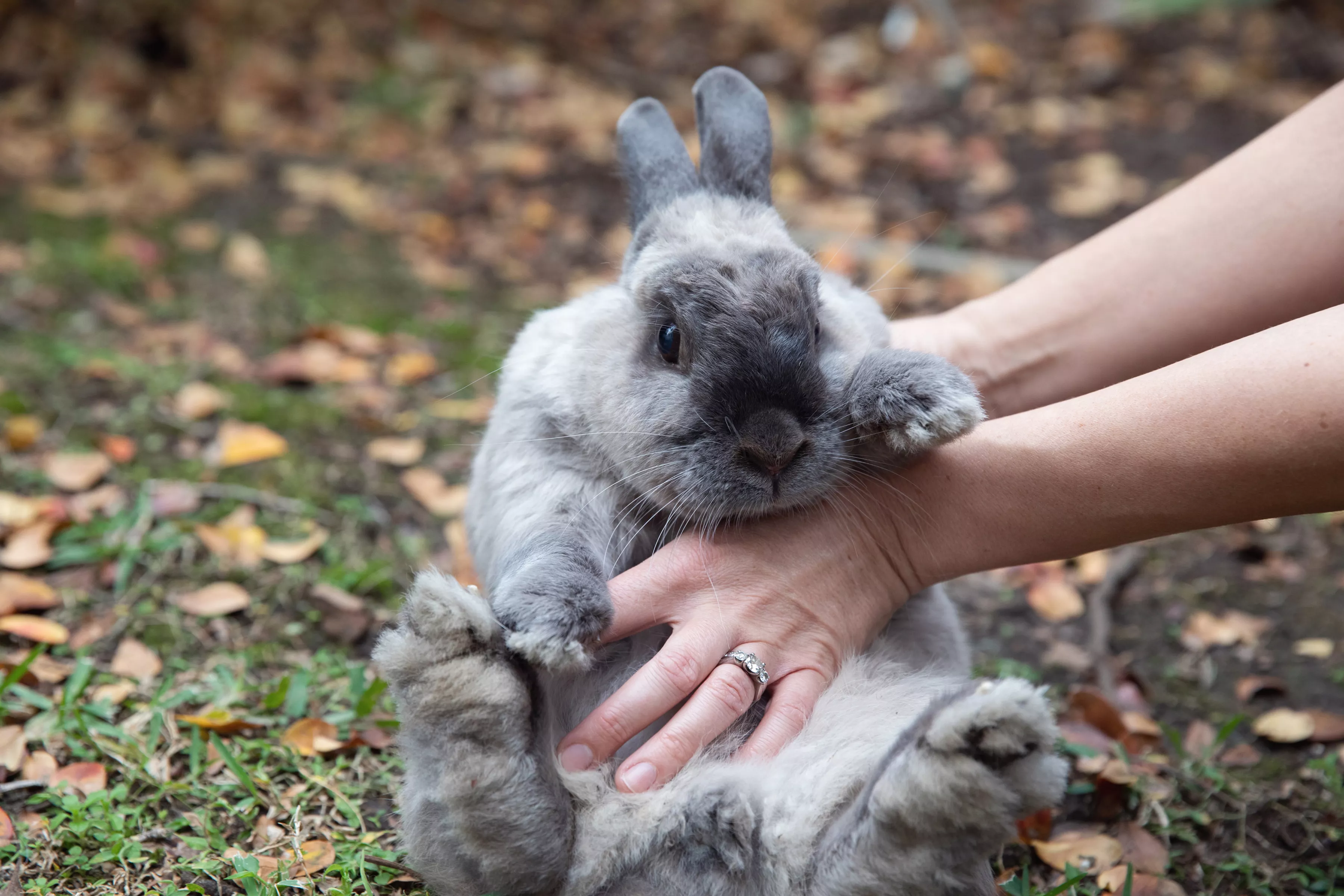
To immediately get something into your rabbit's system, your vet may recommend IV fluids or another form of hydration. Medications for pain, gas production, gastric motility, and other concerns may also be prescribed. Force-feeding your bunny with veterinary-grade products, such as Oxbow Critical Care or Emerald Intensive Care Herbivore, will provide the nutrition your pet needs while it isn't eating normally.
Diagnostic Processes
At the same time, your vet will want to figure out why your rabbit stopped eating in the first place. Sometimes this isn't easy to do, and there are several tests for diagnosing the cause (or causes). Along with a thorough physical exam, your vet may recommend a dental examination, blood tests, urine tests, fecal tests, radiology (X-rays), and other diagnostics.
There may also be times when testing may be limited or isn't practical, either due to the poor health of your rabbit or financial constraints. In these cases, the symptoms can be treated aggressively with fluids and medication but, depending on the root cause, the fasting may return.
How to Prevent a Loss of Appetite
Many diseases that cause your rabbit to stop eating are completely preventable through good care. For instance, overgrown or abscessed teeth (and the diseases they may cause) can often be prevented by providing regular dental care. Likewise, keeping your rabbit's cage clean can go a long way toward preventing infections and parasitic infestations.
You can also take simple steps to promote a healthy appetite in your rabbit. Make sure you provide unlimited grass hays (not alfalfa), leafy greens, and fresh drinking water in a bowl. Your rabbit also needs a stable environment that's free of fluctuating temperatures and stressors.
Reasons Why Rabbits Chew and How to Stop It