Key Takeaways Large parrot species often have similar or longer lifespans compared to humans and age in a similar life stage pattern.Small birds like cockatiels and lovebirds have much shorter lifespans, around 20 years, and do not correlate directly with human age progression.A healthy diet, regular exercise, and routine veterinary checks are vital for extending your pet bird's life.
Key Takeaways
Large parrot species often have similar or longer lifespans compared to humans and age in a similar life stage pattern.Small birds like cockatiels and lovebirds have much shorter lifespans, around 20 years, and do not correlate directly with human age progression.A healthy diet, regular exercise, and routine veterinary checks are vital for extending your pet bird's life.
A bird's lifespan varies by species, with large birds generally living longer than small ones. Many large parrot species have similar or even longer lifespans than humans. However, calculating other birds' ages in human terms might require some math.
Pet Bird Lifespans
Many large parrots age at a rate similar to humans, entering life stages like middle and old age at similar times. They face age-related health issues such as arthritis, largely dependent on their genetics, diet, and exercise.
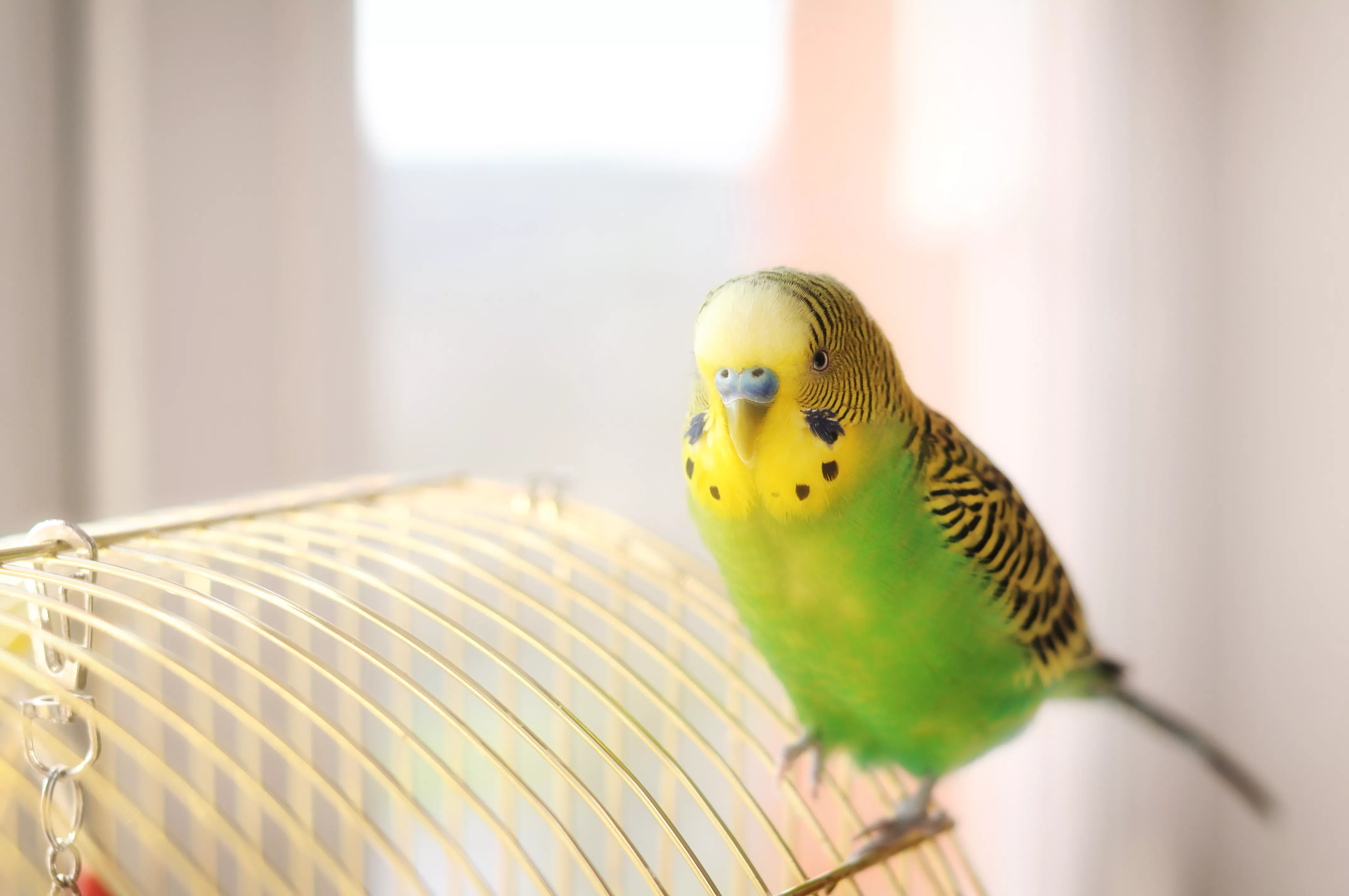
It's not as straightforward to pinpoint the life stage of many smaller species because their lifespans are much shorter. Some examples of these birds that are popular as pets include cockatiels, lovebirds, and quaker parrots. These particular species have an average life expectancy of around 20 years with quality care.
The average human life expectancy is around 80 years. A 10-year-old cockatiel may be roughly 40 in "human years." While middle-aged at that point, this calculation isn't always applicable. Cockatiels reach adulthood at 1 year, unlike humans, who don't at 4.
Birds of all sizes reach adulthood faster than humans, enhancing their survival and reproduction chances in the wild. However, there's limited research on when they reach middle age or become seniors. Typically, a bird's life includes growth to peak adulthood, followed by adulthood with some age-related issues, and finally, age-related decline.
Caring for Your Pet Bird to Achieve a Long Life
As your bird ages, support its health with a diet of leafy greens, other vegetables, some fruits, grains, nuts, seeds, and pellets. You might even want to learn how to make chop to ensure there's variety in your bird's daily diet. "Chop" simply refers to a mix of fresh, nutritious foods for your bird that you make in a big batch and freeze in meal-size portions.
Moreover, be aware that an all-seed diet is generally unsuitable for birds. Seeds are high in fat and lack many essential vitamins and minerals. Many commercial mixes contain harmful additives, like artificial coloring. Birds on a seed-only diet often have dull, brittle feathers and risk severe health issues, such as fatty liver disease, especially in middle age. Seeds can be part of a balanced diet but shouldn't be the sole food to maximize lifespan.
Another factor to keep your bird healthy and happy is its routine. Plan a schedule that includes an adequate amount of exercise, as well as approximately 12 hours of uninterrupted sleep each night. Birds that aren't given enough space and encouragement (such as toys) to be physically active typically have shorter lifespans, much like their human counterparts who don't get enough exercise.
Regular wellness checks with an avian vet are vital. Early detection of health issues can be critical. Your vet may identify age-related problems, like joint stiffness, and recommend steps to alleviate symptoms and prolong quality life.