Key Takeaways
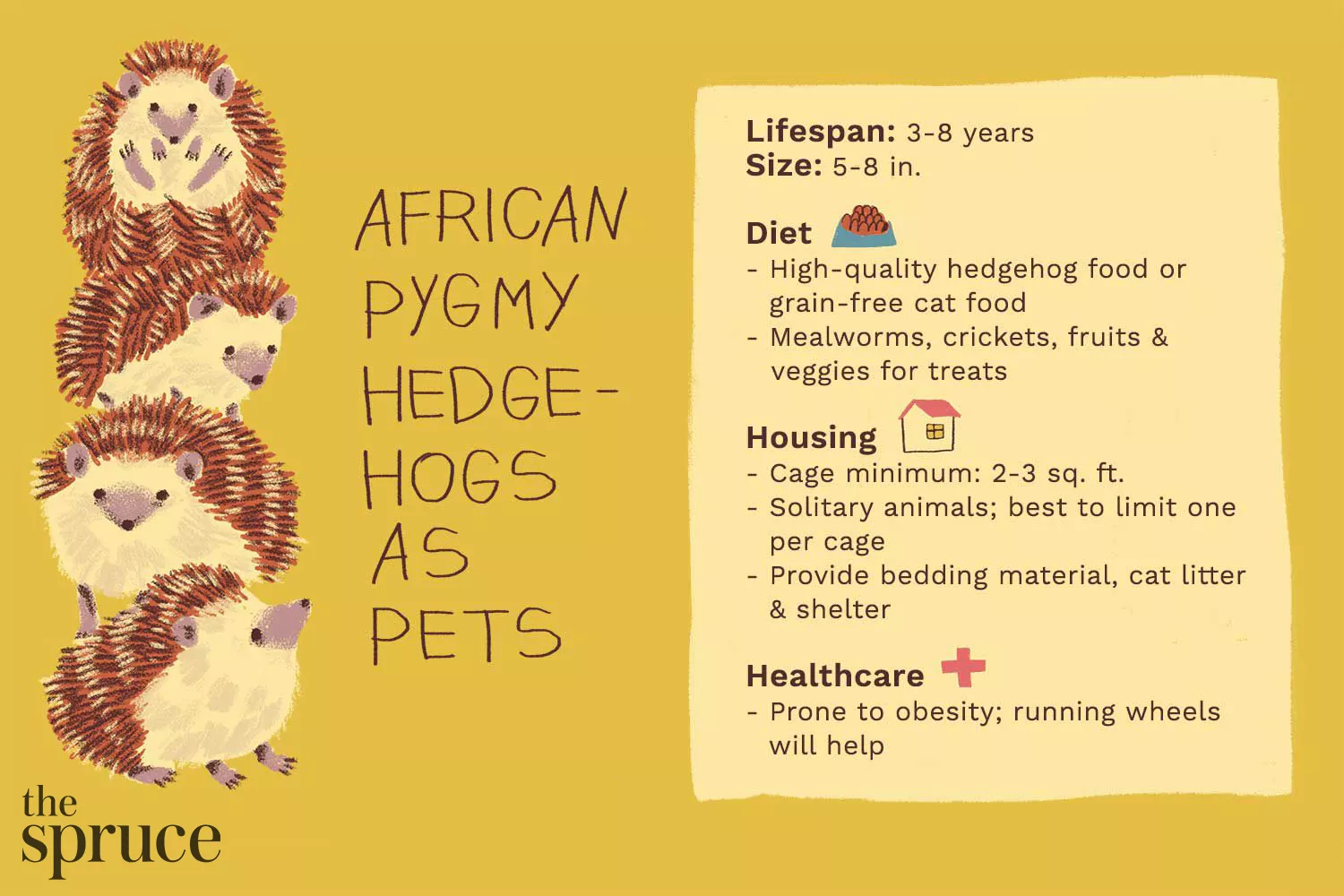
- African Pygmy Hedgehogs are solitary, nocturnal pets that need a spacious enclosure with warm, dim lighting
- Their diet consists of high-quality hedgehog food, insects, and small amounts of fruits and veggies
- Common health concerns include obesity and dental disease, so regular vet checkups are important
- These little ones require evening care since they're most active at night
Getting to Know Your African Pygmy Hedgehog
African pygmy hedgehogs—also called four-toed hedgehogs—are the smallest hedgehog species out there, and they're the ones you'll typically find in pet stores. Their spines feel more like soft brush bristles than the sharp quills of a porcupine, so they're actually pretty approachable once your hedgehog gets comfortable with you.
You'll find them in all sorts of color patterns too. Salt and pepper, snowflake, cinnamon—the variations are pretty endless, which makes each hedgehog a little unique.
Here's the thing though: these are quiet, active, and honestly pretty entertaining little creatures, but they do need quite a bit of care. We're talking spacious housing that needs regular cleaning, quality food, and—most importantly—evening hours devoted to their care since they're nocturnal animals.
Species Overview
Common Names: African pygmy hedgehog, four-toed hedgehog
Scientific Name: Atelerix albiventris
Adult Size: 6 to 8 inches long, weighing between 8 to 21 ounces
Lifespan: 3 to 6 years in captivity (though some have lived up to 10 years!)
Behavior and Temperament
African pygmy hedgehogs need a moderate level of care and they're most active at night, which honestly makes them perfect for folks with regular 9-to-5 jobs. You can handle your day job, come home in the evening, and then spend time with your spiny friend when they're actually awake and ready to interact.
They're quiet and prefer to live alone. They don't crave human interaction or company from other animals. But here's the good news—while they take their time warming up to people, they can absolutely be hand-tamed with consistent, gentle handling. And don't worry about bites! Hedgehogs aren't biters. Their spines are their main defense, so they'll curl up into a ball before they ever think about biting you.
Now, one thing that might catch you off guard the first time you see it is called "self-anointing." When your hedgehog encounters a new scent or food, they might start foaming at the mouth and spread that saliva all over their back. It's definitely a weird sight! Scientists aren't entirely sure why they do this—it might be a stress release or a form of protection—but it's completely normal and not something to worry about. Some hedgehogs do this more than others.
Size Information
These little guys typically grow to be about 6 to 8 inches long and weigh around 1 pound on average. They reach maturity somewhere between two to eight months, so you've got a decent window before your tiny hedgehog is all grown up.
Housing Your Hedgehog
First things first: African pygmy hedgehogs are solitary animals. They much prefer living alone and might actually fight if you try to house them with another hedgehog. Even on their own though, they need plenty of room to explore and stretch those little legs.
Your hedgehog's enclosure should be at least 2 feet wide and 4 feet long, but honestly—bigger is always better when you can manage it. You want smooth floors and walls, like a glass aquarium or similar setup. Just make sure there's a tight-fitting mesh lid so air can circulate but your hedgehog stays safely inside. Wire cages work too, but you've got to be careful about spacing—one inch or less between wires so your little one can't squeeze through. Whatever you do, avoid wire flooring. It can really hurt their feet.
Now, where you place that enclosure matters just as much as what kind of enclosure it is. Pick a spot that's quiet, dimly lit, and warm—aim for around 70 to 85 degrees Fahrenheit. Your hedgehog needs a hiding spot too, like a little box or house where they can feel safe and catch some Zs during the day. Some hedgehogs enjoy toys like small balls, and tunnels are usually a hit. Just don't expect them to use a litter pan like some small pets—they won't, so plan on doing regular cage cleanings.
Substrate and Bedding
For bedding, you've got a few solid options. Aspen shavings, recycled paper bedding, and kiln-dried pine all work well. Just steer clear of cedar shavings—the scent can actually be toxic to small mammals, which is definitely not what you want.
Some hedgehog owners prefer using indoor-outdoor carpeting or fleece fabric to line the cage instead of loose bedding. The appeal is obvious: it's more sustainable since you can wash and reuse it. If you go this route, just be vigilant about clipping any loose threads that could tangle your hedgehog, and always keep a backup piece on hand so you can swap it out easily for cleaning.
What to Feed Your African Pygmy Hedgehog
In the wild, hedgehogs are primarily insectivores, which means insects make up a big part of their natural diet. While cat food used to be the go-to for pet hedgehogs (grain-free varieties were recommended), these days you can find quality hedgehog food that's specifically formulated to give your prickly pal all the nutrients they need. If you do decide to stick with cat food, make absolutely sure it's grain-free.
Timing matters here. Since hedgehogs are nocturnal, try to feed them at night when they're naturally most active. Use a small, shallow bowl for their main food and toss out any leftovers each day before adding fresh portions.
On top of their regular diet, you can offer about 1 teaspoon of chopped fruits and veggies daily—keep these in a separate small bowl. The best approach is to put this out in the early evening so you can remove whatever's left before it spoils later that night. Not sure what's safe? Your vet can give you a list of appropriate produce.
Insects like mealworms and crickets make great treats a few times a week too. Plus, chasing live insects mimics their natural foraging behavior, which provides nice mental stimulation for your captive hedgehog.
For water, you can use either a water bottle designed for small animals or a small bowl—some hedgehogs prefer one over the other, so you might need to offer both until you figure out what your particular hedgehog likes. Whatever method you choose, change the water daily (or more if it gets dirty) and regularly check that any water bottle is working properly.
Common Health Problems
African pygmy hedgehogs can face several health issues, so it's good to know what to watch out for. Some common conditions include:
- Obesity (usually from an improper diet)
- Dental disease
- Heart disease
- Eye injuries
- Mange and skin infections (often from unsanitary living conditions)
- Wobbly hedgehog syndrome—a progressive condition that causes paralysis
A Quick Tip
Not all veterinarians have experience with hedgehogs since they're considered exotic pets. Before you bring your new friend home, it's worth finding a vet in your area who treats hedgehogs so you're not scrambling if something comes up. Building that relationship early gives you peace of mind and ensures your hedgehog gets the best care possible when they need it.
Regular checkups can catch problems early, and your vet can help you nail down the right diet and care routine for your specific hedgehog. They'll also be able to advise you on things like nail trimming and dental checks, which are easy to overlook but important for keeping your spiny companion healthy and happy for years to come.