Key Takeaways
- Campbell's dwarf hamsters are tiny, nocturnal, and surprisingly social—perfect for a low-maintenance companion.
- A spacious cage with solid-surface wheel, chew toys, and 1–2 inches of aspen or unscented cellulose bedding keeps them healthy and happy.
- Feed a commercial dwarf-hamster mix, fresh veggies in the evening, and always provide clean water via a bottle (plus a dish while they learn).
- Watch for diabetes, glaucoma, wet tail, and overgrown teeth—regular vet check-ups with an exotic-animal vet are essential.
- Gentle hand-taming, daily exercise, and minimal grooming are all it takes to keep your hamster thriving.
How to Care for a Pet Campbell's Dwarf Hamster
If you've been wondering how to care for a pet Campbell's dwarf hamster, you've come to the right place. These little furballs are bursting with personality, and honestly? They're easier to care for than you might think. With just a handful of simple steps, you can create a safe, stimulating home that'll have your hamster living its best life. Let's dive into everything from their quirky behavior to daily upkeep, so you feel totally confident welcoming one of these tiny cuties into your world.
What to Expect: Behavior & Temperament
Campbell's dwarf hamsters are mostly nocturnal, which means they'll be doing their midnight zoomies when the lights go out. That said, you might catch a quick burst of energy during the day, especially if you've got a youngster who's still figuring out their schedule.
Most of these little ones are natural explorers. They'll dig tunnels, burrow into their bedding, and sniff around excitedly for treats. Generally speaking, they're friendly and can become seriously tame if you start handling them gently from a young age. A soft pat on the head or a calm, soothing voice works wonders.
Here's the thing though—some hammies might nip if they feel spooked or threatened. They're so small and quick that it's easy for them to slip through your fingers. Keep handling sessions low-stress, and always let them retreat to their hideout if they get jittery. Trust me, they'll appreciate the option.
Unlike some other hamster species, Campbell's are actually pretty social with their own kind. You can keep same-sex pairs or small groups together, but it's best to introduce them while they're still young to minimize territorial scuffles. Even then, keep a watchful eye out for any signs of aggression and be ready to separate them if needed. And because they're so tiny, it's smartest to keep them away from larger pets—even other hamster breeds can pose a risk.
How Big Do They Get?
These pint-sized pals max out at about 2 to 4 inches in length and weigh roughly 1 to 2 ounces. They grow up fast, usually reaching their full size by 2 months of age. Their small stature is definitely part of their charm, but it also means they're fragile, so a secure habitat is absolutely essential.
Setting Up the Perfect Habitat
Choosing the Right Cage
Give your hamster the biggest enclosure you can comfortably fit and afford. Trust me on this—a roomy home makes a huge difference when it comes to running, climbing, and mental stimulation. Two popular options work really well:
- Glass or plastic aquarium (10-gallon minimum) with a secure mesh lid for ventilation.
- Wire cage with a solid plastic base—just make sure the bar spacing is no wider than ¼ inch. These little escape artists can squeeze through the most surprisingly small gaps.
Whichever you pick, make sure there's plenty of airflow and that the cage is completely escape-proof.
Inside the Habitat
Your hamster needs a few essentials to thrive:
- Nest or hideout: A small wooden house, ceramic burrow, or even a cozy cardboard tube gives them a private spot to sleep and feel safe.
- Chew toys: Hamster teeth never stop growing. Offer untreated wood sticks, hay cubes, or commercial chew blocks to keep their pearly whites worn down.
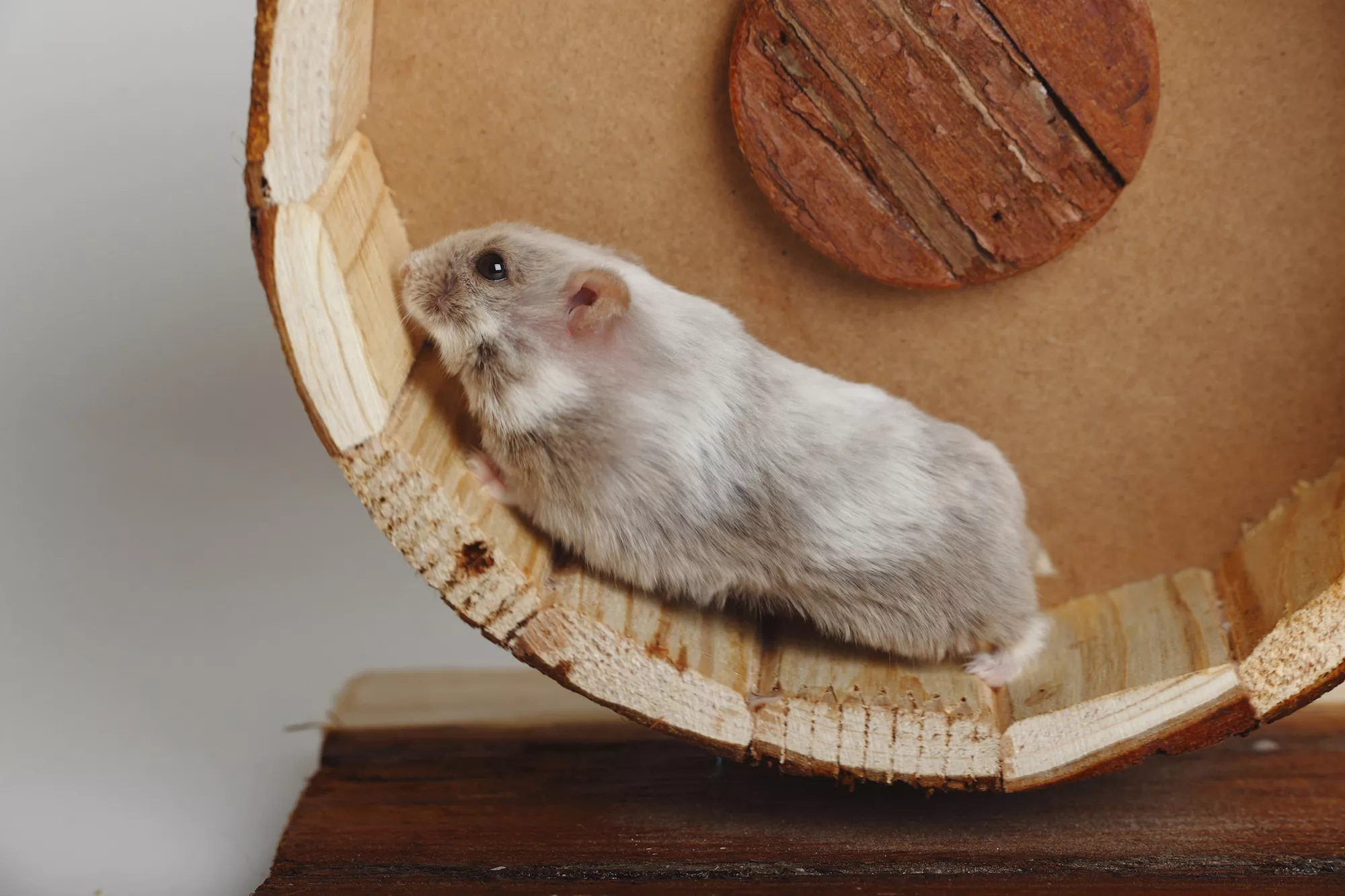
- Exercise wheel: A solid-surface wheel (definitely not wire) at least 6 inches in diameter prevents painful foot injuries and lets them run to their heart's content.
- Tunnels and compartments: These add extra enrichment, but be careful not to crowd the space—especially if you have more than one hamster. Overcrowding can trigger territorial behavior.
Substrate & Bedding
Line the cage floor with 1–2 inches of bedding. Aspen shavings or unscented natural cellulose fibers work beautifully. Whatever you do, avoid cedar or pine shavings—the aromatic oils can seriously irritate a hamster's delicate respiratory system.
- Daily spot-clean: Scoop out any wet or soiled patches to keep things fresh.
- Weekly deep-clean: Wash the entire enclosure with mild soap and water, then replace the bedding completely.
Want more inspiration for your cage setup? Check out this guide on Choosing a Dwarf Hamster Cage.
Feeding Your Hamster
Water
Always have fresh water available. A sipper bottle attached to the cage is hygienic and so easy to refill. If you're introducing a new hamster, you might also place a shallow water dish for the first few days until you're sure they're using the bottle. Check the nozzle regularly, and swap out the water every single day.
Commercial Food
Pick a commercial hamster food formulated specifically for dwarf hamsters. These blends are balanced to meet their higher energy needs while keeping sugar content in check. Your veterinarian can help you figure out the right portion size—generally a teaspoon per hamster per day, adjusted for age, weight, and activity level. Remove any uneaten food after 24 hours to prevent spoilage.
Fresh Treats
In the evening, when your hamster is waking up and ready to munch, you can offer small amounts of fresh foods. Think oats, thin slices of carrot, a bit of broccoli, or leafy greens like romaine or kale. Just a pea-size portion is plenty. Remove any fresh items after a few hours so they don't spoil inside the cage.
Common Health Problems
Campbell's dwarf hamsters are generally pretty hardy, but they do have predispositions to a few conditions:
- Diabetes: Watch for increased thirst, frequent urination, and sweet-smelling urine. Limiting sugary treats and providing a balanced diet can really help reduce the risk.
- Glaucoma: This eye condition causes pressure and pain in the eye, and you'll notice cloudiness or bulging. It requires prompt veterinary attention.
- Wet tail: This bacterial infection causes a wet, matted tail area along with lethargy and appetite loss. It's serious—get to the vet ASAP if you spot these signs.
- Overgrown teeth: Without enough chew toys, their teeth can grow too long, making eating difficult. Keep those chew options coming!
Regular check-ups with an exotic-animal vet are essential for catching any issues early. Prevention really is the best approach here.
Taming & Daily Care
Taming takes patience, but it's so worth it. Start by letting your hamster sniff your hand while they're in their cage—don't try to pick them up yet. After a few days, offer a treat from your palm. Once they seem comfortable, you can gently scoop them up with both hands, supporting their underside.
Daily care is pretty straightforward. Check their food and water, spot-clean any messes, and make sure their wheel is working properly. Most hamsters groom themselves, so you really don't need to bathe them—ever. If they get something stuck in their fur, a quick sand bath in a shallow dish of chinchilla sand usually does the trick.
And here's a fun one: hamsters are known for stashing food around their cage. It's totally normal behavior, but just make sure fresh treats aren't left to rot in their hideouts.
Is a Campbell's Dwarf Hamster Right for You?
These little companions are ideal if you want a pet that's quiet (they won't disturb your sleep too much), low-maintenance, and genuinely entertaining to watch. They're perfect for apartments or smaller spaces, and they don't need walks or outdoor time.
Just remember: they're nocturnal, they might nibble if startled, and they need a secure habitat. If that sounds doable, you're going to love having a Campbell's dwarf hamster around. They'll keep you smiling for years to come.