Key Takeaways
- Dwarf hamsters make wonderful pets with relatively simple care needs—they thrive on a straightforward diet and appreciate a clean, spacious enclosure.
- These little guys are social creatures that often do well in same-sex pairs or small groups, though introductions should be done carefully.
- Remember, hamsters are nocturnal, so they'll be most active when you're winding down for the evening.
- A proper setup with the right bedding, an exercise wheel, and chew toys keeps them healthy and happy.
- With good care, your tiny companion can be part of your life for about three years.
Introduction
If you're thinking about adding a furry friend to your life, a dwarf hamster might just be the perfect fit. These tiny, energetic creatures bring so much joy to their owners, and honestly? They're one of the easier small pets to care for. This comprehensive guide will walk you through everything you need to know about caring for your pet dwarf hamster, from setting up their home to keeping them healthy and content.
Dwarf hamsters aren't just one species—they're actually a group of several small hamster species that hail primarily from desert regions around the world. What makes them special is their social nature. Unlike some of their larger cousins who prefer solitude, many dwarf hamsters thrive when they have a buddy or two around. They're generally docile, pretty easy to handle, and absolutely delightful to watch as they burrow through their bedding and zip around their enclosure.
Species Overview
There are several types of dwarf hamsters you might encounter, each with their own little personality quirks:
- Campbell hamsters are curious and typically adapt well to handling
- Robo (Roborovski) hamsters are the tiniest of the bunch, often weighing less than an ounce, and they're known for being more active during the day than other species
- Chinese hamsters aren't technically "dwarfs," but they're just as small and love to tunnel through their bedding
- Russian dwarf hamsters (also called winter whites) are friendly and come in various color variations
Quick Facts:
- Scientific names: Phodopus campbelli, Phodopus roborovskii, Cricetulus griseus
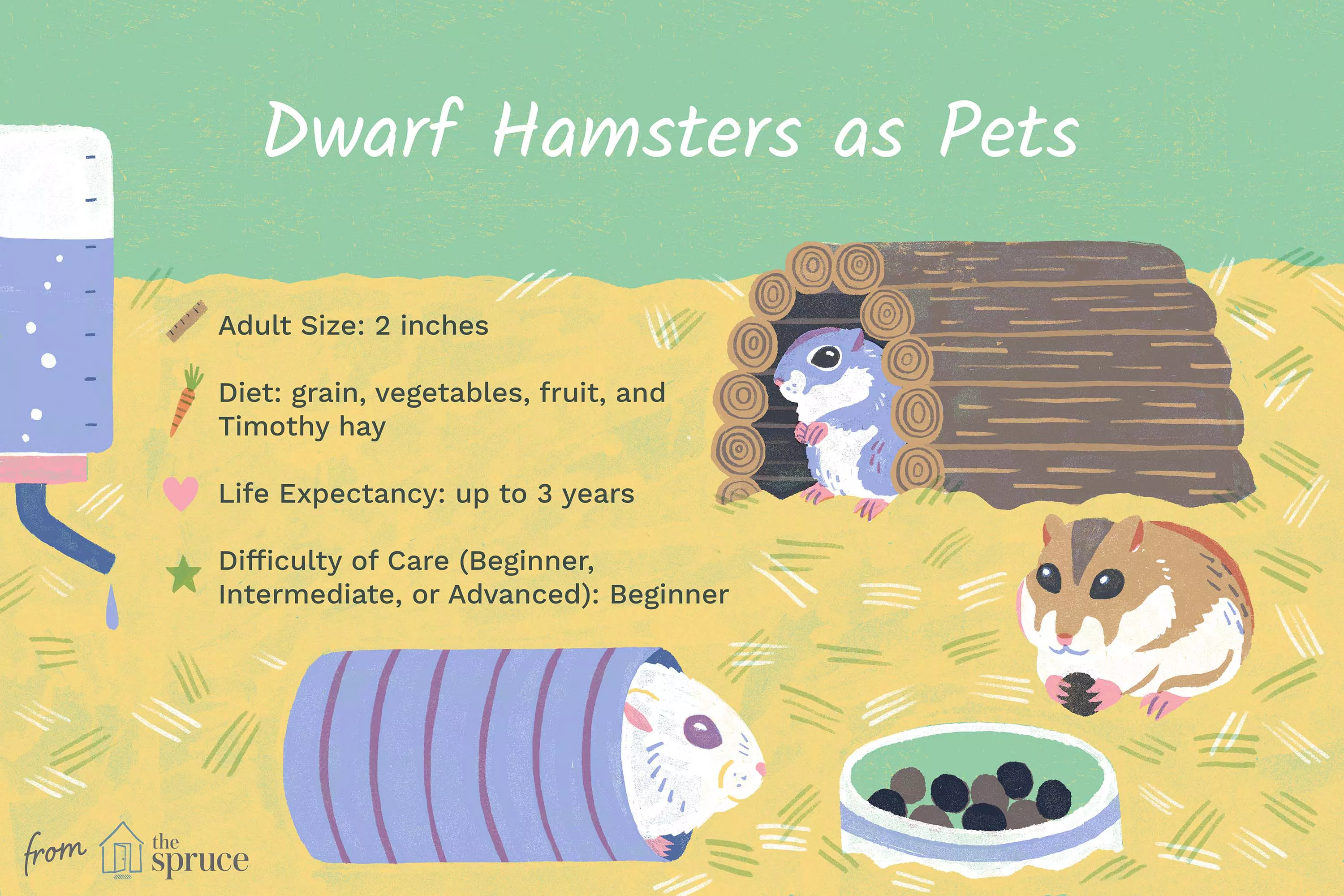
- Adult size: Around 2 inches long, weighing just 1 to 2 ounces
- Lifespan: Approximately 3 years in captivity
Dwarf Hamster Behavior and Temperament
One thing I love about dwarf hamsters is their individual personalities. Each species has its own vibe, but they all share some common traits.
First, let's talk about that nighttime activity. Hamsters are nocturnal, which means they're most active when the sun goes down. They'll sleep through most of the day and come alive in the evening hours. If you try to wake a sleeping hamster, though, don't be surprised if they get a bit grumpy—nobody likes being woken up! A gentle nibble isn't uncommon if you startle them.
The good news? Many hamsters adjust their schedule somewhat to match their owner's routine. You might find your little buddy waking up around dinnertime, ready to interact with you when you get home from work.
Now, here's something important: those nighttime zoomies can be noisy. If you're a light sleeper, you might want to keep their enclosure outside your bedroom. An exercise wheel spinning at 2 AM can be quite the alarm clock!
When it comes to handling, most dwarf hamsters take to human interaction pretty well. They might give you a little nip if they're feeling threatened or uncomfortable, but with patient, gentle handling, they'll learn to trust you. Some owners keep their hamsters in same-sex pairs or small groups for companionship—and this can work well. Just make sure any cage mates are the same sex to avoid unexpected litters, and always supervise introductions carefully. Keep your dwarf hamsters away from other pets, including different hamster species.
Size Information
Dwarf hamsters stay pretty small throughout their lives. Most reach about 2 inches in length and weigh somewhere between 1 and 2 ounces. They'll typically reach their full adult size by around 2 months of age, which means they grow up fast! Despite their tiny stature, these little ones have huge personalities.
Housing
Your dwarf hamster's home is their castle, so let's make it awesome. The bigger, the better—as long as it's secure, you really can't go too big. Many animal welfare organizations recommend a cage that's roughly 2 feet square with about a foot of height, at minimum.
You've got a few options when it comes to enclosure types:
- Glass or plastic aquariums with a secure, ventilated top work great and provide good visibility
- Wire cages with plastic bases offer excellent airflow, which helps prevent overheating
Just make sure that if you choose a wire cage, the bar spacing is narrow enough that your hamster can't squeeze through. These little escape artists are surprisingly good at finding gaps!
Essential Items for the Enclosure
Inside their habitat, your hamster will need:
- An exercise wheel with a solid running surface (no bars—that can hurt their tiny feet!)
- Wooden chew sticks or mineral chews to keep those constantly growing incisor teeth worn down
- A cozy nest or sleeping hut where they can hide away and feel safe
Place the habitat somewhere in your home with consistent, average room temperature. Avoid putting it in direct sunlight or in drafty areas—extreme temperature changes aren't good for these sensitive little creatures.
Substrate Needs
The bottom of the cage needs a layer of bedding, about 1 to 2 inches deep. Good options include:
- Chemical- and dye-free shredded paper
- Hardwood shavings
Avoid cedar-based bedding entirely—it's actually toxic to small animals and can cause serious respiratory problems.
Keeping It Clean
Once a week, do a full clean of the enclosure with soap and water, replacing all the bedding. Every day, spot-clean any wet spots or soiled areas to keep things fresh. A clean home helps prevent health issues and keeps your hamster happy.
Need help picking the perfect cage? Check out our guide to choosing a dwarf hamster cage for more tips.
What Do Dwarf Hamsters Eat & Drink?
Feeding your dwarf hamster is pretty straightforward. They should always have access to fresh water—either in a small dish or a bottle mounted to the side of the cage.
For food, look for a commercial hamster food that's specifically formulated for dwarf hamsters. This balanced diet will give your little friend all the vitamins and minerals they need. Feed them once daily, preferably in the evening when they're starting to wake up and become active. If there's any food left after 24 hours, toss it out to keep things fresh.
You can absolutely supplement their diet with small amounts of seeds, grains, fruits, and vegetables. Some favorites include oats, carrots, and leafy greens. Just remember: treats should only make up about 10% of their overall diet. The main course should always be that quality commercial food.
Foods to avoid: Keep sugary and high-fat foods to an absolute minimum. And never, ever give your hamster chocolate, avocados, or macadamia nuts—these are toxic to them.
Common Health Problems
Even with the best care, dwarf hamsters can sometimes develop health issues. Knowing what to watch for helps you catch problems early.
Skin Issues
Hair loss and skin lesions can occur for several reasons. Common triggers include:
- Mites or other parasites
- Allergic reactions to bedding or environment
- Fungal infections
- Nutritional deficiencies
If you notice any unusual bald patches, redness, or sores on your hamster's skin, it's time for a vet visit. Your veterinarian can diagnose the issue and recommend appropriate treatment.
Wet Tail
This is a serious condition that causes watery diarrhea and is often fatal if not treated promptly. It's more common in younger hamsters and can spread to cage mates. If you notice wetness around your hamster's tail area or any changes in their droppings, seek veterinary care immediately.
Respiratory Issues
Hamsters can develop respiratory infections, especially if they're exposed to drafts, cigarette smoke, or dusty bedding. Symptoms include sneezing, wheezing, or nasal discharge. Keeping their environment clean and dust-free helps prevent these problems.
Overgrown Teeth
Since hamster teeth grow continuously, dental problems can arise if they don't have enough to chew on. Providing plenty of chew toys and safe wooden items keeps their teeth at a healthy length. Sometimes, a vet may need to trim teeth if they become severely overgrown.
Final Thoughts
Caring for a dwarf hamster is genuinely rewarding. They're low-maintenance compared to many pets, but they still need proper care, attention, and love to thrive. Create a stimulating environment with plenty of space to explore and exercise, feed them a balanced diet, and keep their home clean.
With these basics in place, you'll have a happy, healthy little companion who'll entertain you for years to come. Happy hamster keeping!