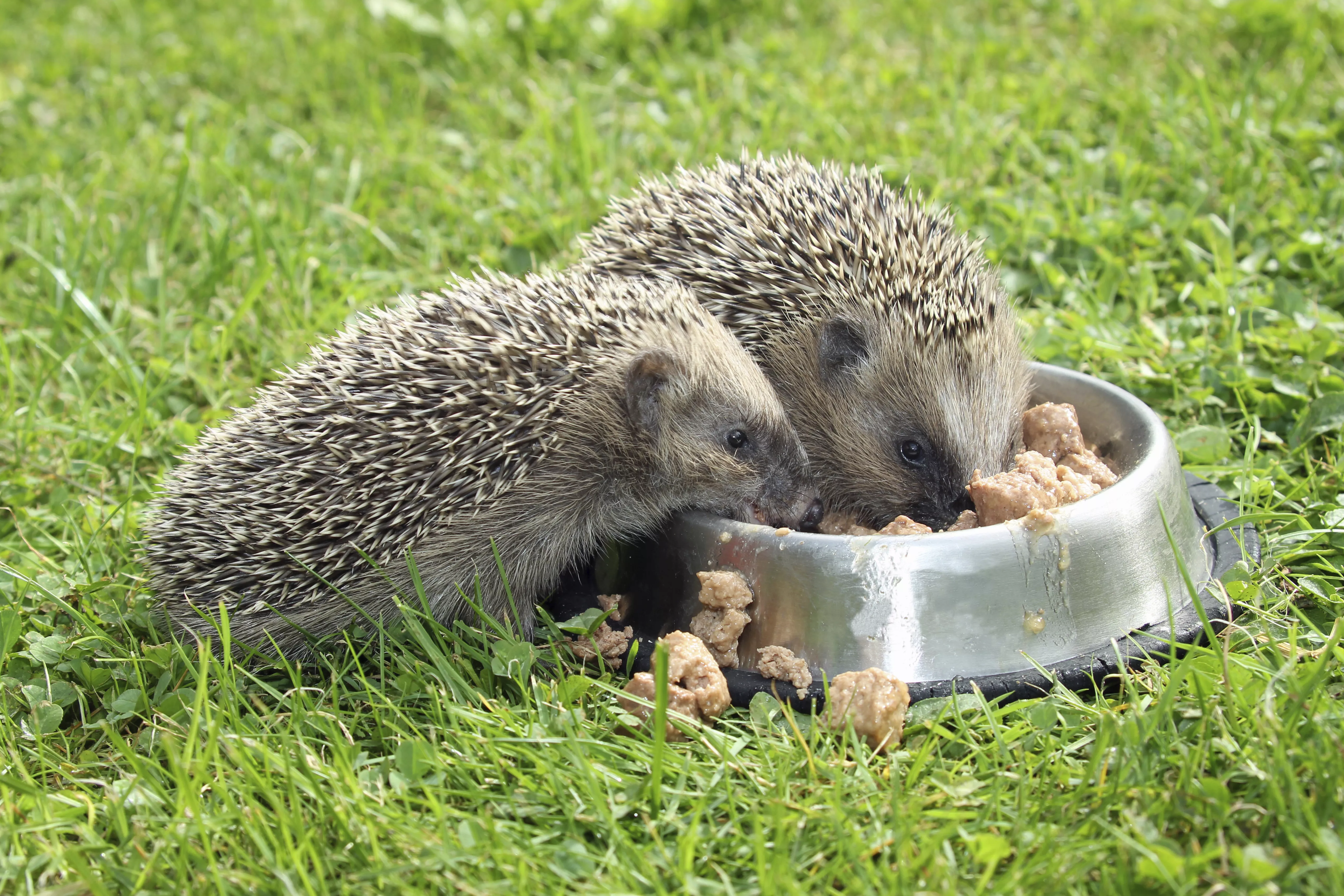
Key Takeaways
- Hedgehogs need a diet high in protein (over 20%), moderate in fat (5-15%), and rich in fiber for optimal health.
- Quality hedgehog food is the ideal staple, but high-protein cat food can work as a temporary substitute if hedgehog kibble isn't available.
- Always supplement your hedgehog's diet with live insects, cooked meats, vegetables, and fruits while avoiding seeds, raisins, and dried foods.
If you've ever found yourself wandering the pet food aisle wondering what to feed your spiny little friend, you're definitely not alone. The debate about hedgehogs and their diet has been going on for years among owners, breeders, and even exotic veterinarians. Everyone seems to have a slightly different opinion, so let's break down the pros and cons of feeding your hedgehog cat food together.
Why Cat Food Gets Considered
Here's the thing — commercial hedgehog food hasn't always been easy to find. Back in the day (and sometimes even now, depending on where you live), finding quality hedgehog kibble meant ordering online or tracking down a specialty store. Cat food, on the other hand? You can grab it pretty much anywhere.
The small kibble size is another bonus. Hedgehogs have tiny mouths, and cat food is easier for them to manage than larger dog kibble. Some owners also just continue feeding whatever their breeder or pet store suggested when they first brought their hog home — and that often happens to be cat food.
The Pros of Cat Food
There are some genuine benefits to using cat food as a hedgehog meal option. First, it's readily available. No special orders, no hunting around town. You can pick up a bag at your local grocery store or any pet retailer.
Quality cat foods also pack a solid protein punch, which is exactly what hedgehogs need. Many high-protein cat food brands offer the protein levels your hedgehog requires, and the fiber content can help replace the chitin they'd naturally get from insects. Some owners who've had bad experiences with early hedgehog food formulas or low-quality brands find that switching to a premium cat food gives them peace of mind.
Nutritional Requirements to Keep in Mind
Here's where things get important. Hedgehogs are technically omnivores or insectivores — in the wild, they'd munch on insects, fruits, vegetables, and just about anything else they stumbled across. They've got 44 little teeth designed for nibbling, so their diet needs to reflect that variety.
Your hedgehog's food should contain over 20% protein, with fat sitting somewhere between 5-15%. Fiber is crucial too. Research from Dr. Graffam at the Bronx Zoo suggests that if you're feeding canned cat food, you'll want to add supplemental fiber like Benefiber or baby oatmeal. Hedgehogs also need crunchy foods to help keep their teeth worn down naturally.
A mix of protein sources works best, but insects and poultry are typically easiest for them to digest.
What's Actually Best for Your Hedgehog
If you can get your hands on quality hedgehog food, that's definitely the route to go. Look for a dry kibble with at least 20% protein and fiber content in the double digits. Bonus points if L-carnitine is listed as an ingredient — it supports heart health. Many zoos and wildlife facilities use formulated hedgehog diets for good reason.
Alongside their main kibble, offer your hedgehog some tasty extras: live insects like mealworms, tiny pieces of cooked chicken, soft vegetables, and small fruit portions. These additions mimic what they'd naturally forage for and add valuable variety to their diet.
A tiny amount of canned cat food now and then can work as an occasional treat, but don't make it a staple. Definitely steer clear of seeds, raisins, and dried fruits — these can get stuck in your hedgehog's mouth and cause problems.
When Cat Food Is Your Only Option
Life happens, and sometimes you simply can't find hedgehog-specific food. Maybe your local stores don't carry it, or shipping isn't an option right now. If that's your situation, opt for a high-quality, chicken-based cat food with a small kibble size. Just remember — it's not ideal. Cat food lacks the blood meal and chitin that specially formulated hedgehog food provides, so it's really just a temporary solution until you can get the proper diet.
The bottom line? Aim for proper hedgehog food as your foundation, use cat food sparingly or only when necessary, and always supplement with those important extras like insects and fresh foods. Your little friend will thank you for it.