Key Takeaways
- Syrian hamster cages come in three main styles: wire, plastic modular, or glass aquarium
- The minimum hamster cage size should be 24" x 12" with at least 12" height, but bigger is always better
- Wire cages offer the best ventilation, while plastic and glass provide better draft protection
- Bar spacing must be no more than 1/2 inch to prevent escape attempts
- Provide at least 1-2 inches of bedding depth for burrowing
Choosing the Right Syrian Hamster Cage
When it comes to setting up your Syrian hamster's home, the cage is the most important purchase you'll make. Your little friend will spend most of its life in this space, so you want to get it right! Let's walk through everything you need to know about finding the best hamster cage for your furry companion.
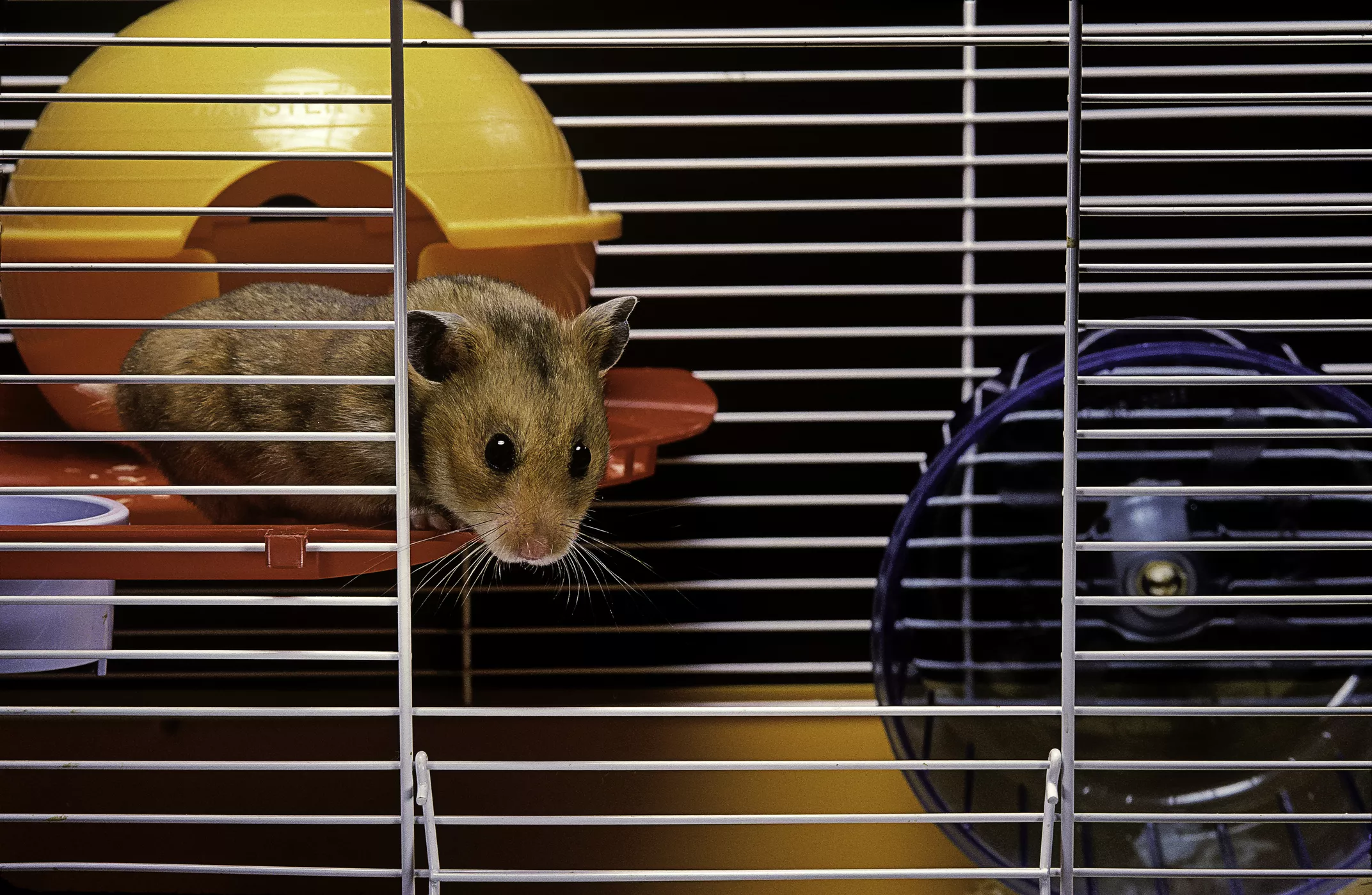
Your main choices come down to three styles: a wire hamster cage (typically with a plastic base), a plastic modular cage (the kind packed with compartments and tubes), or a glass aquarium fitted with a secure mesh lid. Each style has its own strengths and weaknesses when it comes to cleaning, airflow, and keeping your pet contained.
Wire cages are easy to clean and widely available in many sizes. Plastic cages do a better job of keeping bedding, food, and waste contained, but they don't breathe as well. Glass tanks come in various sizes but can feel heavy and may restrict air circulation. Consider which factors matter most for your situation when browsing hamster habitat setup options.
Ease of Cleaning
Let's be real—cleaning the cage isn't most people's favourite chore. So why make it harder than it needs to be? A wire cage with a removable plastic bottom tray is honestly the easiest to maintain. You simply lift off the wire section, toss the old bedding, and wipe everything down. Simple!
The more complicated your cage setup, the more work you'll create for yourself. Those intricate plastic cages with multiple levels and twisting tubes? They'll have you spending way too much time scrubbing hard-to-reach corners. Glass aquariums aren't terribly difficult, but they can be awkward to maneuver when full of substrate and accessories.
Keeping cleaning straightforward means you'll actually look forward to owning a hamster—or at least not dread it!
Cleaning the Cage
A clean cage is essential for your hamster's health. Aim for a full deep clean at least once a week. That means replacing all the bedding and wiping down every surface with a rodent-safe cleaner to zap any lingering germs.
Each day, do a quick tidy: remove any uneaten food, scoop out soiled bedding, and top up fresh food and water. A dirty habitat isn't just smelly—it can actually make your pet poorly. Nobody wants that!
Ventilation
Good airflow does more than just keep things smelling fresh. It helps keep your hamster healthier and happier too! Wire cages are the clear winner here. Air flows freely all around those bars, creating a lovely breathable environment.
The sealed compartments and tubes in plastic modular cages can trap stale air and moisture. Condensation becomes a real issue, especially if you're in a humid climate. Aquariums struggle with the same problem—those solid glass walls block airflow just like they block everything else.
One thing to note: all that openness that makes wire cages breathe so well also means you need to keep them away from cold drafts. Plastic cages and aquariums offer better protection from temperature swings in exchange for their reduced ventilation.
Cage Security and Safety
Here's something that surprises a lot of new hamster parents: these little cuties can squeeze through teeny-tiny spaces. Seriously! To avoid a midnight escape adventure, check that bar spacing on any Syrian hamster cage is no more than half an inch apart. Anything wider and your clever critter will find a way out.
Horizontal bars give hamsters something to grip and climb, which some pets love and others don't bother with. Either way, make sure any doors close properly—hamsters are surprisingly good at figuring out how to open them. You can add a little metal clip (the kind you'd find on a dog leash) for extra peace of mind on wire cage doors.
If you're looking at a cage with multiple levels, ensure there aren't any dangerous drop heights where your hamster could take a tumble. Falling from height can cause injury, so flat platforms or very short distances between levels are safest.
Generally speaking, solid-sided plastic and glass cages are more escape-proof than wire options. But only if the lid is actually secure! Make sure any top is tightly fitted and can't be pushed up, slid aside, or squeezed under. A determined hamster will find any weakness, so double-check everything before you consider the job done.
Cage Size for a Syrian Hamster
Don't let your hamster's small size fool you—these little athletes need serious room to run and play. Getting the hamster cage size right is crucial for your pet's wellbeing.
For Syrian hamsters, always aim for at least 24 inches long by 12 inches wide, with a minimum height of 12 inches. But honestly? Go bigger if you can. When it comes to hamster cages, bigger truly is better. Your pet will thank you for the extra space.
Your hamster will probably enjoy having a level or two to explore, but here's the thing: they'll spend most of their time on the ground floor. So when you're choosing between a taller cage or a longer one, go for length every time. More floor space means more room for that essential exercise wheel, cozy hideouts, and digging spots.
Many cages marketed specifically for hamsters are actually too small for Syrian breeds. It's a sad truth. Also worth noting: the tunnels, compartments, and wheels that come built into plastic modular cages are often designed for dwarf hamsters or mice. Syrian hamsters may find these features too cramped or even impossible to use comfortably. Keep that in mind when comparing options.
Syrian Hamster Cages and Chewing
Chewing is just part of being a hamster. These little guys have teeth that never stop growing, and they need to gnaw to keep them worn down. But this natural behaviour can influence which cage type works best for your pet.
Some hamsters become absolutely obsessed with chewing bars on wire cages. If your Syrian hamster falls into this category, try providing plenty of chew toys and boredom busters first. Sometimes redirecting their chewing energy helps. But if the habit persists, switching to a solid-sided cage might be your best option.
For plastic cages, inspect them carefully before purchase. Look for any exposed edges, ridges, or places where a determined chewer could start gnawing through the material. A hamster that starts chewing plastic is often one that's planning an escape—and they'll probably succeed eventually. The last thing you want is to wake up and discover your pet has vanished through a self-chewed hole.
Glass aquariums are naturally chew-proof, which is nice. Just remember that the lid still needs to be secure—glass doesn't chew, but hamsters can still push and squeeze their way out of poorly fitted covers.
Wheels
Every hamster needs a wheel—it's non-negotiable for keeping your pet physically and mentally healthy. But size matters enormously here.
For Syrian hamsters, you'll want a wheel between 8 and 12 inches in diameter. Those tiny 6-inch wheels designed for mice or dwarf hamsters simply won't cut it. A wheel that's too small forces your hamster to run with a curved spine, which isn't comfortable or healthy.
Watch out for plastic cages that come with built-in wheels. These are often undersized for Syrian hamsters, which is frustrating since the rest of the cage might be fine. You might need to buy a separate wheel and either place it inside the cage or replace the tiny one that came with it.
Choose a wheel with a solid running surface and no crossbars or rungs. Those support bars might look harmless, but little feet and tails can get caught during that high-speed spinning. A solid disc wheel or a mesh wheel with small gaps is much safer for your Syrian hamster.
Bedding Depth
No matter which cage style you choose, you'll need to provide a lovely deep layer of bedding for your hamster to burrow in. This instinct to dig and tunnel is hardwired into these little animals—denying them the chance to burrow is genuinely stressful for them.
This point is especially important for wire hamster cage owners. Wire bottoms are terrible for bedding depth, so pick a cage with a deep plastic tray instead. A deep base means you can add a thick layer of substrate without it all getting kicked out through the bars every time your hamster burrows.
As a general guide, aim for bedding that's at least 1 to 2 inches deep throughout most of the cage. More is always better if your cage allows it. Daily spot-cleaning of soiled areas helps maintain freshness, and a complete bedding change should happen at least once a week during your thorough cage clean.