Key Takeaways
- Paper bedding like CareFresh is soft, absorbent, and great for hedgehogs, though it may stick to spines
- Avoid cedar shavings entirely—they're toxic and can cause serious respiratory issues
- Aspen wood shavings offer good absorbency at a low cost, but can be dusty
- Fabric bedding is reusable and provides comfort, but requires regular washing
- The best bedding depends on your priorities: cost, odor control, absorbency, or ease of cleaning
Paper Bedding for Hedgehogs
When setting up your hedgehog cage setup, paper bedding is often the go-to choice for many owners. It's soft, absorbent, and generally easy to find. Let's break down the options so you can decide what works best for you and your spiky little friend.
CareFresh and Similar Products
CareFresh hedgehog bedding is a popular pick, and for good reason. Made from recycled paper, it's soft enough for your hedgehog to burrow into and snuggle up. It's also absorbent and doesn't create much dust, which is a big plus for both of you. You can even find it in fun colors if you want to add a little personality to your cage.
The catch? That softness comes with a downside. Since it's so lightweight, the bedding can get tangled in your hedgehog's spines, especially if things get wet during bath time or if your pet tracks moisture around. It's not a dealbreaker, but something to keep an eye on.
Other paper bedding options work similarly. Products like Clean & Cozy offer comparable softness at a lower price point, though they're typically less absorbent. Cell-Sorb Plus expands when wet and handles moisture well, but it's not quite as cozy. Fresh World Bedding contains baking soda to help with odors and is made from recycled newspapers, giving you another solid option.
Paper bedding hedgehog owners often appreciate these choices because they're generally affordable and easy to spot-clean—you can just remove the soiled sections and add fresh bedding.
Other Paper Options
Some paper beddings come compressed in blocks and expand when you open them, giving you a ton of material for your money. These recycled paper products are cost-effective and work well for hedgehogs who love to dig and nest. The trade-off is that they're lightweight, so active hedgehogs might scatter pieces around their cage. And yes, like other paper options, they can cling to spines now and then.
Wood Bedding Options
Wood shavings are another common choice, but you'll want to pick the right type.
Good Choices: Aspen and Kaytee
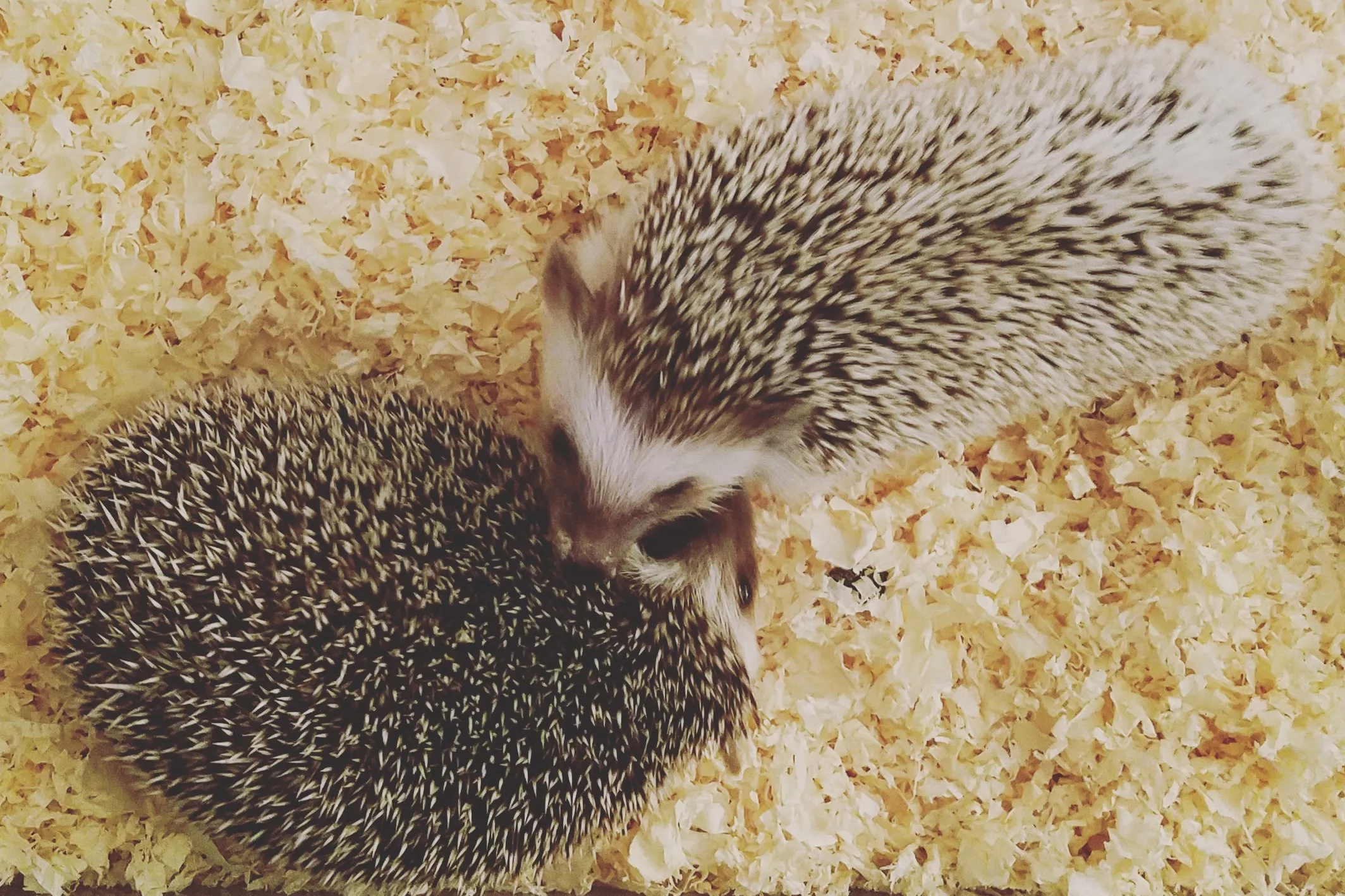
Aspen shavings are generally safe and affordable. They absorb moisture well and have a pleasant natural scent. Many hedgehog owners appreciate that they're inexpensive and easy to find. The downsides? Aspen can be dusty, and those little pieces seem to stick to everything—your hedgehog's quills, their blankets, even your clothes.
Kaytee Soft Granule Blend is another wood option. These small pellets are softer than traditional wood shavings while still being absorbent. They're a nice middle ground if you like wood bedding but want something gentler.
What to Avoid
Here's where we get serious: never use cedar shavings. I know they're cheap and you can find them everywhere, but cedar oils are actually toxic to hedgehogs. Exposure can lead to respiratory problems, allergic reactions, and even liver changes. The nice aroma isn't worth risking your pet's health. There are plenty of safer alternatives out there.
Pine shavings fall into a gray area. While not as dangerous as cedar, there's ongoing debate about whether the natural oils in pine can cause problems over time. Some owners use them without issue, but many experts recommend avoiding them just to be safe. The shavings also aren't particularly absorbent and can irritate your hedgehog's sensitive feet. When in doubt, stick with aspen or paper-based options.
Fabric Bedding for Hedgehogs
Fleece, towels, and other fabrics have become really popular among hedgehog owners, and it's easy to see why. Your hedgehog will love curling up under a soft piece of fleece, and you can wash and reuse it again and again. Plus, fabrics come in endless colors and patterns, so you can actually make your cage look cute.
Fabric is especially handy when you're learning to handle your hedgehog—it provides a protective layer between those spiky quills and your hands. Just make sure you wash the fabric regularly and have extras on hand while things are in the laundry.
The downside is that fabric doesn't absorb moisture the way paper or wood does, so you'll need to clean enclosures more frequently. Some owners use fabric liners over a layer of absorbent bedding for the best of both worlds.
Corn Cob Bedding
Corn cob might seem like an economical choice, but it's not ideal for hedgehogs. While it does absorb some liquid, it struggles with odor control and can develop mold if it gets wet. It's also harder and less comfortable than other options. Most experts recommend skipping it for your hedgehog's home.
Finding the Best Bedding for Your Hedgehog
There's no single "perfect" hedgehog bedding that works for everyone. Think about what's most important to you: budget, how well it controls smell, how absorbent it is, or how easy it is to find and replace.
My best advice? Try a few different options and see what your hedgehog responds to. After all, they're the ones who'll be walking, digging, and sleeping on it every day. Your hedgehog's comfort matters more than any product label. And if something isn't working, don't be afraid to switch it up—your pet will let you know what they like.