Key Takeaways
- Roborovski hamsters are tiny, swift, and mostly active at night — perfect for early-morning or evening observation
- A proper hamster habitat setup requires at least a 2' x 1' x 1' enclosure with proper ventilation and safety features
- Dwarf hamster species like Robos need a balanced hamster diet and feeding routine tailored to their small size
- These hamsters can live happily alone or in same-sex pairs if raised together from a young age
- Regular exercise through wheels and supervised playtime helps prevent obesity and keeps your Robo healthy
Robo Hamster Behavior and Temperament
Robo hamsters are nocturnal creatures, which means they're usually snoozing through the day and coming alive around dusk. If you're looking for a pet that's awake during your work hours, this isn't it. They'll be running on their wheel, exploring, and doing hamster things while you're catching some Zs.
And yes, they can be noisy at night. That soft pitter-patter on the wheel, the occasional rustling — it adds up. Light sleepers should definitely keep the enclosure somewhere other than the bedroom. Your future self will thank you.
Now, here's the honest truth: these little guys aren't cuddly. Most Roborovski hamsters prefer to keep their distance, and they're not huge fans of being handled. This doesn't mean they're mean — they're just independent. They can learn to recognize you, though, and will often come to the side of their cage when you approach, especially if you've got a tasty treat in hand.
If you startle them, they might give you a tiny nip. It's usually not aggressive, just a reflexive "hey, I wasn't expecting that!" With patience and gentle handling, you can build trust with your Robo hamster care routine.
One thing to note: keep them away from other household pets. Cats and dogs might see your hamster as prey, and that's a stressful situation for everyone involved.
When it comes to hamster roommates, Robos are a bit more social than some other dwarf hamster species. Same-sex pairs or small groups can work, but they really do best if they've grown up together. Introducing adult Robos can lead to territorial squabbles, and nobody wants that. If the idea of multiple hamsters sounds like too much work, a single Robo is perfectly content flying solo.
Size Information
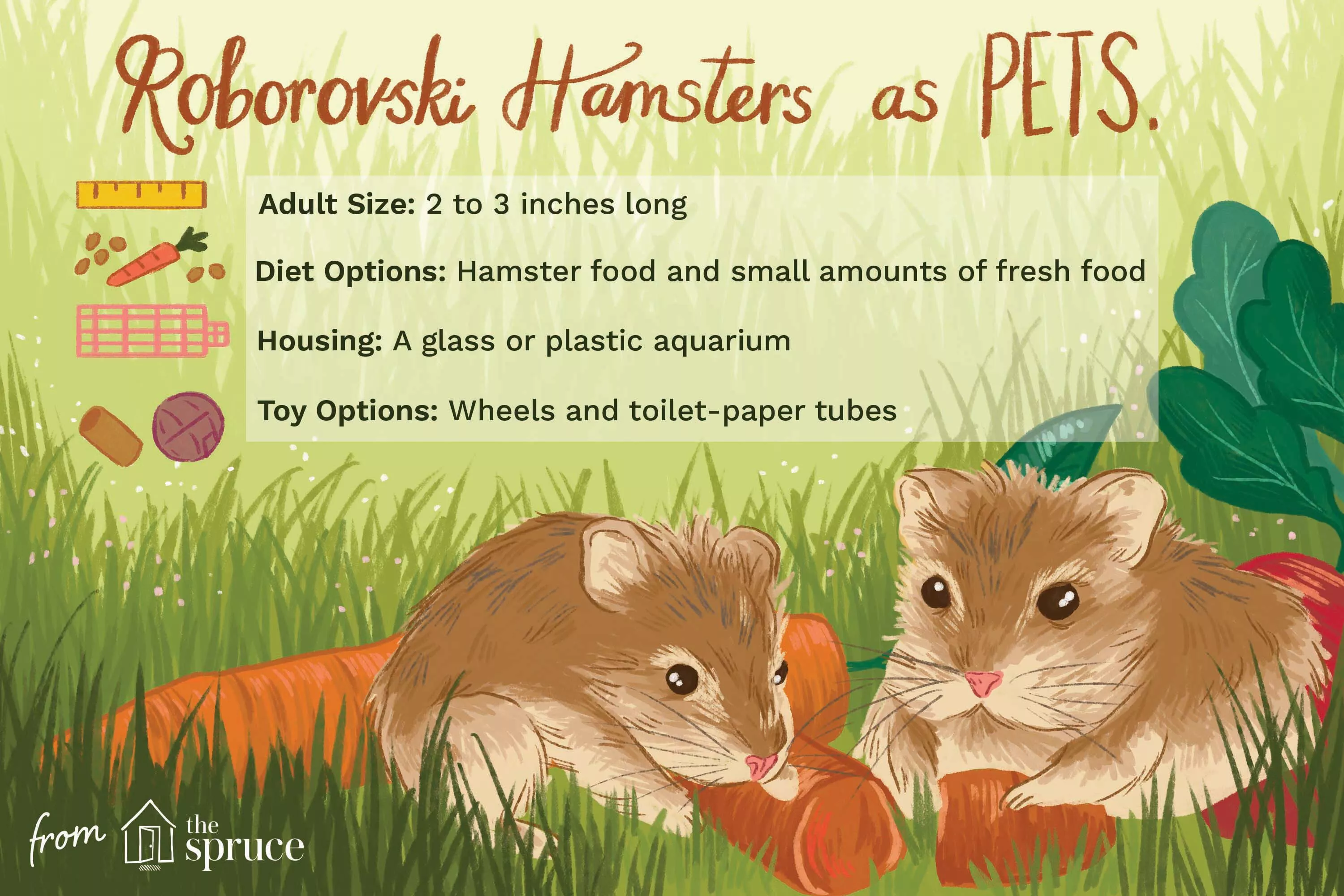
Let's talk dimensions. Robo hamsters are seriously tiny — we're talking about 2 inches long fully grown, and weighing in at around just 1 ounce. To put that in perspective, they're one of the smallest dwarf hamster species out there. At birth, they're even smaller, less than an inch long and practically translucent.
These little ones grow fast. They'll reach maturity at around 2 months old, so what looks like a baby one week can be a miniature adult the next. This rapid growth is why proper nutrition matters so much during those early weeks.
Housing
Creating the right hamster habitat setup is crucial for your Robo's wellbeing. The minimum recommendation is an enclosure that's at least 2 feet long, 1 foot wide, and 1 foot high — but bigger is always better. Think of it as their entire world. More space means more room to run, explore, and stay mentally stimulated.
You've got a couple of solid options here. Glass or plastic aquariums work well, just make sure there's a secure top with proper ventilation. Wire cages with plastic bases are another popular choice, and the airflow is typically better. Whichever you choose, pay attention to the bar spacing. Robo hamsters are tiny, and they can squeeze through gaps that might seem too small. You don't want an escape artist on your hands.
Now, let's talk essentials for the interior. First up: an exercise wheel. This isn't optional — it's mandatory. Get one with a solid running surface, not bars. Those wire wheels can catch tiny toes and cause injuries. A silent spinner or similar quiet wheel is ideal since Robos are nocturnal and tend to run at night.
Chew toys are another must-have. Hamster teeth never stop growing, and gnawing keeps them worn down naturally. Wooden chews, mineral blocks, or even untreated fruit tree branches work great.
And don't forget a cozy nest or sleeping hut. Even though these hamsters are tiny, they still want a private space to feel safe and secure.
Where you place the enclosure matters too. Keep it away from drafts, direct sunlight, heating vents, and loud appliances. A calm, consistent spot in your home will help your Robo thrive.
Specific Substrate Needs
The floor of your enclosure needs a proper substrate layer — aim for about 1 to 2 inches deep. Good options include chemical- and dye-free shredded paper bedding or aspen shavings. Both are safe, absorbent, and comfortable for little paws.
Here's what you absolutely must avoid: cedar and pine shavings. The aromatic oils in these woods can cause serious respiratory and liver problems in hamsters. Also skip corncob bedding, as it can mold quickly and cause impaction if ingested. Your Robo hamster care routine should never include these unsafe substrates.
What Do Robo Hamsters Eat & Drink?
When it comes to hamster diet and feeding, Robos have specific needs. Start with a commercial hamster food that's specifically formulated for dwarf hamster species. These blends are usually lower in fat and appropriately portioned for their tiny bodies. Follow the package directions, but it's also smart to check with your vet about exact quantities, since every hamster is different.
The best time to feed your Robo is in the evening when they're just waking up. Pop the food in a small dish, and make sure to remove any uneaten fresh food after about 24 hours so it doesn't spoil.
Beyond the main mix, you can offer small amounts of supplemental foods as treats. Some good options include:
- Oats and plain grains
- Blueberries (tiny portions)
- Carrot pieces
- Small bits of apple (no seeds, obviously)
- Pumpkin seeds
- Broccoli florets
The key word here is "small." Treats should make up only a tiny portion of their diet. Your vet can give you a proper breakdown of what's safe and how much to offer. And always, always remove perishable foods from the cage after a few hours. Spoiled veggies aren't just gross — they can make your hamster sick.
Fresh water is non-negotiable. You can use a small water dish, a bottle, or both. Water bottles tend to stay cleaner, but some hamsters don't immediately figure out how to use them. If you're introducing a bottle for the first time, keep a dish in there too until you're confident your Robo is drinking from the bottle.
There are quite a few foods that Roborovski hamsters absolutely cannot eat. Avoid anything with added sugar, salt, or artificial ingredients. This means no candy, no junk food, and definitely no chocolate. Stay away from citrus fruits, tomato leaves, garlic, onions, raw beans, raw potatoes, apple seeds, and almonds. Red meat is also a no-go. When in doubt, ask your vet before offering something new.
Common Health Problems
Even with excellent Robo hamster care, these little pets can still face health issues. Being aware of what to watch for means you can catch problems early.
Hair loss and skin issues often stem from parasites, bacterial infections, fungal problems, or allergies. If you notice bald patches or your hamster scratching more than usual, it's time for a vet visit.
Wet tail is the not-so-pleasant nickname for diarrhea in hamsters. It's serious and needs prompt veterinary attention, especially in dwarf hamster species since they can deteriorate quickly.
Respiratory diseases can result from dusty bedding, poor ventilation, or underlying infections. Wheezing, sneezing, or labored breathing warrant a check-up.
Overgrown teeth happen when there's not enough to chew on. Since hamster teeth grow continuously, providing plenty of chew toys prevents this painful problem.
One more tip: before you bring a Robo home, make sure you have access to an exotic or small animal veterinarian. Not all vets treat hamsters, so finding one in advance saves stress later.
Training
Patience is your best friend when training a Robo. These hamsters aren't going to learn tricks, but you can absolutely work on making them comfortable with gentle handling.
After bringing your new hamster home, give them two or three days to settle in before attempting any handling. New environments are scary, and your Robo needs time to feel safe.
When you're ready to start, here are some dos and don'ts:
Do:
- Handle your hamster in a secure, enclosed space at ground level — accidents happen, and you don't want your hamster falling from table height
- Use treats to create positive associations — holding a favorite snack and letting your hamster approach you builds trust
- Talk to your hamster in a calm, soft voice — they're learning to recognize your scent and sound
- Place a clean hand in the cage so your hamster can come to you on their own terms
Don't:
- Squeeze or jostle your hamster — their bones are tiny and fragile
- Drop them, even from a few feet — even a short fall can cause serious injury
- Wake them up for handling — always interact when they're awake and alert
- Make loud noises or sudden movements — this scares them and damages the trust you're building
Not every Robo will become a cuddly companion, and that's okay. Some will always prefer watching to being held. Respect their personality, and you'll have a better relationship for it.
Exercise
Robos are athletes in miniature. In the wild, they'd run miles each night searching for food. In captivity, they need outlets for all that energy, or they'll become bored and overweight.
An exercise wheel is essential, but it shouldn't be the only form of exercise. The bigger the enclosure, the better. If you can afford the space, go for a hamster habitat setup that gives them plenty of room to roam.
Exercise balls are another option for supervised playtime outside the cage. Make sure you get one that's specifically sized for dwarf hamsters — regular-sized balls are too big and can cause back problems. And never, ever leave your hamster unattended in an exercise ball. They can get stuck, fall down stairs, or overheat.
Supervised floor time in a safe, enclosed area works well too. Just watch for any signs of stress and limit sessions to about 15-20 minutes at a time.
Grooming
Here's some good news: Robo hamsters are excellent self-groomers. You won't need to bathe them unless they get into something sticky or toxic that they can't clean off themselves. In fact, water baths can stress them out and chill their tiny bodies.
Your main grooming task is keeping their habitat clean. Spot clean the cage every few days, removing soiled bedding and uneaten food. A full bedding change and cage scrub should happen every few weeks, depending on cage size and how many hamsters you have.
While you're doing maintenance, check for signs of health problems — unusual droppings, wet fur around the rear end, hair loss, or lethargy. Catching issues early makes treatment much more successful.
Occasionally, you might need to help trim your hamster's nails if they get too long, but most hamsters wear them down naturally with all that running and digging. If you're unsure about anything, your vet can demonstrate during a regular check-up.