Key Takeaways
- Syrian hamsters are solitary creatures and must always live alone to stay happy and healthy.
- By 8 to 10 weeks old, these little pets become fiercely territorial and will fight—sometimes fatally—if kept together.
- Your hamster needs plenty of room to run, play, and burrow, plus individual toys and a secure cage.
Why Syrian Hamsters Live Together in Pet Stores but Not at Your Home
If you've ever wandered through a pet store and spotted several Syrian hamsters curled up together in one cage, you might have wondered: "Why can't I keep them together at home?" It's a great question, and understanding the answer will help you give your furry friend the best care possible.
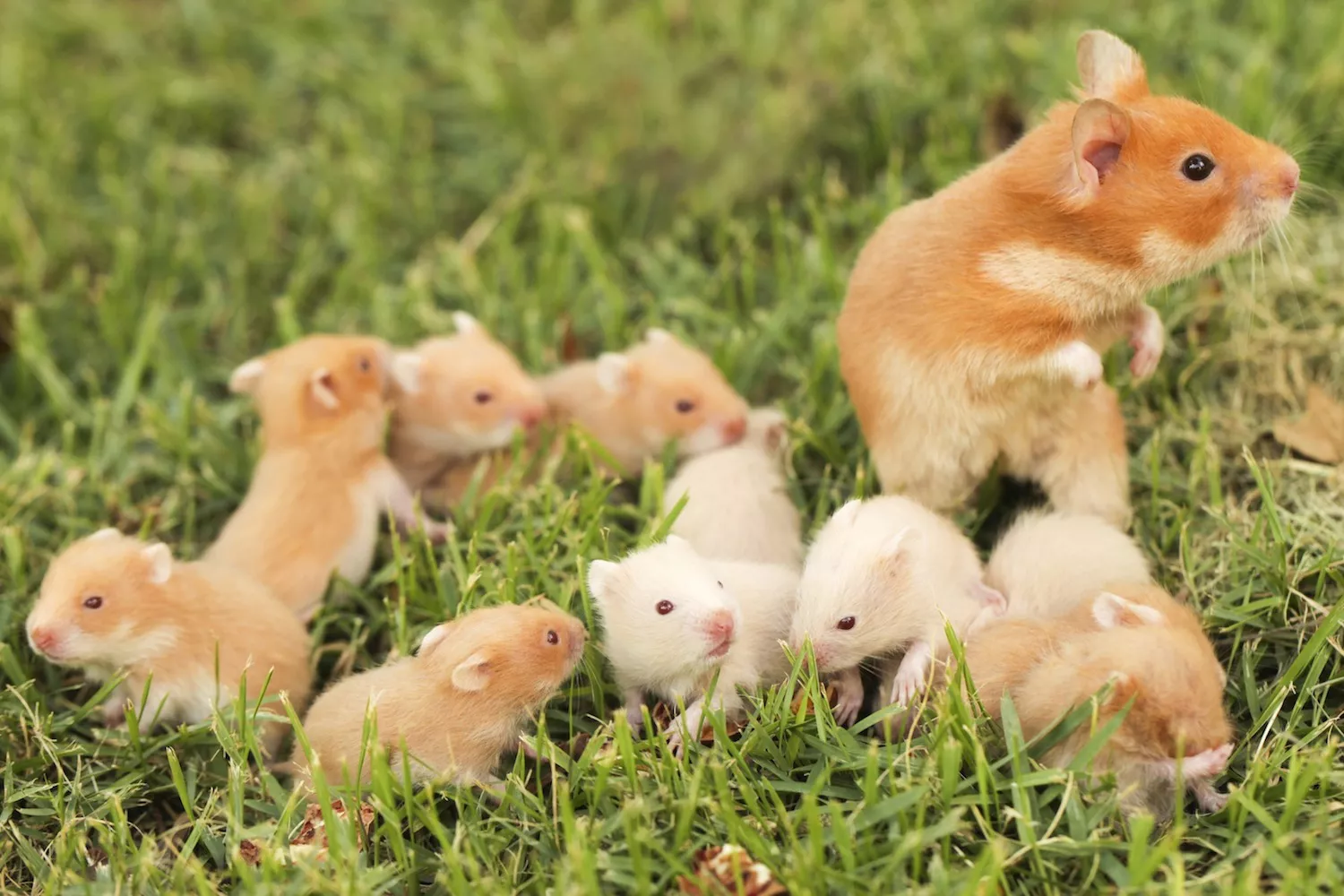
Here's the thing—those tiny hamsters you're seeing at the pet store are usually quite young. Syrian hamsters can tolerate each other's company when they're babies, but that doesn't last long. By the time these little ones reach about 8 to 10 weeks old, their personalities change dramatically. Suddenly, they become territorial and protective of their space. That's when the trouble starts.
The Truth About Pet Store Setups
Now, you might be thinking, "But they look so peaceful together at the store!" It's true—they might seem fine in that moment. However, pet stores typically rotate their animals frequently. Those hamsters you see together today may have been separated from others who showed aggression yesterday. Store staff often remove any hamsters that display battle scars or fighting behavior, so what you're seeing is already the "peaceful" remaining group.
Another trick pet stores use? They'll keep younger hamsters in same-sex groupings. This prevents unwanted pregnancies and reduces the likelihood of territorial disputes. But even this isn't a perfect solution—eventually, these hamsters will need their own spaces too.
Female Syrian hamsters are particularly feisty. They're usually aggressive toward males, especially when they're not in heat. Even during mating season, a female will typically only tolerate a male for a brief window before becoming hostile again.
What Happens When Syrian Hamsters Are Housed Together
Here's what you need to understand: even if your Syrian hamsters aren't actively fighting, living together causes chronic stress. And stress? It's silently shortening their lives.
A well-cared-for Syrian hamster can live 3 to 4 years in a loving home. In the wild, they typically only survive 2½ to 3 years due to predators and harsh conditions. When they're stressed by constant social pressure from cage mates, their lifespans can suffer. It's just not worth the risk.
Creating the Perfect Solo Sanctuary
Once you bring your Syrian hamster home, it's time to think about their living arrangements. These little adventurers need space to explore, exercise, and dig. The minimum recommended cage size for one hamster is about 2 feet by 1 foot, with a height of at least 12 inches. But honestly? Go bigger if you can. Your hamster will thank you with nightly zoomies and happier behavior.
When setting up their home, avoid cramming in too many built-in toys and compartments. While some cages come with these features, they can limit the space your hamster wants to spread out and explore. Give them open areas to run, and add separate toys they can move around and investigate.
Keeping Your Hamster Safe and Sound
Syrian hamsters have a gnawing instinct that never goes away. If you have more than one hamster (in separate cages, of course), make sure both enclosures are super secure. Check that bars are spaced appropriately and that doors latch firmly. You definitely don't want your little escape artist finding their way out—or into another hamster's cage.
And here's something important: if your hamster seems to ignore you or shows little interest in their cage neighbor, that's completely normal. Your pet is absolutely content living their solo life. They're not lonely! Syrian hamsters genuinely thrive when they're the only hamster in their space.
The Human Connection
Don't误会—your hamster can still bond with you. Syrian hamsters usually enjoy human interaction, though they tend to be most active and receptive at night. If you wake them from a nap during the day, they might nip out of surprise or irritation. So approach them gently, let them wake up on their own terms, and you'll build a wonderful friendship.
Remember, giving your Syrian hamster their own space isn't just recommended—it's essential for their health and happiness. One hamster, one cage, lots of love. That's the secret to a thriving little companion.