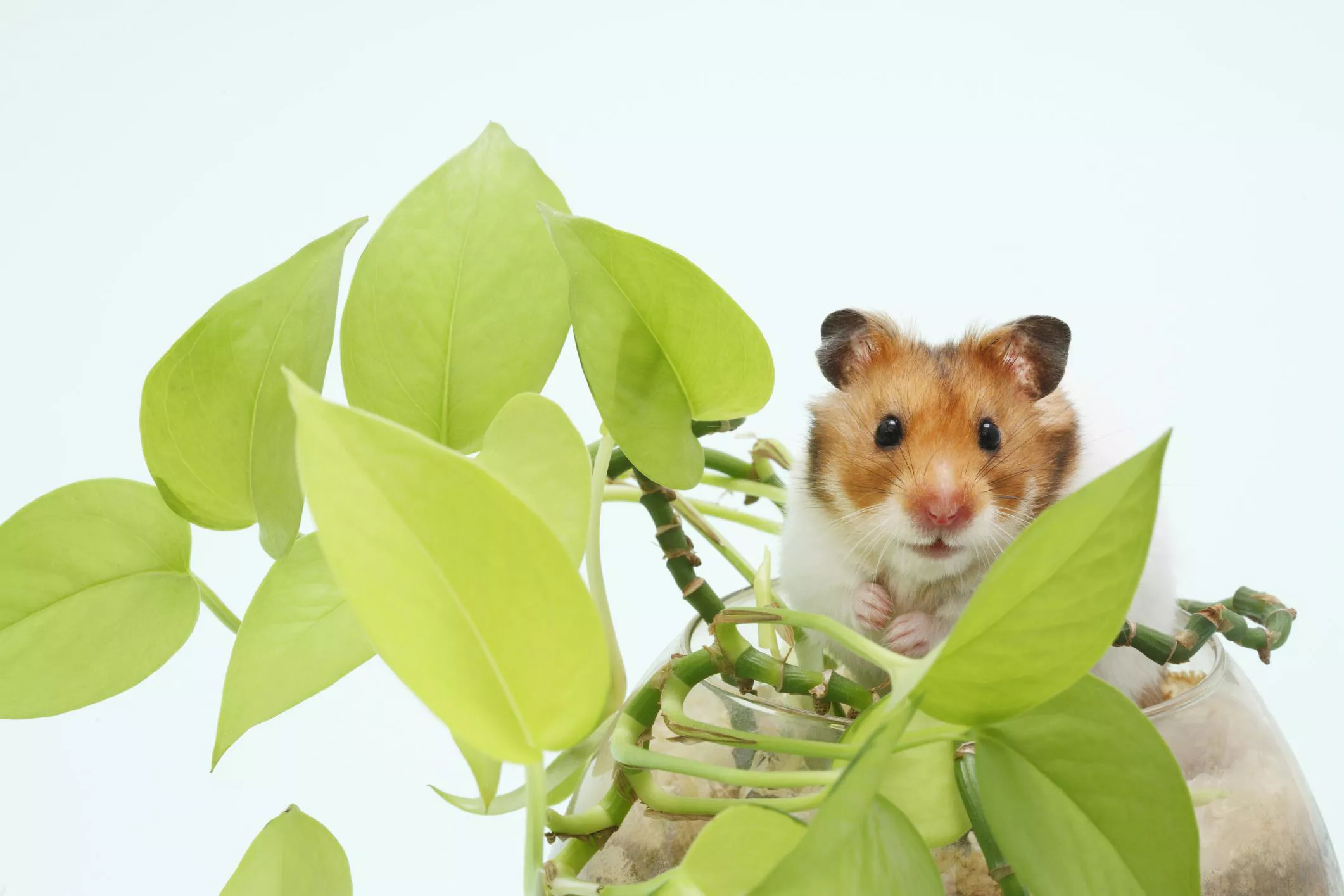
Key Takeaways
Syrian hamsters are solitary animals and must be housed alone to prevent aggressive behavior and potential injury.
Their housing needs include a spacious enclosure with proper substrate, cozy nesting material, and plenty of enrichment like toys and exercise wheels.
Syrian hamsters are nocturnal creatures with specific dietary requirements, including commercial food blends and supplemental fresh foods.
Essential Guide to Caring for Your Pet Syrian Hamster
The Syrian hamster, also known as the golden hamster, is one of the most popular choices for small pets out there. And honestly, it's not hard to see why. These little guys are generally easy to tame, absolutely delightful to watch, and pretty low-maintenance compared to other pets, which makes them a fantastic option if you're new to the whole pet-parent thing.
This essential guide to caring for your pet Syrian hamster will walk you through everything you need to know to keep your furry friend happy and healthy. From their quirky behaviors to housing requirements and everything in between, we've got you covered.
Thanks to their popularity as pets, you'll find diets specially formulated for Syrian hamsters in most pet stores. Plus, their housing doesn't take up too much space and is actually pretty simple to set up and maintain. Sounds good, right?
Species Overview
Before we dive deeper, let's cover some basic facts about these adorable critters:
Common Names: Syrian hamster, golden hamster
Scientific Name: Mesocricetus auratus
Adult Size: 5 to 9 inches long, weighing roughly 5 ounces
Lifespan: 2 to 4 years
Syrian Hamster Behavior and Temperament
Understanding your hamster's natural behaviors is key to building a great relationship with them. Syrian hamsters are nocturnal, which means they sleep during the day and become little night owls once the sun goes down. If you're a light sleeper or have their enclosure in your bedroom, this might take some getting used to on your end.
That said, certain hamsters can somewhat adapt to their humans' schedules over time. But here's an important tip: never try to pick up a sleeping hamster. Some hamsters might bite when startled or handled improperly, so it's best to wait until they're awake and alert. The early morning or evening hours tend to be a good time to interact with your hamster when they're naturally more active.
One thing that surprises a lot of people is that these hamsters have pretty weak eyes. Instead, they rely heavily on their whiskers to navigate and make sense of their environment. It's pretty fascinating to watch them use those little whiskers! Because of their eye vulnerability, it's important to check on your hamster regularly to ensure they're healthy and watch out for any signs of eye problems.
Now, here's something crucial to understand about Syrian hamsters: they're one of the most solitary animals in the wild, which makes them equally territorial. This means they should always be housed alone as pets. Sometimes young hamsters will tolerate cage mates for a little while, but as they mature, there's a very good chance they'll become aggressive, even fighting to the death. It's also best to keep any other household pets well away from your hamster for everyone's safety.
As pets, Syrian hamsters don't necessarily form the same close bond that dogs or cats might, but they can still be wonderful companions. Many will come up to the side of their enclosure when you're nearby, and quite a few enjoy lounging in your hands or perching on your shoulder. Expect to spend a few hours per week on feedings and maintaining your hamster's habitat. After that, just make sure you're allotting some time each day to handle your hamster to keep them tame and comfortable with human interaction.
Size Information
Syrian hamsters reach around 5 to 9 inches long on average, and they weigh roughly 5 ounces. It's pretty amazing how such a small creature can have such a big personality! They'll reach maturity within just two months, so if you're getting a baby hamster, enjoy those early weeks because they'll grow up fast.
Housing
When it comes to housing your Syrian hamster, bigger is definitely better. This will be their primary space for exercise and exploration, so you want to give them as much room as you can reasonably accommodate. At an absolute minimum, the cage should be 1 foot by 2 feet and at least 1 foot tall, but don't be afraid to go bigger if you have the space.
You generally have two main cage options to choose from. The first is a wire cage with a plastic base, which allows for better airflow. The second option is a standard glass or plastic aquarium with a tightly fitting mesh top. Wire cages offer better ventilation but provide less protection against drafts, while solid-walled enclosures can sometimes lead to a buildup of ammonia fumes from droppings if not cleaned regularly.
When shopping for a wire cage, make sure the spacing between the bars isn't large enough to make it easy for a hamster to escape or get hurt while attempting to squeeze between them. Look for bars that are spaced half an inch or less apart. A plastic base on a wire cage will also prevent those uncomfortable sores that can develop on your hamster's feet from walking on wire.
Your hamster should be comfortable throughout the year, no matter the season. It's best to ensure their environment stays between 75 and 85 degrees Fahrenheit. Keep their cage away from direct sunlight, drafts, and heating or cooling vents.
Inside the enclosure, you'll want to include plenty of hamster toys for enrichment and mental stimulation. An exercise wheel with a solid running surface is essential, as bar wheels can cause injuries to their little feet. You should also add tunnels and bridges for hiding and climbing, wooden chew blocks to help maintain dental hygiene, and a nest or sleeping hut placed in a corner of the enclosure where they can feel safe and cozy.
Specific Substrate Needs
Syrian hamsters need two types of bedding to thrive: absorbent substrate and nesting material. The absorbent substrate goes on the bottom of the cage to help control moisture and odors, while the nesting material allows your hamster to create a comfortable little bed to burrow into.
Line the bottom of the enclosure with a couple of inches of bedding. Paper or aspen products are generally recommended as they're safe and absorbent. Whatever you do, don't use cedar or pine bedding. Those strong-smelling woods contain aromatic oils that can be harmful to your hamster's delicate respiratory system.
How to Clean a Syrian Hamster's Cage
Keeping your hamster's home clean is super important for their health and wellbeing. Start by scooping out any wet spots in the bedding daily, which takes just a minute but makes a big difference. Then, plan to change all the bedding weekly as you give the entire enclosure a thorough scrub down.
Here's a step-by-step breakdown for deep cleaning day:
First, take your hamster out of their cage before cleaning it. You can put them in a separate enclosure, a playpen, or have someone else in the family hold them and give them attention until their cage is clean and ready.
Never use harsh soaps and chemicals, including those with strong fragrances, to clean your hamster's cage and accessories. These can irritate their sensitive respiratory systems. Instead, look for cleaners specifically made for small animals, and follow the directions on the product labels to ensure you're using them correctly.
Rinse the cage and accessories thoroughly with water before drying everything completely. You don't want any residue left behind.
Add fresh new bedding and all of your hamster's toys and accessories before putting your hamster back in their cage. They usually appreciate having everything back in order!
Regular cleaning not only keeps your hamster healthy but also helps you notice any changes in their behavior or waste, which can be early indicators of health issues.
How to Choose the Best Cage for Your Syrian Hamster can help you find the perfect enclosure for your new companion.
With the right care and attention, your Syrian hamster can live a happy, healthy life as a beloved member of your household. These little creatures bring so much joy with their curious personalities and entertaining antics. Enjoy getting to know your new furry friend!