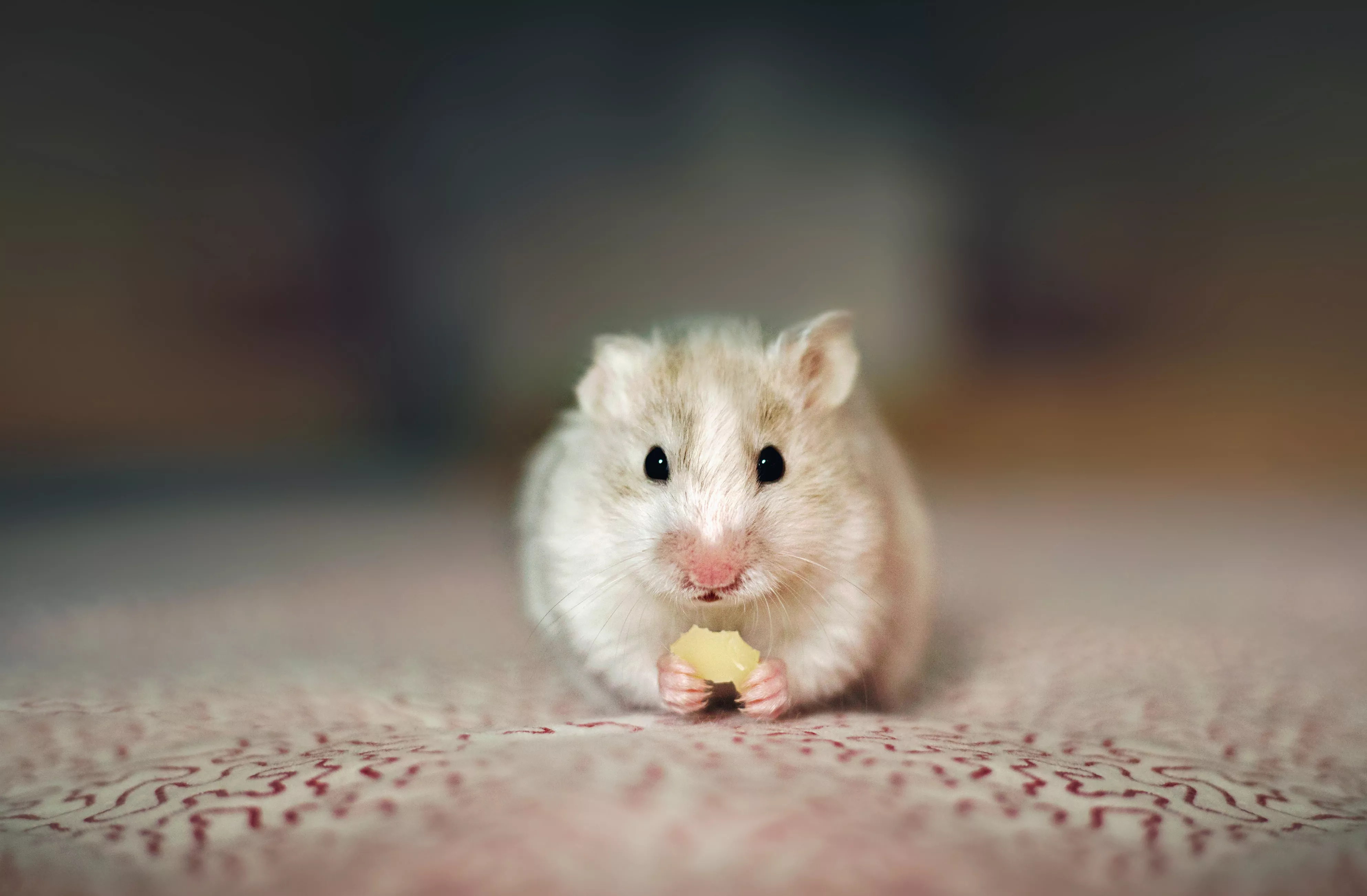
Key Takeaways
- Cheese isn't a must-have for your hamster — it's really just an occasional treat, and a tiny one at that.
- Some hamsters handle dairy fine, but others get an upset stomach. Watch your little one closely after offering cheese.
- Too much cheese can lead to weight gain, dehydration, and even kidney issues. Sticky cheese can also get lodged in those adorable cheek pouches.
- Choose low-fat, low-sodium options like cottage cheese or mozzarella, and skip anything moldy or highly processed.
Can Hamsters Eat Cheese? Let's Find Out
So, can hamsters eat cheese? Yes — but only in very small amounts, and only now and then. Let's dig into the details so you can decide whether to share a cheesy nibble with your furry friend.
What's the Deal with Cheese in a Hamster Diet
Hamsters are omnivores. They eat both plant-based foods and the occasional protein. In the wild, they'd munch on seeds, grains, grasses, and sometimes snag an insect or two. Here's the thing though — your pet hamster doesn't actually need cheese to thrive. A balanced commercial hamster food already provides everything they need. Cheese for hamsters is really just a treat.
When you're putting together your hamster's meals, aim for about half their diet to come from quality commercial food. The other half can be fresh veggies like kale, spinach, and broccoli. Fruits like apples and bananas work too — just keep portions small since sugar isn't great for them in excess. Other safe foods for hamsters include plain pasta, rice, and seeds. Unsalted nuts are okay occasionally too.
Your hamster's diet should be low in fat, sugar, and salt. That's why many standard hamster treats — like those marketed commercially — aren't always the best choice. Cheese falls into that category too.
How Much Cheese Can You Give a Hamster?
If your hamster seems to enjoy cheese and tolerates it well, you can offer a tiny piece — think about the size of a pea — once or twice a week at most. That's really all they need. A little goes a long way here.
When picking cheese for your hamster, opt for varieties that are low in fat and salt. Low-fat cottage cheese and mozzarella are both decent choices. Avoid aged or salty cheeses like cheddar, parmesan, or anything processed. Those contain way more sodium and fat than your hamster needs. And please — never give your hamster moldy cheese like Stilton or blue cheese. Those can be harmful.
One fun bonus? Cheese makes an excellent training treat. Its strong smell and taste motivate hamsters during taming sessions, and it works great for hiding oral medications. Just don't overdo it.
Potential Side Effects and Risks
Cheese isn't toxic to hamsters, but that doesn't mean it's risk-free. Here's what you should know.
Some hamsters are lactose intolerant and will react poorly to dairy. Symptoms include vomiting, diarrhea, and general stomach upset. If your hamster has never had cheese before, start with an absolutely tiny amount — just a crumb — and watch how they react over the next 24 hours. No symptoms? You can gradually work up to a pea-sized piece. Still showing signs of intolerance? Skip the cheese entirely and choose a different treat.
Beyond lactose issues, too much cheese can cause real problems. The fat content adds up quickly, and overweight hamsters face a host of health challenges. Excess salt from cheese (or other salty snacks) can lead to dehydration and even kidney damage over time.
Another thing — hamsters hoard food in their cheek pouches, and sticky cheese can get trapped in there. That leftover cheese in your hamster's habitat? It goes bad fast and becomes a breeding ground for bacteria. Check bedding and hiding spots regularly for forgotten stashes and toss them out promptly.
What If Your Hamster Overeats Cheese?
It happens. Maybe your hamster escaped their enclosure and found the cheese platter, or perhaps they simply stashed more than they should have. A one-time overindulgence isn't likely to cause lasting harm, but keep an eye out for warning signs like lethargy, vomiting, diarrhea, or refusing to eat.
If your hamster seems unwell or you're worried about their health, reach out to an exotic veterinarian. They're the best resource for advice tailored to your specific situation.
Your hamster's safety comes first. When in doubt, skip the cheese and reach for a healthier alternative instead.