Key Takeaways
- Hamsters typically bite out of fear rather than aggression, so understanding this motivation is the first step to stopping the behavior.
- Building trust with your hamster takes patience—expect the process to span several weeks as you gradually introduce yourself.
- Never punish your hamster for biting; instead, use calm handling and treats to create positive associations with your presence.
- Consistency matters more than speed—rushing the process can set you back, so let your hamster set the pace.
- Washing your hands before handling and avoiding food-scented fingers helps prevent accidental nips.
Hamsters can bite, and it's usually because they're scared, not because they're mean. Most of the time, your little furball will be sweet and cuddly, but occasionally you might encounter a nip. Those tiny teeth won't do as much damage as a dog or cat bite, but trust me—it still stings! The good news? You can absolutely train your hamster to feel comfortable with handling and kick biting to the curb.
Why Do Hamsters Bite?
Here's the thing—tame hamsters are used to people. They've been handled regularly, so human contact doesn't faze them. But hamsters that haven't been handled much? They're not aggressive, they're just terrified. When you try to pick them up, they react the only way they know how: they bite. It all comes back to fear, not nastiness.
How to Stop the Biting
Patience is your best friend here. Literally. You're going to need to earn your hamster's trust, and that doesn't happen overnight. This approach works whether you've had your hamster for a while and biting remains an issue, or if you've just brought home a shy new friend who's a bit nervous.
Don't get discouraged if it takes a month—or even longer—to build that bond. On the flip side, if your hamster warms up faster than expected, you can speed things up. And if at any point your pet seems more fearful, just step back to the previous step and spend extra time there. There's no rush.
Over time, your hamster will start seeing you as a treat dispenser rather than a threat. It takes patience, but the payoff is totally worth it.
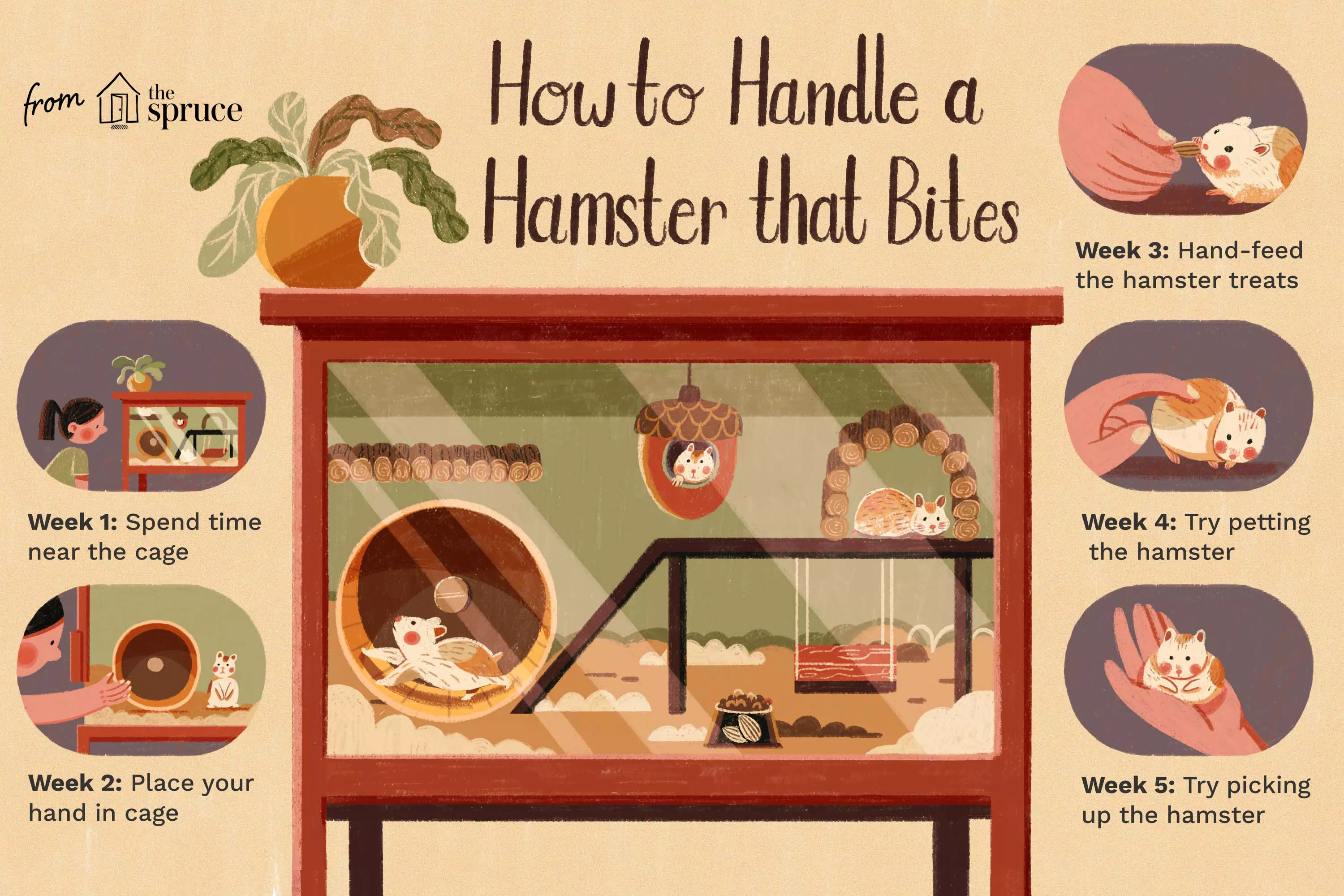
Week 1: Let Your Hamster Get Used to You
Hamsters are most active in the evening, so that's when you should hang out near the cage. Talk to your hamster—read aloud, chat about your day, or even sing if you're feeling brave. The goal is getting your pet comfortable with your voice and scent. Don't even think about touching yet.
Moving to a new cage in unfamiliar surroundings is super stressful for hamsters, so this week gives them time to settle in. If you need to pick up your hamster during this period—maybe for cage cleaning or because of an escape—herd it gently into a corner using a towel or the open mouth of a drinking glass, then scoop it up carefully.
Week 2: Let Your Hamster Get Used to Your Hand
Keep sitting by the cage and chatting, but now add hand introductions. Move slowly and deliberately. Day one: just place your hand inside the door or rest it on top of the cage. Each subsequent day, inch your hand a little farther in.
Resist the urge to touch your hamster. If your pet gets curious and sniffs or investigates your hand, let it happen naturally.
Week 3: Offer Your Hamster Treats
By now you've probably discovered some of your hamster's favorite treats. If not, experiment with sunflower seeds, raisins, or small apple pieces—just keep portions small. Treats make excellent training tools.
Hold these yummy snacks out on the bare hand you've been placing in the cage. Eventually, your hamster will venture over to nibble, which builds trust bit by bit.
Week 4: Pet Your Hamster
When your hamster happily takes treats from your hand, you can try gentle petting. If your pet tolerates this, you're ready to move on to picking it up. If not, keep offering treats and slow pets until your hamster seems comfortable.
Week 5: Pick Up Your Hamster
Accepting treats and allowing touch? Time to attempt picking up your hamster. Again, go gradually and let your pet determine the pace.
A solid technique is luring your hamster onto your hands with treats, then scooping it up with both palms. Position one hand on each side of your hamster, then bring them together beneath its belly. Cup your hamster gently—avoid gripping its back, as pressure there can feel threatening at first.
Keep your hamster close to the ground initially, especially in case it decides to jump. You can gradually increase height as your pet settles. Some owners find that positioning the hamster facing their body reduces jumpy behavior.
Tips
- Wash your hands thoroughly before handling—food-scented fingers might look like snacks to your hamster.
- Thick gloves can provide temporary protection, but don't rely on them long-term. Hamsters tame best when they learn your natural scent, which gloves block.
- If your hamster latches onto your hand, don't shake it off—this could injure your pet. Gently lower your hand to the ground or use your other hand to carefully pry the grip loose.
- Never scold, yell at, or hit your hamster. Stay calm and remember: it's acting out of fear, not aggression.