Key Takeaways
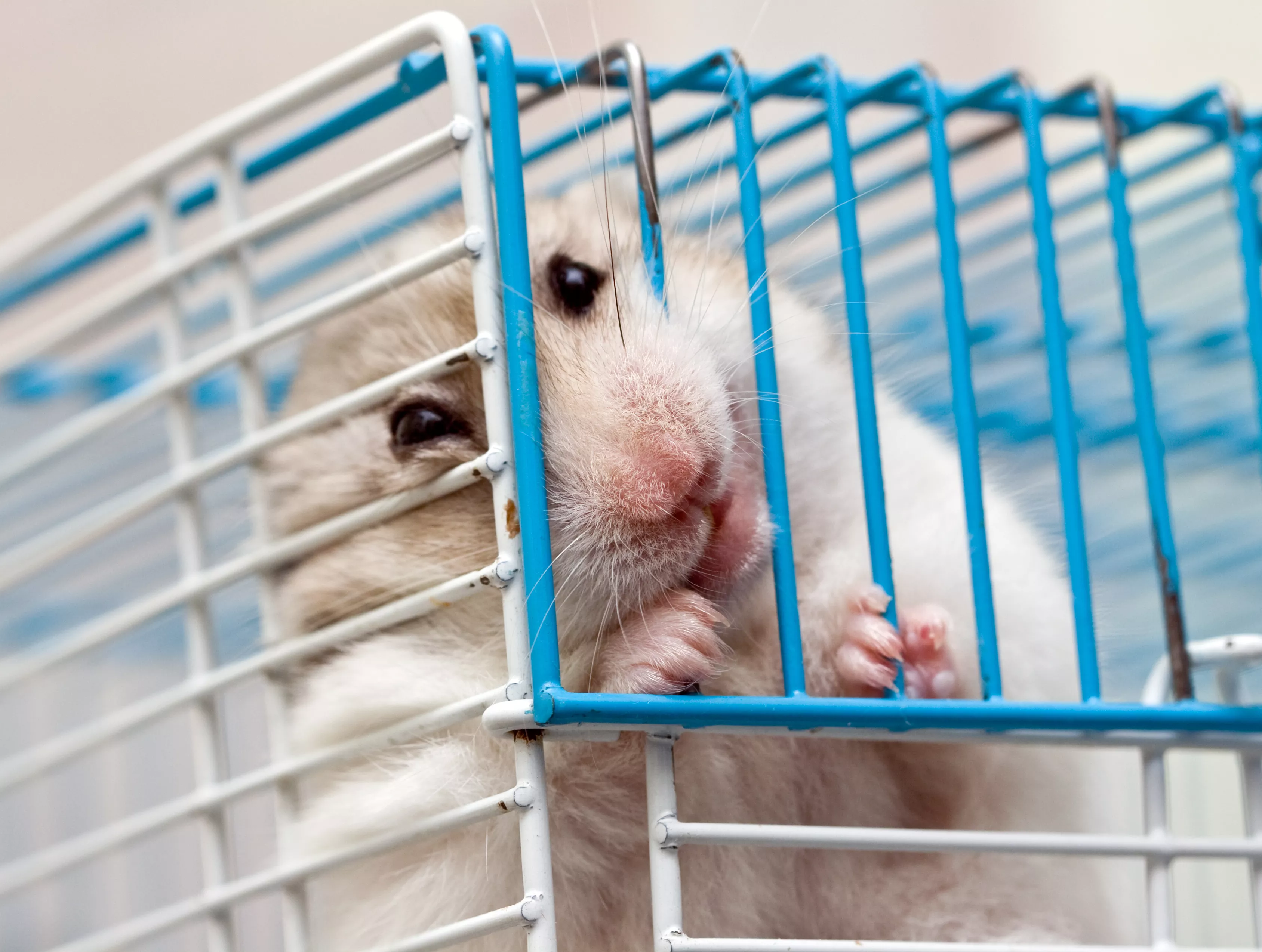
- Hamsters bite cage bars when they're bored, stressed, or need to wear down their constantly growing teeth.
- Chewing metal bars can damage their teeth, expose them to toxins, and even lead to escape attempts.
- Providing plenty of safe chew toys, mental stimulation, and a low-stress environment usually stops the behavior.
If you've ever heard that metal-on-metal grinding sound coming from your hamster's cage, you know it's not exactly music to your ears. But why do hamsters chew on their bars in the first place? And more importantly, how can you get them to stop?
Why Do Hamsters Bite Their Cages?
There's usually one of three reasons behind this behavior.
Teeth that never stop growing. Unlike us, hamsters' teeth keep growing throughout their lives. They need to gnaw constantly to keep them at a manageable length. If their regular food isn't giving them enough chewing action, they'll look for other things—including those cage bars.
They're bored out of their little minds. Hamsters are curious, active creatures. Without enough toys, activities, or space to explore, they'll create their own entertainment. And sometimes that entertainment involves systematically destroying the bars of their home.
Something's stressing them out. Bar chewing can be a self-soothing behavior. Maybe the cage is too small. Maybe there's a cat staring at them through the glass. Cedar or pine bedding can also irritate their sensitive respiratory systems and skin.
Why Is Cage Biting a Problem?
It's tempting to just let them get on with it—after all, chewing is natural for hamsters. But bar chewing specifically can cause real issues.
Tooth damage. Those bars are hard. Repeated chewing can crack, break, or damage teeth, which is painful and can lead to infection. The damage might even be hidden below the gum line where you can't see it.
Toxic exposure. Some cages have paint or coatings that aren't meant to be ingested. If your hamster ingests bits of metal or paint, it could make them sick.
Chronic stress or boredom. If your hamster is chewing bars out of anxiety or lack of stimulation, that's not a healthy coping mechanism. It usually signals that something in their environment needs to change.
Escape attempts. If they actually manage to weaken the bars enough, they may escape. A hamster loose in your home faces plenty of dangers—other pets, getting stuck somewhere, dehydration, and more.
How to Stop Your Hamster from Biting Its Cage: Tips and Solutions
The good news? This is usually fixable once you identify the cause.
Provide Plenty of Safe Chew Toys
Hamsters need to chew. So give them better options than metal bars. Wooden toys—like chew blocks, wooden bridges, and small houses—are great choices. Rotate them regularly so things stay interesting.
Keep Them Mentally and Physically Stimulated
An exercise wheel is non-negotiable. It's one of the best investments you can make for your hamster's wellbeing. Beyond that, add tunnels, platforms, and hiding spots so they have things to explore and climb on. The more interesting their cage is, the less they'll focus on the bars.
Reduce Stressors in Their Environment
Take a hard look at where the cage is located. Is it near a window where birds keep swooping by? That could terrify your hamster. Is it on the floor where your cat can peer down at them? Time to relocate.
Kids in the household? Make sure they're supervised when handling the hamster and know to be gentle. Loud noises, lots of foot traffic, and frequent disturbances can all add up.
And check what bedding you're using. If it's cedar or pine, swap it for something safer like paper-based or aspen bedding.
Bar chewing isn't something to ignore, but it's also not a sign you've done something terrible as a hamster parent. It's a common issue with straightforward solutions. Pay attention to what your hamster is telling you through their behavior, make a few adjustments, and you'll likely see a happier, quieter pet in no time.
For more on How to Care for Your Pet Hamster, we've got you covered.