Key Takeaways
- Hamster eye infections and other hamster eye problems are common but treatable with prompt veterinary care
- Signs like redness, swelling, discharge, or cloudiness should prompt an immediate vet visit
- Many eye issues stem from cage environment, handling, or dental problems — and are often preventable
- Early intervention makes a huge difference, especially with painful conditions like a hamster corneal ulcer
Recognizing Hamster Eye Problems
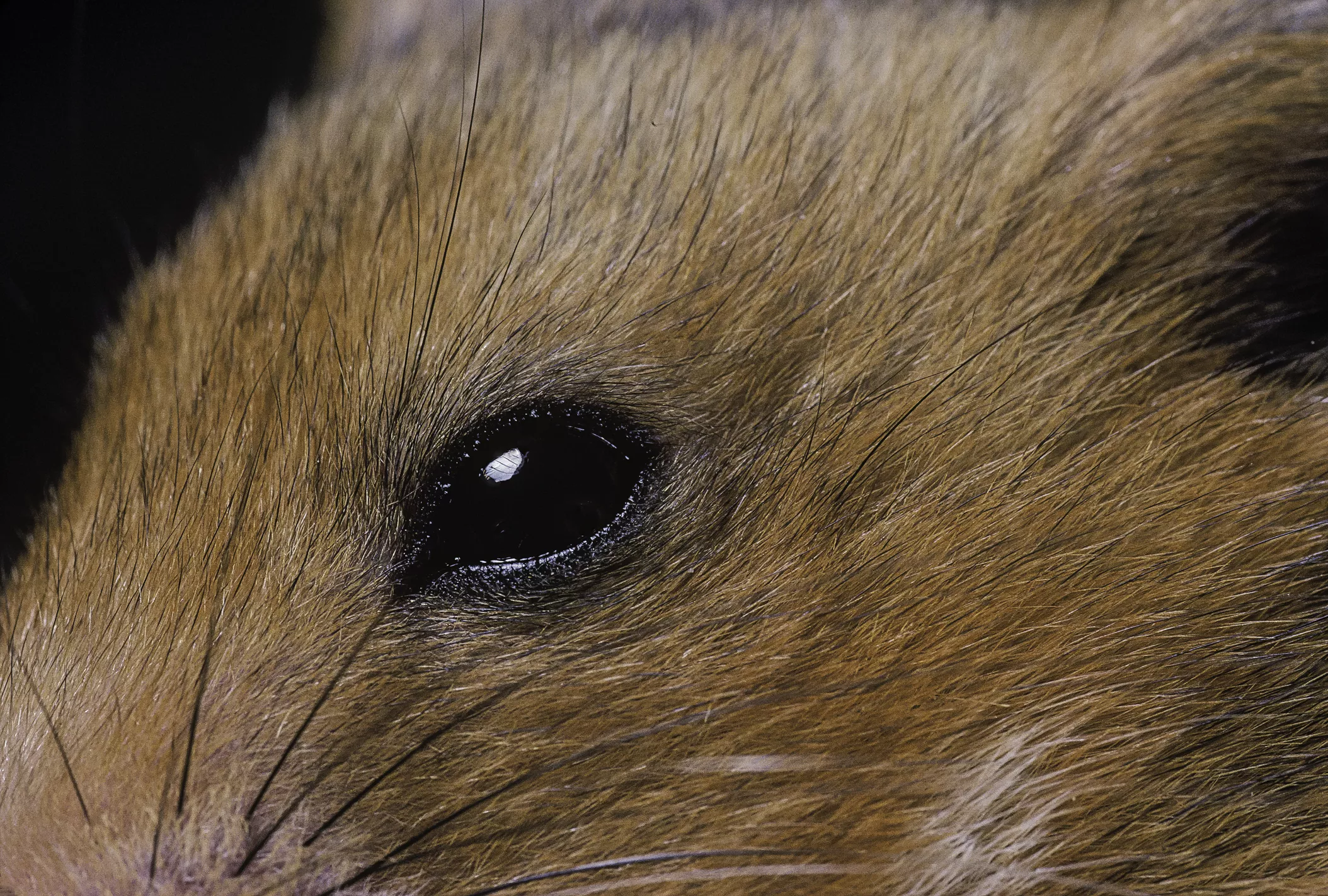
Let's be real — spotting something wrong with your hamster's eyes can be alarming. Those little eyes should be bright, clear, and wide open. So when something looks off, it's natural to worry. The good news? Most hamster eye problems are manageable when caught early, and knowing what to watch for means you can get your furry friend the help she needs fast.
A few of the most common hamster eye problems include infections, ulcers, and in more serious cases, proptosis. Let's break each one down so you know exactly what you're dealing with.
Eye Infections
One of the most frequently seen hamster eye problems is infection, often presenting as conjunctivitis (sometimes called pink eye). You'll typically notice the eye looks red and irritated, maybe a bit swollen. Your hamster might squint or keep the eye partially closed, and you might see some discharge or crusting around the area — that's the hamster eye discharge we want to keep an eye out for.
So what causes a hamster eye infection? It could be trauma from something in the cage or a scuffle with another hamster. Dental issues can also be a culprit since the tooth roots sit so close to the eye area. And honestly? A dirty cage doesn't help either. Bacteria love damp, unclean environments, and that's exactly what can spark an infection.
Ulcers
A hamster corneal ulcer is no joke — it's painful and can progress quickly if left untreated. This happens when the surface of the eye gets scratched or irritated. You'll often see the eye look cloudy, and your hamster may hold it shut or try to rub it against something. If you notice this, don't wait to see the vet.
Bedding that rubs against the eye, injuries from cage accessories, or tussles with cage mates are the most common causes. Sometimes an ulcer can develop after an eye infection has taken hold, making things even more uncomfortable for your little one.
Proptosis
This is the emergency nobody wants to think about, but it's important to know. Proptosis occurs when the eye actually pops out of the socket — yes, it's as scary as it sounds. The eye will bulge and look red and distressed.
It usually happens from rough handling, being squeezed too tightly (this sometimes occurs when children hold hamsters), or accidental trauma like being stepped on. Attacks from other pets like dogs or cats can also cause it. If you suspect proptosis, this is a true veterinary emergency.
How Vets Diagnose Eye Issues
When you bring your hamster to the vet for hamster eye problems, they'll do a thorough examination. They might use special eye drops, stains, and bright lights to get a better look at what's going on. Some conditions are obvious (like proptosis), but others require a closer look.
If there's debris or discharge present, your vet might swab it and examine it under a microscope to check for bacteria. In some cases, they'll do a culture to identify exactly what type of bacteria is involved — this helps them choose the most effective treatment.
Treating Hamster Eye Problems
Treatment depends on what's wrong, obviously, but here's the general scoop.
For a hamster eye infection or corneal ulcer, your vet will most likely prescribe medicated eye drops or ointment. You'll apply these topically once or twice daily, usually for one to two weeks. Sometimes oral medications like antibiotics or pain relievers are needed too, depending on the severity.
Cleaning Eyes First
Before you apply any medication, you'll want to clean the eye gently. A warm, damp cloth works well to wipe away any crusty debris. Saline eye drops or artificial tears can rinse and lubricate the eye, helping it open up so you can actually apply the medication where it needs to go.
Surgery
In severe cases of proptosis, surgery might be necessary. Sometimes the vet can gently push the eye back into place, but if the trauma is too extensive, the eye may need to be removed in a procedure called enucleation. I know that sounds scary, but hamsters are incredibly resilient. They can absolutely live a happy, full life with just one eye — many owners say their single-eyed hamsters are just as active and curious as ever.
Preventing Hamster Eye Problems
Not everything is preventable, but there are definitely steps you can take to reduce the risk of hamster eye problems in your pet.
Keeping the Cage Clean
Dust is enemy number one for hamster eyes. Some bedding types are much dustier than others, and those tiny particles can float up and irritate your little one's eyes. Keep cages clean and well-ventilated, and consider switching to a low-dust option if you notice irritation.
And it's not just the cage — if you're doing home renovations or there's a lot of dust in the room, that can cause problems too. A clean environment protects more than just those precious eyes; it's key to your hamster's overall wellbeing.
Handling With Care
Proper handling matters more than some people realize. Squeezing too tight — even during an enthusiastic hug — can cause serious damage. If you have kids, supervise closely and teach them to support the hamster gently without gripping. Getting this right is a huge part of taming a hamster safely.
Managing Multi-Pet Situations
Hamsters are generally better kept as individual pets. Aggressive cage mates can cause eye trauma through fighting, and honestly, bullying isn't always obvious until damage is done. If you notice regular scuffles, separate your hamsters permanently — it's the kindest choice.
Dogs and cats should never be left unsupervised with a hamster. Even a playful swat from a cat can cause devastating eye injuries.
Watch Those Teeth
Your hamster's teeth grow continuously, and overgrown or misaligned teeth can actually cause eye problems. The roots sit dangerously close to the eye sockets, so dental issues can manifest as eye issues. Provide a good diet and plenty of safe things to chew on (skip the cage bars — that's another problem entirely). Occasional peek at those chompers can save you a lot of trouble down the line.
Final Thoughts
Eye health is one of those things that's easy to overlook until something goes wrong. But by keeping an eye on your hamster's eyes (pun intended), maintaining a clean habitat, handling gently, and getting vet care fast when needed, you're giving your little companion the best shot at clear, comfortable vision for life.