Key Takeaways
- Winter white dwarf hamsters are friendly, low-maintenance pets that generally tolerate handling well, making them great for first-time hamster owners.
- These tiny pets need spacious housing with plenty of enrichment, a solid-surface exercise wheel, and a diet tailored to dwarf hamsters.
- While social and able to live in same-sex pairs when introduced young, they may need separate housing if territorial behavior develops.
- With proper care, your winter white can live 1 to 3 years, though their small size means they're best suited for gentle handlers.
Winter white dwarf hamsters, sometimes called Russian dwarf hamsters, are absolutely charming little creatures. They're compact, curious, and tend to have sweet temperaments that make them wonderful companions. If you're wondering how to care for a pet winter white dwarf hamster, you're in the right place—let's chat about everything you need to know to keep your tiny friend happy and healthy.
Species Overview
Before diving into the nitty-gritty of daily care, let's cover some basics about these adorable pets.
Common Names: Winter white dwarf hamster, Russian dwarf hamster, striped dwarf hamster, Siberian hamster
Scientific Name: Phodopus sungorus
Adult Size: 3 to 4 inches long, weighing around 1 to 2 ounces
Lifespan: 1 to 3 years
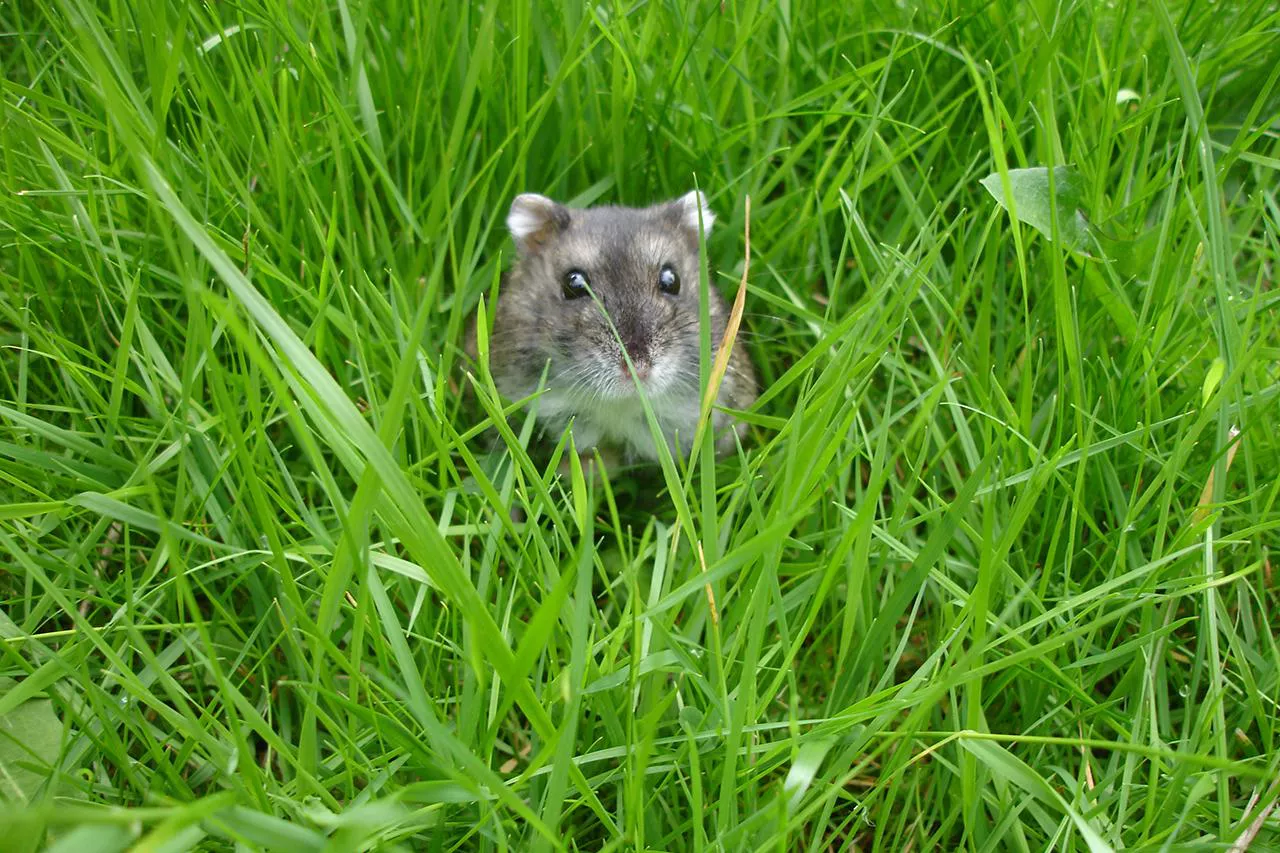
One of the most fascinating things about winter whites is their coat. Most of the year, they sport a grayish-brown fur that actually turns white in winter as a natural camouflage mechanism. It's pretty amazing to witness, though in captivity this color shift might not happen without exposure to shorter daylight hours during winter months.
They're roughly half the size of the Syrian hamster, which is something to keep in mind when you're handling them—these little guys are quick and can be a bit tricky to hold onto.
Winter White Dwarf Hamster Behavior and Temperament
Here's some great news: winter white dwarf hamsters are generally docile, easy-going pets. They're typically more tolerant of handling than some other hamster species, which means they're less likely to bite. That said, they might nip if startled or squeezed, so gentle handling is a must.
Because of their small size and speed, they might not be the best fit for very young children who haven't mastered gentle hands yet. But for older kids and adults? They're fantastic little companions.
These hamsters are nocturnal, so they'll be most active in the evening and overnight hours. You might catch them out and about for short periods during the day, but don't be surprised if the bulk of their adventures happen after sunset. Just something to consider if you're a light sleeper—they can be pretty active when the sun goes down!
Winter white dwarfs are also surprisingly social. Unlike some hamster species that must live alone, these guys can be kept in same-sex pairs or small groups when introduced at a young age. It's absolutely adorable watching them cuddle and play together. However, keep in mind that adult hamsters meeting for the first time might not get along and could become territorial. Even young hammies raised together sometimes start fighting as they mature, so watch for signs of aggression and be ready to provide separate housing if needed.
And please, keep your winter whites away from other household pets. Exposure to cats, dogs, or even other hamster species can cause unnecessary stress and potentially lead to injuries.
Size Information
These little cuties are truly tiny! On average, winter white dwarf hamsters reach about 3 to 4 inches in length and weigh roughly 1 to 2 ounces. They typically reach maturity at around 2 months old, so if you're adopting a baby, you've got a tiny, extra-speedy hamster on your hands for a while.
Housing
When it comes to housing your winter white dwarf hamster, bigger is always better. This enclosure will be their entire world—where they exercise, explore, eat, sleep, and just be a hamster. So give them as much room as you can reasonably provide.
At minimum, look for a cage that's at least 2 feet long, 1 foot wide, and 1 foot high. You can choose between a glass or plastic aquarium with a secure, ventilated top, or a wire cage with a solid plastic base. If you go with a wire cage, make sure the bar spacing is tight enough that your little escape artist can't squeeze through—they're small but surprisingly determined!
Setting Up Their Home
Inside the enclosure, you'll want to include a few essentials:
- Chew toys to keep those constantly growing teeth worn down
- An exercise wheel with a solid running surface—wire wheels can hurt their tiny feet
- A cozy nest or hideout where they can sleep and feel secure
- Tubes and climbing structures for extra enrichment, just make sure nothing is high enough for a dangerous fall
Your hamster will appreciate having places to explore and hide, so don't be shy about adding enrichment items.
Bedding Basics
The bottom of the enclosure should have 2 to 3 inches of soft, absorbent bedding. Shredded paper (free of chemicals and dyes) or aspen shavings work well. Here's an important heads-up: avoid cedar and pine wood shavings, as they can be toxic to hamsters and cause respiratory issues.
You'll need to stay on top of bedding maintenance too. Spot clean daily by removing any wet areas, and do a full bedding change once a week. When you do, scrub the entire enclosure with mild soap and water to keep things fresh and hygienic.
Need more guidance on finding the perfect home for your dwarf hamster? Check out our guide on choosing a dwarf hamster cage.
What Do Winter White Dwarf Hamsters Eat & Drink?
Feeding your winter white is pretty straightforward, which is part of why these little guys are considered low-maintenance pets.
For their main meals, pick up a commercial hamster food that's specifically formulated for dwarf hamsters. Check the package directions and follow your vet's recommendations for portion sizes. The great thing about hamsters is they're natural grazers—they like to nibble throughout the day rather than eating big meals all at once. Many owners simply fill a small ceramic dish with a day's worth of food and refresh it every 24 hours.
Beyond the staple diet, you can offer some tasty supplemental foods in moderation. Fresh greens, tiny pieces of carrot, the occasional blueberry, or some plain oats are all great options. Just be sure to chat with your vet about appropriate types and amounts, since portion control matters even for tiny pets. Put fresh foods in a separate dish from their regular food, and remove any uneaten fresh items after a few hours to prevent spoilage.
Pro tip: try to feed your hamster in the evening when they're naturally waking up and feeling hungry. It's a nice way to sync with their natural rhythms.
And of course, always make sure fresh, clean water is available. A water bottle that hangs on the side of the cage is ideal because it's easy to keep sanitary. Pop a small water dish in there too until you're confident your hamster is drinking from the bottle. Check regularly that the sipper nozzle is working properly, and refresh the water daily.
Common Health Problems
Even with the best care, hamsters can sometimes get sick or injured. Being aware of common health issues means you can catch problems early.
Some health concerns to watch for include:
- Injuries from falls, fights with cage mates, or encounters with sharp objects
- Respiratory infections
- Wet tail, which is a serious type of diarrhea
- Abscesses
- Skin problems, including mite infestations
Keep an eye out for warning signs like loss of appetite, unusual tiredness, hiding more than usual, excessive scratching or bald patches, sneezing, wheezing, discharge from the nose or eyes, or abnormal droppings. If something seems off, move your hamster to a warm, quiet space and reach out to your veterinarian right away. Early intervention makes a big difference!