Key Takeaways
- Hamsters are solitary pets—Syrian hamsters must live alone, and other species usually prefer it too
- Different hamster types have distinct care needs, so research your species before bringing one home
- Most hamsters live 2-3 years, so they're a commitment worth considering carefully
- Their small size means they need specific housing and regular care routines
- Hamsters are generally best for people who enjoy watching and interacting with quiet, low-maintenance pets
Getting to Know Different Hamster Types
When you're trying to determine whether or not a hamster is the right pet for you, understanding the different species is a great starting point. Not all hamsters are the same, and each type has its own personality and care requirements.
Syrian Hamsters
Syrian hamsters are the classic pet store hamsters. These little guys are solitary by nature—you'll need to house them one per cage or they'll fight. They're usually quite docile and easy to handle once they've warmed up to you. If you're looking for a hamster you can bond with and handle regularly, Syrian hamsters are often a fantastic choice.
Dwarf Hamsters
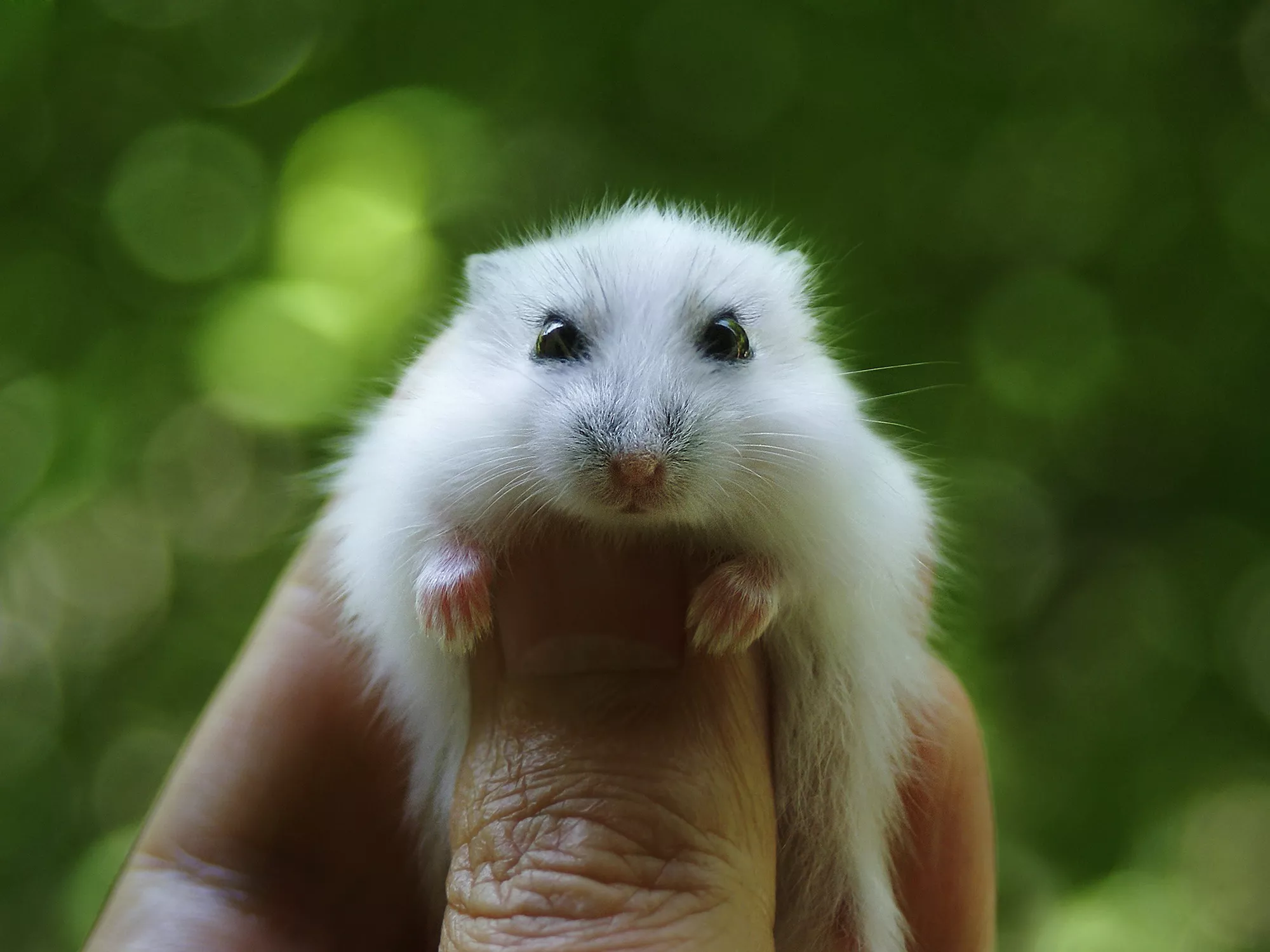
The dwarf hamster category includes several species: Campbell's Russian hamsters, winter white Russian hamsters, and Roborovski hamsters. They're smaller than Syrians and tend to be more social with their own kind. If you want multiple dwarf hamsters, it's best to introduce them as a young pair. Just keep in mind—they're quick and agile, so handling them takes a bit more patience. They're not ideal if you're looking for a cuddly pet, but they're endlessly entertaining to watch.
Chinese Hamsters
Chinese hamsters fall somewhere between Syrian and dwarf sizes. They have a visible tail, which sets them apart from other pet hamster types. Sometimes they can live with another Chinese hamster, but it's not guaranteed—they can be territorial. These hamsters are friendly when socialized properly, but their speed means they're better suited for observation rather than frequent handling.
How Long Will Your Hamster Live?
It's important to know that hamsters have relatively short lifespans compared to other pets. On average, you're looking at about 2 years, though this varies slightly by species. Here's a quick breakdown:
- Syrian hamsters: 2 to 3 years
- Dwarf Campbells Russian hamsters: 1.5 to 2.5 years
- Dwarf Winter White Russian hamsters: 1 to 3 years
- Roborovski hamsters: 2 to 3 years
- Chinese hamsters: 2 to 3 years
Two years might not sound like long, but it gives you plenty of time to build a bond with your little friend. Just make sure you're prepared for this timeframe before you commit.
Size and Housing Needs
Hamsters might be small, but they have specific space requirements. Sizes vary quite a bit depending on the species:
- Syrian hamsters: 5-7 inches
- Dwarf Campbells and Winter White Russians: about 3 inches
- Roborovski hamsters: roughly 2 inches
- Chinese hamsters: 3-5 inches
Those tiny critters need room to explore, exercise, and burrow. The cage you choose needs to be safe, escape-proof, and easy to clean. You'll also need a suitable wheel, hiding spots, and bedding.
One thing to remember: standard pet store cages often aren't appropriate for the species you're buying. A Syrian hamster needs significantly more space than a Roborovski. Always research the specific housing needs for your hamster type.
Is a Hamster the Right Pet For You?
So, how do you determine whether or not a hamster is the right pet for you? Think about your lifestyle and what you're looking for in a companion.
Hamsters are quiet, which makes them great for apartments or shared living spaces. They don't need walks, and they're content in their cages. But they do require daily attention—fresh food, clean water, and some interaction to keep them tame.
They're also nocturnal, meaning they're most active in the evening and at night. If you're a light sleeper, that squeaky wheel might become an issue! And while they're generally low-maintenance compared to dogs or cats, they still need proper care and a suitable environment to thrive.
If you're prepared to provide a proper habitat, handle them gently, and enjoy watching their quirky behaviors, a hamster could be a wonderful pet for you. Just make sure you're choosing the right species for your lifestyle and living situation.